Dog Paw Earrings: The Ultimate Metal & Material Guide
Discover the best metals for dog paw earrings. Compare titanium, gold, and sterling silver for durability, hypoallergenic properties, and everyday wear.

The Hypoallergenic Imperative for Pet-Themed Jewelry
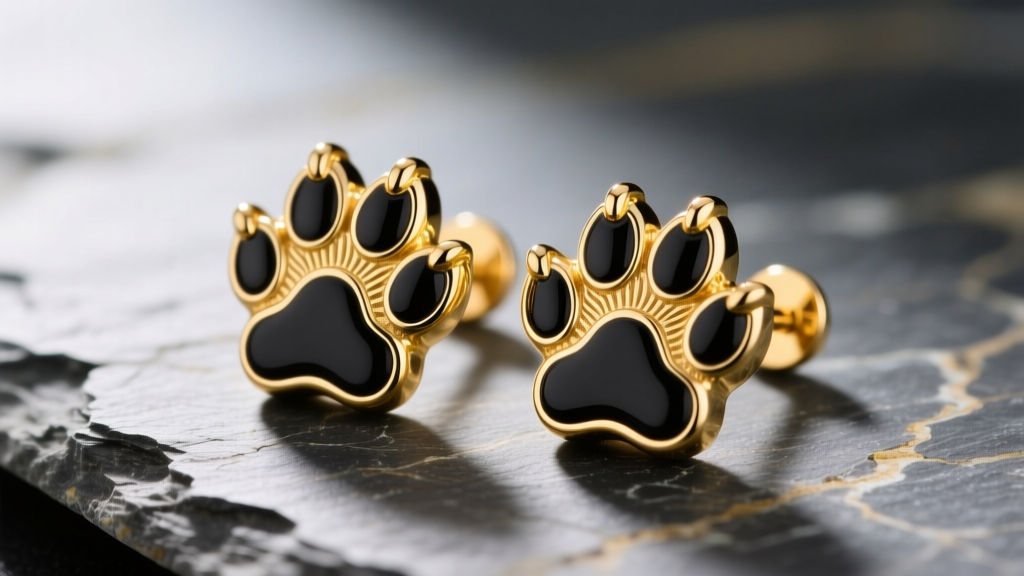
For pet lovers, dog paw earrings are more than just an accessory; they are a daily tribute to their furry companions. However, because these novelty and sentimental pieces are often mass-produced using cheap base metals, they are a leading culprit behind contact dermatitis and earlobe irritation. The intricate shape of a paw print—complete with the main pad and smaller toe beans—requires precise casting or stamping, which many budget manufacturers achieve using nickel-heavy brass or zinc alloys.
According to the Mayo Clinic, nickel allergy is one of the most common causes of allergic contact dermatitis. When your skin's natural oils and sweat interact with nickel-containing alloys, it creates a salt reaction that leads to redness, itching, and weeping skin. If you plan to wear your dog paw earrings daily, understanding the metallurgical properties of your jewelry is non-negotiable. Let us break down the exact materials you should seek out, and the ones you must avoid.
Comprehensive Material Comparison Chart
Not all metals behave the same way when cast into the detailed, multi-level topography of a dog paw. Below is a data-driven comparison of the most common metals used in premium animal-themed jewelry.
| Material Grade | Nickel-Free Status | Tarnish Resistance | Avg. Price Range | Best For |
|---|---|---|---|---|
| Implant-Grade Titanium (ASTM F136) | 100% Nickel-Free | Exceptional | $45 - $120 | Sensitive ears, cartilage, fresh piercings |
| 14k Solid Gold (Yellow/White) | Usually Nickel-Free | High | $150 - $400 | Everyday lobe wear, heirloom durability |
| 18k Solid Gold | Usually Nickel-Free | High | $250 - $600+ | Special occasion, rich color saturation |
| Sterling Silver (925) | Nickel-Free (Usually) | Low (Tarnishes) | $30 - $90 | Occasional wear, budget-conscious buyers |
| Surgical Steel (316L) | Contains Trace Nickel | High | $15 - $40 | Healed lobes without metal sensitivities |
Deep Dive into Premium Metals
Implant-Grade Titanium (ASTM F136)
If you have hyper-sensitive ears, ASTM F136 Titanium is the undisputed champion. Originally engineered for surgical implants like pacemakers and joint replacements, this specific grade of titanium is entirely biocompatible and devoid of nickel. As noted in biomaterial studies published by the NIH, titanium naturally forms a passive oxide layer when exposed to oxygen, making it completely impervious to corrosion from human sweat.
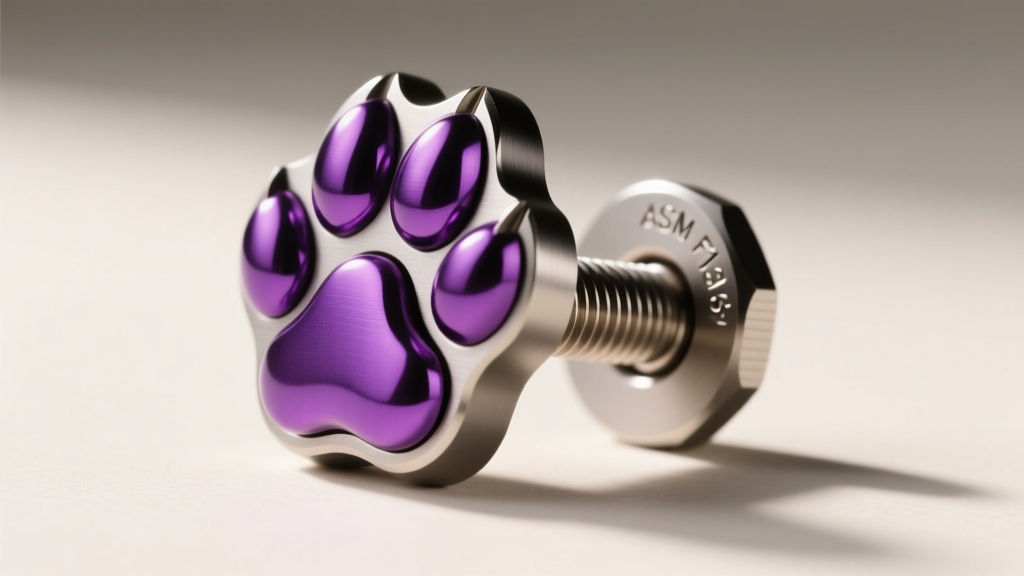
For dog paw earrings, titanium offers a unique advantage: anodizing. Jewelers can use electrical currents to alter the oxide layer's thickness, creating vibrant, permanent colors like deep purples, teals, and golds without using any paint or plating. This means the 'toe beans' on your titanium paw studs can be anodized in a contrasting color that will never chip or fade.
Solid Gold: Why 14k Outperforms 18k for Detailed Shapes
While 18k gold (75% pure gold) is highly prized for its rich, buttery yellow hue, it is a relatively soft metal. On the Mohs scale of mineral hardness and the Vickers hardness test, 18k gold is more prone to scratching and bending. Dog paw earrings feature delicate, protruding toe pads that are highly susceptible to impact.
14k gold (58.3% pure gold, alloyed with metals like copper, silver, and zinc) offers superior structural integrity. The alloying metals increase the tensile strength of the piece, ensuring that the tiny prongs holding gemstone toe beans remain secure. If you are buying white gold, ensure the jeweler uses a palladium-based alloy rather than a nickel-based one to maintain hypoallergenic properties.
The Sterling Silver (925) and Rhodium Trap
Sterling silver is 92.5% pure silver and 7.5% copper. That copper content is what causes silver to oxidize and tarnish, turning black when exposed to sulfur in the air. To combat this, many manufacturers plate their silver dog paw earrings in rhodium. While rhodium is bright and tarnish-resistant, it is merely a surface plating. Within 6 to 12 months of daily wear, the friction from your hair and hands will wear the rhodium away, exposing the tarnish-prone copper alloy beneath.
Inlay Materials: Enamel vs. Gemstones
The visual appeal of dog paw earrings relies heavily on the contrast between the metal paw and the 'toe beans'. The material used for these inlays drastically affects the earring's lifespan.
- Cold Enamel (Epoxy Resin): Common in mass-produced jewelry under $30. It is essentially colored glue. It scratches easily, loses its gloss, and will yellow when exposed to UV light and skin oils over time.
- Vitreous Enamel (Fired Glass): Created by fusing powdered glass to metal at temperatures exceeding 1,400°F. It is incredibly vibrant and scratch-resistant. However, it is brittle; dropping vitreous enamel earrings on a hard tile floor can shatter the glass inlay.
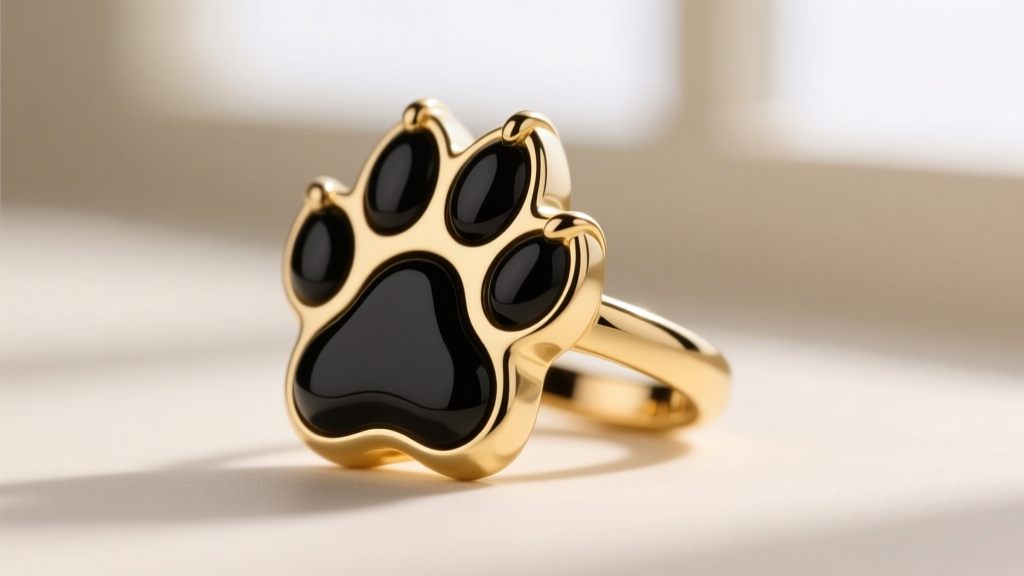
- Gemstone Inlays (Onyx, Black Spinel, CZ): The most durable option. Black onyx provides a deep, glossy contrast that mimics the look of enamel but with vastly superior scratch resistance. According to the Gemological Institute of America (GIA), onyx is a variety of chalcedony with a Mohs hardness of 6.5 to 7, making it highly suitable for daily-wear jewelry.
Post Gauge and Backing Mechanics
The material of the earring face is only half the battle; the post that actually penetrates your skin dictates your comfort. Standard dog paw studs are typically cast with a 20-gauge (0.81mm) or 18-gauge (1.02mm) post, which is perfect for standard earlobe piercings. However, if you intend to wear a smaller, more delicate paw print in your upper cartilage or helix, you will likely need a 16-gauge (1.29mm) post to prevent the 'cheese-cutter effect,' where a thin wire slowly migrates through thicker cartilage tissue.
Furthermore, discard the standard butterfly friction backs. They harbor bacteria, dig into the side of your neck while sleeping, and easily fall off. Upgrade to internally threaded flat-back (labret) posts. Brands like Maria Tash and BVLA popularized this threading method, where the screw mechanism is inside the post itself, ensuring the threads never scrape the delicate tissue of your piercing channel.
Maintenance and Longevity
To keep your dog paw earrings looking pristine, avoid ultrasonic cleaners if your piece features cold enamel or glued-in gemstones, as the high-frequency vibrations will shatter the adhesive bond. Instead, use a soft-bristled baby toothbrush, a drop of mild, phosphate-free dish soap, and warm water. Gently brush the crevices between the toe beans, rinse thoroughly, and dry with a microfiber cloth. Store them in an anti-tarnish bag if they are made of sterling silver, or simply keep them in a dry jewelry box if they are solid gold or titanium.
Investing in high-quality metals for sentimental jewelry ensures that the piece lasts as long as the memory it represents. Do not compromise on metallurgical integrity for the sake of a lower upfront cost.