Best Free Crochet Earring Patterns & Hardware Buying Guide
Discover the best free crochet earring patterns and learn what hardware, yarn, and hooks to buy for professional-grade jewelry.

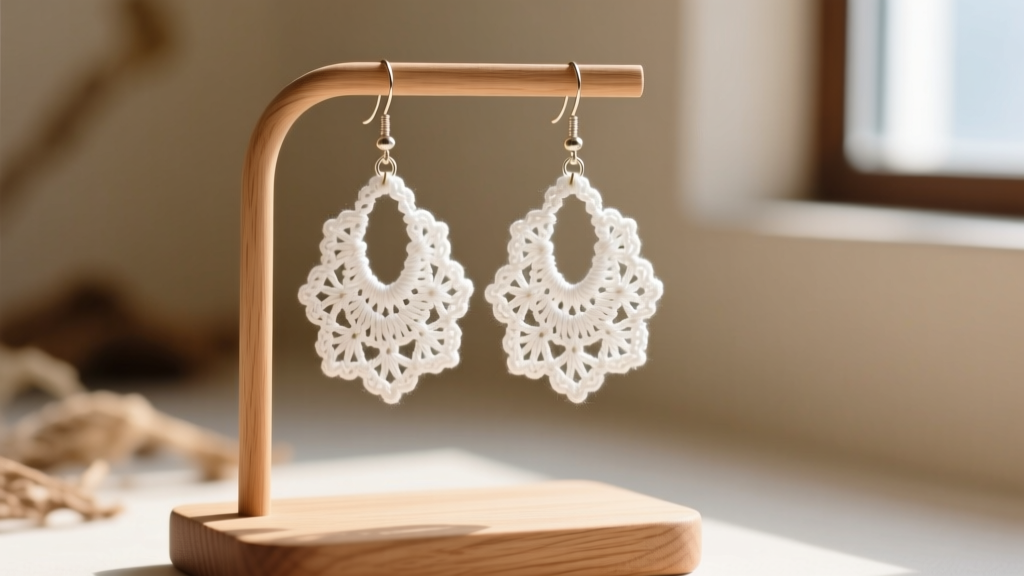
The Renaissance of Handcrafted Jewelry in 2026
As the slow-fashion movement continues to redefine accessory trends in 2026, handmade jewelry has transitioned from a niche hobby to a highly sought-after wardrobe staple. Among the most popular DIY accessories are crochet earrings, which offer an unmatched combination of lightweight comfort, intricate lace-like textures, and limitless color possibilities. However, finding high-quality free crochet earring patterns is only the first step. The true difference between a craft project and a professional-grade accessory lies in the materials and hardware you choose to purchase.
This comprehensive buying and sourcing guide will teach you how to evaluate pattern quality, select the correct metallurgical grades for earring posts, and choose the right yarn weights to ensure your finished pieces are durable, hypoallergenic, and ready for everyday wear.
How to Evaluate Free Crochet Earring Patterns
Not all patterns are created equal. When browsing databases for free crochet earring patterns, you must look beyond the hero photograph and scrutinize the technical writing. Jewelry crochet requires precise tension; a pattern that lacks structural guidance will result in flimsy, misshapen earrings.
Red Flags in Poorly Written Patterns
- Missing Tension Gauges: While gauge is often ignored in amigurumi or blanket patterns, jewelry crochet demands exact stitch counts. If a pattern does not specify a tension gauge (e.g., 10 single crochets = 1 inch), avoid it.
- Vague Assembly Instructions: High-quality patterns will explicitly state how to attach the crochet piece to the hardware, including the exact millimeter size of the jump ring required.
- Unspecified Terminology: Ensure the designer specifies whether they are using US or UK crochet terms. A UK double crochet is a US single crochet—a mistake that will completely alter the scale of a miniature earring pattern.
"The hallmark of an expert jewelry crochet pattern is the inclusion of a blocking or stiffening guide. Yarn has memory, and without structural finishing instructions, dangle earrings will curl and warp within hours of wear."
The Hardware Buying Guide: What You Actually Need to Purchase
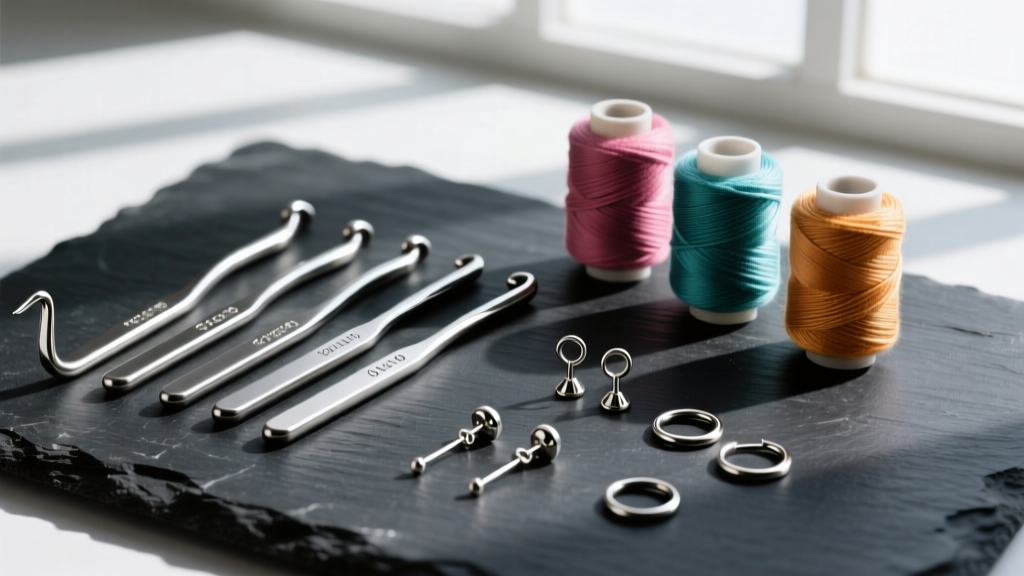
The most common mistake beginners make when executing free crochet earring patterns is pairing delicate thread work with heavy, low-quality craft store hardware. To create earrings that won't cause contact dermatitis or weigh down the earlobe, you need to buy jewelry-grade findings. Below is a breakdown of the essential hardware you must source.
| Component | Specification & Gauge | Best For | 2026 Price Range |
|---|---|---|---|
| Flat Pad Earring Posts | 6mm pad, 20-gauge post | Crochet studs and small motifs | $3.50 - $5.00 / 50 pairs |
| French Ear Wires | 20-gauge, 15mm x 20mm | Lightweight dangles and drops | $4.00 - $6.00 / 100 pieces |
| Open Jump Rings | 4mm OD, 22-gauge or 24-gauge | Connecting motifs to ear wires | $3.00 / 144 pieces |
| Headpins | 1.5 inch, 24-gauge | Adding bead accents to crochet | $5.00 / 100 pieces |
Metallurgy Matters: Choosing Hypoallergenic Options
When buying earring posts and wires, always check the metal composition. According to the Craft Yarn Council and jewelry safety standards, you should avoid nickel-plated brass, which is a primary culprit for contact dermatitis. Instead, invest in implant-grade titanium (ASTM F-136) or 316L surgical stainless steel. For those seeking a premium finish, niobium ear wires are an excellent, nickel-free alternative that can be anodized into vibrant colors to match your crochet thread.
Yarn and Thread Selection: Material Grades for Jewelry
Standard worsted weight yarn is almost never suitable for earrings. The resulting fabric is too bulky, heavy, and prone to fraying. For professional results, you must purchase mercerized crochet thread in sizes 10, 20, or 30.
Understanding Mercerization
Mercerization is a chemical treatment (using sodium hydroxide) applied to cotton fibers under tension. This process permanently alters the fiber structure, resulting in a thread that is significantly stronger, highly resistant to mold and mildew, and possesses a permanent, silk-like luster. Brands like Lizbeth, Aunt Lydia's Classic, and DMC Cebelia are industry standards. Size 10 thread is ideal for structural motifs and flowers, while Size 30 thread is reserved for ultra-fine, heirloom-quality lace work requiring a 0.75mm steel hook.
Hook Sizing for Earring Crochet
Forget your aluminum or ergonomic resin hooks. Earring patterns require steel crochet hooks. The sizing system for steel hooks is inverse to standard hooks: a higher number means a smaller hook. For Size 10 thread, purchase a 1.15mm or 1.25mm steel hook. For Size 20 thread, you will need a 0.75mm or 0.85mm hook. Buying a premium set of Japanese-manufactured steel hooks (such as those from Clover or Tulip Etimo) ensures the hook throat is perfectly polished, preventing the thread from snagging and fraying during complex lace stitches.
Top Platforms to Source High-Quality Free Patterns
While search engines will yield thousands of results, curating a library of reliable, designer-grade patterns requires using specialized platforms. Here is where professionals source their free crochet earring patterns:
- Ravelry: The undisputed king of fiber arts databases. Use the advanced search feature to filter by 'Jewelry', 'Earrings', and 'Free'. Pay close attention to the user ratings and the number of projects completed—this serves as peer review for pattern accuracy.
- Interweave: The Interweave archives frequently offer complimentary PDF downloads from their premium crochet jewelry magazines. These patterns are technically edited and guaranteed to have correct stitch counts.
- Designer Blogs & Newsletters: Many independent designers offer one free pattern as a lead magnet when you subscribe to their newsletter. Designers specializing in thread crochet, such as those featured on Ravelry's front page, often provide meticulously diagrammed freebies.
Finishing and Stiffening: Making Crochet Jewelry Durable
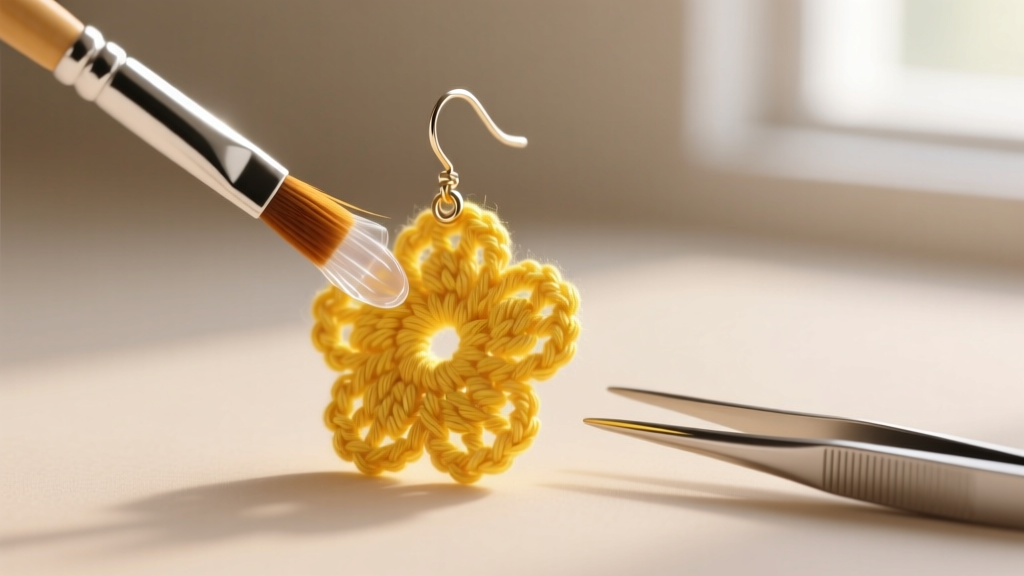
The final, and arguably most critical, step in executing free crochet earring patterns is the finishing process. Crochet thread, even when mercerized, is flexible. To give earrings structural integrity, they must be stiffened.
Comparing Stiffening Agents
Do not use standard school glue or cheap craft starches, as they will yellow over time and attract moisture. Instead, purchase one of the following professional-grade stiffeners:
- PVA-Based Fabric Stiffeners: Products like Aleene's Fabric Stiffener or Mod Podge (mixed 50/50 with water) are excellent for a flexible but firm hold. Apply with a silicone brush, shape the earring over a silicone mold or parchment paper, and allow 24 hours to cure.
- Jewelry-Grade UV Resin: For a glass-like, waterproof, and completely rigid finish, brush a thin layer of UV resin over the finished crochet piece and cure it under a 36W UV lamp for 60 seconds. This method is highly favored in 2026 for creating statement pieces that mimic enamel jewelry.
- Beeswax and Jojoba Oil Blends: For a more natural, matte finish that retains slight flexibility, thread conditioners and specialized jewelry waxes can be ironed into the fabric using a low-heat pressing cloth.
Final Thoughts on Sourcing and Crafting
Creating beautiful crochet earrings is a highly rewarding intersection of traditional fiber arts and modern jewelry making. By taking the time to critically evaluate free crochet earring patterns, investing in hypoallergenic surgical steel or titanium hardware, and utilizing mercerized threads with professional stiffening techniques, you elevate your craft from a simple hobby to a boutique-quality accessory line. Whether you are crafting for your own wardrobe or preparing inventory for a 2026 artisan market, the right materials and technical knowledge are your most valuable tools.


