Dormeuse Earrings Material Guide: Best Metals for Sleep
Discover the best metals for dormeuse earrings. Compare titanium, gold, and niobium for safe, comfortable overnight wear and sensitive ears.

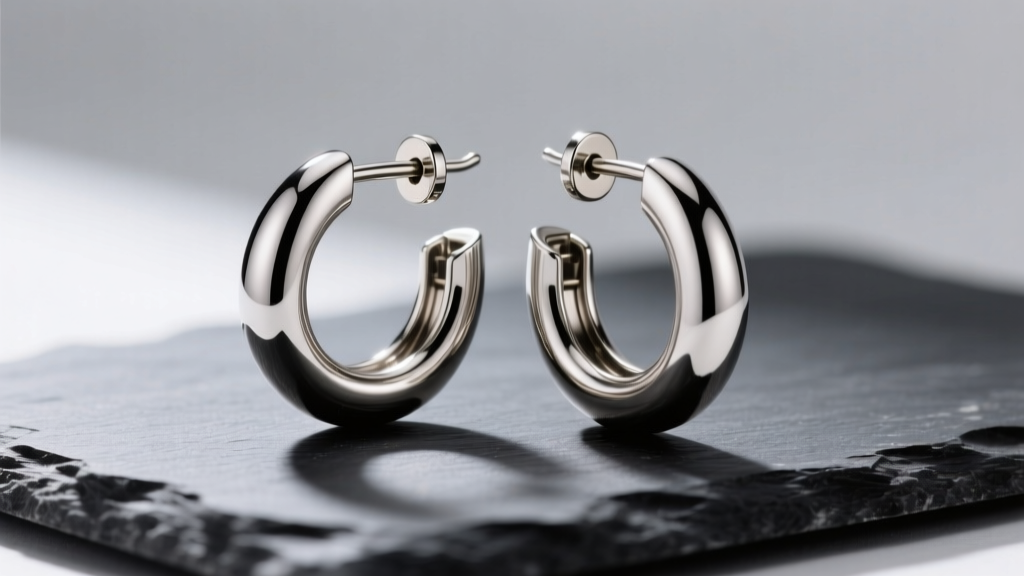
The True Definition of a Dormeuse Earring
Derived from the French word for "sleeper," dormeuse earrings were historically designed with a singular, vital purpose: to be worn continuously, including overnight, to keep newly pierced earlobes from closing while maximizing comfort. Unlike standard stud earrings that rely on friction backs, or dangle earrings that catch on textiles, a true dormeuse features a seamless profile. Modern iterations typically utilize a hinged leverback, a continuous hoop, or a specialized snap closure that eliminates the sharp posts and bulky clasps that cause pressure necrosis against the mastoid bone during sleep.
However, the mechanical design is only half the battle. When you sleep in jewelry, the microclimate of your ear changes. Trapped body heat, nocturnal sweating, and prolonged friction against cotton pillowcases accelerate metal ion leaching. Choosing the correct metallurgical composition for your dormeuse earrings is not just a matter of aesthetics; it is a critical dermatological decision.
The Biomechanics of Overnight Wear and Sensitization
Sleeping in inappropriate metals is a primary catalyst for Allergic Contact Dermatitis (ACD). According to the Mayo Clinic, nickel allergy is one of the most common causes of allergic skin reactions, affecting up to 10% of the population. When you wear standard "surgical steel" earrings to bed, the combination of sweat (which is slightly acidic) and friction breaks down the passive oxide layer of inferior alloys, releasing nickel ions directly into the epidermis.
"Continuous wear of nickel-containing alloys in high-friction, high-moisture environments like the sleeping ear lobe drastically lowers the threshold for systemic sensitization, turning a localized irritation into a lifelong allergy."
To avoid this, we must evaluate materials based on their biocompatibility, corrosion resistance, and structural integrity under the physical stress of tossing and turning.
Tier 1: The Implant-Grade Standards
For those with hyper-sensitive ears, fresh piercings, or a history of metal allergies, the Association of Professional Piercers (APP) strictly recommends implant-grade materials. These metals are engineered to exist inside the human body indefinitely, making them the undisputed champions for overnight dormeuse wear.
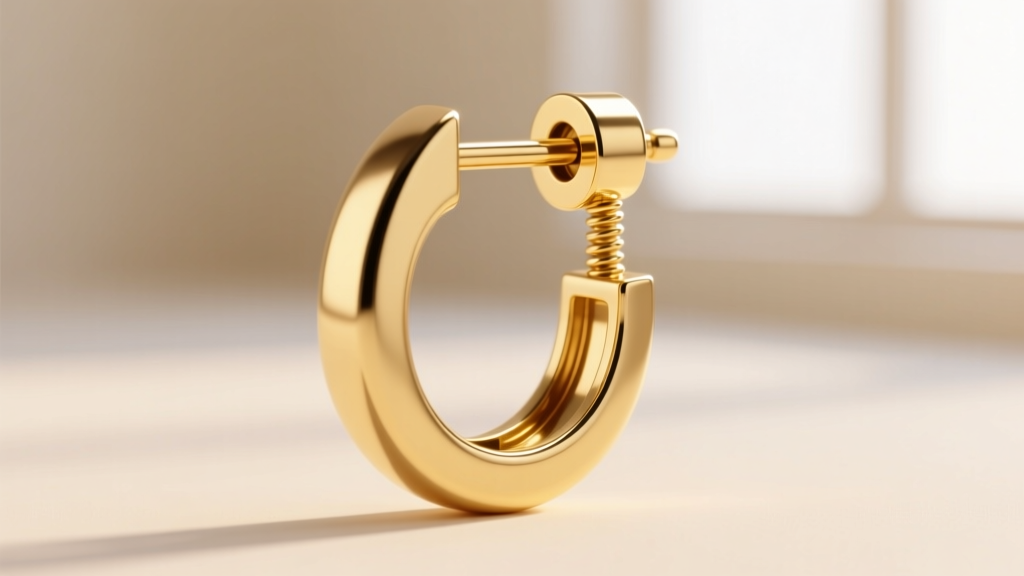
ASTM F136 Titanium (Ti-6Al-4V ELI)
Not all titanium is created equal. Commercially pure (CP) titanium is acceptable, but ASTM F136 implant-grade titanium is the gold standard. It is an alloy of titanium, aluminum, and vanadium, processed with Extra Low Interstitial (ELI) elements to prevent micro-fractures and corrosion.
- Weight: 45% lighter than stainless steel, meaning it won't drag on the lobe during sleep.
- Reactivity: Completely nickel-free and biologically inert.
- Surface Finish: High-polish F136 titanium resists bacterial biofilm buildup, a crucial factor when the ear is pressed against a pillow for eight hours.
Pure Niobium
Niobium (Element 41) is a reactive metal that is entirely unalloyed, meaning it contains zero hidden trace metals. It is highly malleable, allowing jewelers to create seamless continuous hoops—the ultimate dormeuse design—without the need for soldered joints that can harbor bacteria or snap under pressure. Furthermore, niobium can be anodized using electrical voltage to create vibrant colors (like deep purples or golds) without the use of toxic dyes or platings that can wear off overnight.
Tier 2: Precious Metals and Alloy Traps
If you prefer the luxury and warmth of precious metals, you must navigate the complex world of karats and alloy mixes. Pure 24k gold is too soft for dormeuse mechanics; a 24k continuous hoop will easily bend out of shape if you sleep on it, ruining the clasp tension. Therefore, alloying is necessary, but the choice of alloy dictates safety.
The Karat and Color Conundrum
14k and 18k Yellow Gold: When alloyed with silver, copper, and zinc, yellow gold is generally safe for overnight wear. 14k (58.5% gold) offers superior structural rigidity for leverback clasps compared to 18k (75% gold), making it the pragmatic choice for sleep-safe mechanics.
The White Gold Trap: Most 14k and 18k white gold on the market is alloyed with nickel to achieve its silvery hue, then plated with rhodium. Over months of nightly friction against bedding, the rhodium plating wears thin, exposing the nickel-rich core directly to your skin. If you must wear white gold dormeuses, you must explicitly source palladium-alloyed white gold from a specialized jeweler.
Rose Gold: Alloyed heavily with copper to achieve its pink tint. While copper is not a common allergen, it can oxidize when exposed to night sweats, occasionally leaving a harmless but unsightly greenish residue on the earlobe.
Metals to Strictly Avoid for Sleeping
Never sleep in dormeuse earrings made from the following materials, regardless of their marketing claims:
- "Surgical Steel" (316L): Contains up to 10-14% nickel. The term "surgical" refers to its use in temporary surgical tools, not permanent implants.
- Sterling Silver (925): Contains 7.5% copper and is highly prone to tarnishing. Silver sulfide buildup in the piercing channel can cause argyria (localized skin discoloration) and severe irritation.
- Gold-Plated or Gold Vermeil: The base metal is usually brass or copper, and the microscopic gold layer will wear through rapidly with nightly friction, leading to immediate dermatitis.

Comparative Data: Metal Properties & Pricing
The following table breaks down the practical realities of sourcing high-quality dormeuse earrings in 2026, balancing biocompatibility with market pricing.
| Material | Biocompatibility | Weight Profile | Avg. Price (Pair) | Best Clasp Style |
|---|---|---|---|---|
| ASTM F136 Titanium | Superior (Nickel-Free) | Ultra-Light | $35 - $85 | Hinged Segment / Leverback |
| Pure Niobium | Superior (Unalloyed) | Light-Medium | $40 - $90 | Continuous Seamless Hoop |
| 14k Yellow Gold | High (Check Alloys) | Medium-Heavy | $120 - $280 | Leverback / French Snap |
| 18k Yellow Gold | High (Softer Metal) | Heavy | $250 - $500+ | Thick Continuous Hoop |
| Platinum (950) | Superior (Hypoallergenic) | Very Heavy | $600 - $1,200+ | Secure Leverback |
Gauge, Diameter, and Clasp Mechanics
Material is irrelevant if the physical dimensions of the dormeuse cause mechanical trauma. Standard earlobe piercings are typically done at 20G (0.81mm) or 18G (1.02mm). Wearing a 16G (1.29mm) wire in an 18G hole overnight will cause localized swelling and cutting.
Furthermore, the inner diameter of a hoop-style dormeuse must be carefully selected. An 8mm to 10mm inner diameter is ideal for standard lobes. If the hoop is too tight (e.g., 6mm), it will create a "cheese-cutter" effect, slowly migrating through the tissue as you toss and turn. If it is too large (12mm+), it risks catching on hair or pillowcases, defeating the purpose of a sleeper earring.
Always opt for a clasp that sits flush. Leverbacks that feature a tiny metal loop for dangling charms are a hazard for sleep; the loop can press into the neck or catch on threads. Seek out minimalist, unadorned closures.
Final Verdict: Building Your Sleep-Safe Collection
When investing in dormeuse earrings, prioritize ASTM F136 titanium or pure niobium for the ultimate combination of lightweight comfort and absolute hypoallergenic safety. If you prefer the prestige of precious metals, 14k nickel-free yellow gold offers the best balance of structural durability for clasps and long-term skin health. By understanding the metallurgical realities of overnight wear, you can protect your piercings from sensitization and ensure that your jewelry works with your body, even while you rest.


