Dove Earrings Buying Guide: Metals, Styles & Symbolism
Discover how to choose the perfect dove earrings. Our buying guide covers metal grades, enamel types, sizing, and secure backings for lasting wear.

The Enduring Appeal of Dove Earrings
Dove earrings have transcended fleeting jewelry trends to become a staple in both fine and fashion collections. Representing peace, love, and new beginnings, the dove motif offers a versatile silhouette that works equally well as a delicate 5mm stud or a dramatic 40mm dangle. However, as we navigate the jewelry market in 2026, the sheer volume of options can be overwhelming. From mass-produced alloy casts to hand-finished high jewelry pieces, understanding the structural and material nuances of dove earrings is critical for making an informed purchase. This comprehensive buying guide breaks down exactly what to look for regarding metal purity, enamel techniques, gemstone settings, and mechanical security.
Decoding the Silhouette: Studs, Dangles, and Ear Cuffs
The anatomy of a dove earring dictates how it sits on the ear. The center of gravity is particularly crucial for dangle and drop styles.
- Stud Earrings: Typically ranging from 5mm to 12mm, dove studs feature a flat or slightly domed profile. Look for designs where the post is soldered precisely at the center of mass; otherwise, the dove will droop forward on the earlobe.
- Dangle and Drop Earrings: Often measuring 20mm to 45mm, these feature the dove in mid-flight or with open wings. The jump ring connecting the dove to the fishhook or leverback must be thick enough (at least 0.8mm) to prevent warping, yet loose enough to allow fluid movement.
- Ear Cuffs and Cartilage Pieces: Dove motifs adapted for the helix or tragus often wrap around the cartilage. These require a precise C-curve tension fit, usually cast in 14k gold to ensure the metal retains its shape without snapping when adjusted.
Metal Grades and Hypoallergenic Requirements
The metal foundation of your dove earrings determines their longevity, color retention, and skin compatibility. Because the earlobe is a sensitive area, hypoallergenic properties are non-negotiable for daily wear.
| Metal Type | Purity / Grade | Pros | Cons | Avg. Price Range |
|---|---|---|---|---|
| 14k Gold | 58.5% Pure Gold | Excellent durability, ideal for intricate dove wing details | Slightly less rich color than 18k | $150 - $450 |
| 18k Gold | 75% Pure Gold | Deep, rich color, highly hypoallergenic | Softer metal, prongs may wear faster | $300 - $800+ |
| 925 Sterling Silver | 92.5% Silver, 7.5% Copper | Affordable, bright white luster | Prone to tarnish, requires rhodium plating | $40 - $120 |
| Platinum | 95% Pure Platinum | Extremely durable, naturally white, heirloom quality | Heavy, very high price point | $800 - $2,500+ |
Expert Insight on Plating: If you are purchasing sterling silver dove earrings, ensure they are plated with rhodium. Standard flash plating is a mere 0.1 microns thick and will wear off in weeks. For daily-wear pieces, seek out brands that specify a heavy rhodium plating of 0.75 to 1.0 microns to prevent tarnishing and brass show-through.
Enamel Work: Vitreous vs. Cold Enamel
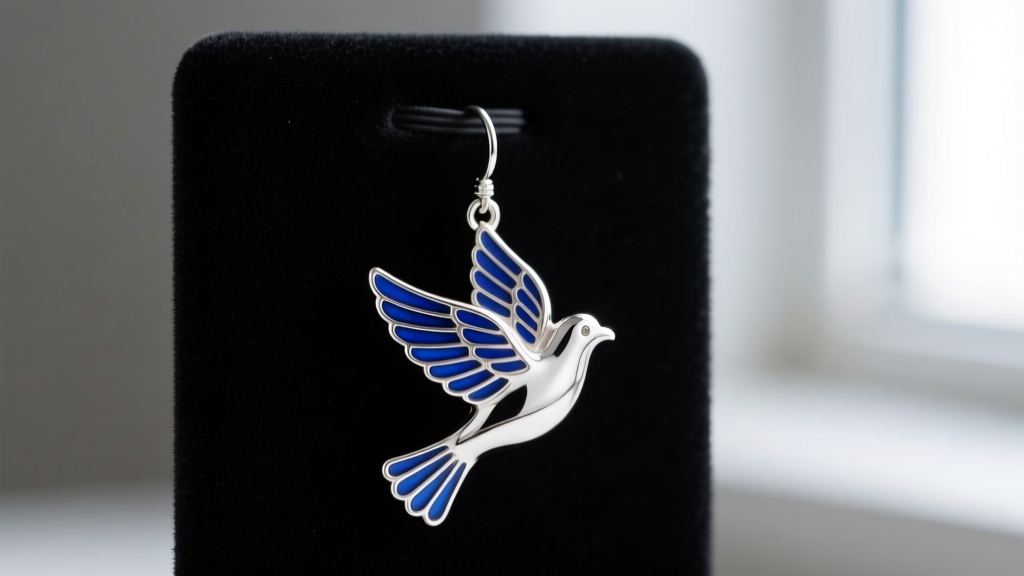
Many artisan dove earrings incorporate enamel to add vibrant color to the wings or body. The manufacturing technique used drastically affects the piece's value and resistance to chipping.
Vitreous (Hot) Enamel
Vitreous enamel is created by fusing finely ground glass powder to a metal surface at extreme temperatures, typically between 1,400°F and 1,500°F. This process results in a brilliant, translucent finish that will not fade or yellow over time. The most prized technique is guilloché, where the metal base is engine-turned with intricate geometric patterns before the transparent enamel is applied, giving the dove's wings a mesmerizing, three-dimensional depth.
Cold Enamel (Epoxy Resin)
Cold enamel is essentially a hardened epoxy resin painted onto the metal. While it offers a wider, more opaque palette of colors and is significantly cheaper to produce, it is highly susceptible to scratching, UV yellowing, and chemical degradation from perfumes. When buying cold enamel dove earrings, inspect the edges where the resin meets the metal; there should be no bubbling or溢 (overflow).
Gemstone Accents and Pavé Settings
Diamond and gemstone accents are frequently used to highlight the dove's wings or eyes. According to the Gemological Institute of America (GIA), the quality of micro-pavé settings is a primary indicator of fine jewelry craftsmanship.
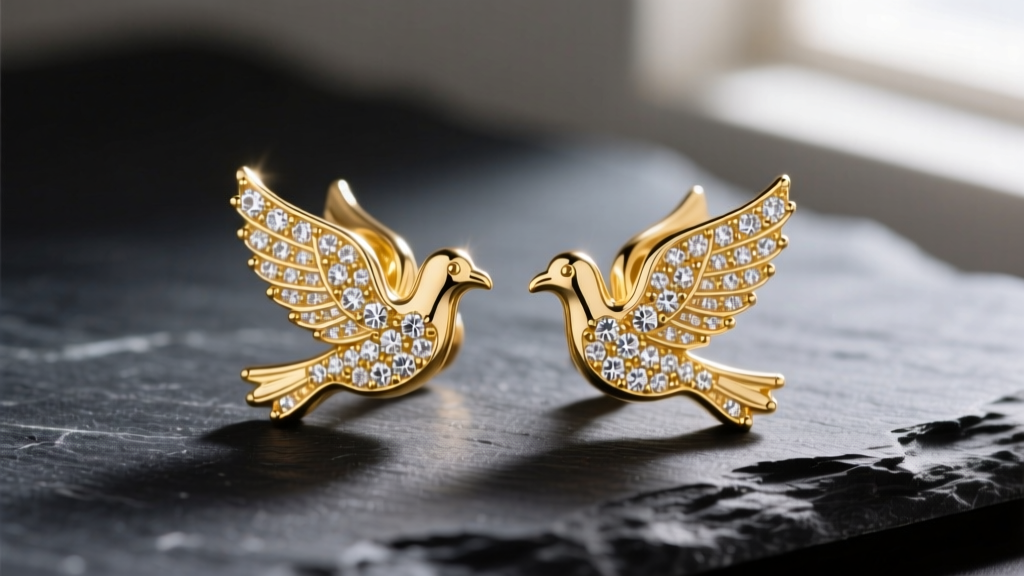
- Micro-Pavé Wings: Look for stones set with tiny, uniform beads of metal rather than large, bulky prongs that obscure the diamonds. For dove earrings, SI1 to VS2 clarity diamonds are standard, as the stones are typically under 1.5mm and inclusions are invisible to the naked eye.
- Bezel-Set Eyes: A single ruby, sapphire, or black diamond is often used for the dove's eye. A bezel setting is preferable here, as it protects the gemstone from impact and provides a sleek, modern contrast to the metallic feathers.
- Failure Modes: The most common failure in pavé dove earrings is stone loss due to insufficient metal support during the casting process. Run your fingernail gently over the stones; if you feel excessive movement or catch on raised prongs, the setting is compromised.
Sizing, Gauge, and Backing Mechanisms
The security of your earring is just as important as its aesthetic. The gauge (thickness) of the post and the type of backing must be matched to the weight of the dove motif.
- 20-Gauge (0.81mm): The industry standard for lightweight dove studs and small huggies. It is comfortable for most pierced lobes but can bend if the earring is heavy.
- 18-Gauge (1.02mm): Recommended for larger, solid gold dangle dove earrings. The thicker post provides structural integrity and prevents the earring from drooping.
- Friction Backs (Butterfly): The most common and economical backing. However, they rely on tension and can easily slip off, especially if the silicone or metal grip wears out.
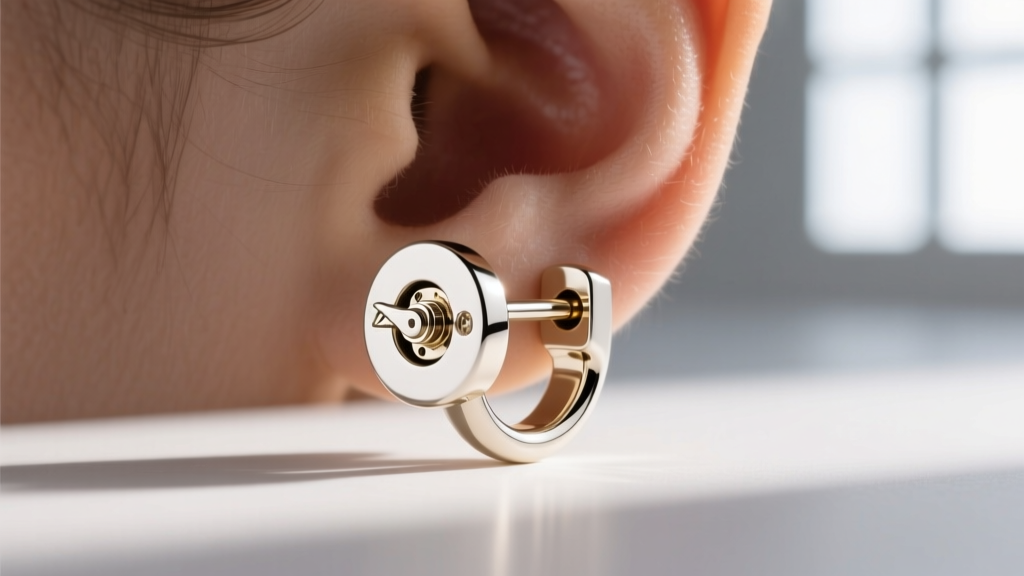
- La Pousette (Click) Backs: A superior mechanical backing featuring a tiny internal spring that 'clicks' into a grooved notch on the post. Highly recommended for valuable diamond dove earrings.
- Screw Backs: Threaded posts that require twisting. They offer the highest level of security but can be frustrating to align and may strip if cross-threaded.
Price Tiers and Brand Expectations
Understanding market pricing helps you identify whether a piece is fairly valued based on its materials and labor.
- Fashion & Demi-Fine ($30 - $120): Typically sterling silver with cold enamel or gold vermeil (2.5 microns of gold over silver). Expect cast details with minimal hand-finishing.
- Fine Jewelry ($250 - $800): Solid 14k or 18k gold, vitreous enamel, and genuine diamond pavé. These pieces are often hand-polished and feature secure mechanical backings.
- High Jewelry & Artisan ($1,500+): Bespoke designs featuring advanced techniques like plique-à-jour (stained-glass enamel), fancy colored diamonds, and platinum settings.
Care and Maintenance for Longevity
Proper maintenance ensures your dove earrings retain their brilliance. The Jewelers of America recommends specific care routines based on the materials involved.
Expert Cleaning Tip: Never use ultrasonic cleaners on dove earrings featuring vitreous enamel, opals, or emeralds. The high-frequency vibrations can cause the glass enamel to shatter or fracture the inclusions in delicate gemstones. Instead, use a soft baby toothbrush with warm water and a drop of mild, phosphate-free dish soap, gently brushing the crevices of the wings before patting dry with a microfiber cloth.
When storing your earrings, keep them in individual anti-tarnish pouches. The intricate wing details of dove motifs can easily scratch softer gemstones or become tangled with chain necklaces if tossed loosely into a jewelry box. By prioritizing structural integrity, high-quality metals, and secure backings, your dove earrings will remain a cherished, wearable symbol of peace for decades to come.


