Drop Dangle Earrings: A Technical Guide to Weight and Gauge
An expert technical guide to drop dangle earrings, covering wire gauge standards, weight distribution, clasp engineering, and earlobe biomechanics.

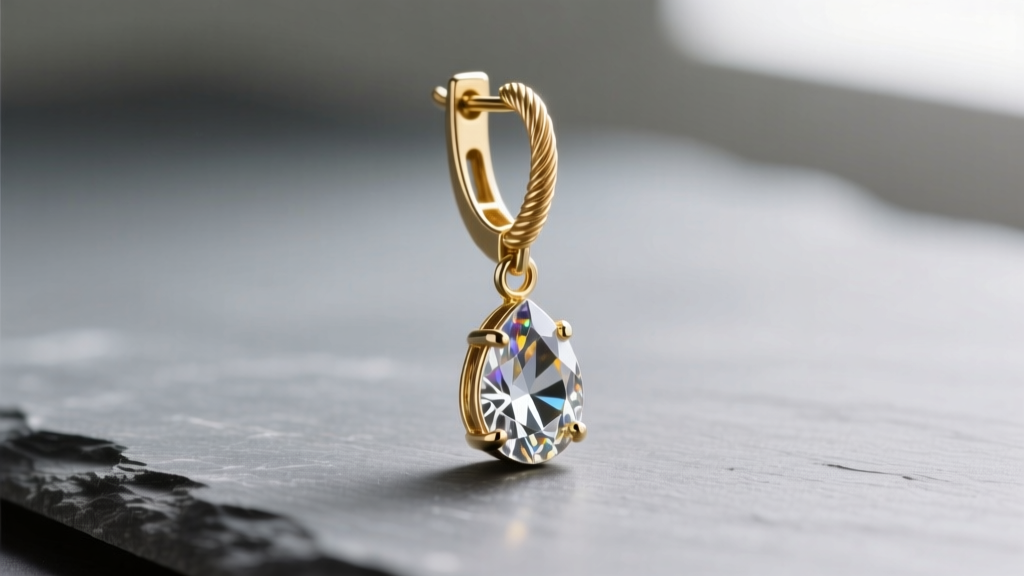
The Biomechanics of the Earlobe: Why Weight Matters
When evaluating drop dangle earrings from an engineering perspective, the primary point of failure is rarely the metal itself; it is the biological tissue supporting it. The human earlobe is primarily composed of adipose (fat) tissue and loose connective tissue, lacking the rigid cartilage found in the upper ear. This anatomical reality dictates strict weight thresholds for suspended jewelry.
The pendulum effect of a drop dangle earring creates dynamic shear stress on the piercing fistula (the healed tissue tube). As the wearer moves, the earring swings, multiplying the effective downward force. According to biomechanical guidelines referenced by the Association of Professional Piercers, continuous wear of earrings exceeding 10 grams can lead to tissue fatigue, micro-tearing, and eventual lobe ptosis (drooping). For daily wear, structural integrity is best maintained by keeping drop dangles under 7 grams. Statement pieces weighing 15 grams or more should be restricted to short-term wear and require specialized weight-distributing closures.
Wire Gauge and Post Thickness Standards
The wire gauge of the earring post determines how the weight is distributed across the fistula. A wire that is too thin will act like a cheese cutter, applying extreme localized pressure that slowly migrates the piercing downward. Understanding the American Wire Gauge (AWG) system is critical for selecting safe drop dangle earrings.
| Gauge (AWG) | Millimeter (mm) | Max Safe Weight (Daily) | Best Use Case |
|---|---|---|---|
| 22G | 0.64mm | 3 grams | Lightweight threaders, delicate chain drops |
| 20G | 0.81mm | 6 grams | Standard commercial drop earrings, small gemstones |
| 18G | 1.02mm | 12 grams | Heavy statement drops, elongated metal silhouettes |
| 16G | 1.29mm | 20+ grams | Architectural drops, heavy gemstone chandeliers |
For any drop dangle earring featuring dense materials like solid gold or large cabochon stones, an 18-gauge or 16-gauge wire is strongly recommended. The increased surface area of a 1.29mm (16G) wire disperses the gravitational load, significantly reducing the risk of lobe migration.
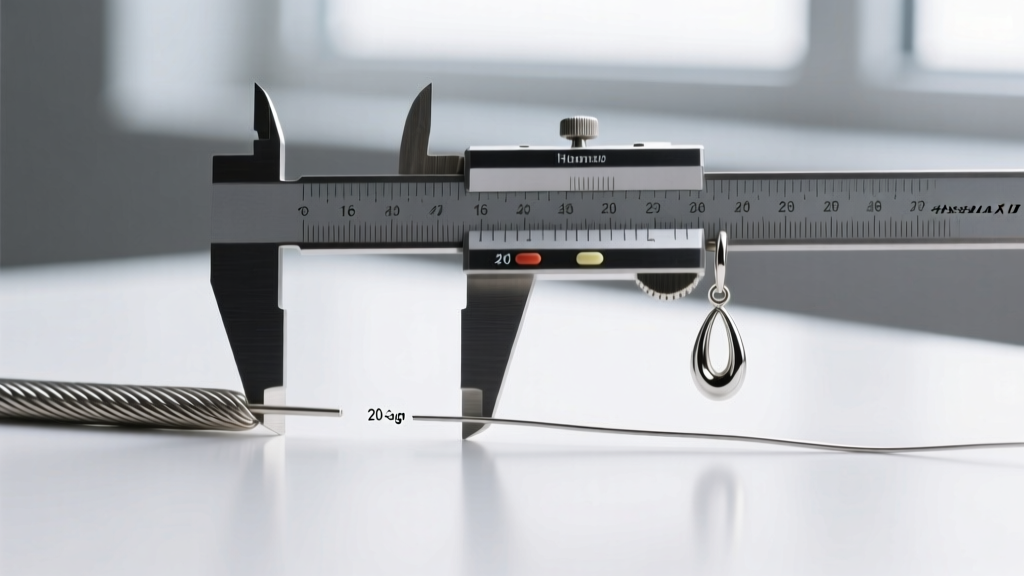
Clasp and Closure Engineering: Preventing Loss
The closure mechanism on a drop dangle earring must counteract both gravitational pull and kinetic momentum. A standard friction back (butterfly clutch) is entirely unsuitable for dangles, as the pendulum motion easily works the backing loose. Expert jewelers rely on three primary mechanical closures for suspended designs:
- Leverback (Spring Hinge): Features a hinged wire that snaps into a catch. This provides excellent tensile strength and prevents the earring from slipping out during forward momentum. However, the hinge mechanism adds approximately 0.8 to 1.2 grams of dead weight to the overall piece.
- French Wire (Shepherd Hook): A simple curved wire that relies on gravity to stay in place. While lightweight, it is highly vulnerable to being pulled out by hair or clothing. When using French wire for heavy drops, high-density silicone friction stoppers are mandatory to secure the terminal end.
- Omega Back (Hinged Clip): Combines a standard post with a hinged, curved paddle that snaps against the back of the earlobe. This is the gold standard for heavy drop dangle earrings (15g+), as the paddle distributes the weight across a 15mm surface area on the posterior lobe rather than concentrating it entirely on the fistula.
Material Science: Hypoallergenic Grades and Metal Fatigue
The metallurgical composition of the wire affects both biocompatibility and structural memory. Drop dangle earrings are prone to bending when caught on garments. The metal's yield strength determines whether it will snap, permanently deform, or return to its original shape.
According to metallurgical standards outlined by the Gemological Institute of America, the alloy mix in karat gold drastically alters its mechanical properties. 18k gold (75% pure gold) is highly malleable and prone to permanent deformation if used for thin wire closures. Conversely, 14k gold (58.5% pure gold) contains higher levels of copper and silver, granting it superior tensile strength and wire memory, making it the superior choice for the structural components of heavy dangles.
For those with contact dermatitis or nickel allergies, ASTM F136 implant-grade titanium is the ultimate technical solution. Titanium boasts an exceptional strength-to-weight ratio, allowing manufacturers to machine 16-gauge wires that are incredibly strong yet lighter than their steel counterparts. Furthermore, niobium is an excellent alternative for anodized drop dangles, though it is softer and requires thicker gauges (14G or 12G) to prevent bending.
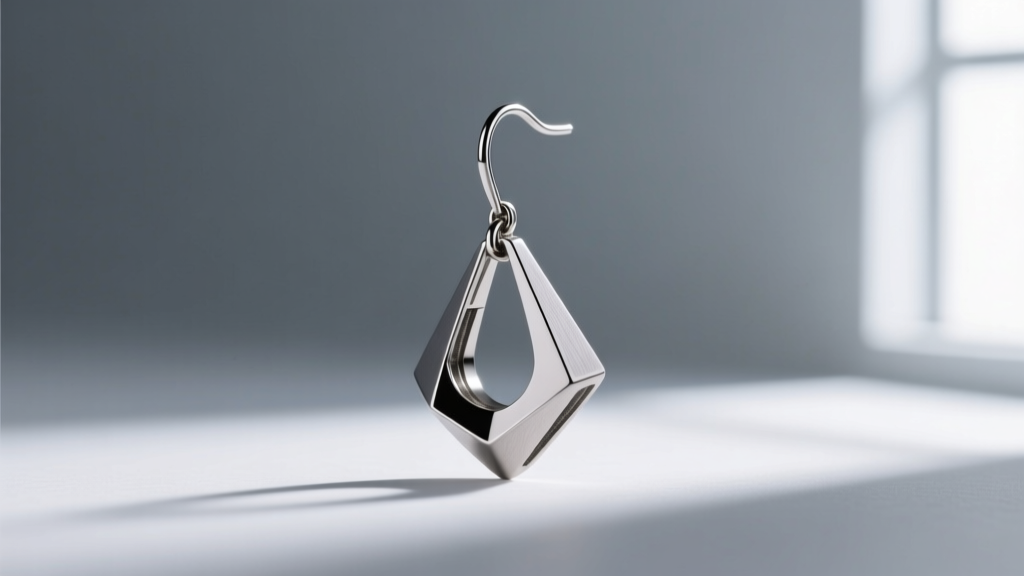
Troubleshooting Common Drop Dangle Failures
Even meticulously engineered drop dangle earrings can suffer from mechanical or aesthetic failures over time. Here is an expert troubleshooting framework for the most common issues:
1. The Forward Tilt (Anterior Pitch)
If the decorative element of the dangle pulls the top of the post forward, causing the earring to point toward the cheek rather than hanging flush, the center of gravity is misaligned. Solution: Swap the standard backing for a heavier, wider silicone disc or a specialized metal earlobe support patch. This adds counterweight behind the lobe and provides a rigid backboard to force the post into a 90-degree alignment.
2. Wire Fatigue and Micro-Fractures
Repeatedly bending a French hook to clean it or remove it causes work hardening, leading to brittle micro-fractures. Solution: Never bend the wire laterally. Always open and close the hook by twisting the terminal end along the Z-axis (like opening a jump ring). If the wire feels stiff or shows visible kinks, it must be annealed by a professional jeweler or replaced.
3. Jump Ring Separation
The pendulum swing places lateral stress on the jump ring connecting the post to the dangle. Over time, this ring can warp into an oval and snap open. Solution: Ensure the manufacturer uses soldered jump rings or split rings for any drop dangle exceeding 8 grams. If repairing at home, use two pairs of flat-nose pliers to twist the ring open laterally, never pull it apart horizontally.
Expert Insight: When investing in fine jewelry drop dangles, always inspect the connection points under a 10x jeweler's loupe. Look for clean solder joints at the jump rings and ensure the leverback hinge moves with smooth, consistent resistance. A sticky hinge is a primary indicator of poor manufacturing tolerances and will eventually fail.
Conclusion
Mastering the selection of drop dangle earrings requires looking past the aesthetic design and evaluating the underlying engineering. By prioritizing appropriate wire gauges (18G or 16G for heavy pieces), selecting mechanically sound closures like leverbacks or omega backs, and respecting the biological weight limits of the earlobe, you can ensure both the longevity of the jewelry and the health of the tissue. Technical precision in jewelry selection transforms a fragile accessory into a lasting, structurally sound statement piece.


