Essential Earring Care Tips for Guys With One Earring
Discover essential earring care tips for guys with one earring. Learn how to clean, maintain, and prevent buildup for daily-wear men's jewelry.

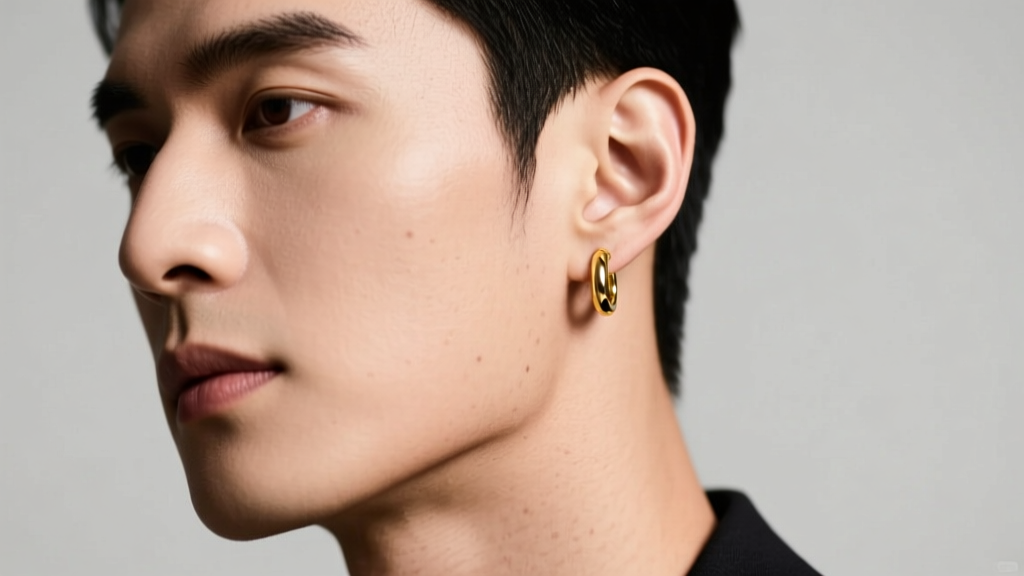
The single earring has evolved from a rebellious subculture staple into a cornerstone of modern men's style. Whether you are rocking a minimalist diamond stud, a rugged titanium barbell, or a classic gold sleeper hoop, wearing a single piece of ear jewelry makes a deliberate statement. However, because it is a focal point, any lack of maintenance is immediately noticeable. Tarnished metals, dull gemstones, and the dreaded buildup of sebum and dead skin cells—colloquially known as 'ear cheese'—can quickly downgrade your look from intentional to unkempt.
For guys with one earring, the jewelry is often worn 24/7, subjected to gym sweat, hair products, and the friction of daily life. This comprehensive guide dives deep into the material science, hygiene protocols, and practical maintenance routines required to keep your single earring looking pristine and your piercing healthy.
The Daily Grime: Why Men's Single Earrings Need Specific Care
Men's grooming routines introduce unique challenges to ear jewelry. Unlike traditional multi-earring setups that might be swapped out frequently, the single earring is often treated as a permanent fixture. This continuous wear creates a perfect storm for buildup.
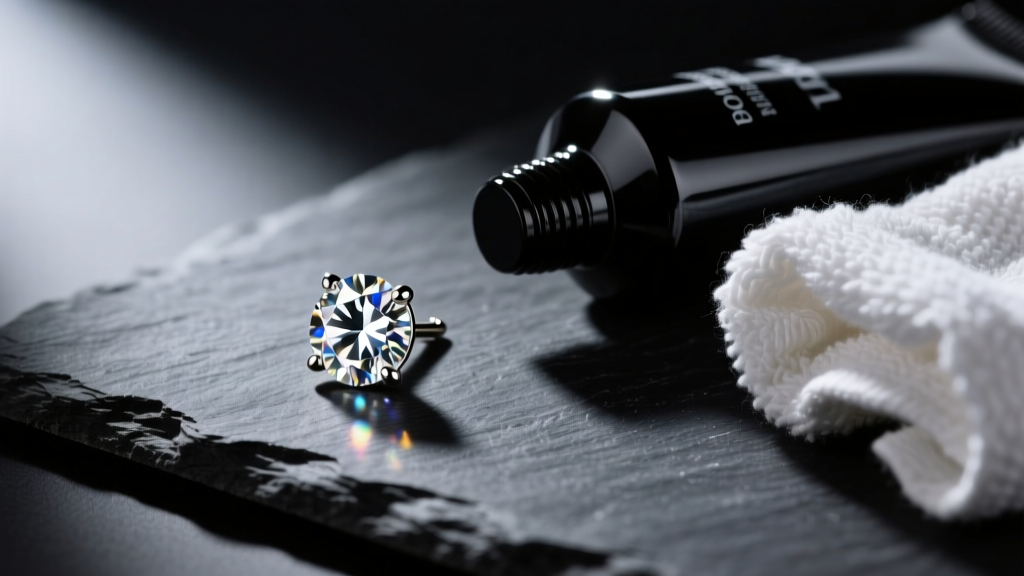
Consider your daily product lineup: matte clays, pomades, beard oils, and heavy moisturizers. When you run your hands through your hair or adjust your glasses, these products inevitably migrate to the earlobe and the earring's post. Furthermore, the male sebaceous gland density on the face and scalp is generally higher, leading to increased oil production. When this sebum mixes with dead skin cells and environmental dust, it forms a hardened, odorous crust around the earring backing and the fistula (the piercing hole).
Add gym sessions to the mix, and you introduce sweat and bacteria. According to the American Academy of Dermatology, trapped moisture and bacteria in piercings can lead to contact dermatitis and localized infections. Therefore, a proactive cleaning regimen is not just about aesthetics; it is a fundamental aspect of personal hygiene.
Material-Specific Cleaning Protocols
Not all metals react to sweat and cleaning agents the same way. Before you start scrubbing, you must identify your earring's material. Using the wrong chemical can strip platings, oxidize alloys, or ruin gemstone treatments.
| Material Grade | Common Styles | Vulnerabilities | Recommended Cleaning Agent |
|---|---|---|---|
| ASTM F136 Implant-Grade Titanium | Labrets, straight barbells, clickers | Virtually none; highly biocompatible | Mild dish soap & warm water |
| 14k / 18k Solid Gold | Diamond studs, sleeper hoops, huggies | Scratching (if high karat); alloy tarnish | Ammonia-free jewelry cleaner or soapy water |
| Sterling Silver (925) | Novelty studs, vintage hoops | Sulfur tarnish, moisture-induced blackening | Silver polishing cloth, specialized silver dip |
| Surgical Steel (316L) | Budget barbells, basic captive bead rings | Nickel leaching, corrosion from chlorine | Mild soap; avoid prolonged water exposure |
Expert Note: If you are buying a single earring for daily, never-take-it-out wear, invest in ASTM F136 implant-grade titanium or solid 14k/18k gold. The Association of Professional Piercers (APP) strictly recommends these materials for long-term wear because they do not contain nickel, the primary culprit behind allergic contact dermatitis in men's ear piercings.
Step-by-Step Deep Clean Routine (The 10-Minute Weekly Fix)
Daily wiping with a microfiber cloth is great for surface shine, but a weekly deep clean is mandatory to prevent fistula odor and gemstone dulling. Here is the exact protocol used by high-end jewelers.
Tools You Actually Need
- Mild Dish Soap: A basic, non-lotion dish soap (like original Dawn) is a powerful degreaser that breaks down hair pomade and sebum without harming metals.
- Baby Toothbrush: Ultra-soft bristles are crucial. Medium or hard bristles will micro-scratch polished gold and silver.
- Distilled Water: Tap water contains minerals that leave hard water spots on diamonds and metals.
- Ultrasonic Cleaner (Optional): A budget-friendly $40 ultrasonic machine uses high-frequency sound waves to blast microscopic dirt from under diamond prongs and screw threads. Warning: Never use ultrasonics on porous stones like turquoise, opals, or pearls.
The Soak and Scrub Method
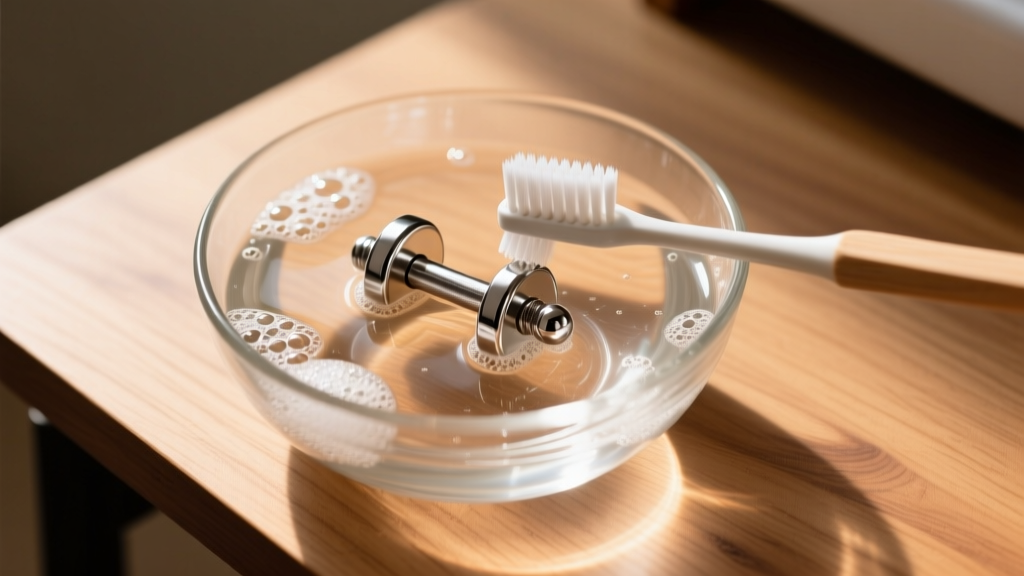
- The Soak: Mix a few drops of dish soap into a glass bowl of warm (not hot) distilled water. Drop your earring in and let it soak for 5 to 10 minutes. This softens hardened sebum and product buildup.
- The Scrub: Remove the earring and gently brush it with the baby toothbrush. Pay special attention to the backing mechanism, the threading, and the underside of gemstone settings where skin oils collect.
- The Rinse: Rinse thoroughly under a gentle stream of distilled water. Ensure all soap residue is gone, as dried soap film will make diamonds look cloudy.
- The Dry: Pat dry with a lint-free microfiber cloth. Use a hair dryer on the 'cool' setting to blow moisture out of tight crevices and screw threads before reinserting.
Sleeping, Showering, and the Gym: To Remove or Not?
The biggest debate among guys with one earring is whether to take it out for specific activities. The answer depends heavily on the jewelry's structural profile.
The Sleeper Dilemma
If your single earring is a hoop or a dangle, sleeping in it is a mechanical hazard. Hoops easily catch on pillowcases, which can tear the earlobe or bend the jewelry's post. If you refuse to take your earring out before bed, switch to a flat-back labret stud. These feature a flat titanium disc that sits flush against the back of the earlobe, eliminating snag points and providing immense comfort for side sleepers.
Shower and Gym Protocols
Showering with your earring in is generally fine, provided you rinse it thoroughly afterward to prevent shampoo and conditioner residue from caking around the post. However, the gym is a different story. Heavy sweating, combined with the friction of wiping your face with a towel, creates a breeding ground for bacteria. Furthermore, exposure to chlorinated pool water will rapidly degrade sterling silver and weaken the structural integrity of lower-karat gold alloys. If you are swimming or doing high-contact sports (like wrestling or martial arts), the earring must come out to prevent traumatic tearing.
Troubleshooting Common Single-Earring Issues
Even with meticulous care, men's ear piercings present specific mechanical and biological challenges. Here is how to troubleshoot the most common complaints.
Dealing with 'Ear Cheese' and Odor
If your single earring smells bad even after cleaning the metal, the issue is the fistula (the skin tunnel of the piercing). Dead skin cells shed inside this tunnel and accumulate. To fix this, you must clean the earlobe, not just the jewelry. Soak a cotton swab in sterile saline wound wash and gently swab the entrance and exit of the piercing hole before reinserting your clean earring. Never use rubbing alcohol on the skin, as it dries out the tissue and causes micro-cracking, which leads to more odor.
Stripped Threads and Stuck Backings
Many men opt for screw-back earrings for security, but over-tightening them with bare fingers often strips the microscopic threads. If your backing is stuck, do not use pliers, which will crush the metal. Instead, put on a pair of nitrile or latex gloves. The rubber provides immense grip, allowing you to unscrew the backing with minimal torque. To prevent future stripping, apply a microscopic dab of clear lip balm or jewelry wax to the threads before screwing the backing on.
The Loose Gemstone Rattle
If your diamond or cubic zirconia stud rattles when you tap it, the prongs have been bent outward by friction against hats, hoodies, or headphones. Stop wearing it immediately. A loose stone will fall out and be lost. Take it to a local jeweler for a 'prong tightening'—a service that usually costs less than $20 and takes five minutes.
Final Thoughts on Longevity
Wearing a single earring is an exercise in minimalist expression, but minimalism requires maximum maintenance. By understanding the specific material grade of your jewelry, committing to a weekly degreasing soak, and being mindful of how your grooming products interact with your piercing, you ensure that your earring remains a sharp, intentional accessory rather than a hygiene afterthought. Treat your jewelry with the same respect you give your watch or your boots, and it will last a lifetime.


