Ear Secrets Earrings Buying Guide: Hidden Styles & Fit
Discover the ultimate buying guide for ear secrets earrings. Learn how to choose non-pierced ear cuffs, helix wraps, and hidden jewelry for a secure fit.

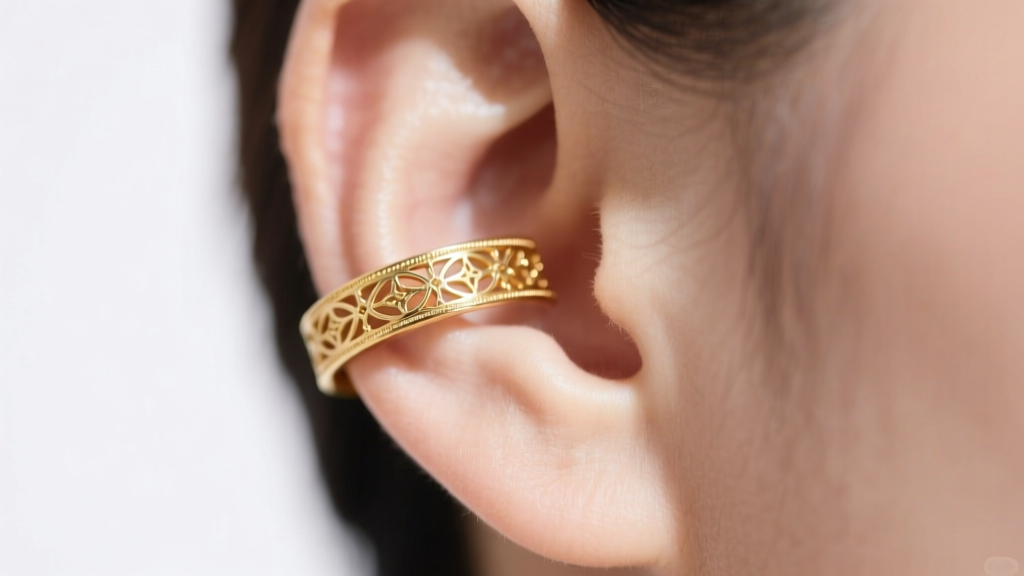
The Rise of Ear Secrets: Redefining Non-Pierced Jewelry
When we talk about 'ear secrets earrings,' we are referring to a highly specialized category of non-pierced ear jewelry designed to mimic the look of complex, multi-point cartilage piercings without the use of a needle. Unlike traditional clip-ons that painfully pinch the earlobe, modern ear secrets utilize tension-based helix wraps, scapha cuffs, and behind-the-ear climbers. As we move through 2026, the demand for these hidden, illusionary pieces has surged, driven by advancements in biocompatible metals and 3D-mapped custom fits. However, buying the right ear cuff requires a deep understanding of ear anatomy, metal memory, and tension dynamics. This comprehensive buying guide will teach you exactly what to look for to ensure your ear secrets stay secure, comfortable, and hypoallergenic.
Material Science: What Touches Your Cartilage Matters
The biggest mistake buyers make with non-pierced ear jewelry is prioritizing aesthetics over metallurgy. Because ear cuffs rely on friction and tension against the skin, the material must resist oxidation and minimize friction-induced contact dermatitis.
Top-Tier Metals for Ear Secrets
- ASTM F136 Implant-Grade Titanium: The gold standard for sensitive skin. It contains zero nickel and is incredibly lightweight, reducing the gravitational pull on the cartilage ridge.
- Niobium: Highly malleable, making it perfect for adjustable ear cuffs. It can be anodized into vibrant colors without using surface platings that might flake off over time.
- 14k or 18k Solid Gold: Excellent for luxury pieces, but ensure it is alloyed with silver or copper, not nickel. According to the American Academy of Dermatology, nickel allergies are among the most common causes of contact dermatitis, making solid, nickel-free gold essential for pieces that hug the skin tightly.
Metals to Avoid
Avoid 'Tibetan silver,' brass, and copper alloys. These base metals have a low Vickers Hardness (HV) rating, meaning they suffer from metal fatigue. If you repeatedly bend a brass ear cuff to adjust the fit, the crystalline structure of the metal will weaken and eventually snap. Furthermore, the acidic pH of your skin will cause copper-heavy alloys to oxidize, leaving a green stain along your helix ridge.
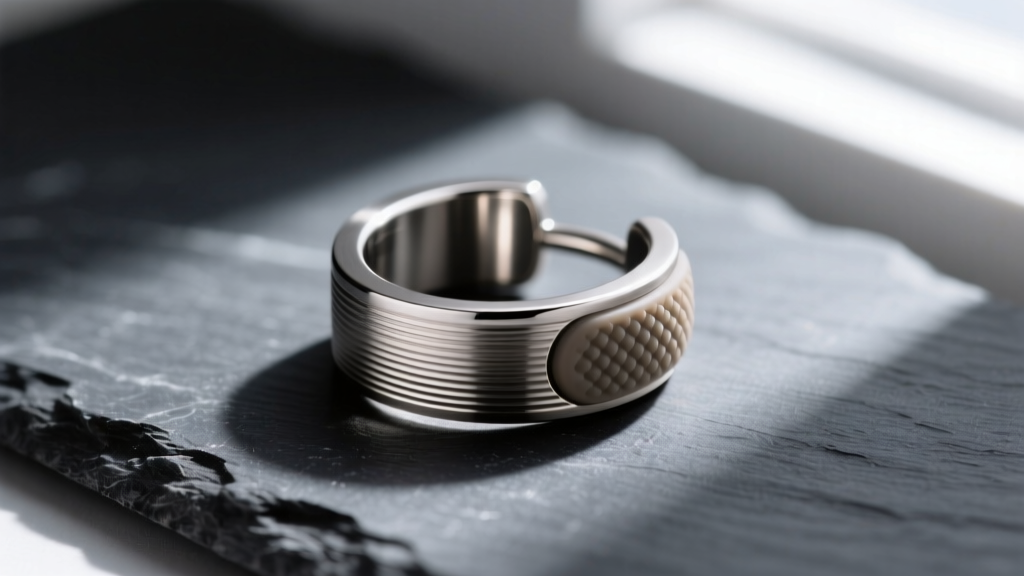
The Fit Framework: Mapping Your Ear Anatomy
Ear secrets earrings are not one-size-fits-all. To achieve a secure fit, you must match the jewelry style to your specific ear topography. The Association of Professional Piercers emphasizes that cartilage thickness varies wildly from person to person, meaning a cuff that grips one wearer perfectly will slide right off another.
Identifying Your Anchor Points
- The Helix Ridge: The outer rolled edge of the upper ear. Best for C-shaped wrap cuffs. Measure the circumference of your ridge using a flexible tailor's tape; most standard cuffs fit a 9mm to 12mm ridge.
- The Scapha: The flat, concave groove between the helix and the antihelix. 'Scapha crawlers' or chain-based ear secrets drape across this area, anchoring at the top and bottom of the groove.
- The Concha: The deep bowl of the ear. Large, statement ear secrets often use the concha as a visual backdrop, anchoring via a hidden magnetic clasp or a tension band wrapping behind the ear.
Comparison Chart: Ear Secrets Styles & Security Ratings
| Style Type | Best Placement | Security (1-5) | Adjustability | Avg. Price Range (2026) |
|---|---|---|---|---|
| Helix Wrap Cuff | Upper Outer Ridge | 4/5 | High (Bendable) | $45 - $120 |
| Scapha Chain Drape | Mid-Ear Groove | 3/5 | Medium (Hook-based) | $60 - $180 |
| Behind-the-Lobe Clip | Lower Ear / Lobule | 2/5 | Low (Fixed Tension) | $30 - $85 |
| Magnetic Concha Cuff | Inner Ear Bowl | 5/5 | None (Magnetic Lock) | $90 - $250 |
Troubleshooting: Why Your Ear Cuff Keeps Slipping
There is nothing more frustrating than losing an expensive piece of ear jewelry because it slid off while you were putting on a sweater. If your ear secrets earrings are failing to stay put, you are likely dealing with one of three mechanical failures.
1. The Tension Mismatch
If a cuff is too loose, it will slide down the tapered slope of your ear and fall. If it is too tight, it will slowly stretch the metal over the course of the day, eventually losing its grip. The Fix: Perform the 'Pinch Test.' Place the cuff on your ear and gently pinch the opening closed until you feel a firm, but painless, resistance. If using sterling silver or gold, bend the metal only once or twice. Repeated bending causes work-hardening and will snap the piece.
2. The Friction Deficit
Polished metals are inherently slippery against skin oils and sweat. The Fix: Apply a micro-dot of liquid rosin (used by violinists) to the inside of the cuff, or slip a tiny, clear silicone O-ring over the ends of the wire. This creates a high-friction rubberized barrier that locks the cuff to the cartilage without altering the metal.
3. The Snag Factor
Hair, scarves, and high-collared shirts are the natural enemies of ear secrets. The Fix: Opt for 'flush-set' designs where the gemstones or decorative elements are embedded into the metal band rather than prong-set. Prongs act as tiny hooks that will catch on passing fabrics, pulling the cuff off your ear.
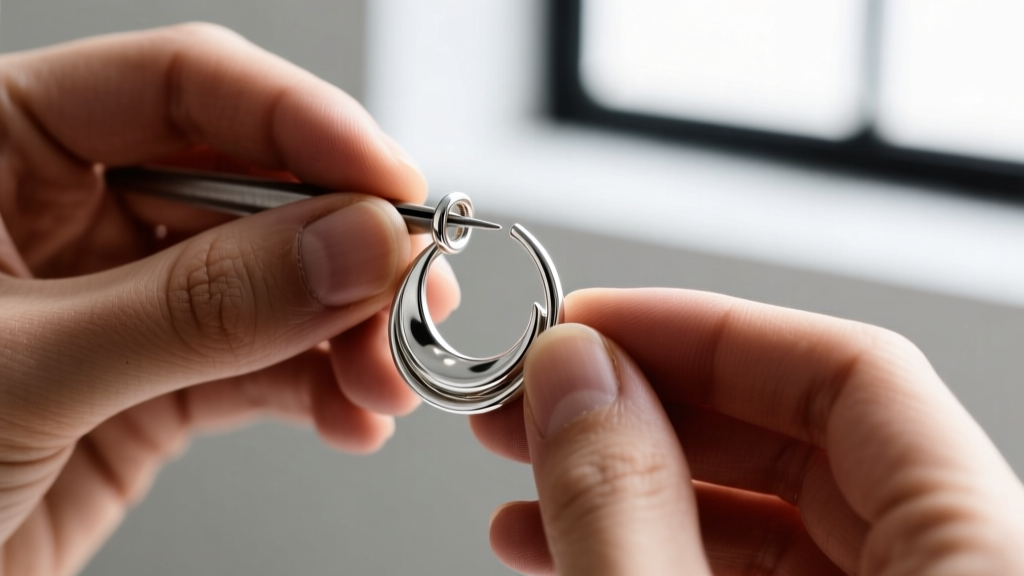
2026 Innovations: Custom-Mapped Ear Secrets
The most exciting development in the non-pierced jewelry market this year is the integration of LiDAR smartphone scanning. Several boutique jewelers now offer apps that allow you to scan your ear's topography in 3D. This data is used to CAD-design and 3D-print a bespoke ear cuff in castable wax, which is then cast in solid 14k gold. This eliminates the need for adjustable tension entirely, as the piece is mathematically contoured to lock into your specific scapha and helix ridges. While custom-mapped ear secrets command a premium price (usually starting around $300), they offer unparalleled security for active lifestyles.
Final Verdict: What to Buy
When shopping for ear secrets earrings, prioritize ASTM F136 titanium or solid 14k gold with flush-set stones. Avoid cheap, mass-produced brass cuffs that will oxidize and snap. Take the time to measure your helix ridge, and do not be afraid to use clear silicone grips to add friction. By treating your non-pierced jewelry with the same technical scrutiny as fine pierced jewelry, you can achieve a stunning, multi-piercing aesthetic with zero commitment and total comfort.


