Earring Aftercare Value Assessment: Budgeting for Safe Healing
Discover the true cost of earring aftercare. Compare budget saline sprays, ultrasonic cleaners, and pro services to protect piercings and fine jewelry.

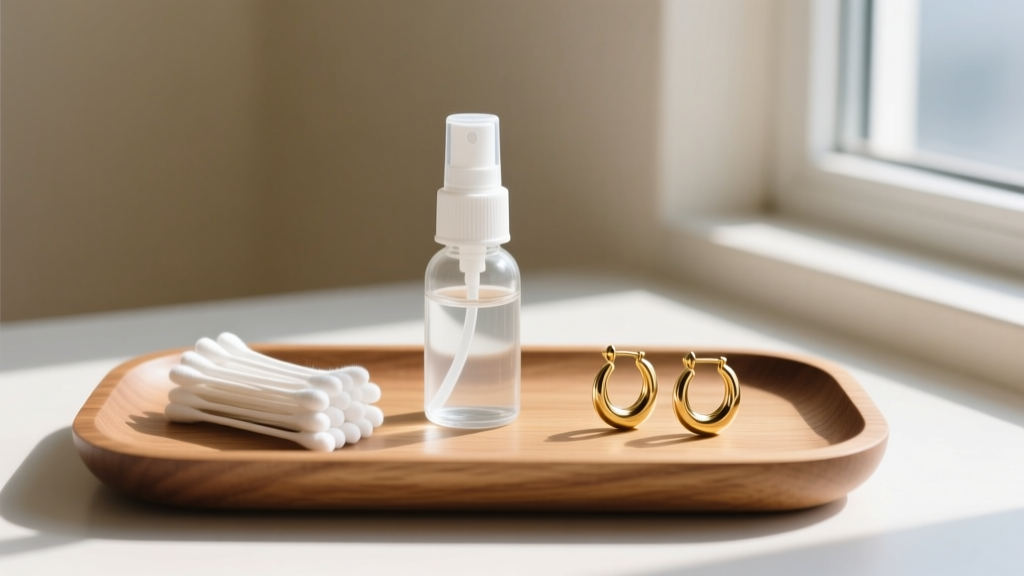
The Hidden Financial Risks of Neglecting Earring Aftercare
When budgeting for a new piercing or a pair of fine jewelry earrings, most consumers focus entirely on the upfront cost of the metal and the piercing fee. However, earring aftercare is a critical, ongoing investment that directly impacts both your physical health and the structural integrity of your jewelry. Poor aftercare is a false economy. A localized cartilage infection (perichondritis) can result in urgent care visits and prescription oral antibiotics like Ciprofloxacin, easily costing $150 to $300 out-of-pocket. Furthermore, using harsh, inappropriate DIY cleaning chemicals can degrade the alloy metals in 14k or 18k gold, leading to micro-fractures in prongs and the eventual loss of expensive gemstones.
In this value assessment, we break down the true cost of earring aftercare across three budget tiers, helping you allocate your funds toward methods that actually protect your investment while avoiding toxic, outdated 'hacks' that do more harm than good.
Tier 1: The Budget Basics (Under $15) - Sterile Saline
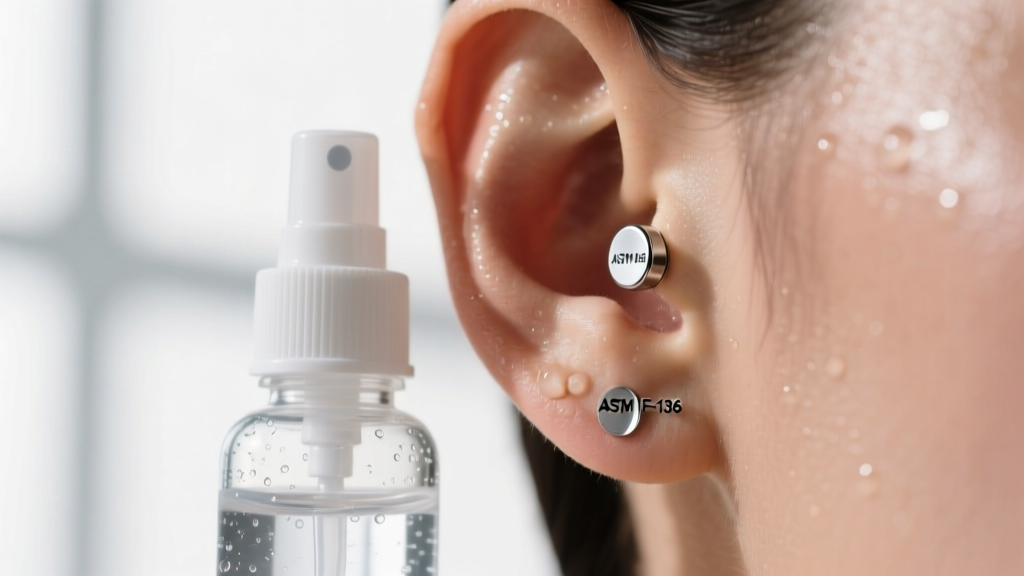
The foundation of any effective, budget-friendly earring aftercare routine for healing piercings is sterile saline. The Association of Professional Piercers (APP) strictly recommends using a sterile, 0.9% sodium chloride solution with no additives or preservatives according to their official aftercare guidelines. Products like NeilMed Piercing Aftercare or H2Ocean typically cost between $8 and $12 for a 6oz pressurized canister, yielding a cost-per-use of just pennies.
Why DIY Sea Salt Soaks Are a False Economy
Historically, piercers recommended mixing sea salt with warm tap water. Today, this is widely discouraged. Table salt contains iodine and anti-caking agents that irritate fistulas (the healing tissue tube). Even pure sea salt is difficult to measure accurately; a solution that is too hypertonic will draw moisture out of the healing cells, causing tissue cracking and delayed healing. Furthermore, tap water harbors waterborne bacteria. The $10 investment in a pressurized, sterile 0.9% isotonic saline canister eliminates these variables, offering vastly superior value and safety.
Tier 2: Mid-Range Investments ($25 - $60) - Ultrasonic Cleaners
Once your piercings are fully healed, the aftercare focus shifts from wound management to jewelry maintenance. This is especially critical for textured huggies, clicker hoops, and pavé diamond studs, which trap sebum, dead skin cells, and cosmetic residues in their hinges and crevices.
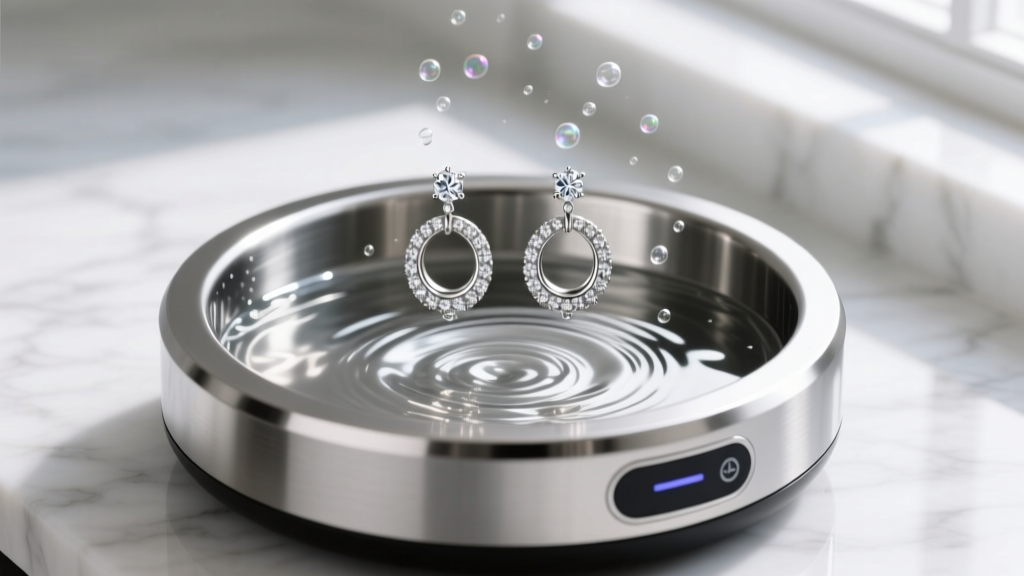
Investing in a 42kHz to 45kHz ultrasonic jewelry cleaner (such as those by Magnasonic or Blitz, priced between $30 and $55) is one of the highest-ROI purchases an earring enthusiast can make. These devices use high-frequency sound waves to create microscopic cavitation bubbles in water, effectively blasting debris out of the tight hinge mechanisms of huggie hoops without the need for aggressive scrubbing that can bend delicate posts or loosen gemstone settings.
Expert Insight: Never use ultrasonic cleaners on porous gemstones like pearls, opals, or turquoise, as the vibrations can cause internal fracturing. Stick to using them for solid gold, platinum, and diamond earrings.
Tier 3: Professional Maintenance vs. DIY Value
For fine jewelry, such as 18k gold diamond solitaire studs or platinum drop earrings, professional aftercare offers distinct advantages. Most reputable local jewelers charge between $15 and $35 for a professional ultrasonic and steam cleaning session, though many offer this complimentary if you purchased the piece from them.
The true value of the professional tier is not just the cleaning, but the structural audit. A jeweler will use a loupe to check the integrity of your earring posts, friction backs, and gemstone prongs. Catching a worn-down 14k gold post or a bent prong early can save you from losing a $2,000 diamond. For high-value pieces, scheduling a professional check-up every 12 months is a non-negotiable budget line item.
Cost vs. Value Matrix: Earring Aftercare Methods
| Aftercare Method | Initial Cost | Cost Per Use | Best Application | Risk Factor |
|---|---|---|---|---|
| Sterile 0.9% Saline Spray | $8 - $12 | < $0.10 | Healing lobe and cartilage piercings | Extremely Low |
| DIY Salt Water Soak | $2 (Salt) | < $0.01 | None (Outdated method) | High (Irritation, Infection) |
| At-Home Ultrasonic Cleaner | $30 - $55 | < $0.05 | Healed hoops, huggies, pavé studs | Low (Avoid porous gems) |
| Professional Jeweler Clean | $15 - $35 | $15 - $35 | Fine jewelry, prong checks | None |
| Rubbing Alcohol / Peroxide | $3 - $5 | < $0.05 | None (Toxic to tissue/metals) | Severe (Tissue/Metal damage) |
Material-Specific Aftercare Budgeting
The metal composition of your earrings dictates your aftercare budget and product requirements. Adjusting your routine to the specific material prevents premature degradation.
- Implant-Grade Titanium (ASTM F-136): The gold standard for fresh piercings. Titanium is highly biocompatible and corrosion-resistant. It requires only basic sterile saline during healing, keeping your aftercare budget at the absolute minimum.
- 14k and 18k Solid Gold: Gold is alloyed with metals like copper, silver, and zinc for durability. Harsh chemicals can cause these alloys to oxidize or weaken. Stick to mild, phosphate-free dish soap and warm water for routine cleaning, reserving your budget for an annual professional steam clean.
- Sterling Silver (925): Silver is prone to tarnishing when exposed to sulfur and moisture. If you wear silver earrings, budget an extra $5 to $10 for a high-quality anti-tarnish polishing cloth (like a Sunshine cloth) to maintain the finish without using abrasive liquid dips that strip the metal.
What to Avoid: The 'Free' DIY Hacks That Cost You
The most expensive earring aftercare mistakes are the ones that seem free or cheap. According to dermatological guidelines from institutions like the Mayo Clinic, applying household astringents to piercings or jewelry is highly detrimental. Rubbing alcohol and hydrogen peroxide destroy the newly formed, fragile cells in a healing fistula, effectively resetting the healing clock and increasing the risk of hypertrophic scarring.
Similarly, tea tree oil—a popular internet 'hack' for piercing bumps—is highly concentrated and can cause severe contact dermatitis when applied undiluted to the sensitive skin of the earlobe or cartilage. Furthermore, essential oils can degrade the protective rhodium plating on white gold earrings, forcing you to pay $40 to $75 for a re-plating service far earlier than necessary.
Final Verdict: Where to Spend and Where to Save
When assessing the budget and value of earring aftercare, the rule of thumb is to save on daily liquids but spend on tools and professional audits. Do not waste money on branded 'healing gels' or essential oil blends; a $10 canister of sterile saline is medically superior. Conversely, do not hesitate to spend $40 on a quality ultrasonic cleaner for your healed jewelry collection, and always budget for an annual professional inspection of your fine jewelry prongs and posts. Proper earring aftercare is not just about hygiene; it is an active strategy for asset preservation.


