Expert Guide to Cleaning and Maintaining LED Earrings
Learn how to safely clean and maintain LED earrings. Discover expert tips on battery care, waterproofing, and sanitizing light-up jewelry without damage.

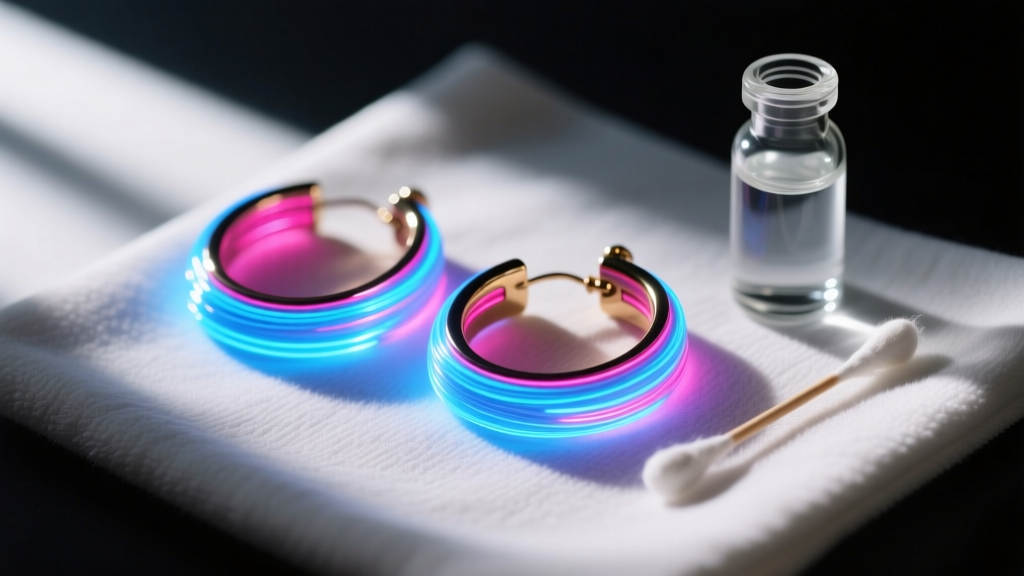
The rise of tech-infused fashion has made LED earrings a staple in festival wear, cyberpunk aesthetics, and modern nightlife. However, as we move through 2026, the integration of micro-SMD (Surface Mount Device) lighting, fiber-optic strands, and magnetic charging docks has made these accessories far more complex than a standard gold stud. Cleaning light-up jewelry requires a fundamental shift in mindset: you are no longer just polishing metal; you are maintaining a micro-electronic device.
According to the FDA LED Products Guidelines, wearable electronics must meet specific safety standards, but they are rarely designed to withstand traditional jewelry cleaning chemicals. This comprehensive guide will walk you through the exact protocols for sanitizing, maintaining, and extending the lifespan of your LED earrings without frying the circuitry.
The Anatomy of LED Earrings: What You Are Actually Cleaning
To clean LED earrings safely, you must understand their construction. Modern light-up earrings typically consist of three distinct zones, each requiring a different approach:
- The Housing: Usually made from PMMA (acrylic), polycarbonate, or medical-grade silicone. These materials house the light diffusers and fiber-optic cores.
- The Circuitry: Micro-SMD LEDs soldered to flexible PCBs (printed circuit boards), often powered by CR927 or LR44 coin cell batteries, or via neodymium magnetic charging pins.
- The Ear Contact Points: The posts or hooks that pierce the skin, typically crafted from 316L surgical steel, titanium, or gold-plated brass.
Treating the acrylic housing with the same chemical dip you use for sterling silver will result in immediate stress cracking and permanent clouding. Similarly, exposing the battery compartment to liquid solutions will short-circuit the power supply.
Why Traditional Jewelry Cleaning Methods Destroy Tech Jewelry
If you own an ultrasonic jewelry cleaner, keep it far away from your LED collection. Ultrasonic cleaners operate by generating high-frequency sound waves (typically around 40,000 Hz) in a liquid bath, creating microscopic cavitation bubbles. While this is excellent for blasting dirt out of diamond prongs, the intense localized shockwaves will instantly snap the microscopic wire bonds inside SMD LEDs and fracture the delicate solder pads connecting the battery terminals.
Expert Warning: Never use ammonia-based cleaners, silver polish, or ultrasonic baths on LED earrings. The Jewelers of America explicitly advises against using harsh chemical dips on any jewelry containing porous stones or electronic components, as these solvents degrade adhesives and cloud synthetic diffusers.
Step-by-Step Sanitization Protocol for Light-Up Earrings
Follow this precise, three-step protocol to ensure your earrings remain hygienic and fully functional.
Step 1: Isolate the Power Source
Before applying any moisture, power down the earrings. If they use removable coin cell batteries, pop the battery hatch and remove the cells. If your 2026 model features a sealed, rechargeable LiPo battery with magnetic charging pins, ensure the device is powered off and disconnected from its dock.
Step 2: Sanitize the Ear Posts and Hooks
The metal components that touch your skin accumulate sebum, dead skin cells, and bacteria. Dampen a cotton swab with 91% or 99% isopropyl alcohol (IPA). Thoroughly wipe the surgical steel or titanium posts. IPA evaporates rapidly, minimizing the risk of liquid seeping into the adjacent electronic housing. Avoid using rubbing alcohol that contains added moisturizers or scents, as these leave a residue that can clog micro-crevices.
Step 3: Polish the LED Housing
For the acrylic or silicone light diffusers, use a dry, clean microfiber cloth to buff away fingerprints and cosmetic dust. If there is stubborn makeup or hairspray buildup, slightly dampen a corner of the cloth with distilled water and a microscopic drop of mild, fragrance-free dish soap. Wipe the surface gently and immediately dry it with the dry side of the cloth.
Battery Maintenance: Preventing the Silent Killer
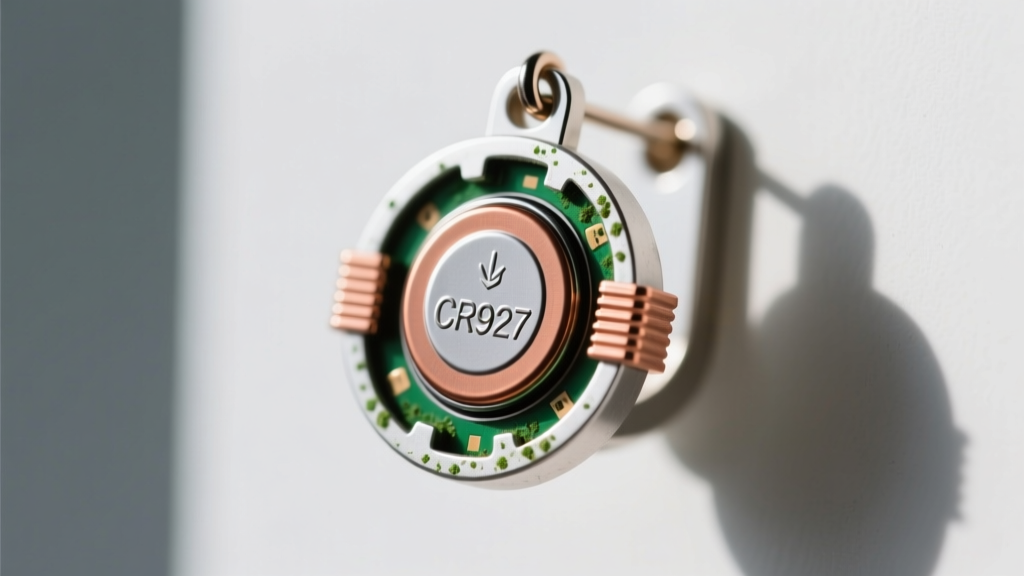
The most common cause of death for LED earrings is not physical damage, but battery leakage. Alkaline coin cells (like the LR44) contain potassium hydroxide, a caustic electrolyte that can leak out and crystallize on the copper contact pins, forming a high-resistance green or white crust.
How to fix corroded contacts:
- Remove the leaked battery and dispose of it properly.
- Dip a fiberglass scratch pen or a wooden toothpick in a tiny amount of white vinegar (a weak acid that neutralizes the alkaline leak).
- Gently scrape the corrosion off the copper contacts.
- Wipe the area with a dry swab, followed by a swab lightly dampened with 99% IPA to displace any remaining moisture.
- Pro Tip: Switch to lithium coin cells (like the CR927) where possible, as they are far less prone to leaking and offer a more stable voltage curve for brighter LED output.
Chemical Compatibility Chart for Tech-Infused Jewelry
Use this reference table to ensure you never accidentally ruin your wearable tech:
| Cleaning Agent | Acrylic/Silicone Housing | Metal Ear Posts | Internal Circuitry |
|---|---|---|---|
| 99% Isopropyl Alcohol | Safe (Quick Wipe) | Highly Recommended | Safe (If Powered Off) |
| Ultrasonic Cleaner | Unsafe (Causes Clouding) | Safe | Fatal (Shatters Solder) |
| Ammonia / Silver Dip | Fatal (Stress Cracking) | Safe for Silver | Fatal (Corrodes Traces) |
| Mild Soap & Distilled Water | Safe (Damp Cloth Only) | Safe | Fatal (Short Circuit) |
| Hydrogen Peroxide | Unsafe (Degrades Silicone) | Safe | Unsafe (Oxidizes Pins) |
Waterproofing and IP Ratings Explained
Many LED earrings marketed for festivals claim to be 'waterproof,' but understanding Ingress Protection (IP) ratings is crucial for maintenance. Most fashion-forward LED earrings carry an IPX4 rating, meaning they are splash-proof against sweat and light rain, but cannot withstand submersion. High-end, specialized tech-wear pieces might feature an IPX7 rating, sealed with silicone O-rings and nano-coated PCBs.
Even with IPX7 ratings, the extreme heat and chemical environment of a swimming pool (chlorine) or a hot tub (bromine and high heat) will degrade the silicone gaskets over time, compromising the seal. Always rinse IPX7-rated earrings with fresh distilled water after exposure to sweat or humidity, and let them air-dry completely before charging.
Proper Storage for Micro-Electronics
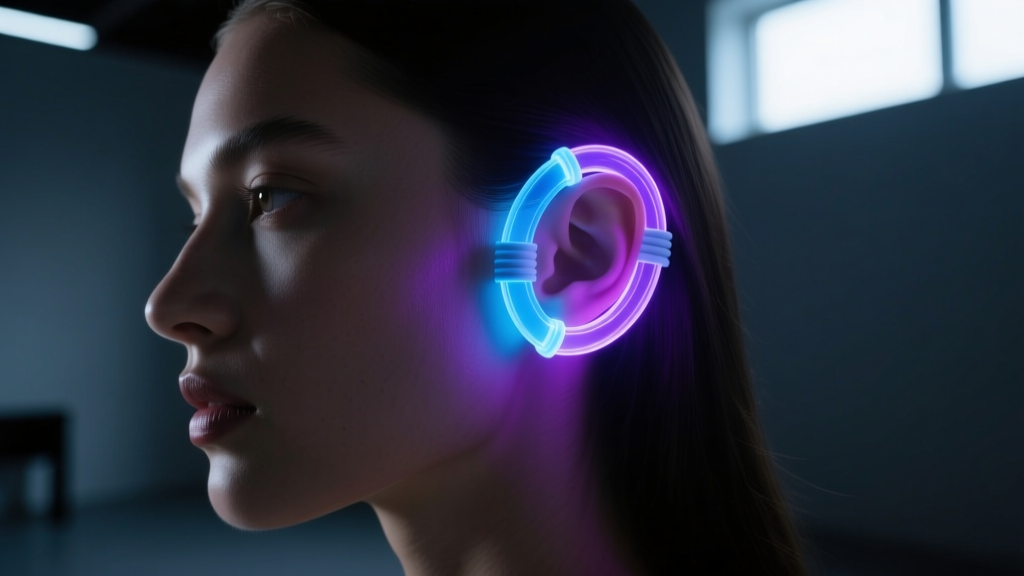
How you store your LED earrings when not in use dictates their long-term viability.
- Remove the Batteries: If you are storing coin-cell LED earrings for more than two weeks, remove the batteries. Parasitic drain can kill the cells, leading to leaks.
- Use Anti-Static Bags: Store the earrings in the anti-static mylar bags they shipped in. This protects the micro-SMDs from electrostatic discharge (ESD) shocks, which can silently kill an LED diode.
- Control Humidity: Drop a small silica gel desiccant packet into your jewelry box to prevent ambient moisture from oxidizing the magnetic charging pins or battery contacts.
By treating your LED earrings as sophisticated electronic devices rather than mere costume jewelry, you ensure they remain brilliantly illuminated and perfectly hygienic for every event. Proper maintenance bridges the gap between fleeting novelty and lasting wearable art.


