Earring Hole Hurts? The Ultimate Buying Guide for Sensitive Ears
Discover why your earring hole hurts and what to buy for sensitive piercings. Expert guide on hypoallergenic metals, gauges, and earring backs.

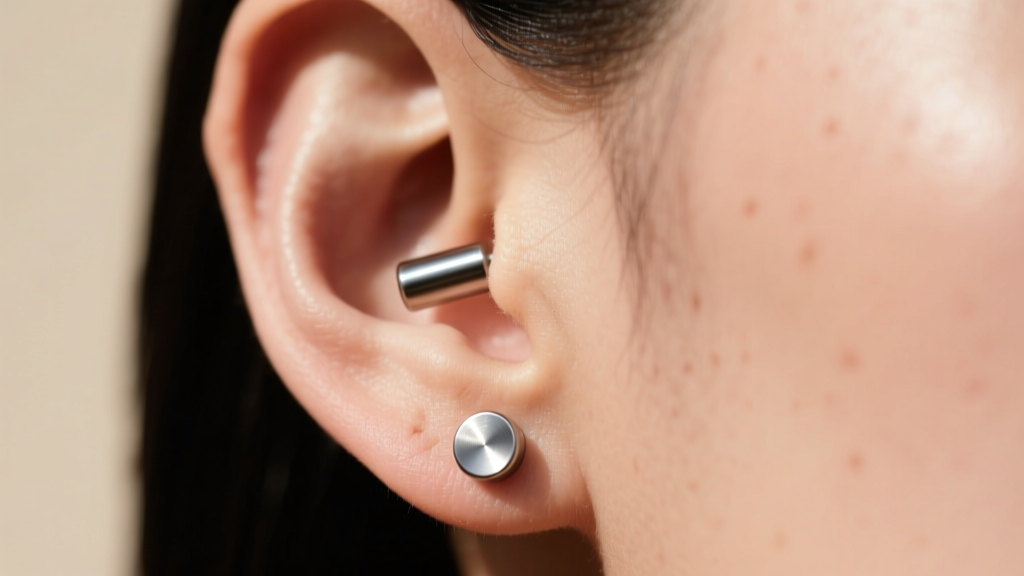
There are few things more frustrating in the world of jewelry than slipping on your favorite studs, only to be met with a sharp, throbbing ache. If your earring hole hurts, it is not just a fleeting annoyance; it is your body’s physiological alarm system signaling that something in your jewelry selection is fundamentally incompatible with your anatomy. Whether you are dealing with a fresh piercing that refuses to settle, or a decades-old lobe piercing that suddenly feels tender, the pain usually traces back to three culprits: metallurgical allergies, mechanical trauma, or bacterial trapping.
As a buyer, navigating the jewelry market when you have sensitive or angry piercings requires moving beyond aesthetic choices and diving into the science of biocompatibility. This comprehensive buying guide will decode the root causes of piercing pain and provide exact specifications on what to look for—and what to strictly avoid—when shopping for your next pair of earrings.
Decoding the Pain: Why Your Earring Hole Hurts
Before you can buy the right solution, you must accurately diagnose the problem. Piercing pain generally falls into three distinct clinical categories:
- Allergic Contact Dermatitis: This is an immune response to specific metals, most commonly nickel. Symptoms include itching, flaking, localized heat, and a clear or yellowish weeping fluid. According to the American Academy of Dermatology, nickel allergy is one of the most common causes of allergic contact dermatitis, affecting roughly 10% to 20% of the population.
- Mechanical Irritation (Trauma): This occurs when the jewelry physically damages the fistula (the skin tube of the piercing). It is often caused by wearing earrings that are too heavy for their wire thickness, sleeping on large hoop earrings, or using posts with sharp threading that micro-tears the tissue upon insertion.
- Pressure Necrosis and Bacterial Trapping: Traditional 'butterfly' friction backs clamp tightly against the earlobe, restricting blood flow and creating a dark, moist environment where dead skin cells, sebum, and bacteria accumulate. This leads to a tender, foul-smelling, and swollen piercing channel.
The Metallurgy of Comfort: Materials to Look For
When your earring hole hurts, the first variable to eliminate is the metal alloy. The term 'hypoallergenic' is largely an unregulated marketing buzzword. Instead, you must look for specific, verifiable material grades. The Association of Professional Piercers (APP) sets the gold standard for body-safe jewelry, and their guidelines should dictate your purchasing decisions.
| Material | Industry Standard | Nickel Content | Best Use Case |
|---|---|---|---|
| Implant-Grade Titanium | ASTM F-136 (Ti 6Al-4V) | 0% | Angry, allergic, or healing piercings. The absolute best choice for pain relief. |
| Niobium | Elemental Metal | 0% | Cartilage piercings and hoop transitions. Highly malleable and biocompatible. |
| 14k or 18k Solid Gold | Appropriate Alloying | Varies (Must be nickel-free) | Healed, sensitive lobes. Ensure it is alloyed with silver or palladium, not nickel. |
| 'Surgical' Steel | ASTM F-138 (Sometimes) | 8% - 12% | Avoid. Despite the name, it contains enough nickel to trigger severe reactions. |
| Sterling Silver | 925 Silver | Varies (Often contains copper/nickel) | Avoid for irritated holes. Silver oxidizes and can cause argyria (permanent skin staining). |
Post Anatomy and Gauge Sizing: The Hidden Culprits
Even if you buy pure, implant-grade titanium, your earring hole will still hurt if the physical geometry of the jewelry is flawed. Two major structural issues plague commercial earrings: external threading and improper gauge-to-weight ratios.
The Danger of External Threading
Cheap earrings feature 'external threading,' where the screw pattern is carved directly into the post that passes through your ear. Every time you insert or remove the earring, those microscopic metal ridges act like a file, scraping and tearing the delicate fistula lining. Always look for internally threaded jewelry (where the screw is on the backing, and the post is smooth) or, even better, threadless (press-fit) jewelry, which uses tension to stay in place without any screwing mechanism.
The 'Cheese-Cutter' Effect
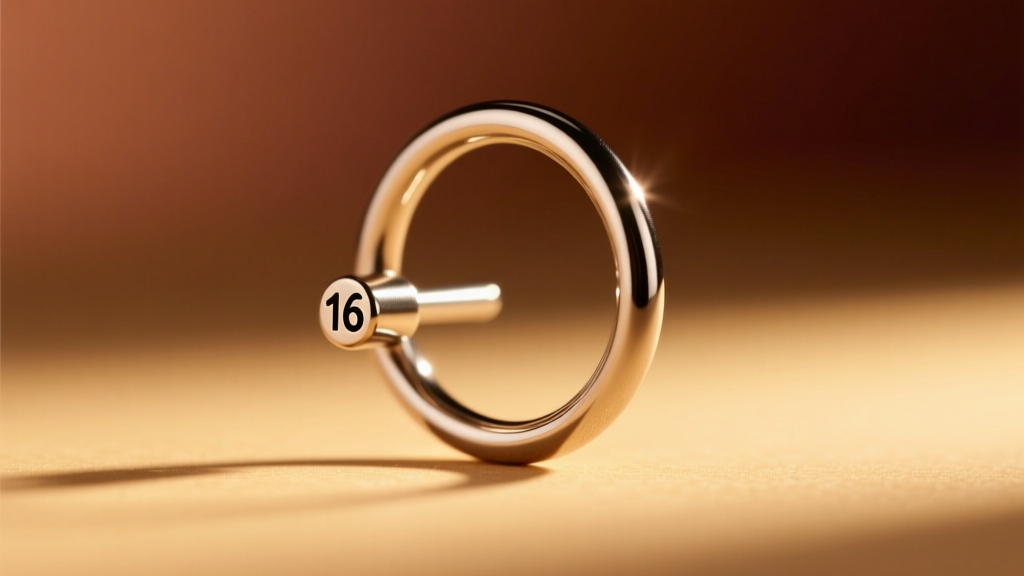
Gauge refers to the thickness of the earring post. Standard commercial lobe earrings are often 20-gauge (0.81mm) or even 22-gauge (0.64mm). If you hang a heavy gemstone or a large hoop from a 20-gauge wire, the immense downward pressure on such a thin surface area will cause the wire to slowly slice through your earlobe tissue—exactly like a wire cheese cutter.
Buying Rule of Thumb: If you are buying heavy dangles or large hoops, ensure the post or wire is at least 18-gauge (1.02mm) for lobes, and 16-gauge (1.29mm) for cartilage. If your piercing was done with a standard 16-gauge needle, wearing a thin 20-gauge earring can also cause irritation bumps because the jewelry moves too freely inside the wider channel, creating friction.
What to Buy When Your Piercing is Actively Hurting
If your piercing is currently inflamed, tender, or weeping, you need to strip away all decorative complexity and focus entirely on therapeutic jewelry. Here is exactly what you should add to your cart:
- Flat-Back Labrets (Threadless): Unlike butterfly backs that dig into the neck, a flat-back labret features a smooth, flat disc that sits flush against the back of the ear. This distributes pressure evenly, eliminates bacterial trapping, and allows you to sleep comfortably. Look for brands that offer customizable post lengths (e.g., 6mm, 8mm, 10mm) so you can accommodate any current swelling.
- Borosilicate Glass Retainers: If your ear is rejecting metal entirely due to a severe flare-up, glass is the ultimate neutral material. Borosilicate glass is completely inert, non-porous, and can be sterilized in an autoclave. It is the perfect temporary placeholder to keep the hole open while the tissue heals.
- Continuous Ring Hoops (Seamless): For cartilage piercings that hurt due to the angle of the piercing channel, straight posts might create pressure. A seamless continuous ring made of niobium or implant-grade titanium allows the jewelry to follow the natural curvature of the fistula without putting torque on the entry and exit points.
'When a patient presents with chronic piercing irritation, the first step is always to evaluate the jewelry's footprint and finish. Mirror-polished, implant-grade titanium with a flat backing resolves the vast majority of non-infectious piercing complaints.' — Insights derived from professional body modification and dermatological triage standards.
A Step-by-Step Triage Guide for Angry Piercings
Buying the right jewelry is only half the battle. When your earring hole hurts, you must implement a strict, minimalist aftercare protocol to allow the tissue to recover.
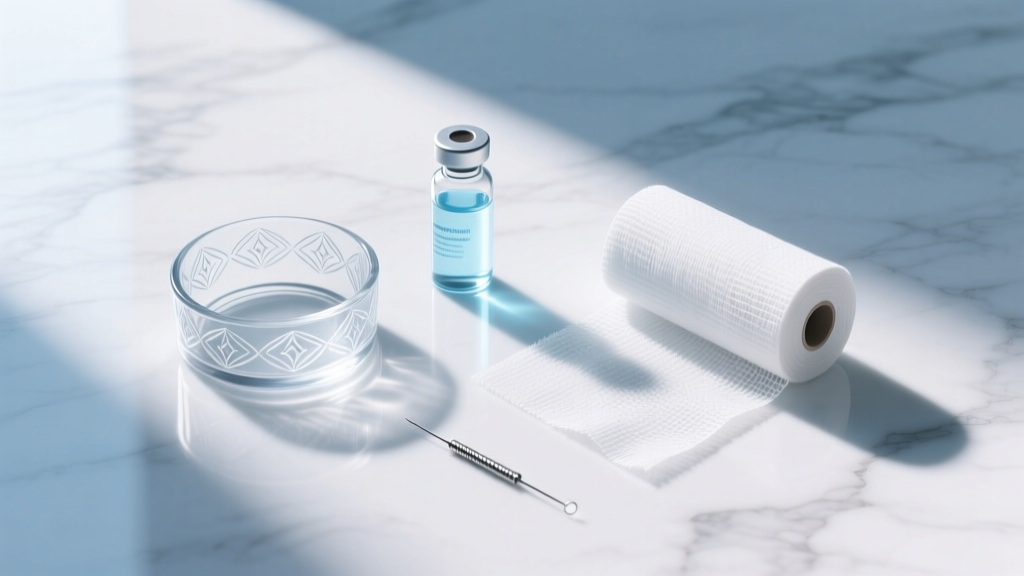
- Step 1: The Saline Flush. Purchase a can of sterile 0.9% sodium chloride wound wash. It must contain only purified water and sodium chloride—no preservatives, no aloe, no tea tree oil. Spray it directly onto the piercing twice a day.
- Step 2: The Gauze Dry. Never use cotton swabs or tissue paper, as they leave microscopic fibers tangled in the jewelry, which act as irritants. Instead, gently pat the area dry with non-woven gauze.
- Step 3: The LITHA Method. 'Leave It The Hell Alone.' Stop twisting the earring. Stop checking the back. Stop applying over-the-counter antibiotic ointments (like Neosporin), which block oxygen flow to the fistula and trap bacteria. As noted by the Mayo Clinic, avoiding irritants and keeping the area clean and dry is the cornerstone of managing contact dermatitis and minor skin trauma.
- Step 4: Downsize if Necessary. If you are wearing a flat-back labret and the post is longer than the thickness of your earlobe, the excess metal will catch on hair and clothing, causing repetitive trauma. Visit a professional piercer to have the post downsized to a snugger fit once the initial swelling has subsided.
Final Thoughts on Long-Term Piercing Health
An earring hole that hurts is not a life sentence to giving up jewelry; it is simply a demand for higher quality. By abandoning porous, nickel-laden fashion jewelry in favor of ASTM-certified implant-grade titanium, threadless mechanics, and anatomically correct gauge sizes, you can transform an angry, aching piercing into a comfortable, lifelong canvas for self-expression. The next time you shop for earrings, read the material specifications before you look at the gemstones—your anatomy will thank you.


