Troubleshooting Cute Pearl Earrings: How to Fix, Clean, and Restore
Learn how to troubleshoot, clean, and repair your favorite cute pearl earrings. Expert tips on fixing loose posts, restoring nacre, and preventing loss.

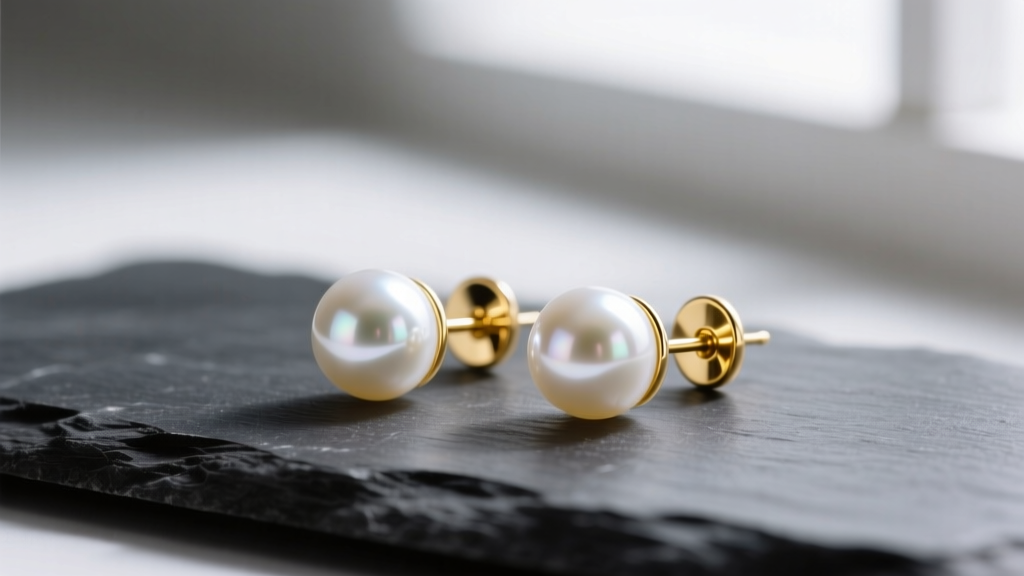
There is nothing quite as timeless as a pair of cute pearl earrings. Whether they are classic Akoya studs, playful freshwater drops, or modern baroque hoops, pearls bring an effortless elegance to any jewelry box. However, because pearls are organic gemstones, they are uniquely vulnerable to environmental damage, chemical exposure, and hardware failures. If your favorite pair has lost its luster, developed a yellowish tint, or suffered a broken post, do not panic.
This comprehensive troubleshooting guide will walk you through the exact steps to diagnose, clean, and repair your pearl jewelry, ensuring they remain a staple in your collection for decades to come.
The Chemistry of Nacre: Why Your Pearls Are Dulling
Unlike diamonds or sapphires, which rank high on the Mohs hardness scale, pearls are composed of calcium carbonate and an organic protein called conchiolin. Ranking between 2.5 and 4.5 on the Mohs scale, nacre is highly susceptible to acidic degradation. When you wear cute pearl earrings daily, they are exposed to the natural acids in your sweat, as well as the alkaline compounds found in hairsprays, perfumes, and lotions.
Over time, these chemicals eat away at the conchiolin, leading to a loss of orient (the iridescent glow) and a chalky, dull appearance. According to the Gemological Institute of America (GIA), the golden rule of pearl care is 'last on, first off.' Always put your earrings on after applying cosmetics, and wipe them down with a soft, lint-free microfiber cloth immediately after taking them off.
Troubleshooting Hardware Failures: Loose Posts and Spinning Pearls
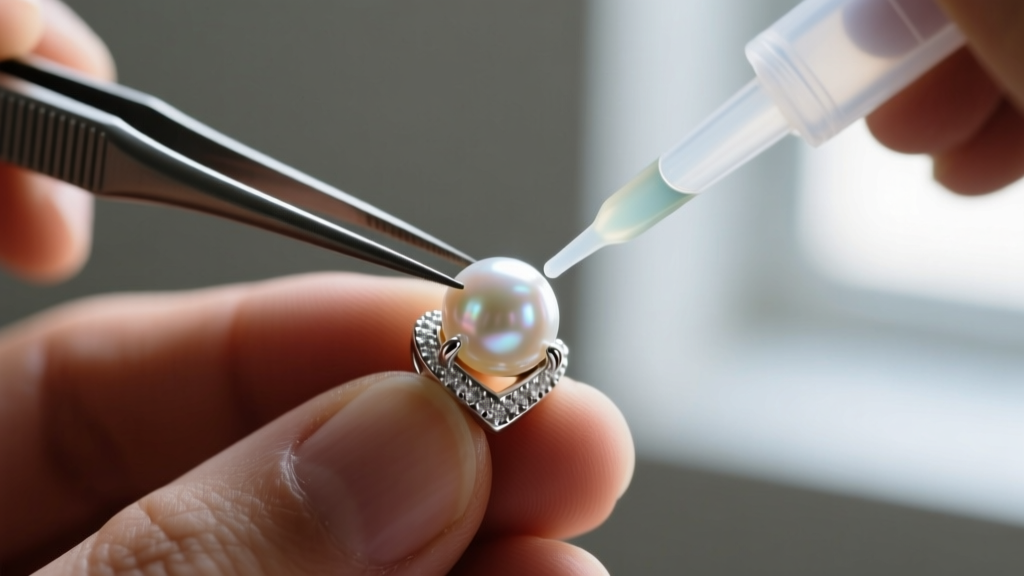
One of the most frustrating issues with pearl studs is the 'spinning pearl' or, worse, the pearl popping off the post entirely. This usually happens when the adhesive bonding the pearl to the metal cup (or peg) degrades due to heat, moisture, or improper glue selection.
Why Superglue is the Enemy of Pearls
Many DIYers reach for cyanoacrylate (superglue) to fix a loose pearl. This is a critical mistake. Cyanoacrylate cures brittle, meaning any minor impact will shatter the bond. Furthermore, the fumes released during the curing process can permanently cloud the nacre, leaving a white, frosty ring around the base of your pearl.
The Professional Re-Gluing Method
To properly reattach a pearl to a standard 20-gauge (0.81mm) or 18-gauge (1.02mm) earring post, you need a flexible, jewelry-grade adhesive. Two-part jeweler's epoxy (like Devcon 5-Minute Epoxy) or G-S Hypo Cement are the industry standards.
- Prep the Surface: Use a wooden toothpick dipped in 99% isopropyl alcohol to clean out the pearl's drill hole and the metal post. Remove all old, flaking glue.
- Rough the Post: Lightly score the metal post or cup with fine-grit sandpaper to give the epoxy a mechanical grip.
- Mix and Apply: Mix your two-part epoxy thoroughly. Apply a microscopic amount to the post—too much will squeeze out and stain the nacre.
- Seat and Cure: Press the pearl onto the post, twisting slightly to distribute the glue. Wipe away any excess immediately with an alcohol-dampened cotton swab. Let it cure undisturbed for 24 hours.
Safely Restoring Yellowed or Dirty Pearls
If your cute pearl earrings have taken on a yellowish hue or accumulated grime in the crevices of a baroque shape, you must clean them without stripping the nacre. Never use ultrasonic cleaners, steam cleaners, or commercial silver dips. The high-frequency vibrations of an ultrasonic cleaner can literally shatter a pearl or cause the nacre to peel away from the bead nucleus.
| Cleaning Agent | Effect on Pearl Nacre | Verdict |
|---|---|---|
| Ultrasonic Cleaners | Vibrations cause micro-fractures and nacre peeling. | NEVER USE |
| Ammonia / Bleach | Dissolves calcium carbonate, destroying the pearl. | NEVER USE |
| Mild Castile Soap | Safely lifts oils and cosmetic residue. | HIGHLY RECOMMENDED |
| Olive Oil | Can condition dried nacre but attracts dust. | USE WITH CAUTION |
For routine cleaning, mix a few drops of pH-neutral Castile soap into lukewarm distilled water. Dampen a soft cotton cloth (do not soak it) and gently wipe the pearls. As noted by Jewelers of America, avoiding harsh chemicals and excessive moisture is paramount to preserving the structural integrity of organic gems. Allow them to air dry completely on a soft towel before storing.
For stubborn grime trapped near the earring cup or backing, use a soft-bristled baby toothbrush. Dip the brush lightly into your soapy distilled water mixture and gently agitate the area where the metal meets the nacre. Never scrub the surface of the pearl itself, as even soft bristles can leave micro-scratches on lower-grade freshwater pearls with thinner nacre layers. Rinse the brush in clean distilled water and gently dab the area to lift the soap residue.
Upgrading Backings to Prevent Loss and Allergic Reactions
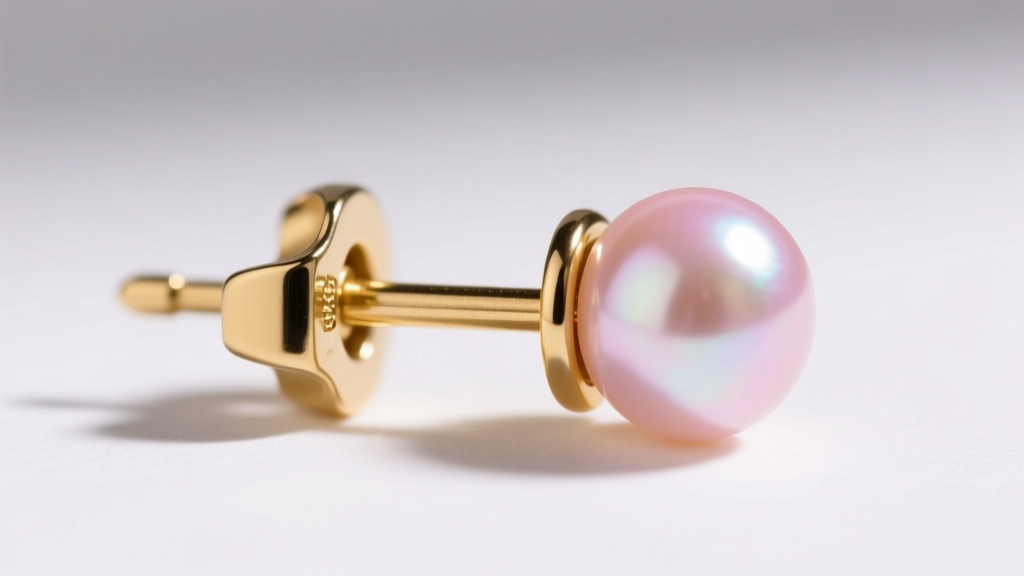
Losing a beloved earring is a heartbreak easily prevented by upgrading your hardware. Standard butterfly friction backs rely on tension, which weakens over time as the metal fatigues. If your cute pearl earrings feature valuable Akoya or South Sea pearls, rely on secure locking mechanisms.
- La Pousette Backs: These feature a mechanical locking mechanism that clicks into a grooved earring post. They are the gold standard for high-value studs and prevent accidental loss during sleep or wardrobe changes.
- Silicone O-Rings: For a budget-friendly, high-friction alternative, slide a small medical-grade silicone O-ring behind your standard metal clutch. This creates a vacuum seal against the post.
- Screw Backs: Ideal for 18-gauge posts, these require you to thread the backing onto the post. While secure, they can strip if cross-threaded.
Allergy Troubleshooting: If your earlobes become itchy or red, the issue is rarely the pearl itself, but the nickel content in cheap alloy posts or backings. Upgrade your hardware to 14k/18k solid gold, platinum, or ASTM F136 implant-grade titanium to eliminate contact dermatitis.
Storage Troubleshooting: Preventing Dehydration and Scratching
How you store your cute pearl earrings when they are not being worn is just as critical as how you clean them. Pearls contain trace amounts of water within their conchiolin matrix. Storing them in airtight plastic bags or safety deposit boxes without ambient humidity can cause the pearls to dehydrate, leading to surface crazing (micro-cracks) and eventual peeling.
Furthermore, storing pearls in a communal jewelry box alongside diamond or sapphire rings is a recipe for disaster. Because pearls are exceptionally soft (Mohs 2.5-4.5), harder gemstones and metal prongs will easily gouge and scratch the nacre. Always store your pearl earrings in a dedicated, breathable silk or soft cotton pouch. If you live in an extremely dry climate, occasionally leaving a damp (not wet) cotton ball in the room's ambient environment—or wearing the pearls regularly so they absorb natural skin oils—will keep the nacre supple and luminous.
When to Seek Professional Jewelry Repair
While re-gluing and surface cleaning are safe DIY endeavors, certain failures require a master jeweler. If the metal post has snapped off flush with the pearl's drill hole, attempting to drill it out yourself will almost certainly result in 'nacre blowout'—chipping the delicate edges of the drill hole. A jeweler will use a specialized micro-drill and a lubricated setting bur to safely extract the broken metal and solder a new post to the cup. Expect to pay between $35 and $85 for professional pearl re-tipping and re-gluing, a small price to pay to salvage a cherished pair of earrings.
'Pearls are living gemstones that require a symbiotic relationship with their wearer. Proper troubleshooting and mindful maintenance will ensure your pearls outlive the fleeting trends of the season.'


