Earring and Cuff Gift Guide 2026: Occasion Matching
Discover the ultimate 2026 earring and cuff gift guide. Learn how to match styles to occasions, choose hypoallergenic metals, and nail the perfect fit.

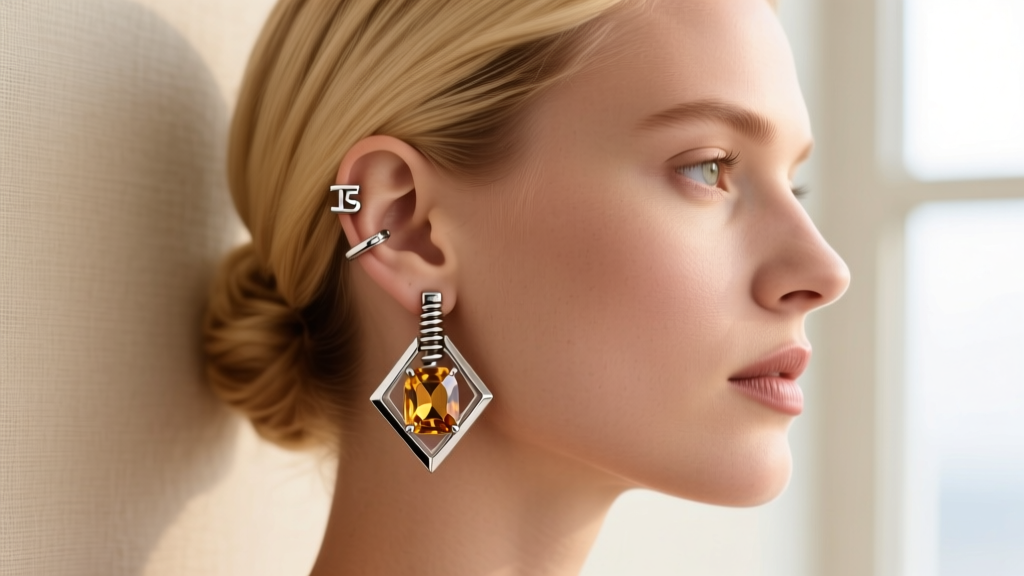
Gifting fine jewelry is an exercise in personalization, and as we navigate the 2026 gifting season, the traditional single stud has been eclipsed by a more dynamic trend: the curated ear stack. Specifically, the earring and cuff combination has emerged as the ultimate gift for both the heavily pierced enthusiast and the non-pierced minimalist. By pairing a classic lobe earring with a tension-fit cartilage cuff, you offer the recipient the illusion of a complex, multi-piercing aesthetic without the commitment of a needle. However, gifting an earring and cuff set requires a nuanced understanding of anatomy, metallurgy, and occasion-specific styling. This comprehensive guide will equip you with the exact specifications, material grades, and sizing frameworks needed to select a flawless earring and cuff gift this year.
Why the Earring and Cuff Combo Dominates 2026 Gifting
The appeal of the earring and cuff pairing lies in its versatility. According to market trends analyzed by the Jewelers of America, consumers are increasingly seeking modular jewelry that allows for daily expression. An earring and cuff set bridges the gap between fine jewelry and fashion accessories. For the recipient, it provides an instant "ear curation" look. For the gifter, it eliminates the anxiety of guessing the recipient's exact cartilage piercing gauge or healing status, as high-quality ear cuffs require no piercing at all. When anchored by a timeless lobe earring, the cuff adds an edge of modernity that feels both intentional and effortlessly chic.
Material Science: Choosing Metals That Won't Tarnish
When gifting an earring and cuff set, the metallurgical composition is non-negotiable. The cartilage area of the ear is highly vascular and sensitive to allergic reactions. Avoid gold-plated brass or nickel-alloy bases at all costs; the failure mode here is rapid vermeil degradation, where sweat and perfume break down the thin gold layer, exposing the base metal and causing severe contact dermatitis.
The Gold Standard: 14k vs. 18k Solid Gold
For lobe earrings, 14k solid gold (58.5% pure gold) is often preferred for its structural rigidity, especially for thin posts and delicate huggies. However, for the cuff component, 18k solid gold (75% pure gold) offers a richer, warmer hue that resists tarnishing beautifully. Be aware that 18k gold is softer; a cuff made entirely of 18k gold may lose its tension grip over time if repeatedly bent to adjust the fit.
The Hypoallergenic Hero: Implant-Grade Titanium
If your recipient has known metal sensitivities, pivot to implant-grade titanium. Specifically, look for ASTM F136 compliance, the standard set by ASTM International for surgical implants. Titanium cuffs are incredibly lightweight, meaning they won't drag down the ear, and they possess excellent "memory," allowing them to retain their tension grip far better than high-karat gold.
Anatomy of the Perfect Earring and Cuff Set
To ensure your gift feels cohesive, the earring and cuff must share design language—whether that is a matching gemstone cut, a unified metal finish (e.g., brushed vs. high-polish), or a complementary geometric theme. Let us break down the technical specifications you should look for on the product description.
- Lobe Earring Gauge: Standard lobe piercings are typically 20g (0.81mm) or 18g (1.02mm). Gifting a 20g post is universally safe, but if the recipient frequently wears heavier statement pieces, their lobes may be stretched to 16g (1.29mm). A 20g post in a 16g hole can cause the "cheese cutter" effect, where the thin wire migrates through the tissue.
- Cuff Wire Thickness: A high-quality ear cuff should be crafted from 16g (1.29mm) or 14g (1.63mm) wire. Anything thinner (like 20g) will easily bend out of shape and fall off the ear, while anything thicker will look bulky and feel heavy on the delicate helix rim.
- Backing Mechanisms: For the lobe earring, opt for secure screw-backs or silicone O-rings rather than traditional butterfly backs, which easily snag on hair and slip off during sleep.
Occasion Matching Matrix
Not every earring and cuff set is appropriate for every milestone. Use this matrix to align your gift with the specific occasion, ensuring the styling and price point match the sentiment.
| Occasion | Ideal Earring Style | Ideal Cuff Style | Material Recommendation | Price Range (USD) |
|---|---|---|---|---|
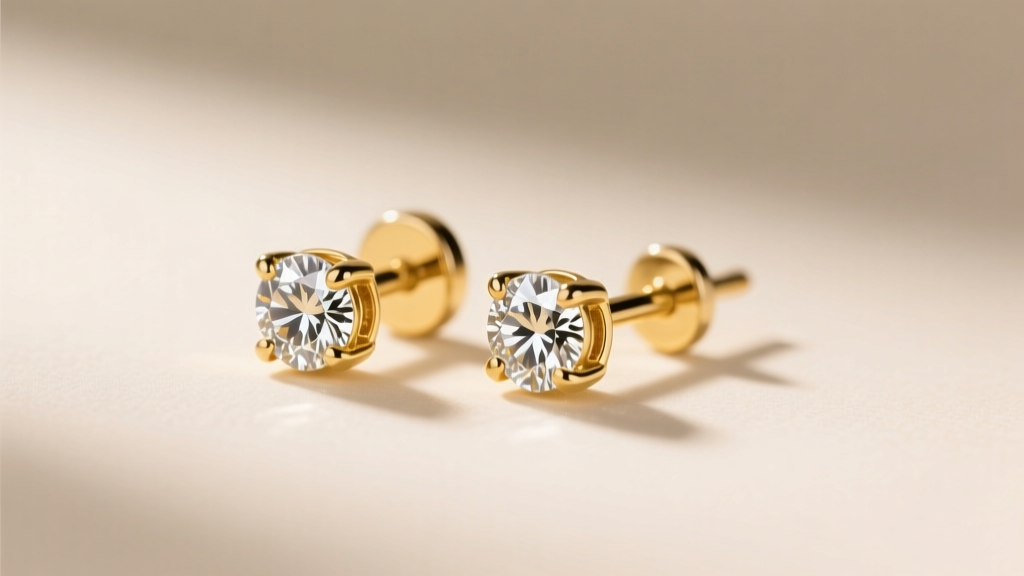
| Anniversary / Romantic | Bezel-set diamond stud (18g) | Pavé diamond helix cuff | 18k White or Yellow Gold | $800 - $2,500+ |
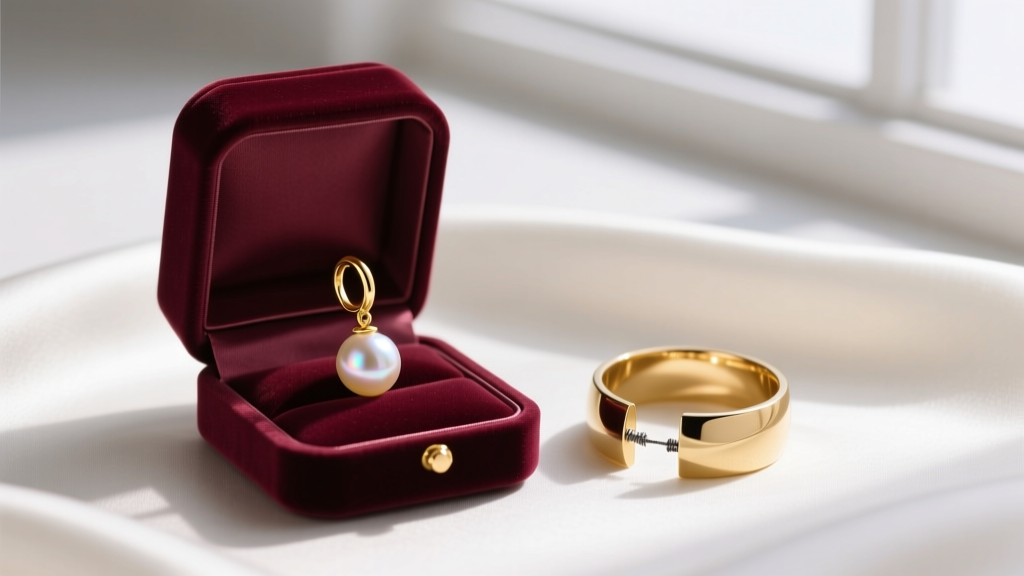
| Graduation / Milestone | Akoya pearl drop (18g) | Minimalist gold rope cuff | 14k Solid Gold | $250 - $600 |
| Birthday / Personal | Birthstone huggie hoop | Adjustable faux-rook cuff | 14k Gold or Vermeil | $120 - $300 |
| Holiday / Stocking Stuffer | Textured gold ball stud | Geometric chevron cuff | ASTM F136 Titanium (PVD coated) | $45 - $110 |
The Sizing Dilemma: Fixed vs. Adjustable Cuffs
The most common point of failure when gifting an ear cuff is improper sizing. Cartilage thickness varies wildly from person to person, and even differs between the left and right ear.
Understanding Tension Fit
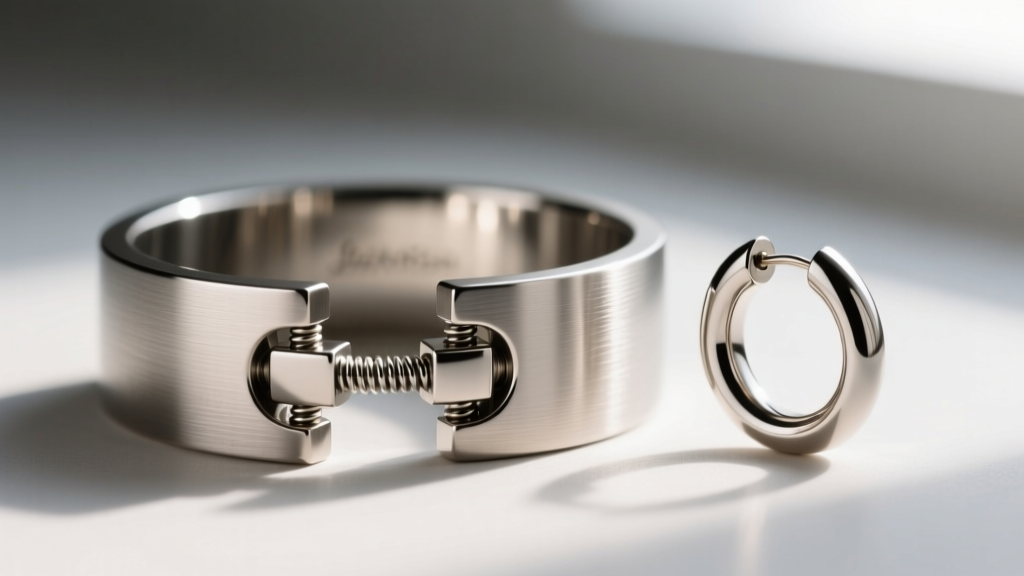
Most ear cuffs operate on a tension-fit mechanism, slipping over the thinnest part of the helix and resting snugly against the cartilage. If you are buying a fixed-tension cuff (common in high-end fine jewelry from brands like Maria Tash or BVLA), you must know the recipient's exact cartilage width. If you are unsure, always opt for an adjustable cuff. Adjustable cuffs feature a slight gap and are crafted from metals with high tensile strength, allowing the wearer to gently squeeze or pull the cuff to customize the grip.
"A well-crafted adjustable cuff should offer resistance when squeezed. If it bends too easily, the metal is too soft and will inevitably slip off the ear during daily wear." — Master Bench Jeweler
Top Brand Recommendations for 2026
To guarantee quality, provenance, and ethical sourcing, stick to reputable jewelers who provide transparent material breakdowns. The Gemological Institute of America (GIA) emphasizes the importance of verified gemstone grading, which is crucial if your earring and cuff set includes diamonds or sapphires.
- Mejuri: Excellent for mid-tier gifting ($100-$300). Their 14k gold ear cuffs and matching huggies offer modern, minimalist designs that appeal to younger demographics.
- Catbird: Known for whimsical, delicate designs. Their recycled 14k gold and ethically sourced diamond cuffs are perfect for romantic, bohemian-leaning recipients.
- BVLA (Body Vision Los Angeles): The pinnacle of luxury body jewelry. While they specialize in pierced jewelry, their custom gold work and gemstone setting are unparalleled if you are gifting a set to someone who already has a healed cartilage piercing and prefers a clicker ring over a traditional cuff.
Presentation and Care Instructions
The unboxing experience is half the gift. Present the earring and cuff set in a lined, anti-tarnish jewelry box. Include a small care card instructing the recipient on how to maintain the pieces. Remind them to apply perfumes, hairsprays, and lotions before putting on the jewelry, as the alcohol and chemicals in cosmetics can dull the finish of both the metal and any included gemstones. For titanium or gold cuffs, a gentle wipe with a microfiber cloth after wear will remove natural skin oils and keep the tension mechanism free of debris.
By prioritizing material integrity, precise gauge sizing, and occasion-appropriate styling, your earring and cuff gift will transcend fleeting trends, offering the recipient a versatile, enduring addition to their daily jewelry rotation.