Earring Back Replacement: Cost, Types & Value Guide
Discover the true cost of earring back replacement. Compare materials, locking mechanisms, and gauge sizes to secure jewelry without overspending.

The Hidden Budget Drain of Lost Earrings
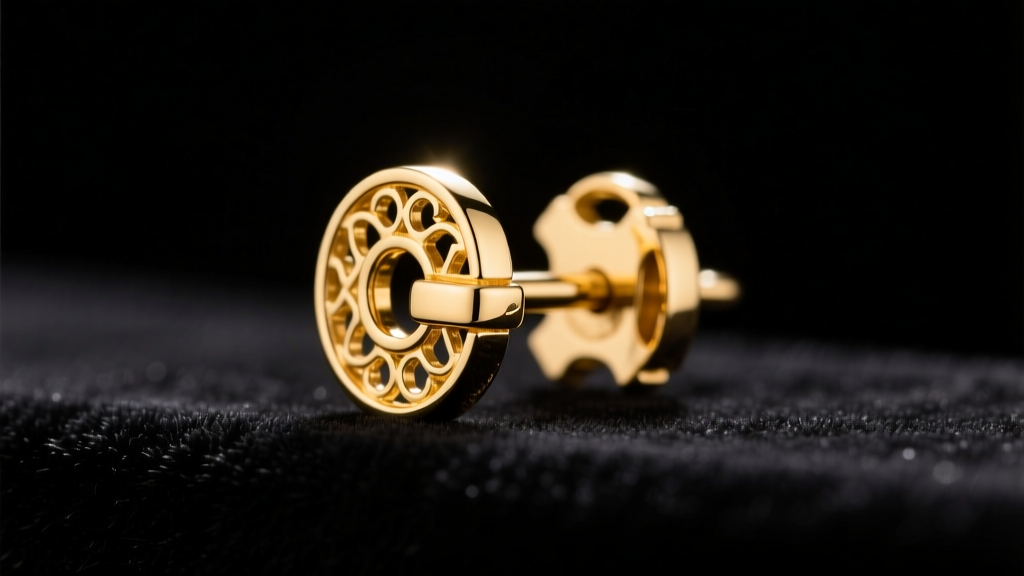
Losing a diamond stud or a sentimental gold hoop because of a faulty, worn-out friction back is a tragic and entirely preventable budget failure. When jewelry enthusiasts and collectors assess the long-term value of their accessories, the focus is almost exclusively on the gemstones or the precious metal weight of the front setting. However, the structural integrity of your jewelry relies entirely on the earring back replacement cycle. A $3,000 diamond is only as secure as the $2 piece of metal holding it in place.
From a budget and value assessment perspective, treating earring backs as disposable, one-size-fits-all consumables is a costly mistake. Metal fatigue, loss of spring tension, and gauge mismatches lead to lost jewelry, allergic reactions, and unnecessary trips to the jeweler for repairs. In this comprehensive guide, we break down the exact costs, material grades, and mechanical upgrades available for earring back replacement, helping you allocate your jewelry budget toward genuine security rather than replacing lost pieces.
The Financial Reality of Earring Back Replacement
The cost of an earring back replacement varies wildly depending on the material, the manufacturing precision, and the locking mechanism. Many consumers default to the cheapest option available—bulk silicone or stamped base-metal butterfly clutches—without realizing that these options introduce a 'cheap tax' in the form of lost earrings and irritated earlobes.
According to the Gemological Institute of America (GIA), regular inspection and maintenance of jewelry settings, including the securing mechanisms, is critical to preventing stone loss. When you budget for a high-value earring, you should immediately allocate an additional 2% to 5% of the total cost toward a premium earring back replacement system. For a $2,000 pair of studs, spending $60 on precision locking backs is a fractional premium that guarantees the asset remains on your ear, not on the floor of a parking lot.
Material Value Matrix: What Are You Actually Paying For?
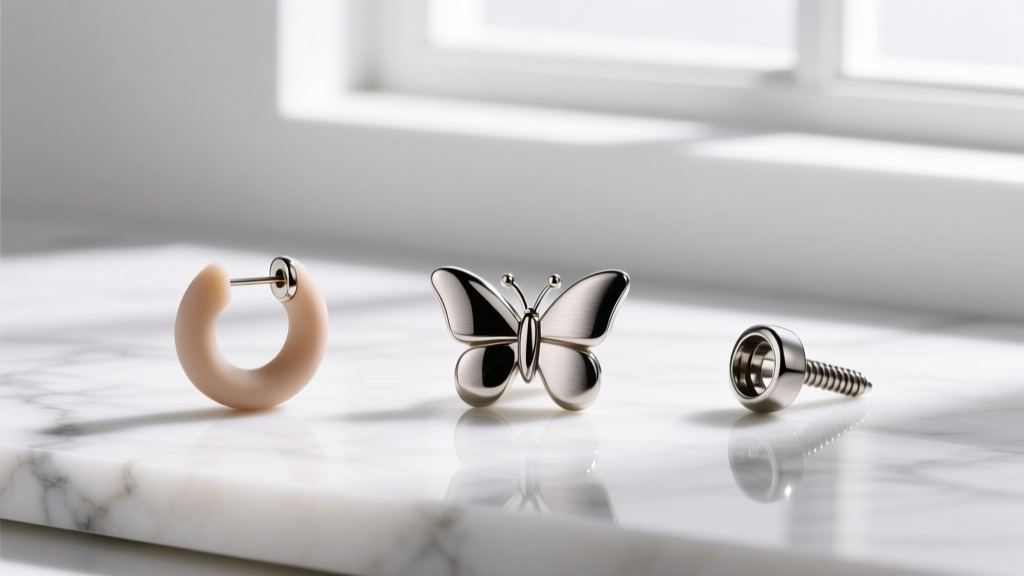
Not all metals are created equal, especially when they are in prolonged contact with the skin and subjected to the friction of daily wear. The Association of Professional Piercers (APP) strictly outlines which metals are biocompatible and safe for long-term wear, which directly impacts the value proposition of your replacement backs.
| Material Grade | Avg. Cost (Per Pair) | Durability & Tension Retention | Best Value Use Case |
|---|---|---|---|
| Medical-Grade Silicone | $2 - $5 | Low (Degrades with oils/UV) | Temporary stoppers, wire earrings |
| 316L Surgical Stainless Steel | $8 - $15 | Medium (Prone to tension loss) | Everyday fashion jewelry, 20G posts |
| Implant-Grade Titanium (ASTM F136) | $20 - $35 | High (Excellent spring memory) | Sensitive lobes, cartilage, heavy hoops |
| 14k / 18k Solid Gold | $45 - $150+ | Medium-High (Softer metal, requires care) | High-value diamond/gemstone studs |
| Platinum | $120 - $250+ | Very High (Dense, superior tension) | Heirloom pieces, platinum-fronted studs |
Value Verdict: Implant-grade titanium (ASTM F136) offers the highest functional value for everyday wear. It is completely nickel-free, hypoallergenic, and possesses superior 'spring memory' compared to 14k gold, meaning the friction grip will not loosen as quickly over years of use. Solid gold is aesthetically matched to precious metal earrings but is a softer alloy, requiring more frequent earring back replacement due to metal fatigue.
Mechanism Upgrades: Are Locking Backs Worth the Premium?
The mechanism of the earring back dictates its security level. When assessing the budget for an earring back replacement, you must weigh the upfront cost of the mechanism against the replacement cost of the earring itself.
1. Standard Friction (Butterfly) Clutches
The industry standard. They rely on the tension of the metal loops against the notched earring post. Budget Assessment: Excellent for lightweight, low-cost earrings. However, the notches on the post collect sebum and debris, and the metal loops inevitably stretch, leading to a loose fit. Replacing these every 12-18 months is a necessary maintenance cost.
2. Screw Backs
These feature threaded posts and backs that screw together. Budget Assessment: Highly secure and moderately priced ($25-$50 in gold). The primary drawback is the wear on the threads. If the threads strip due to cross-threading, the entire post must be replaced by a jeweler, turning a simple earring back replacement into a $50+ soldering repair.
3. Locking Clutches (La Pousette / Jumbo Locking)
These utilize a spring-loaded internal mechanism that snaps securely behind the post, completely eliminating the risk of friction loss. Budget Assessment: The gold standard for high-value earrings. While a pair of 14k gold La Pousette backs will cost between $70 and $120, they offer unparalleled security for heavy diamond solitaires or valuable emerald drops. The ROI is immediate the first time they prevent a lost stone.
Gauge Sizing and Fit: Avoiding the Mismatch Tax
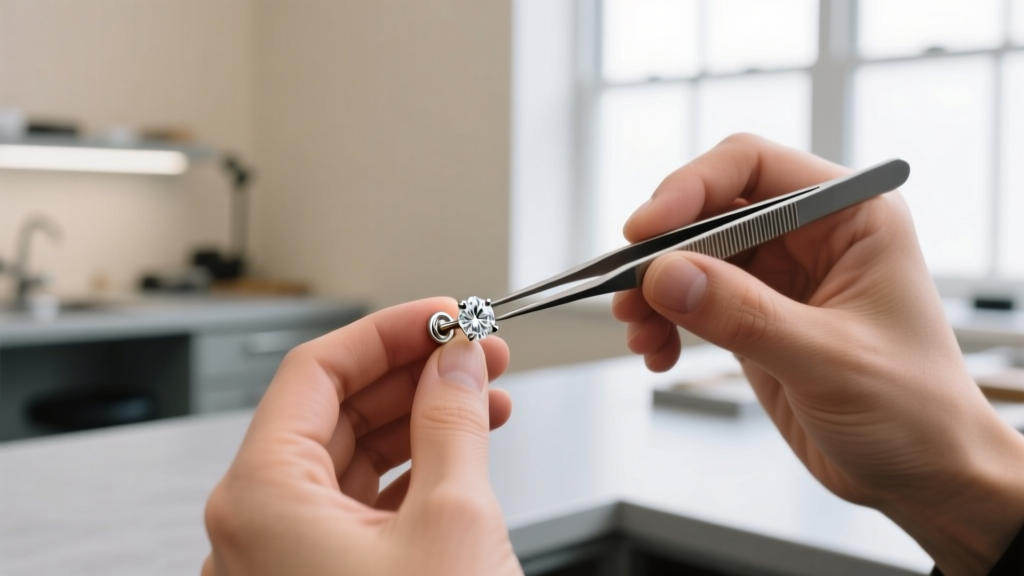
A critical, often overlooked factor in earring back replacement is gauge matching. Earring posts are manufactured in specific thicknesses, and forcing a mismatched back onto a post will permanently damage the tension loops of the back or scratch the precious metal post.
- 20-Gauge (0.81mm): The standard for most lightweight fashion studs and wire earrings. Standard butterfly backs are optimized for this size.
- 18-Gauge (1.02mm): Common for high-quality diamond studs and medium-weight hoops. Requires 'jumbo' or heavy-duty friction backs to ensure adequate surface area for grip.
- 16-Gauge (1.29mm) & 14-Gauge (1.63mm): Typically reserved for cartilage piercings, heavy statement pieces, or custom body jewelry. Standard earring backs will not fit; you must source specialized 16G/14G flat-back labret discs or heavy-duty locking clutches.
Budget Tip: Always measure your earring post with a digital caliper before ordering replacement backs online. Buying a $40 pair of 18k gold backs only to find they do not fit your 1.2mm cartilage posts is a common and frustrating budget leak.
Strategic Decision Framework: When to Invest vs. When to Save
To maximize your jewelry budget, apply this decision framework when evaluating an earring back replacement:
- The Asset Value Rule: If the replacement value of the earring exceeds $500, never use standard friction backs. Invest immediately in locking mechanisms or heavy-duty screw backs.
- The Weight Factor: Heavy drop earrings and large hoops exert downward leverage on the earlobe, which naturally pulls standard butterfly backs backward. For any earring weighing more than 4 grams per ear, upgrade to jumbo silicone stoppers worn *over* metal backs, or invest in specialized locking discs that distribute weight across a wider area of the earlobe.
- The Allergy Tax: If you suffer from contact dermatitis, constantly buying cheap, nickel-alloy replacements is a waste of money and a hazard to your health. Make a one-time investment in ASTM F136 Titanium or Niobium backs. They will last a lifetime and eliminate the medical costs of treating earlobe infections.
Conclusion: Reframing the Earring Back as an Asset Protector
Ultimately, an earring back replacement should not be viewed as a grudging maintenance expense, but as an insurance policy for your jewelry collection. By understanding the metallurgical differences between 316L steel, implant-grade titanium, and precious alloys, and by selecting the correct mechanical locking system for your specific gauge and earring weight, you protect your financial investment. Stop replacing lost earrings, and start investing in the hardware that keeps them exactly where they belong.


