What Is the Back of an Earring Called? The Ultimate Anatomy Guide
Discover exactly what the back of an earring is called. Our expert guide breaks down earring closures, security ratings, and metal grades.

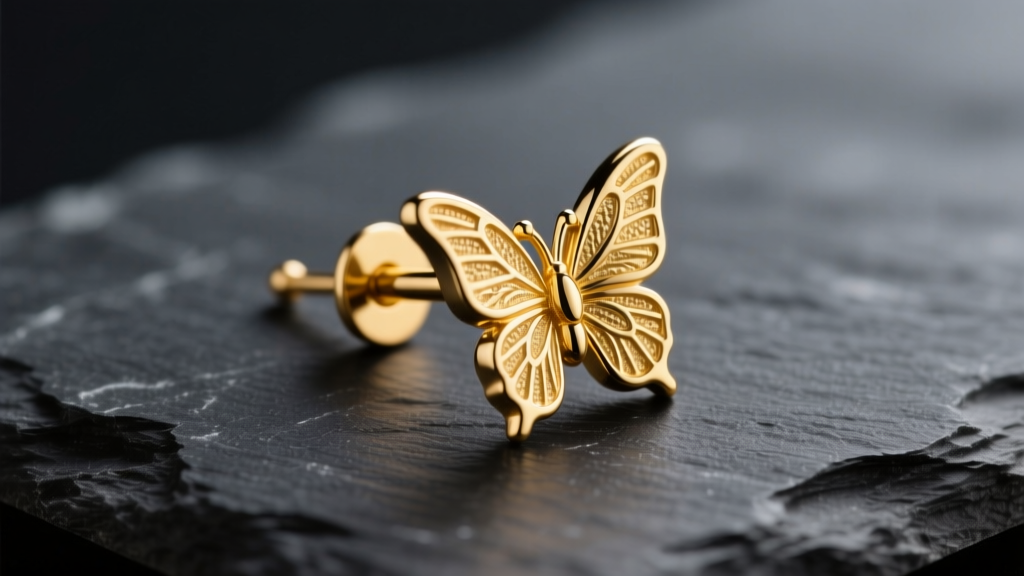
The Anatomy of Earring Findings: What Is the Back of an Earring Called?
In the jewelry manufacturing industry, the collective term for the structural components that fasten jewelry to the body is findings. When asking "what is the back of an earring called," the precise technical answer is the earring closure, clasp, or back finding. Depending on the specific mechanism, these components may also be referred to as nuts, scrolls, ear wires, or leverbacks. Understanding the exact nomenclature and mechanical engineering of these findings is critical for jewelers, piercers, and collectors who demand security, comfort, and metallurgical safety.
Unlike the decorative head of the earring, the back finding bears the mechanical load of securing the piece. A failure in the closure mechanism results in lost jewelry, torn lobes, or contact dermatitis. Below, we deconstruct the physics, metallurgy, and failure modes of the most common earring backs used in fine jewelry today.
Friction and Push Backs: The "Butterfly" Mechanism
The most ubiquitous earring closure in the commercial market is the friction push back, colloquially known as the butterfly back or scroll back. This finding consists of a flat base with two protruding, curled loops that act as leaf springs. When pushed onto a grooved or smooth metal post, the loops exert lateral tension against the post, creating static friction that holds the earring in place.
Technical Specs and Failure Modes
Butterfly backs are typically stamped or cast from base metals, sterling silver, or gold alloys. They are designed to pair with standard 20-gauge (0.81mm) or 18-gauge (1.02mm) posts. The primary failure mode of a friction back is work hardening and metal fatigue. Over months of repetitive compression and release, the leaf springs lose their elasticity. The metal becomes brittle, the tension drops, and the back slides off the post with minimal resistance.
Expert Fix: If your butterfly backs feel loose, do not discard them immediately. Using a pair of flat-nose nylon-jaw pliers, gently squeeze the two curled loops closer together. This temporarily restores the lateral tension. However, if the metal shows visible stress fractures at the bend points, replace the finding immediately to prevent losing a valuable diamond or gemstone.
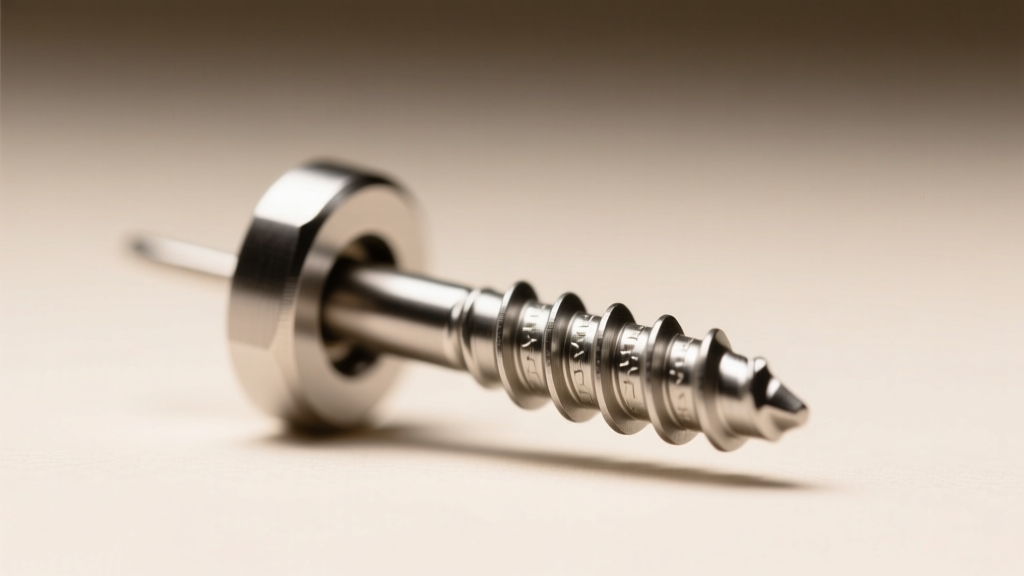
High-Security Closures: Screw, Latch, and Leverbacks
For high-value diamond studs or heavy drop earrings, friction is insufficient. Jewelers rely on mechanical locking mechanisms that physically prevent the finding from disengaging without deliberate manipulation.
Threaded Screw Backs
Screw backs feature a post with precision-machined threads that mate with a internally threaded nut. The standard thread pitch for fine jewelry screw backs is usually 0.25mm to 0.35mm, requiring multiple rotations to secure. Because the holding force relies on the mechanical interlock of the threads rather than friction, screw backs are virtually immune to accidental displacement. They are the gold standard for diamond studs over 1.00 carat per ear.
Leverbacks and Latch Backs
Commonly used in drop and dangle earrings, the leverback utilizes a hinged wire that passes through the ear piercing and snaps into a catch on the opposite side of the earring's hoop or drop. The tension is maintained by a tiny internal spring or the natural elasticity of the hinge pin. Omega backs and clip-ons use a similar hinged paddle mechanism but rely on intense clamping pressure against the back of the earlobe, requiring precise calibration to avoid cutting off circulation to the lobe tissue.
| Closure Type | Security Rating | Best Post Gauge | Primary Failure Mode |
|---|---|---|---|
| Butterfly / Push Back | Low to Medium | 20g (0.81mm) - 18g (1.02mm) | Leaf spring metal fatigue; loss of friction |
| Screw Back | Very High | 18g (1.02mm) - 16g (1.29mm) | Cross-threading; stripping of internal nut threads |
| Leverback | High | 20g (0.81mm) Hook Wire | Hinge pin wear; catch deformation |
| La Pousette (Locking) | Extremely High | 18g (1.02mm) Grooved Post | Loss of internal micro-spring tension |
Wire and Hook Closures: French Wires and Ear Threads
When dealing with lightweight dangles or artisan jewelry, the back of the earring is often integrated into the front design via a continuous wire. The French wire (or shepherd's hook) is a curved wire that passes through the lobe and hangs by gravity. To prevent these from falling out, jewelers add secondary back findings such as clear silicone stoppers, coiled metal tension guards, or tiny hinged catch-wires soldered to the back of the earring.
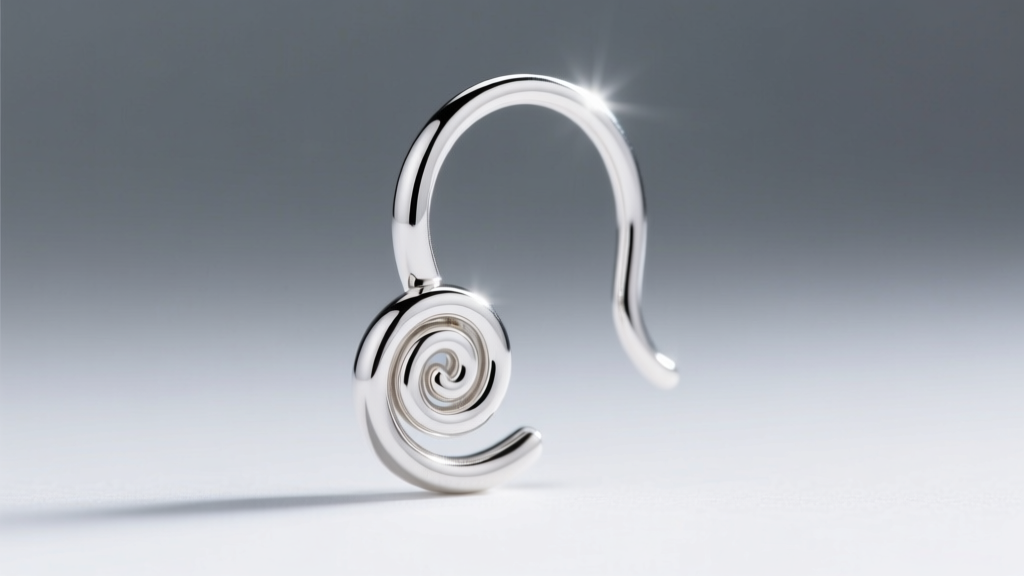
Ear threads (or threader earrings) represent a unique category where the "back" is simply a fine chain that pulls through the piercing, relying on the friction of the chain links and the weight of the front bezel to stay anchored. These require a minimum 22-gauge chain to pass comfortably through standard lobe piercings without causing micro-tears in the fistula (the healed skin tunnel of the piercing).
Material Science: Hypoallergenic Backs for Sensitive Lobes
The back of an earring rests flush against the skin, often in an area with poor air circulation. This makes the metallurgy of the back finding just as critical as the front. Contact dermatitis is frequently triggered by nickel alloys commonly used in cheap brass or nickel-silver white gold findings.
According to the Association of Professional Piercers, individuals with metal sensitivities should strictly avoid 316L surgical steel for earring backs, as it contains up to 14% nickel. Instead, opt for findings machined from ASTM F136 implant-grade titanium or Niobium. These materials are entirely nickel-free and biologically inert. If you prefer precious metals, ensure your earring backs are cast in 14k or 18k yellow gold, as white gold alloys often rely on nickel or palladium (which can still trigger cross-reactivity in severe cases). For definitive sourcing of hypoallergenic findings, industry suppliers like Rio Grande provide certified metal breakdowns for all their jewelry findings.
Jeweler's Insight: If you have a pair of beloved diamond studs but suffer from nickel allergies, you do not need to replace the entire earring. A bench jeweler can easily snip off the standard friction post and laser-weld an ASTM F136 titanium post and screw-back assembly in its place, typically for $40 to $75 per earring.
Expert Troubleshooting: Why Your Earring Backs Keep Falling Off
If you are constantly losing earring backs, the issue is rarely bad luck; it is usually a mechanical mismatch or anatomical friction. Consider the following diagnostic checklist:
- Post Length vs. Lobe Thickness: If your earlobe is thicker than 3mm, a standard 8mm post will not allow the butterfly back to pass the retention groove. The back will sit on smooth metal, where friction is reduced by 80%. Request longer 10mm or 12mm posts from your jeweler.
- Hair and Fabric Snagging: Butterfly backs have open loops that act as hooks for hair strands and sweater threads. If you frequently pull your earring out while brushing your hair, switch to a La Pousette locking back or a smooth, domed screw back that presents no snag points.
- Sebum and Lotion Buildup: Skin oils and cosmetic lotions act as lubricants on metal posts. Clean your earring posts with isopropyl alcohol weekly to restore the natural coefficient of friction between the post and the finding.
Conclusion
Knowing what the back of an earring is called—and more importantly, how it functions—is the hallmark of an informed jewelry collector. Whether you are securing a heavy platinum diamond drop with a threaded screw back or utilizing a 20-gauge French wire for a lightweight pearl, matching the closure to the weight and value of the earring ensures your pieces remain secure. Always prioritize biologically inert metals for the findings that sit against your skin, and routinely inspect your closures for metal fatigue to protect your investment.


