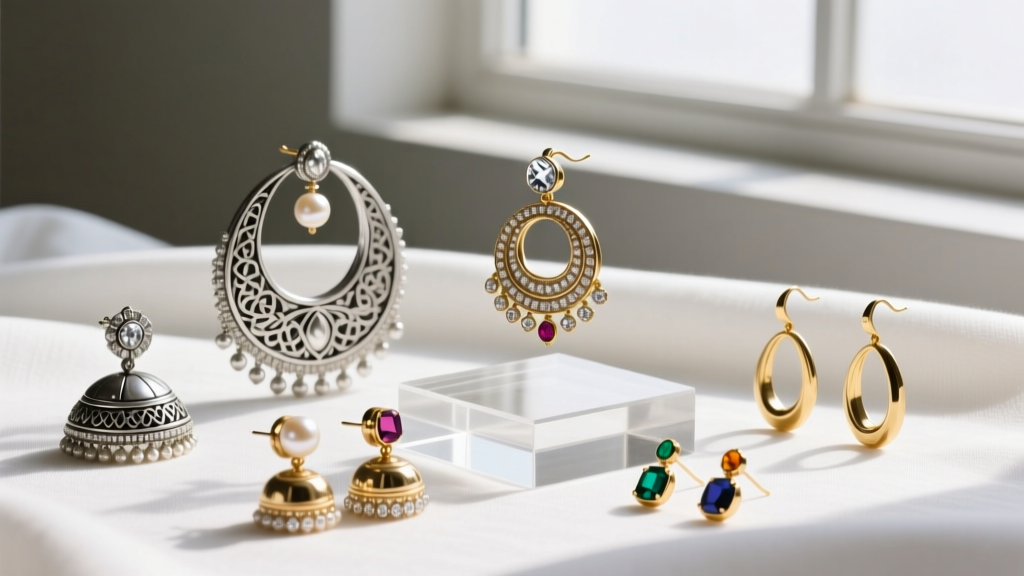
Earring Backs Stuck in Ear? The Trend Toward Ergonomic Locks
Discover why earring backs get stuck in ear piercings, how to safely remove them, and the jewelry trends shifting toward secure, ergonomic locks.

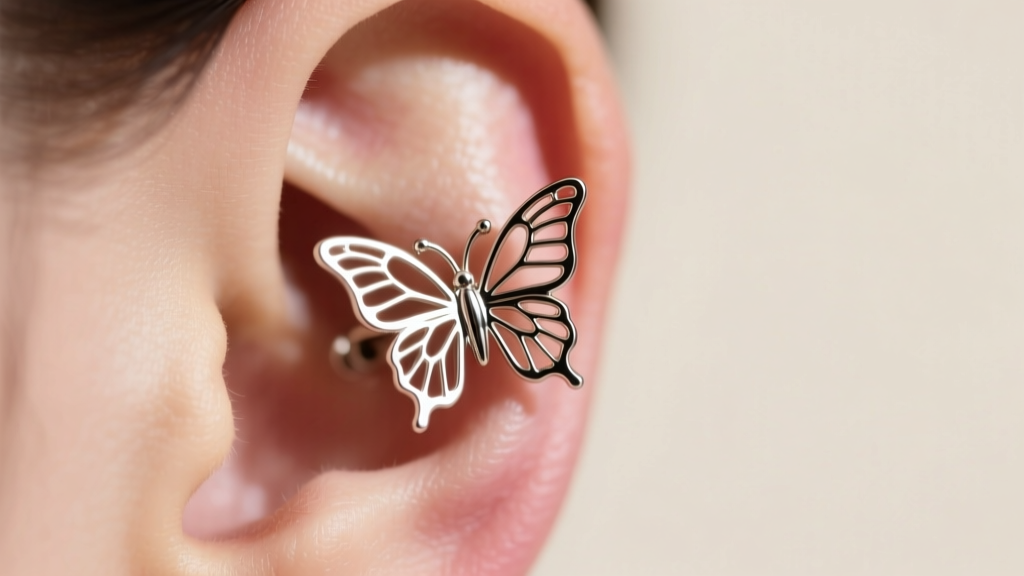
There is a distinct, sinking feeling that accompanies the realization that your jewelry has turned against you. If you have ever experienced the sheer panic of finding your earring backs stuck in ear tissue, you are not alone. For decades, the jewelry industry relied on the traditional friction clutch—commonly known as the butterfly back—as the universal standard for securing studs. Yet, as body modification standards have evolved and consumer awareness regarding metal allergies has peaked, the functional flaws of this legacy design have been fully exposed.
From a style and trend analysis perspective, the frequent trapping of earring backs is not merely a user error; it is a systemic design failure that is actively driving a market shift. In 2026, high-end jewelers and independent designers are rapidly abandoning stamped-metal friction backs in favor of ergonomic, threadless, and screw-in locking mechanisms. This article dissects the anatomy of a stuck earring, provides a clinical extraction protocol, and explores the modern jewelry trends rendering the butterfly clutch obsolete.
The Anatomy of a Snag: Why Friction Clutches Fail
To understand why earring backs become irreversibly lodged, we must examine the mechanical engineering of the traditional post and clutch. Standard fashion earrings typically utilize a 20-gauge (0.81mm) or 18-gauge (1.02mm) post featuring a series of micro-grooves or notches near the tip. The butterfly back consists of a stamped metal plate with two curled loops designed to snap into these grooves via spring tension.
The failure occurs on three distinct fronts:
- Tension Fatigue: Over time, the stamped metal loops lose their elasticity. When forced past the thickest part of the post, they can warp, creating an uneven grip that locks the back in place.
- Debris Calcification: Sebum, dead skin cells, and cosmetic residues accumulate inside the tiny loops of the clutch. This organic matter acts as a biological cement, effectively gluing the back to the notched post.
- The Cheese-Wire Effect: Because 20-gauge posts are exceptionally thin, any localized swelling in the earlobe causes the post to slice slightly into the tissue, pulling the backing deep into the skin indentation and making it impossible to grip with bare fingers.
The Biological Factor: Swelling and Contact Dermatitis
The most common catalyst for earring backs stuck in ear piercings is sudden tissue swelling, frequently triggered by contact dermatitis. According to the Mayo Clinic, nickel is one of the most prevalent causes of allergic contact dermatitis. Many mass-market butterfly backs are cast from brass or nickel-silver alloys and merely plated with gold or silver. Once the microscopic plating wears away from friction, the underlying nickel is exposed to the skin.
"When the earlobe swells due to an allergic reaction or localized infection, the tissue expands outward, swallowing the earring back. The post remains stationary while the skin envelops the clutch, creating a vacuum seal that brute force cannot safely break."
This biological response is why professional piercers universally recommend implant-grade titanium (ASTM F136) or solid 14k/18k gold for sensitive lobes. These biocompatible metals eliminate the allergic swelling that leads to trapped hardware.
Safe Extraction Protocol: Removing Stuck Backs Without Tissue Damage
When confronted with a deeply embedded clutch, the instinct is to pull harder. This is a critical error that can result in torn fistulas (the piercing tunnel) and permanent scarring. Instead, utilize this professional extraction framework recommended by the Association of Professional Piercers:
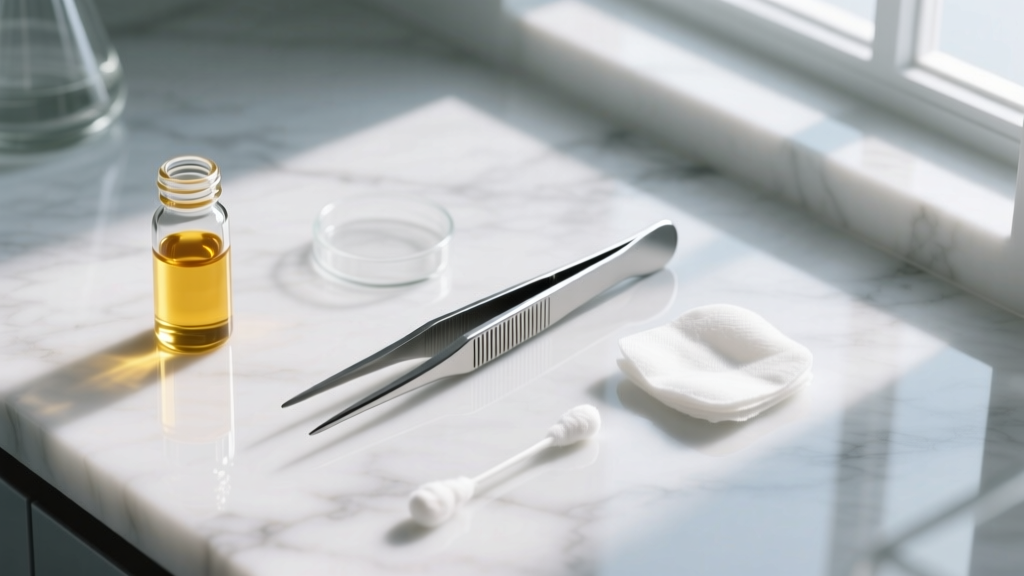
- Prep and Soften: Soak a sterile cotton swab in warm sterile saline or pure jojoba oil. Hold it against the stuck backing for 3 to 5 minutes to dissolve calcified sebum and lubricate the post.
- Improve Grip: Bare fingers will slip. Put on a pair of textured nitrile gloves to maximize your friction grip on the smooth metal of the clutch.
- The Dual-Pry Method: Do not pull straight back. Instead, use two pairs of fine-tip, sterilized titanium tweezers. Place the tips of the tweezers on opposite sides of the clutch, resting against the earlobe for leverage, and gently squeeze inward to pop the tension loops off the post grooves.
- Post-Extraction Care: Once removed, clean the earlobe with a sterile saline wound wash and downsize to a continuous hoop or a sterile titanium stud to allow the tissue to deflate.
The 2026 Style Shift: Ergonomic and Threadless Alternatives
The recurring trauma of stuck earring backs has catalyzed a massive trend shift in jewelry design. Modern consumers demand security without the mechanical anxiety of friction clutches. This has led to the mainstream adoption of body jewelry engineering in everyday fashion earrings.
Threadless (Press-Fit) Systems
Pioneered by high-end body jewelry brands like Neometal and BVLA, threadless jewelry utilizes tension rather than grooves. The decorative end features a slightly bent pin that is inserted into a hollow post. The bending of the pin creates internal spring tension against the inside wall of the post. Because there are no external notches, there is nothing for the skin to catch on, and the backing sits completely flush against the back of the ear.
Flat-Back Labrets and Screw-In Ends
For those who prefer the aesthetic of a traditional stud, internally threaded or screw-in flat-back labrets have become the gold standard. The post features a smooth, flat disc that rests comfortably against the back of the earlobe, eliminating the sharp prongs of a butterfly back that dig into the neck while sleeping. The decorative front screws directly into the post, ensuring it can only be removed by intentional twisting.
Market Comparison: Traditional vs. Modern Backing Systems
To understand the functional superiority of modern designs, we must compare the mechanical profiles of the most common earring backing systems available on the market today.
| Backing Type | Security Level | Sleep Comfort | Risk of Getting Stuck | Best Material Grade |
|---|---|---|---|---|
| Butterfly Friction | Low to Medium | Poor (prongs dig in) | High (grooves trap debris) | Stamped Brass/Gold Plate |
| Silicone O-Rings | Medium | Excellent | Medium (can stretch/tear) | Medical-Grade Silicone |
| Screw-In Flat Back | Very High | Excellent (flush fit) | Very Low (no grooves) | ASTM F136 Titanium |
| Threadless Push-Pin | Maximum | Excellent (flush fit) | Zero (tension-based) | 14k/18k Solid Gold |
Curating a Snag-Free Collection: What to Buy Now
As a jewelry stylist, my primary recommendation for clients building a curated, everyday ear stack is to completely purge friction-backed earrings from their collections. The minor cost savings of mass-produced butterfly backs are entirely negated by the risk of tissue damage and lost diamonds or gemstones.
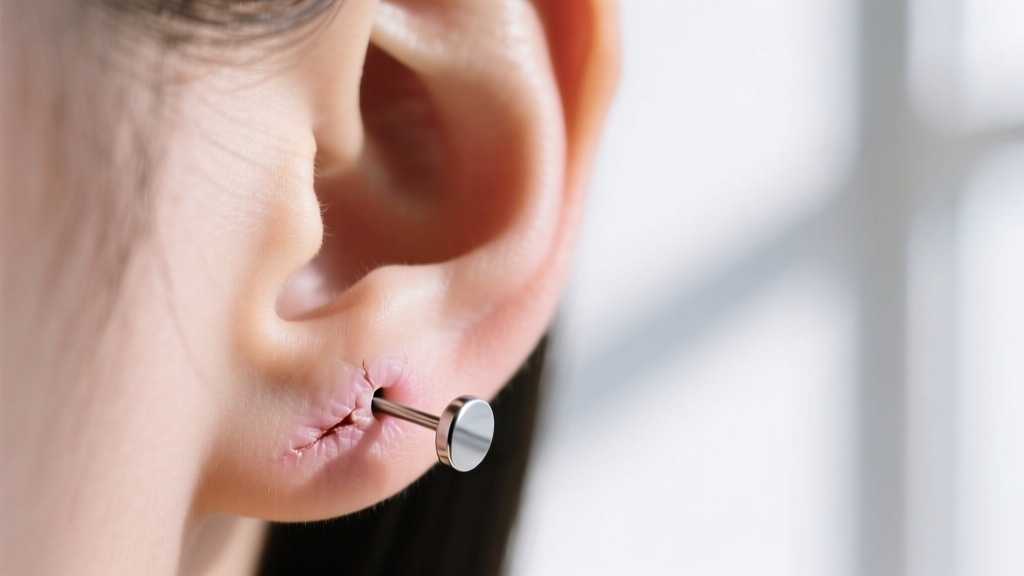
When shopping for new additions, look for the following specifications:
- Gauge Thickness: Opt for 18-gauge (1.02mm) or 16-gauge (1.29mm) posts. The slightly thicker metal prevents the cheese-wire effect and provides a more stable base for threading.
- Internal Threading: Ensure the threading is on the post, not the decorative end (externally threaded). External threads act like a file, tearing the delicate fistula tissue every time the earring is inserted or removed.
- Flush Profiles: Seek out brands that specialize in flat-back or threadless designs, ensuring the jewelry sits completely parallel to the earlobe for a sleek, modern silhouette that won't catch on hair or clothing.
Ultimately, the era of the butterfly clutch is drawing to a close. By embracing ergonomic, threadless, and internally threaded designs, you not only eliminate the nightmare of earring backs stuck in ear tissue but also elevate your personal style with jewelry that is engineered for longevity, comfort, and uncompromising security.