Troubleshooting Pave Hoop Earrings: Missing Stones & Tarnish Fixes
Missing stones or dull metal? Learn expert troubleshooting for pave hoop earrings, including safe cleaning methods, prong repairs, and alloy upgrades.

The Anatomy of Pave Hoop Earrings: Where Things Go Wrong
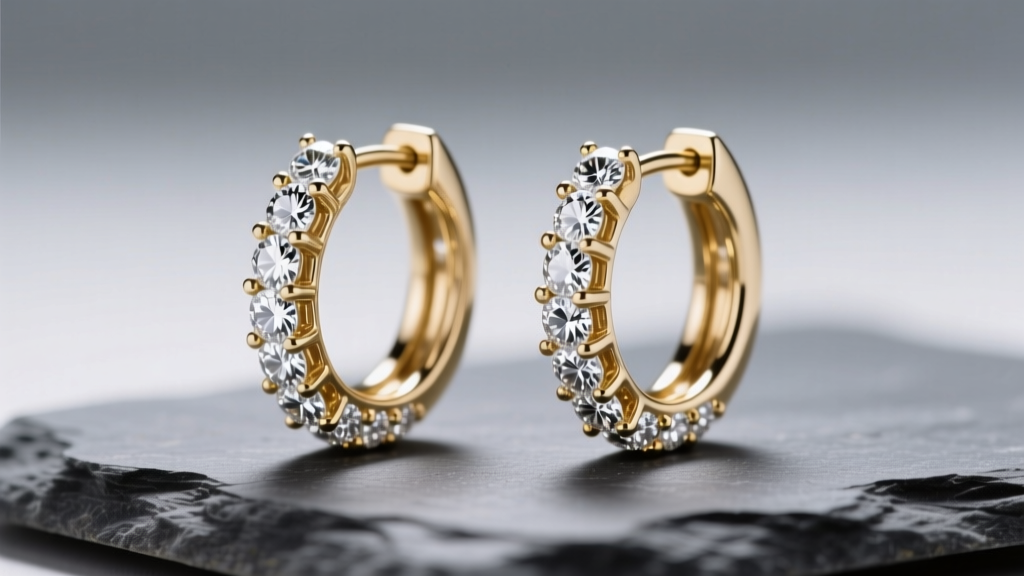
Pave hoop earrings are a staple in modern jewelry wardrobes, offering continuous sparkle that catches the light from every angle. However, the intricate nature of micro-pave settings makes them uniquely susceptible to specific structural failures. Unlike solitaire studs that rely on four or six robust prongs, pave settings utilize dozens of microscopic metal beads or micro-prongs to hold 0.8mm to 1.5mm stones (typically cubic zirconia, moissanite, or diamonds) flush against the metal band. When these earrings fail, the issues almost always stem from metal fatigue, improper cleaning protocols, or plating degradation. In this comprehensive troubleshooting guide, we will diagnose the most common failures associated with pave hoop earrings and provide actionable, expert-level solutions to restore them.
Troubleshooting Missing or Loose Pavé Stones
Why Micro-Pave Settings Fail
The most frequent complaint regarding pave hoop earrings is the sudden loss of stones. This is rarely a manufacturing defect and more often a result of mechanical stress. Hoops are dynamic; they swing, catch on hair, and get pulled during sleep or when changing clothes. When a hoop is slightly bent out of its perfect circular shape, the metal channel housing the stones flexes. Because the metal beads holding the stones are work-hardened and brittle, this flexing causes the microscopic beads to fracture or pull away from the stone's girdle.
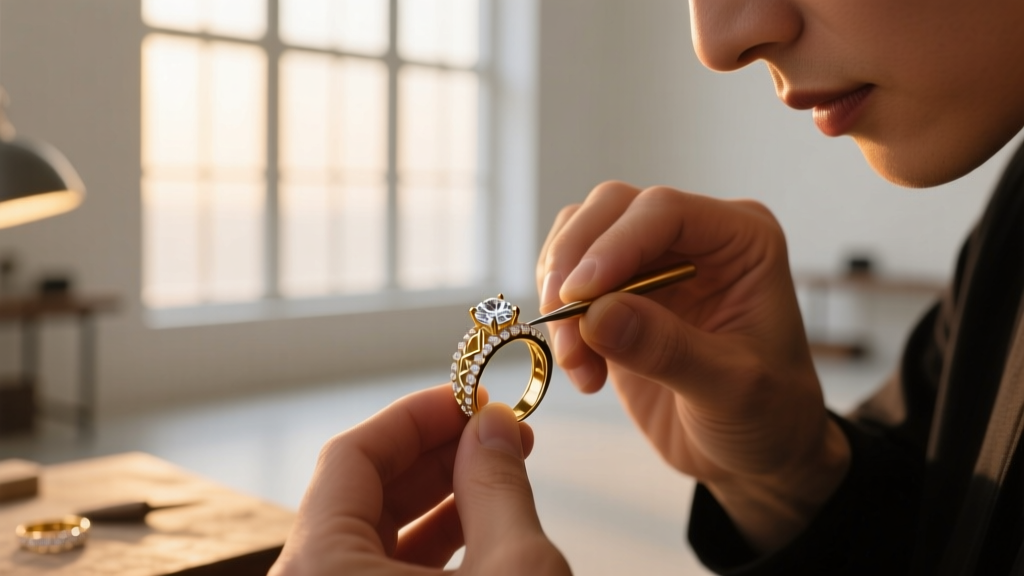
The Fix: Inspect your hoops monthly using a 10x jeweler's loupe. Look for 'lifted' beads or stones that rattle when tapped gently with a wooden toothpick. If you find a loose stone, stop wearing the earring immediately. Take it to a professional jeweler who specializes in laser welding. Traditional soldering torches can shatter nearby cubic zirconia or fracture diamonds due to thermal shock. Never use cyanoacrylate (superglue) to reseat a stone. The adhesive will seep into the stone's pavilion, ruining its refractive index and permanently clouding the gem.
The Ultrasonic Cleaner Trap
Many jewelry owners mistakenly believe that ultrasonic cleaners are safe for all diamond and gemstone jewelry. This is a catastrophic error when it comes to pave settings. Ultrasonic cleaners operate at high frequencies (typically 40,000 Hz or 40kHz), creating microscopic cavitation bubbles in the cleaning solution. When these bubbles collapse against the metal, they generate intense localized shockwaves. While this is excellent for blasting grime out of a heavy prong setting, it will easily shake loose the fragile micro-beads of a pave setting, causing a cascade of lost stones.
The Safe Alternative: According to the Gemological Institute of America (GIA), the safest way to clean intricate pave jewelry is manually. Create a solution of warm water and a few drops of mild, ammonia-free dish soap. Soak the hoops for 15 minutes, then gently agitate the stones using a baby toothbrush with ultra-soft bristles. Rinse with distilled water to prevent hard water spots and dry with a lint-free microfiber cloth.
Solving Tarnish and Rhodium Plating Wear-Off
If your silver-colored pave hoop earrings are turning your earlobes green, black, or causing irritation, you are experiencing plating failure. The vast majority of commercial 'white gold' or 'silver' pave hoops are actually crafted from a base of sterling silver (925) or brass, which is then flash-plated with rhodium to achieve a bright, white, tarnish-resistant finish.
Understanding Plating Thickness
The Federal Trade Commission (FTC) Jewelry Guides strictly regulate metal stamping and plating terminology, but consumers often misunderstand the lifespan of these finishes. Standard 'flash plating' is incredibly thin—usually between 0.1 and 0.5 microns. With daily wear, the friction from your skin, combined with the acidity of your sweat and the sulfates in lotions, will wear through this microscopic layer in 3 to 6 months. Once the rhodium is gone, the underlying copper in the sterling silver or brass oxidizes, causing tarnish and skin discoloration.
| Metal Base | Plating Type | Thickness | Expected Lifespan | Troubleshooting Tarnish |
|---|---|---|---|---|
| Brass / Copper | Flash Rhodium | 0.1 - 0.3 microns | 1 - 3 Months | Discard or re-plate; base metal causes severe allergies. |
| Sterling Silver | Standard Rhodium | 0.5 - 1.0 microns | 6 - 12 Months | Polish with a treated silver cloth; avoid liquid dips. |
| Sterling Silver | Gold Vermeil | 2.5+ microns | 1 - 3 Years | Wash with mild soap; do not use abrasive polishing pads. |
| Solid 14k/18k Gold | None (Solid) | N/A | Lifetime | Will not tarnish; clean with standard jewelry solutions. |
The Fix: If your rhodium-plated pave hoops have worn down to the yellowish or pinkish base metal, you cannot polish them back to silver. Polishing will only remove more metal. You must take them to a jeweler for a 'rhodium re-dip,' which typically costs between $25 and $45. For a permanent solution, invest in solid 14k or 18k white gold pave hoops, which are alloyed with palladium or nickel to maintain a white hue without relying on surface plating.
Hinge and Clicker Mechanism Failures
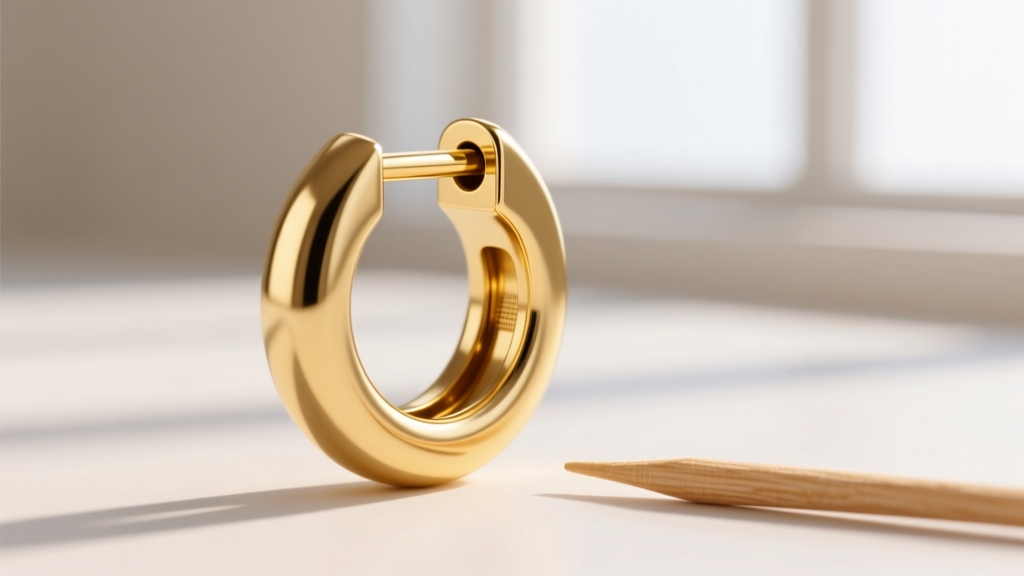
Pave hoop earrings designed for cartilage or secure lobe wear often utilize a 'clicker' or saddle hinge mechanism. This features a straight or curved post that snaps into a tension catch on the opposite side of the hoop. A common troubleshooting issue is the hinge refusing to 'click' shut, or popping open unexpectedly during the day.
This failure is almost always caused by microscopic debris—specifically dead skin cells, sebum, and hair products—impacting the catch groove. Because the tolerance on a high-quality clicker hinge is less than a millimeter, even a tiny amount of hardened lotion will prevent the post from seating fully.
The Fix: Do not use metal needles or safety pins to clean the hinge, as you will scratch the gold or silver and ruin the tension fit. Instead, soak the earring in 90% isopropyl alcohol for 10 minutes to dissolve the sebum. Use a wooden toothpick or a stiff nylon interdental brush to gently scrape the catch groove. If the hinge still feels loose after cleaning, the post may have bent slightly outward. A jeweler can use nylon-jaw pliers to gently squeeze the post back into perfect alignment with the catch.
Contact Dermatitis: When Pave Hoops Irritate Your Piercings
If your earlobes become red, itchy, or weeping after wearing pave hoop earrings, you are likely experiencing allergic contact dermatitis. The Mayo Clinic identifies nickel as one of the most common culprits for jewelry allergies. In pave jewelry, nickel can be present in two hidden areas: the base alloy of white gold, and the solder used to attach the hinge and pave settings to the main hoop body.
Even if an earring is stamped '14k Gold' or 'Sterling Silver,' the solder points used during assembly often contain high levels of nickel or cadmium to lower the melting point during manufacturing. Furthermore, standard 20-gauge (0.8mm) or 18-gauge (1.0mm) posts on cheaper hoops may be crafted from surgical steel, which contains up to 12% nickel.
The Fix: For immediate relief, remove the earrings and clean the piercing with sterile saline. To troubleshoot the jewelry, apply a barrier coating like clear nail polish to the post and hinge (avoiding the pave stones), though this is a temporary hack. For a permanent fix, you must upgrade to hypoallergenic materials. Seek out pave hoops crafted with a titanium post (ASTM F136 implant-grade titanium is the gold standard for sensitive ears) or ensure the entire piece is crafted from nickel-free 14k palladium white gold.
Expert Maintenance Checklist
To maximize the lifespan of your pave hoop earrings and prevent catastrophic stone loss, integrate these specific maintenance steps into your routine:
- Weekly: Wipe down the hoops with a dry microfiber cloth to remove acidic sweat and lotion buildup that degrades rhodium plating.
- Monthly: Perform the 'toothpick tap test' on every stone to check for loose micro-beads before they fall out.
- Quarterly: Deep clean using the warm water and ammonia-free dish soap method, completely avoiding ultrasonic and steam cleaners.
- Annually: Have a professional jeweler inspect the structural integrity of the hoop's curve and the tension of the clicker hinge.
By understanding the metallurgical and mechanical vulnerabilities of pave settings, you can transition from replacing damaged earrings to preserving them as long-term staples in your jewelry collection. Proper troubleshooting not only saves money but ensures your hoops remain as brilliant as the day you bought them.


