Troubleshooting Tarnish: Which Earring Cleaner Solution Works Best?
Troubleshoot tarnish and buildup with the right earring cleaner solution. Expert guides for silver, gold, titanium, and delicate gemstones.

The Hidden Chemistry of Earring Tarnish and Buildup
When your favorite jewelry loses its luster or develops a stubborn, crusty layer along the post, the immediate instinct is to reach for a commercial earring cleaner solution. However, treating all earrings with the same chemical approach is a fast track to ruined finishes, dissolved gemstones, and compromised piercing integrity. To effectively troubleshoot earring maintenance, we must first understand the specific chemical reactions causing the discoloration and buildup.
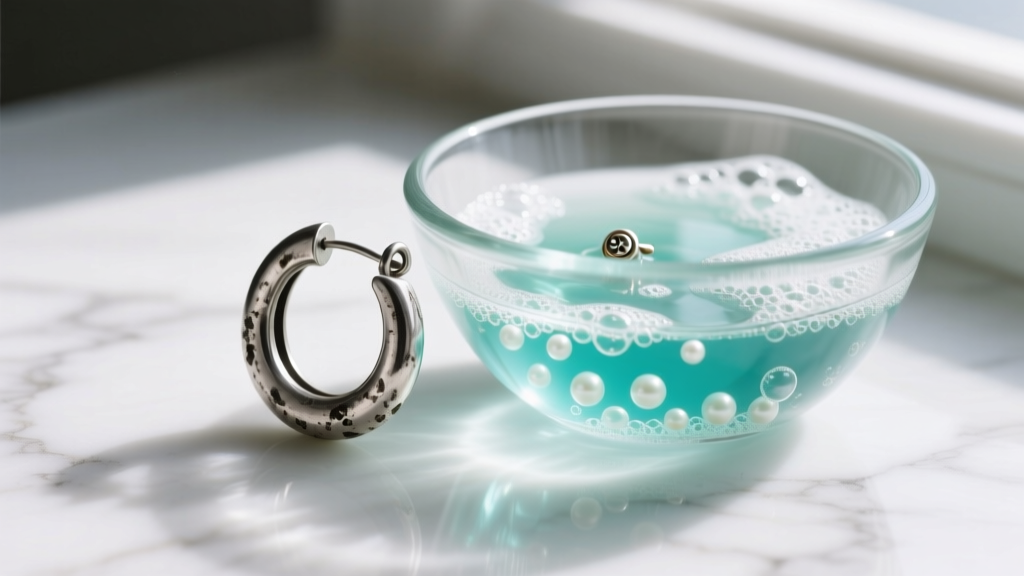
Tarnish on silver is not dirt; it is a chemical compound called silver sulfide (Ag2S) that forms when silver reacts with sulfur compounds in the air, cosmetics, and human sweat. Meanwhile, the waxy buildup often found on earring posts and clutch backs is a combination of oxidized sebum (skin oils), dead keratinocytes, and residual hair products. Because these two issues stem from entirely different chemical origins, a single universal earring cleaner solution simply cannot address both without causing collateral damage to certain metals and stones.
Why Generic Commercial Dips Often Fail (and Damage Jewelry)
Most mass-market liquid dips rely on harsh acids or thiourea-based compounds to strip tarnish instantly. While they make silver look bright in seconds, they do so by microscopically etching the surface of the metal. This etching creates a porous texture that actually accelerates future tarnishing, trapping you in a cycle of constant cleaning. Furthermore, these aggressive chemical baths will instantly strip the rhodium plating off white gold earrings and dissolve the delicate nacre of pearls. According to the Gemological Institute of America (GIA), abrasive and highly acidic commercial dips should be avoided for fine jewelry maintenance in favor of targeted, material-specific methods.
Material-Specific Troubleshooting: Matching the Solution to the Metal
Implant-Grade Titanium (ASTM F136) and Surgical Steel
Titanium is the gold standard for fresh piercings and sensitive ears due to its inert nature. If you are wearing ASTM F136 implant-grade titanium, your primary concern is not tarnish, but biological buildup and anodized color preservation. Never use ultrasonic cleaners or harsh chemical solvents on anodized titanium, as the microscopic surface oxidation layer that creates its color can be compromised. The only safe earring cleaner solution for titanium in a healing piercing is sterile 0.9% sodium chloride (saline). For fully healed piercings, a mild, fragrance-free surfactant (like liquid castile soap) and warm water will safely break down sebum without pitting the metal.
Sterling Silver (925) and Rhodium Plating
Sterling silver contains 7.5% copper, which is highly reactive to moisture and sulfur. If your silver hoops have turned black, avoid liquid dips. Instead, utilize an electrochemical reduction method that reverses the tarnish reaction without removing any base metal. If your silver earrings are rhodium-plated to prevent tarnish, they should never be polished with abrasive cloths, which will wear through the microscopic plating layer and expose the reactive silver beneath.
Solid Gold (14k, 18k, and 24k)
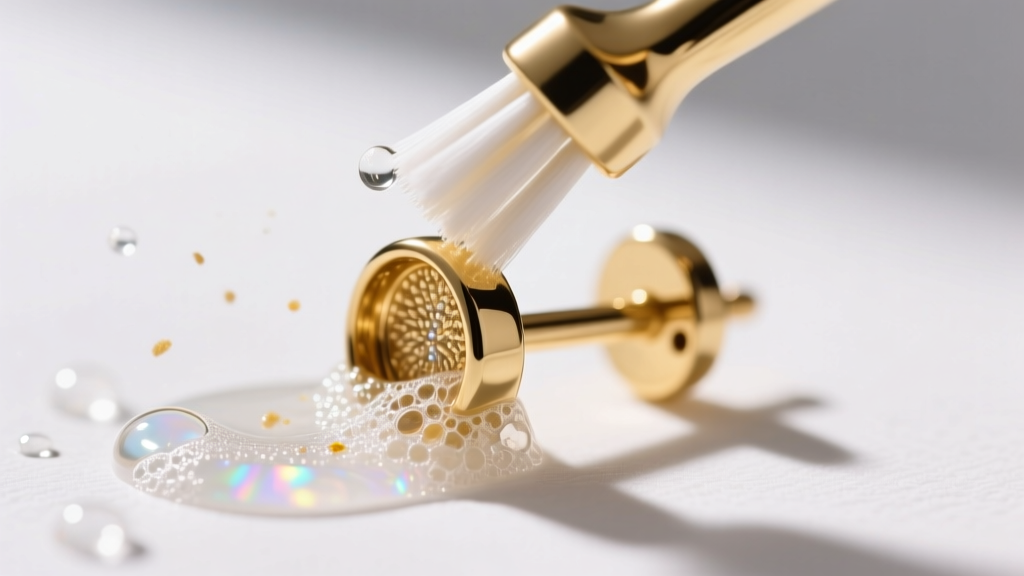
Pure 24k gold does not tarnish, but it is too soft for earring posts. Therefore, jewelers alloy it with copper, silver, and zinc to create 14k and 18k gold. The greatest threat to gold alloys is chlorine. Exposure to chlorine (whether from a swimming pool or a harsh household cleaner) causes stress corrosion cracking, which can literally snap a gold earring post at the solder joint. The ideal earring cleaner solution for solid gold is simply warm water mixed with a few drops of mild dish soap, applied with a soft-bristled brush.
The Gemstone Minefield: Porous vs. Hard Stones
The presence of gemstones completely dictates which earring cleaner solution you can safely use. Hardness (measured on the Mohs scale) is only half the battle; chemical stability is the real deciding factor. Porous stones absorb liquids, meaning chemical cleaners will permanently stain or dissolve them from the inside out.
| Material / Stone | Safe Earring Cleaner Solution | Chemicals to Strictly Avoid |
|---|---|---|
| ASTM F136 Titanium | 0.9% Sterile Saline, Mild Surfactant | Bleach, Fluoride, Alcohol |
| 925 Sterling Silver | Aluminum Foil + Baking Soda + Hot Water | Thiourea Dips, Chlorine, Ammonia |
| 14k / 18k Solid Gold | Warm Water + Mild Dish Soap | Chlorine, Aqua Regia, Abrasives |
| Diamonds & Sapphires | Ultrasonic Cleaner, Ammonia-based Solutions | Chlorine (can damage settings) |
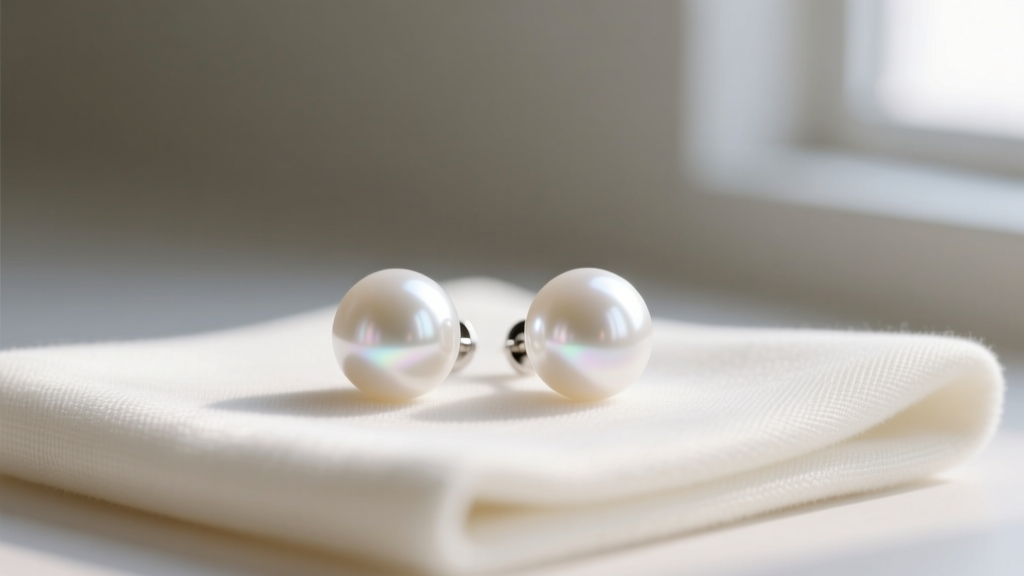
| Pearls, Opals & Turquoise | Damp Microfiber Cloth Only | ALL Liquids, Ultrasonic, Acids, Ammonia |
As noted by the GIA Pearl Care Guide, pearls are organic gemstones composed of calcium carbonate. They are highly sensitive to acids, alkalis, and even the natural acids in human sweat. Submerging pearl studs in any liquid earring cleaner solution will degrade their luster and weaken the silk thread or adhesive used in the setting.
Step-by-Step Troubleshooting for Common Earring Disasters
Issue 1: Crusty Buildup on the Earring Post and Clutch
The Problem: A hardened, waxy residue accumulates where the post meets the earlobe and inside the butterfly clutch, often accompanied by an unpleasant odor.
The Fix: This is oxidized sebum and dead skin. Do not scrape it off with a metal tool, as this will create micro-scratches on the post where bacteria can later hide. 1. Fill a small glass with warm water and a drop of enzymatic cleaner or mild dish soap. 2. Submerge only the metal posts and clasps (keeping any glued gemstones out of the water) for 5 to 10 minutes to soften the lipids. 3. Use a soft-bristled interproximal brush or a dedicated jewelry brush to gently sweep the grooves of the post and the inside of the clutch. 4. Rinse with distilled water and dry completely with a lint-free cloth before reinserting into the piercing.
Issue 2: Severe Black Tarnish on Silver Hoops or Dangles
The Problem: Your sterling silver huggies or drop earrings have turned dark brown or black due to sulfur exposure.
The Fix: Skip the commercial earring cleaner solution and use electrochemical reduction. 1. Line a heat-safe glass bowl with aluminum foil, shiny side facing up. 2. Add 1 tablespoon of baking soda and 1 tablespoon of sea salt. 3. Pour boiling water into the bowl and stir until the powders dissolve. 4. Drop your silver earrings into the solution, ensuring they touch the aluminum foil. You will see bubbles and smell a faint sulfur (rotten egg) odor. 5. Leave them for 60 to 90 seconds. The chemical reaction transfers the silver sulfide from the earring to the aluminum foil. 6. Remove with wooden tongs, rinse thoroughly under cool water, and buff to a high shine with a soft microfiber cloth.
Issue 3: Irritation and Redness Around the Piercing Hole
The Problem: The earlobe or cartilage piercing feels tender, itchy, or slightly swollen after wearing a specific pair of earrings.
The Fix: This is often contact dermatitis caused by nickel leaching from low-quality alloys, or a reaction to the harsh chemical residues left behind by an improper earring cleaner solution. Remove the jewelry immediately. Cleanse the piercing site with sterile saline spray, as recommended by the Association of Professional Piercers (APP). Switch to verified implant-grade titanium (ASTM F136) or niobium earrings, and ensure your cleaning routine relies on gentle, non-toxic surfactants rather than heavy chemical solvents that can remain trapped in the earring's crevices.
The Golden Rule of Earring Maintenance
There is no single miracle earring cleaner solution that works universally across all metals and gemstones. True jewelry care requires identifying the specific material composition of your earrings and applying targeted, scientifically sound cleaning methods. By abandoning harsh, one-size-fits-all chemical dips in favor of material-specific troubleshooting, you will dramatically extend the lifespan, brilliance, and safety of your earring collection.


