Earring Converters Explained: Turn Any Post Into Clip-Ons
Learn how earring converters work to transform standard post earrings into comfortable clip-ons. Discover types, materials, and pro styling tips.

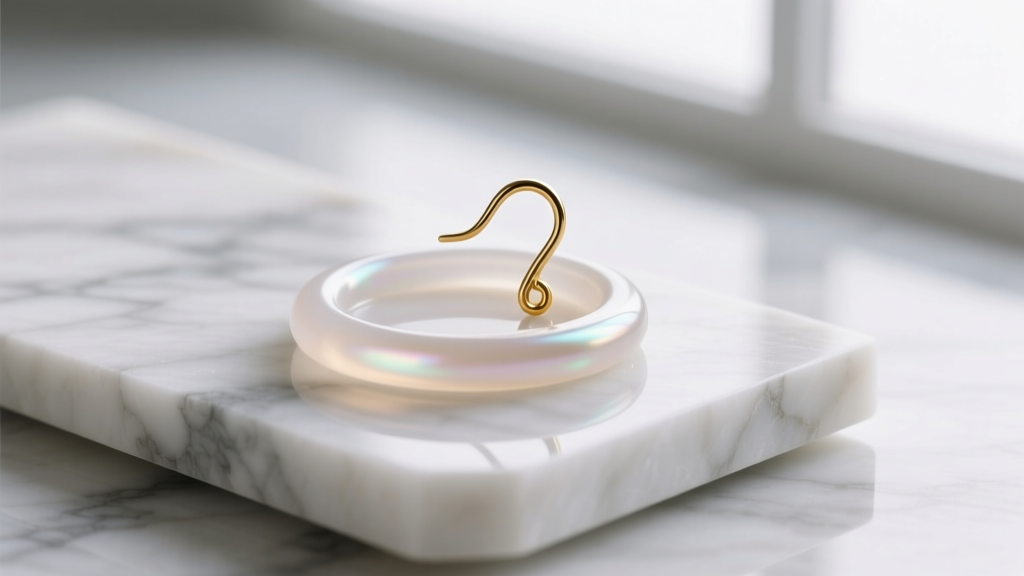
The Rise of Inclusive Jewelry: Why Earring Converters Matter
For decades, individuals with non-pierced ears have been relegated to a limited, often uncomfortable selection of vintage clip-ons or rigid screw-backs. As we navigate the jewelry landscape in 2026, the demand for inclusive, non-pierced options has pushed manufacturers to develop advanced medical-grade silicones and micro-magnetic findings. Enter the modern earring converter: a tiny but revolutionary finding that bridges the gap between standard pierced earrings and non-pierced earlobes. Whether you are waiting for a fresh piercing to heal, have metal allergies that complicate traditional piercings, or simply prefer to keep your lobes intact, earring converters allow you to wear virtually any standard post earring with confidence.
In this comprehensive beginner's guide, we will break down the mechanics of earring converters, explore the material science that makes them comfortable, and provide actionable troubleshooting tips to prevent your favorite dangles from slipping off.
What Exactly Are Earring Converters?
At their core, earring converters are adaptive jewelry findings designed to change the backing mechanism of an earring. The most common iteration is the post-to-clip-on converter. Standard pierced earrings feature a straight metal post (typically 20-gauge or 18-gauge) that passes through the earlobe and is secured by a friction clutch (butterfly back). A post-to-clip converter features a soft, flexible sleeve that grips this metal post, attached to a curved hook or pad that rests against the back of the non-pierced earlobe, effectively mimicking the tension of a traditional clip-on earring.
According to jewelry repair experts at Calla Gold Jewelry, the evolution of earring findings has shifted dramatically from rigid, pain-inducing metal clips of the 1980s to ergonomic, pressure-distributing polymers used today. This shift means non-pierced individuals no longer have to sacrifice comfort for style.
The 3 Main Types of Earring Converters
Not all converters are created equal. The right choice depends heavily on the weight of the earring, the thickness of your earlobe, and your personal comfort threshold. Below is a comparison chart to help you select the proper mechanism.
| Converter Type | Best For | Weight Limit | Mechanism | Common Failure Point |
|---|---|---|---|---|
| Silicone Pad & Hook | Lightweight studs & small hoops | Under 5 grams | Friction sleeve + curved metal hook | Hook bends under heavy weight |
| Screw-Back Converter | Medium-weight dangles | 5 to 12 grams | Threaded post + adjustable tension pad | Threads strip or pad cracks |
| Magnetic Converter | Heavy statement pieces | 12+ grams | Neodymium magnetic attraction | Magnets slide on oily skin |
1. Silicone Pad and Hook Converters
These are the most ubiquitous and affordable converters on the market. They consist of a clear, medical-grade silicone sleeve with a U-shaped wire hook extending from the base. You push the earring post through the sleeve, and the hook curls around the back of your earlobe. They are virtually invisible from the front and highly comfortable for all-day wear, provided the earring is relatively lightweight.
2. Screw-Back Converters
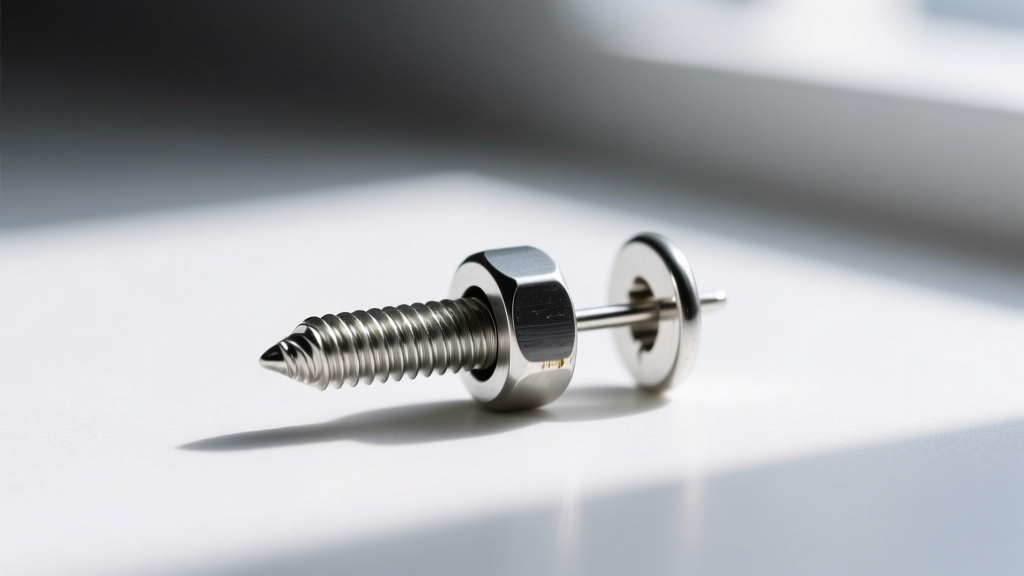
Screw-back converters offer a more secure, adjustable fit. The earring post is inserted into a specialized clutch that features a tiny threaded screw. By turning the screw, you adjust the tension pad against the back of your earlobe. This is ideal for medium-weight drop earrings that might pull a standard hook converter downward. However, they require a bit more dexterity to operate and can be frustrating for those with limited fine motor skills.
3. Magnetic Converters
Magnetic converters utilize high-strength neodymium magnets (typically N42 or N52 grades) to sandwich the earlobe between the front earring post and a magnetic backplate. These are exceptional for heavy, oversized statement earrings because the magnetic pull force easily supports 15+ grams of metal and gemstones without relying on the structural integrity of a bent wire hook.
Step-by-Step: How to Attach a Post-to-Clip Converter
If you are using the standard silicone pad and hook converter, follow these precise steps to ensure a secure fit that won't damage your jewelry:
- Step 1: Inspect the Post. Check the tip of your earring post. If it is sharp or has rough edges from manufacturing, it will slice through the silicone sleeve. Lightly file the tip with a fine-grit emery board if necessary.
- Step 2: Remove the Friction Clutch. Take off the standard butterfly back. Do not attempt to push the converter over the existing clutch, as this will stretch and tear the silicone.
- Step 3: Insert the Post. Push the bare earring post straight through the center of the silicone sleeve until the earring head sits flush against the front of the pad.
- Step 4: Secure the Hook. Gently bend the wire hook so it curves upward, matching the natural contour of your earlobe. The hook should apply gentle, even pressure without pinching the skin.
Troubleshooting Common Failure Modes
Even the best earring converters can fail if used incorrectly. As a jewelry stylist, I see the same three issues repeatedly. Here is how to diagnose and fix them.
Issue 1: The Silicone Sleeve Keeps Tearing
The Cause: This is almost always caused by the sharp, stamped edges of cheap butterfly clutches or a rough earring post. It can also happen if you are trying to force a 16-gauge (1.29mm) post into a converter designed strictly for 20-gauge (0.81mm) wires.
The Fix: Always use the bare post. If your earring posts are 18-gauge (1.02mm) or thicker, look for converters specifically labeled 'heavy-duty' or 'wide-bore', which use a lower Shore A hardness silicone (around Shore A 30) that stretches without micro-tearing.
Issue 2: Heavy Dangles Pull the Hook Downward
The Cause: Gravity. When a heavy gemstone drop earring is attached to a hook converter, the center of gravity shifts, causing the earring to tilt forward and the hook to slide down the back of the lobe.
The Fix: Apply an invisible earlobe support patch (a small, clear adhesive sticker) to the back of your earlobe before attaching the converter. This creates a high-friction surface that prevents the metal hook from slipping down your skin, keeping heavy dangles perfectly upright.
Issue 3: Magnetic Converters Keep Sliding Off
The Cause: Sebum (skin oil) and moisturizers create a lubricated surface on the earlobe, reducing the friction required to keep the neodymium magnets locked in place.
The Fix: Wipe your earlobes with a cotton pad soaked in 70% isopropyl alcohol before putting on magnetic converters. This removes oils and temporarily increases skin friction, ensuring the magnets grip securely for hours.
Material Science and Hypoallergenic Considerations
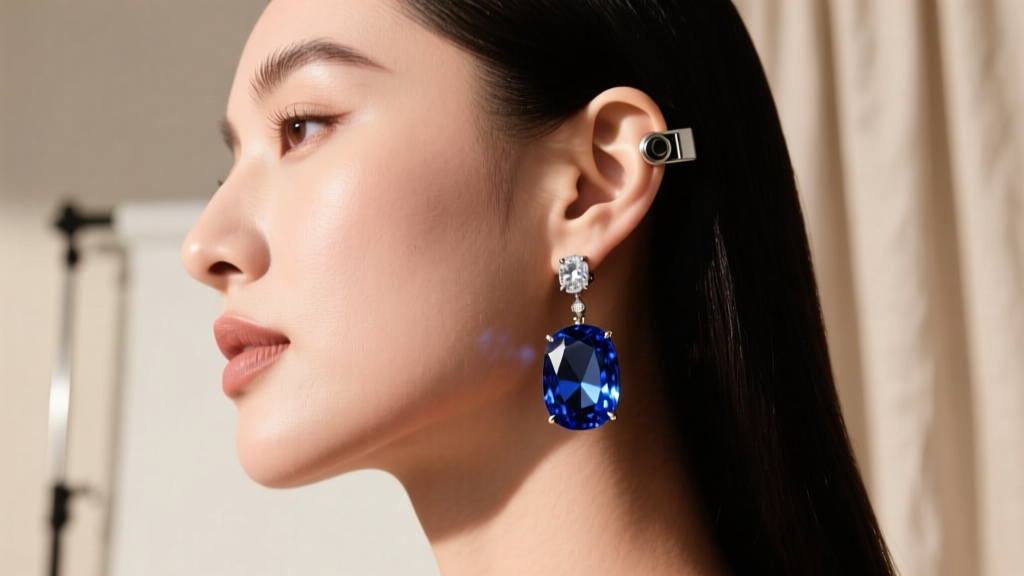
When wearing earring converters, the materials touching your skin are paramount. The American Academy of Dermatology notes that nickel allergy is one of the most common causes of allergic contact dermatitis, frequently triggered by cheap jewelry findings.
When shopping for converters, pay strict attention to the metal grade of the hook or magnetic backplate:
- Surgical Stainless Steel (316L): The industry standard. It contains trace amounts of nickel, but it is tightly bound within the alloy and rarely causes reactions unless you have a severe, clinically diagnosed nickel allergy.
- Implant-Grade Titanium (ASTM F136): The gold standard for hyper-sensitive skin. If you react to 316L steel, you must seek out titanium converter hooks. They are lightweight, entirely nickel-free, and highly resistant to corrosion from skin acids.
- Silicone Quality: Look for 'platinum-cured' or 'medical-grade' silicone. Cheap, peroxide-cured silicones often leave a white, powdery residue and can degrade into sticky compounds when exposed to UV light and skin oils over time.
Pricing Expectations and Where to Buy
You do not need to spend a fortune on earring converters, but you should avoid the absolute cheapest options. Ultra-cheap multi-packs (often priced around $2 to $4 for 50 pairs on mass-market sites) typically use low-durometer silicone that yellows within a month and wire hooks made from uncoated brass that will turn your skin green.
The Sweet Spot: Expect to pay between $8 and $15 for a high-quality pack of 10 to 20 pairs from reputable jewelry supply brands or specialized accessory boutiques. Brands like Clipso or Earring Doctor offer reliable, hypoallergenic options that will last for years if cleaned regularly with mild soap and water.
Final Thoughts on Styling with Converters
Earring converters are a masterclass in jewelry adaptation. By understanding the gauge of your earring posts, the weight of your dangles, and the specific mechanics of hooks, screw-backs, and magnets, you can unlock your entire jewelry box regardless of your piercing status. Treat your converters with the same care as your fine jewelry—keep them clean, store them away from direct sunlight, and replace the silicone pads at the first sign of stiffness or tearing. With the right technique, no one will ever know you aren't pierced.


