The Right Earring for Headaches: 2026 Wellness Trends
Explore the 2026 wellness trend of the earring for headaches. Discover daith piercing jewelry, acupressure cuffs, and ergonomic lightweight designs.

The Intersection of Bio-Hacking and Fine Jewelry
In the evolving landscape of 2026 fashion, the boundary between aesthetic adornment and functional wellness has completely dissolved. The modern consumer is no longer just asking what looks good; they are asking what feels good, what heals, and what supports their neurological baseline. Enter the most fascinating niche in the accessory market: the search for the perfect earring for headaches. Whether you suffer from chronic migraines, tension-type headaches, or ear-lobe fatigue, the jewelry industry has responded with a blend of ancient auricular therapy and cutting-edge metallurgy. This is no longer just about hiding a magnetic stud; it is about integrating bio-hacking into your daily style.
As a senior style analyst for Jewel Style Radar, I have tracked the surge in "wellness piercings" and ergonomic jewelry designs. Today, we are breaking down the science, the style, and the specific material grades you need to know when shopping for headache-relief earrings.
Daith Piercings: The Migraine Relief Phenomenon
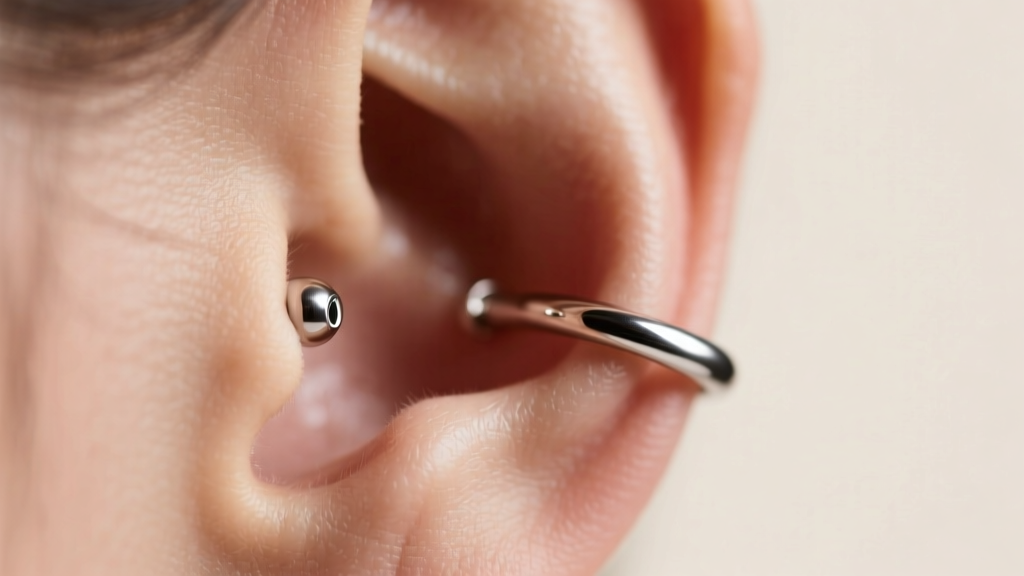
The daith piercing, located in the innermost fold of the ear cartilage (the crus of the helix), has become the gold standard for those seeking an alternative earring for headaches. The theory hinges on the auricular branch of the vagus nerve (often called Arnold's nerve), which supplies sensation to this specific area of the pinna. According to the American Migraine Foundation, stimulating this nerve pathway can mimic the effects of auricular acupuncture, potentially modulating the parasympathetic nervous system and reducing the frequency and severity of migraine attacks.
Anatomy and Gauge Specifics
If you are pursuing a daith piercing for therapeutic reasons, precision is non-negotiable. The standard gauge for a daith is 16g (1.2mm) or 14g (1.6mm). Choosing the correct diameter is equally critical; a ring that is too tight will cause pressure necrosis and actually trigger tension headaches, while one that is too loose will snag and irritate the healing fistula. For most ear anatomies, a 3/8" (10mm) or 7/16" (11mm) inner diameter hinged segment ring provides the optimal balance of comfort and aesthetic drape.
Best Metals for Neurological Sensitivity
When your nervous system is already primed for a migraine, systemic inflammation from contact dermatitis can be the tipping point. Cheap "surgical steel" often contains up to 14% nickel. As the Association of Professional Piercers (APP) strictly advises, individuals with sensitivities must avoid nickel-bearing alloys.
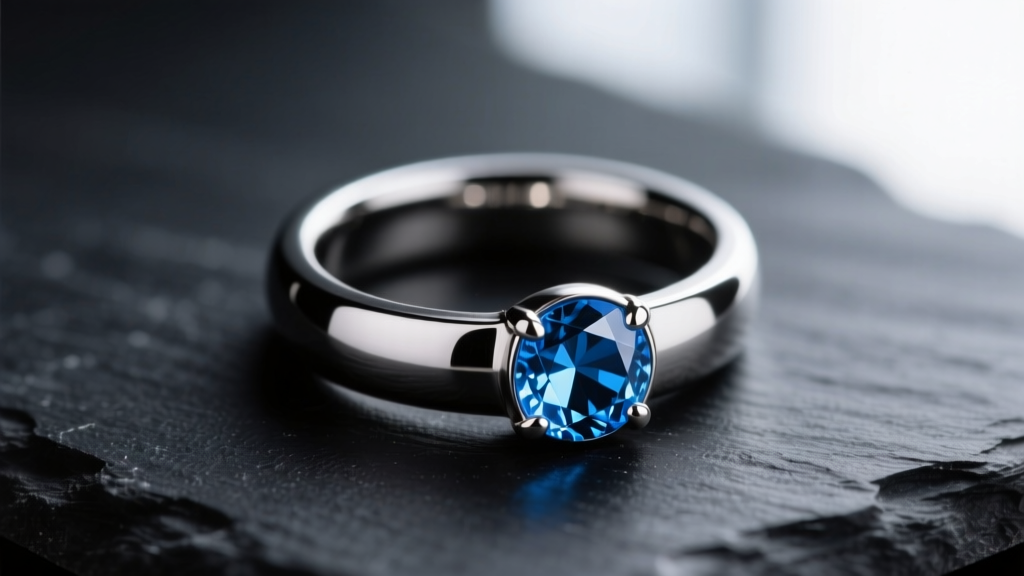
The undisputed champion for the migraine-prone individual is ASTM F136 ELI (Extra Low Interstitial) Implant-Grade Titanium. It is entirely nickel-free, highly polished to a mirror finish to prevent bacterial adhesion, and lightweight. In 2026, we are seeing jewelers anodize this titanium into rich hues of deep violet and rose gold, allowing for a highly customized, stylish earring for headaches that doesn't compromise on biocompatibility.
Acupressure Ear Cuffs: The Non-Committal Alternative
Not everyone wants a permanent cartilage piercing. For the un-pierced individual, or those who want to test auricular therapy before committing, the acupressure ear cuff has seen a massive design overhaul. Historically, these were bulky, ugly magnetic clips. Today, they are sleek, tension-fit auricle cuffs designed to target the "Shen Men" point—a master point in auriculotherapy located in the triangular fossa of the upper ear, renowned for calming the central nervous system.
Stylist Note: When wearing an acupressure cuff, the pressure should be firm but never throbbing. Limit wear to 4-6 hours at a time to prevent cartilage bruising, which can ironically lead to localized tension headaches.
Tension Headaches: The Weight Factor in Drop Earrings
Sometimes, the earring for headaches isn't a therapeutic device; it is simply an ergonomic one. Tension headaches frequently originate from the cervical spine and scalp muscles. The ear lobule lacks cartilage and is composed entirely of adipose and connective tissue, laced with the great auricular nerve. Wearing heavy statement earrings creates continuous traction on this nerve, sending pain signals radiating up the neck and behind the eyes.
Understanding the weight-to-wear-time ratio is crucial for headache prevention. Below is our 2026 ergonomic jewelry matrix:
| Earring Style | Average Weight (Per Ear) | Tension Headache Risk | Max Recommended Wear Time |
|---|---|---|---|
| Hollow Gold Huggies | 1.5g - 3g | Minimal | 24+ Hours |
| Titanium Daith Clickers | 2g - 4g | None (Cartilage) | Continuous |
| Solid Brass Drop Earrings | 12g - 18g | Moderate to High | 4 - 6 Hours |
| Heavy Resin Statement Hoops | 20g - 35g | Severe | Under 2 Hours |
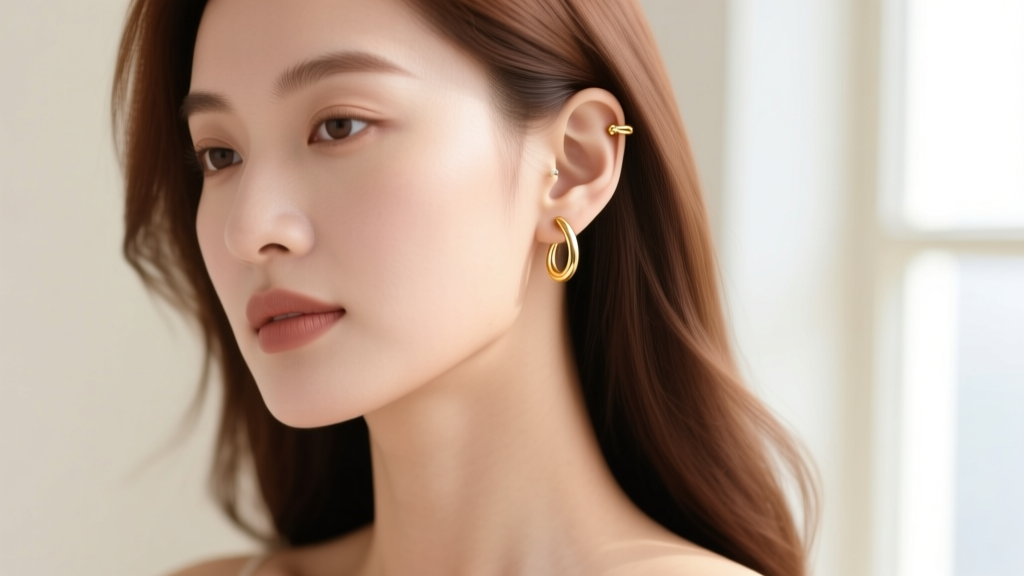
To combat this, top designers in 2026 are utilizing electroforming techniques and hollow-cast 14k gold to create voluminous, dramatic drop earrings that weigh less than 5 grams per pair. If you are prone to tension headaches, always check the gram weight of a statement piece before purchasing.
2026 Style Forecast: Wellness Meets High Fashion
The days of sacrificing style for comfort are over. The wellness jewelry sector has matured, offering pieces that rival high-end couture. Here is what is trending in the headache-relief space this year:
- Micro-Pave Daith Clickers: Hinged segment rings featuring lab-grown diamond micro-pave settings. They offer the therapeutic pressure of a daith ring with the brilliance of fine jewelry.
- Continuous Niobium Hoops: Niobium is a highly inert, hypoallergenic reactive metal. Seamless continuous hoops in anodized midnight blue are trending for lobe and cartilage wearers who need zero-friction jewelry to prevent sensory-triggered migraines.
- Ergonomic Ear Jackets: These sit behind the lobe, distributing the visual weight of a large earring across a wider surface area of the ear, drastically reducing the downward pull on the piercing hole.
Expert Troubleshooting & Aftercare
When utilizing jewelry as a wellness tool, improper aftercare can introduce new stressors to the body. Keep these expert troubleshooting tips in mind:
- Migration vs. Healing Bumps: If your daith piercing develops a bump, do not immediately assume it is an infection. It is often a localized stress response (hypertrophic scarring) caused by pressure or snagging. Switch to a sterile saline spray twice daily and avoid touching the jewelry.
- The "Click" Mechanism: When buying a hinged clicker for a daith piercing, ensure the hinge is seamless. A poorly machined hinge can harbor bacteria and cause chronic low-grade inflammation, which acts as a physical stressor that can trigger headache episodes.
- Sleeping Posture: For side sleepers, pressure on a fresh cartilage piercing or even a heavy lobe earring can cause cervicogenic headaches. Invest in a silk travel pillow with a central cutout to relieve ear pressure during the night.
Final Thoughts
Finding the right earring for headaches is a deeply personal journey that requires an understanding of your own anatomy, your neurological triggers, and the material science of fine jewelry. Whether you opt for the vagus-nerve stimulation of an ASTM F136 titanium daith clicker, the targeted pressure of a modern Shen Men cuff, or simply the ergonomic grace of a hollow-cast gold drop, 2026 offers a solution that refuses to compromise on elegance. Listen to your body, respect the weight limits of your lobes, and embrace the era of jewelry that truly heals.


