True Religion Earrings: Material Quality & Plating Guide
Analyze the materials, plating thickness, and base metals used in True Religion earrings. Learn how to prevent tarnish and skin reactions.

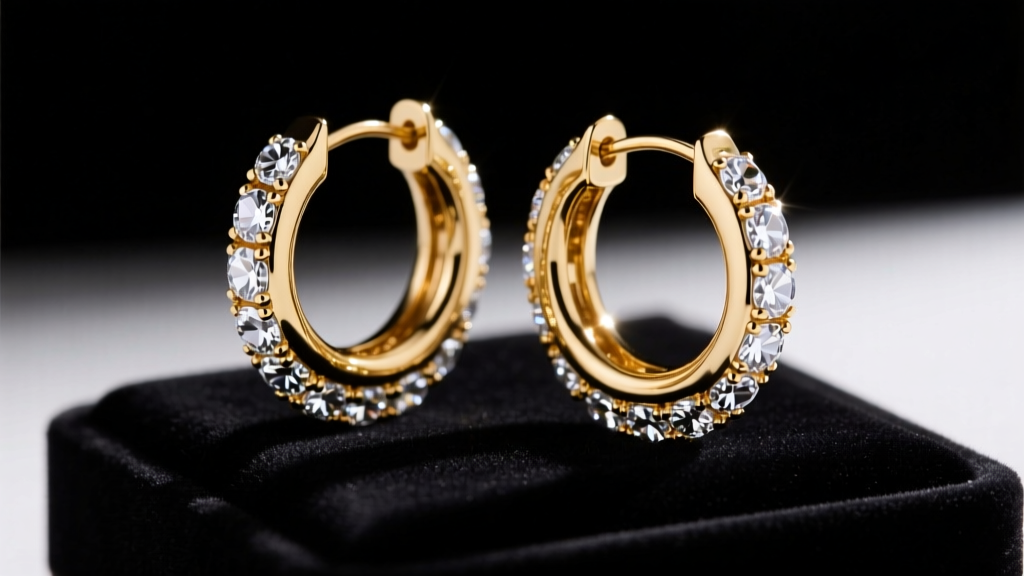
The Material Reality of True Religion Fashion Jewelry
When navigating the vintage and secondary jewelry market in 2026, understanding the exact material composition of fashion accessories is critical for both collectors and everyday wearers. True Religion, a brand synonymous with 2000s denim culture and bold Americana aesthetics, extended its brand identity into fashion jewelry. However, unlike fine jewelry houses that deal in solid 14k gold and platinum, True Religion earrings are fundamentally fashion jewelry. This means their value and longevity are dictated not by intrinsic metal weight, but by the quality of their base alloys, plating techniques, and structural engineering.
For buyers on platforms like Poshmark, Depop, or vintage curators, distinguishing between a well-preserved pair of authentic True Religion hoops and a degraded, poorly stored pair requires a deep dive into material science. This guide breaks down the specific alloys, plating micron thicknesses, and gemstone adhesives used in these pieces, providing a comprehensive framework for assessing their condition and wearability.
Base Metals: Zamak vs. Brass Alloys
The foundation of any fashion earring is its base metal. True Religion jewelry manufacturers primarily utilized two distinct base materials depending on the earring's structural requirements: Zamak and Brass.
Zamak (Zinc Alloy) for Chunky Silhouettes
Zamak is a family of alloys with a base metal of zinc and alloying elements of aluminum, magnesium, and copper (the 'k' stands for Kupfer, the German word for copper). It is heavily used in True Religion stud earrings, heavy dangles, and the iconic horseshoe logo charms.
- Properties: Zamak has a low melting point, making it ideal for intricate die-casting. It allows for the heavy, chunky, three-dimensional shapes characteristic of 2010s True Religion designs.
- Failure Modes: While it feels substantial and heavy (mimicking the heft of solid silver), Zamak is inherently brittle. If dropped on a hard surface, Zamak earring components can snap or fracture rather than bend.
- Magnetism: Zamak is non-magnetic. A magnet test can help differentiate a Zamak base from cheaper, magnetic ferrous metals used in counterfeit pieces.
Brass for Structural Integrity
For large hoop earrings and huggies that require tensile strength and a secure hinge mechanism, brass (an alloy of copper and zinc) is the standard.
- Properties: Brass is malleable yet strong, allowing earring posts and hoop wires to be bent slightly for fit without snapping.
- Tarnish Risk: Unsealed brass oxidizes rapidly when exposed to the sulfur in human sweat, leading to the dreaded 'green skin' effect if the outer plating wears through.
Plating Properties: Flash Plating vs. E-Coating
The visual appeal of True Religion earrings comes from their surface finish—typically high-polish gold-tone, silver-tone, or rose gold-tone. Understanding the plating thickness is vital for predicting the lifespan of the piece.
According to the Federal Trade Commission (FTC) Guides for the Jewelry Industry, gold electroplating must meet specific micron thresholds to be legally marketed with certain terms. True Religion fashion pieces generally utilize flash plating. Flash plating involves an extremely thin layer of gold or rhodium (typically less than 0.175 microns, or 7 millionths of an inch).
Because flash plating is so thin, it is highly susceptible to friction wear. To combat this, modern and well-preserved vintage True Religion pieces often feature a clear e-coating (electro-coating) or anti-tarnish lacquer. This microscopic polymer layer seals the flash plating, preventing oxygen and moisture from reaching the brass or Zamak underneath. When buying vintage True Religion earrings in 2026, checking for the presence of this e-coating is crucial; if the piece feels overly 'grippy' or shows a yellowish tint in the crevices, the original lacquer may be degrading.
Material & Plating Comparison Chart
| Material Component | Common Application | Durability (1-10) | Tarnish & Wear Risk |
|---|---|---|---|
| Zamak Alloy Base | Chunky studs, logo charms | 6/10 | Moderate (Brittle fracture risk) |
| Brass Base | Hoops, huggies, wire wraps | 8/10 | High (Causes green skin if exposed) |
| 316L Surgical Steel | Earring posts, friction backs | 10/10 | None (Hypoallergenic) |
| Flash Plating (Gold/Rhodium) | Surface finish (under 0.175µm) | 4/10 | High (Wears off with friction) |
| Cubic Zirconia (CZ) | Pavé settings, halo drops | 9/10 | Low (Stones survive, adhesive fails) |
The Post and Clutch: Surgical Steel Integration
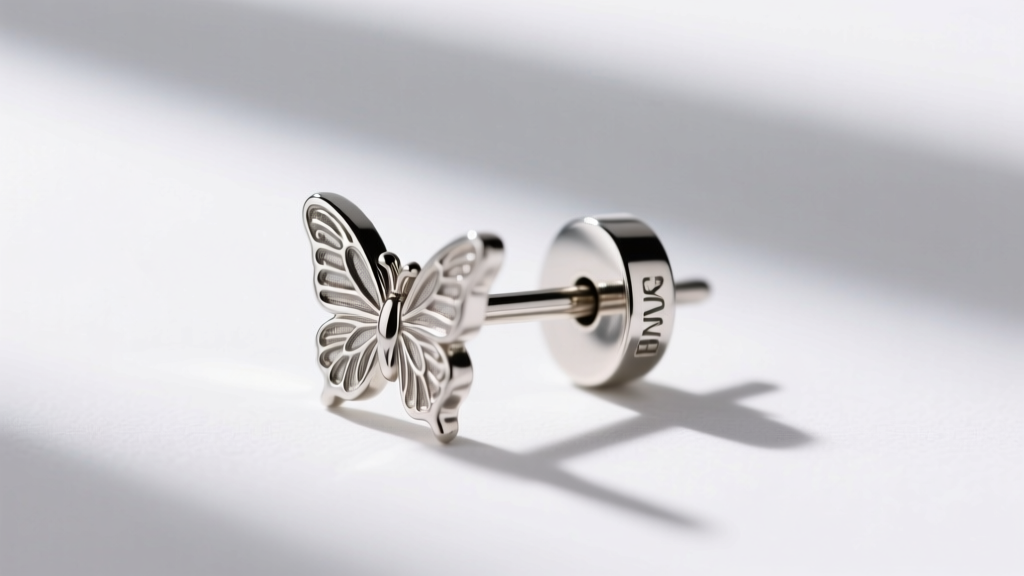
A common misconception is that fashion earrings are entirely composed of base metals. To comply with global nickel-sensitization regulations and ensure consumer safety, the actual post (the part that pierces the earlobe) of authentic True Religion earrings is almost universally crafted from 316L surgical stainless steel.
Even if the decorative front of the earring is gold-plated Zamak, the post is steel. This is a critical authentication marker. If you examine the post of a suspected authentic pair and notice it bending too easily, flaking, or showing signs of copper oxidation, you are likely looking at a counterfeit piece that cut costs by using copper or brass for the post itself.
Gemstones: Cubic Zirconia vs. Glass and Adhesive Failure
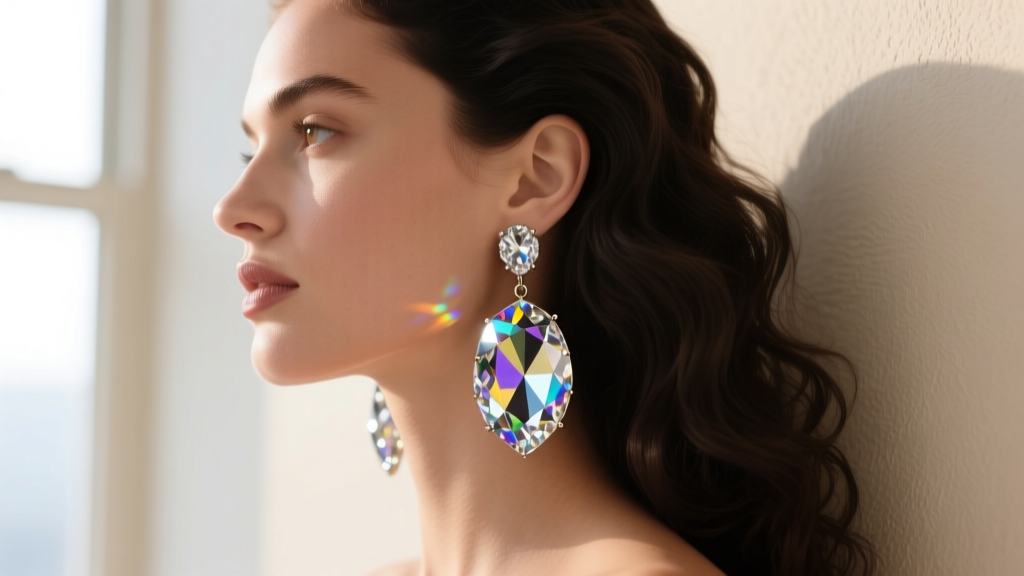
True Religion earrings frequently feature heavy embellishment, utilizing the brand's signature horseshoe motifs encrusted with stones. These are predominantly Cubic Zirconia (CZ) or high-grade faceted glass.
The Adhesive Vulnerability
While CZ is incredibly hard (8.5 on the Mohs scale) and will not scratch or cloud easily, the failure point in True Religion pavé earrings is the adhesive. Manufacturers typically use a two-part jewelry epoxy or UV-cured resin to set the stones into the cast metal channels. Over time, exposure to heat (like leaving earrings in a hot car or wearing them in a sauna) and contact with cosmetics or alcohol-based perfumes will break down the epoxy matrix. When assessing vintage True Religion dangles, always run a wooden toothpick gently over the pavé stones; if any stone shifts or clicks, the adhesive has failed, and the piece requires professional jeweler repair rather than simple DIY gluing, which can cloud the stones.
Allergies and the 'Green Ear' Phenomenon
Contact dermatitis is a primary concern with vintage fashion jewelry. According to clinical data on Nickel Allergy published in StatPearls, nickel is a leading cause of allergic contact dermatitis. While True Religion shifted toward nickel-compliant manufacturing for their European and US markets, older vintage pieces (pre-2012) may contain trace nickel in the white-gold-tone rhodium flash plating or the brass alloy itself.
If you experience itching, redness, or weeping of the earlobe, remove the earrings immediately. To prevent the 'green ear' effect caused by copper in brass reacting to sweat's acidity, apply a micro-thin layer of clear, hypoallergenic nail polish to the earring post and the back of the decorative stud before wearing. This creates an inert, temporary barrier between the base metal and your skin.
2026 Maintenance Protocols for Plated Fashion Earrings
Preserving the material integrity of True Religion earrings requires abandoning traditional fine jewelry cleaning methods.
- Never Use Ultrasonic Cleaners: The high-frequency vibrations will shatter the brittle epoxy holding the CZ stones in place, resulting in massive stone loss.
- Avoid Silver Dips and Ammonia: Chemical dips designed to strip silver sulfide (tarnish) will instantly dissolve the microscopic flash plating and e-coating on fashion jewelry, leaving you with a dull, gray base metal.
- The Microfiber Method: To clean oils and lotions from the surface, use a dry, untreated jeweler's microfiber cloth. For stubborn buildup around the horseshoe logo crevices, use a soft-bristled baby toothbrush lightly dampened with distilled water and a drop of pH-neutral dish soap, drying immediately with compressed air or a lint-free wipe.
Final Thoughts on Material Value
True Religion earrings represent a specific era of bold, unapologetic fashion jewelry. Their value in 2026 lies in their design heritage, structural weight, and the nostalgic appeal of the Y2K and 2010s aesthetic transitions. By understanding the Zamak and brass foundations, respecting the fragility of flash plating, and maintaining the structural adhesives, collectors and wearers can keep these iconic pieces in rotation for decades to come.


