Roman Pearl Earrings: The Ultimate Buying Guide & Style Tips
Discover how to shop for roman pearl earrings. Learn to distinguish glass-core simulants from cultured gems, check coatings, and find your perfect pair.

What Exactly Are Roman Pearl Earrings?
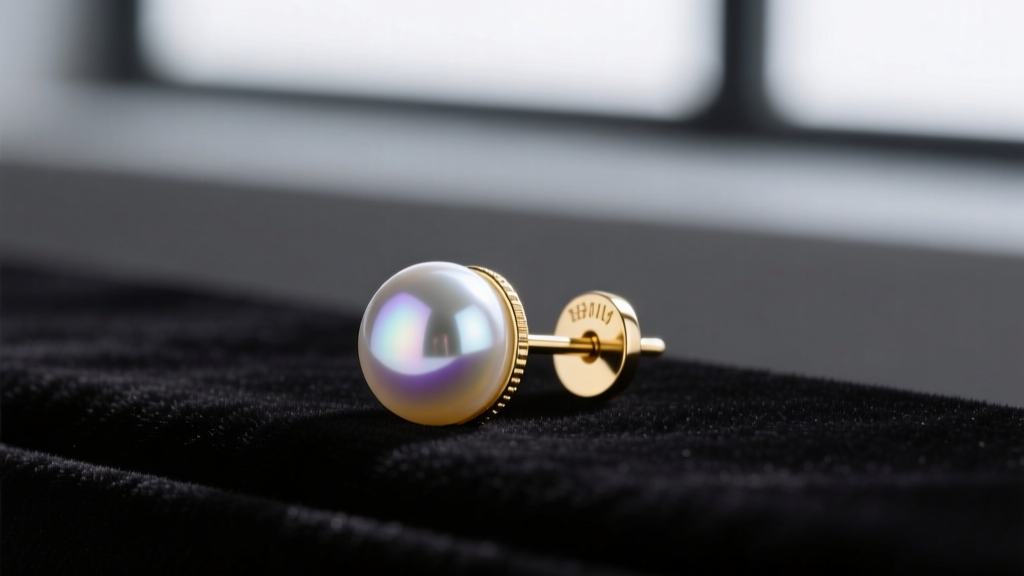
When navigating the vintage and estate jewelry market, or browsing modern heritage-inspired collections, you will inevitably encounter the term "roman pearl earrings." Despite the name, these gems do not originate from ancient Rome, nor are they harvested from the Mediterranean Sea. In the gemological and antique jewelry sectors, "Roman pearls" refers to a highly specific, premium category of glass-core pearl simulants. Popularized in the late 19th and early 20th centuries—and famously perfected by brands like Majorica—these earrings are celebrated for their flawless, mirror-like luster and substantial weight.
As we move through 2026, the market for high-end pearl simulants has evolved. Modern buyers are increasingly drawn to roman pearl earrings not as "fakes," but as deliberate, sustainable alternatives to cultured pearls. They offer a blemish-free, perfectly spherical aesthetic that is incredibly difficult to achieve in nature without commanding a five-figure price tag. However, because they are manufactured, the quality variance in the secondary market is massive. This buying guide will equip you with the technical knowledge to evaluate coating integrity, metal hardware, and structural durability before you invest.
The Anatomy of a Premium Glass Pearl
To buy intelligently, you must understand the engineering behind the earring. According to the Gemological Institute of America (GIA), pearl simulants are defined by their manufacturing process rather than their biological origin. A high-quality roman pearl earring consists of three distinct layers:
- The Core: Traditionally made of leaded crystal for weight and refractive index, modern 2026 iterations utilize dense, lead-free barium glass or alabaster to meet contemporary safety and sustainability standards.
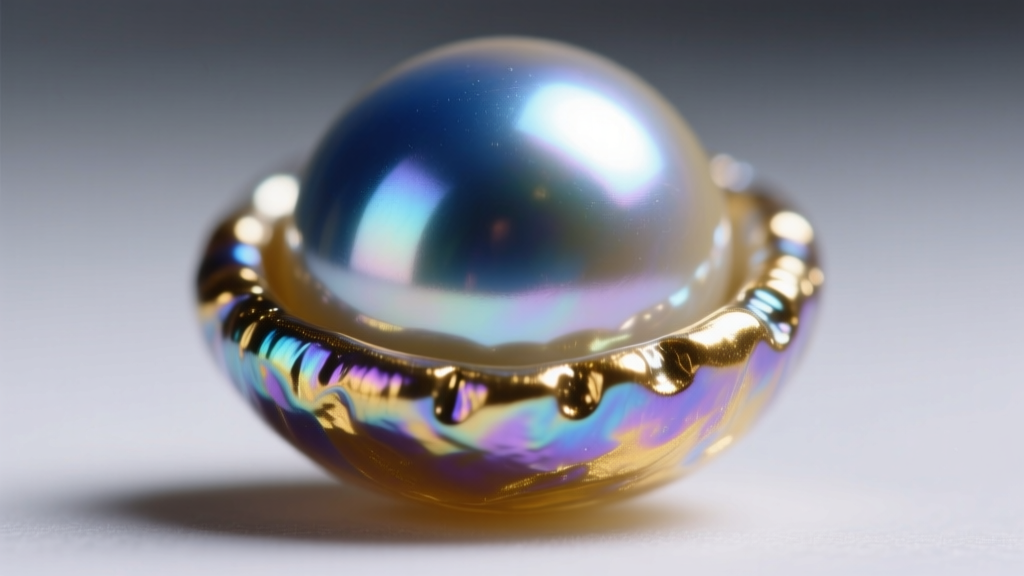
- The Pearlescent Coating: Historically derived from guanine (crystallized fish scales), today’s premium simulants use synthetic bismuth oxychloride or titanium dioxide mica to achieve that signature deep, glowing orient.
- The Protective Topcoat: A clear, UV-resistant cellulose or acrylic resin that prevents the pearlescent layer from chipping or degrading from skin oils and cosmetics.
Roman Simulants vs. Cultured Pearls: A Technical Comparison
Many buyers mistakenly believe that cultured pearls are universally superior to simulants. While cultured pearls possess the prestige of natural origin, roman glass pearls offer distinct advantages in terms of durability and visual consistency. Below is a technical comparison to help you weigh your options.
| Feature | Premium Roman Pearl (Simulant) | Akoya Cultured Pearl | Freshwater Cultured Pearl |
|---|---|---|---|
| Core Material | Dense Glass / Alabaster | Hardwood Bead (Nucleus) | Solid Nacre (No Bead) |
| Surface Blemishes | None (100% Flawless) | Moderate to High | Low to Moderate |
| Luster Type | Mirror-like, Highly Reflective | Sharp, Metallic, Deep Orient | Soft, Satin, Diffused |
| Weight | Heavy (Requires sturdy posts) | Medium | Light to Medium |
| Avg. Price (8mm Studs) | $80 - $250 | $300 - $800+ | $50 - $150 |
The 2026 Buyer’s Checklist: What to Look For
When evaluating roman pearl earrings, whether at an estate auction or a modern boutique, you must look past the surface shine. The failure points of glass pearl earrings are almost entirely related to hardware and coating degradation. Use this checklist to ensure you are purchasing a piece that will last.
1. Post Gauge and Base Metal Integrity
Because glass cores are significantly denser than calcium carbonate nacre, roman pearl earrings are heavier than their cultured counterparts. A standard 20-gauge (0.81mm) sterling silver post will easily bend under the weight of a 10mm glass pearl, leading to lost earrings and stretched earlobes. Always inspect the post thickness. You want a minimum of 18-gauge (1.02mm) or 19-gauge wire. Furthermore, ensure the post is crafted from 14k/18k gold, platinum, or surgical-grade titanium. Gold-plated brass posts will eventually corrode when exposed to the acidic environment of the ear canal, compromising the structural integrity of the earring.
2. Earring Backs and Security Mechanisms
Never buy heavy roman pearl earrings with standard butterfly friction backs. The smooth surface of a thick glass bead creates a pendulum effect on the earlobe, which slowly works standard friction backs off the post. For studs, demand La Pousette backs (which lock into a groove on the post), screw-backs, or heavy-duty jumbo silicone clutches. For drop or dangle styles, ensure the ear wire features a secure lever-back mechanism or a silicone stopper.
3. The Drill Hole and Coating Adhesion
The most vulnerable point of any coated simulant is the drill hole. Inspect the area where the post enters the bead. If you see flaking, peeling, or a visible "lip" where the coating has lifted away from the glass core, walk away. This indicates poor adhesion during the manufacturing process or severe degradation from prolonged exposure to skin acids. High-quality roman pearls are often dipped multiple times and cured in UV chambers to ensure the bismuth coating bonds seamlessly to the glass.
Debunking the "Tooth Test" Myth
If you have researched pearl authentication, you have likely heard of the "tooth test"—rubbing the pearl against your teeth to feel for a gritty, sandy texture (which indicates real nacre). Do not use this test on suspected roman pearls. While it will successfully identify the glass core (which feels perfectly smooth), modern high-end simulants often feature a micro-textured topcoat designed specifically to mimic the crystalline structure of nacre. Relying on the tooth test can lead to false positives with advanced 2026 simulants. Instead, use a 10x jeweler's loupe to examine the surface. Cultured pearls will show natural growth rings and microscopic terracing, while roman pearls will appear perfectly uniform, sometimes displaying a subtle, swirling "pinwheel" pattern in the coating under magnification.
Styling Roman Pearl Earrings for Your Face Shape
Because roman pearls offer perfect, unblemished spheres, they create strong geometric focal points on the face. Leveraging their visual weight is key to flattering styling.
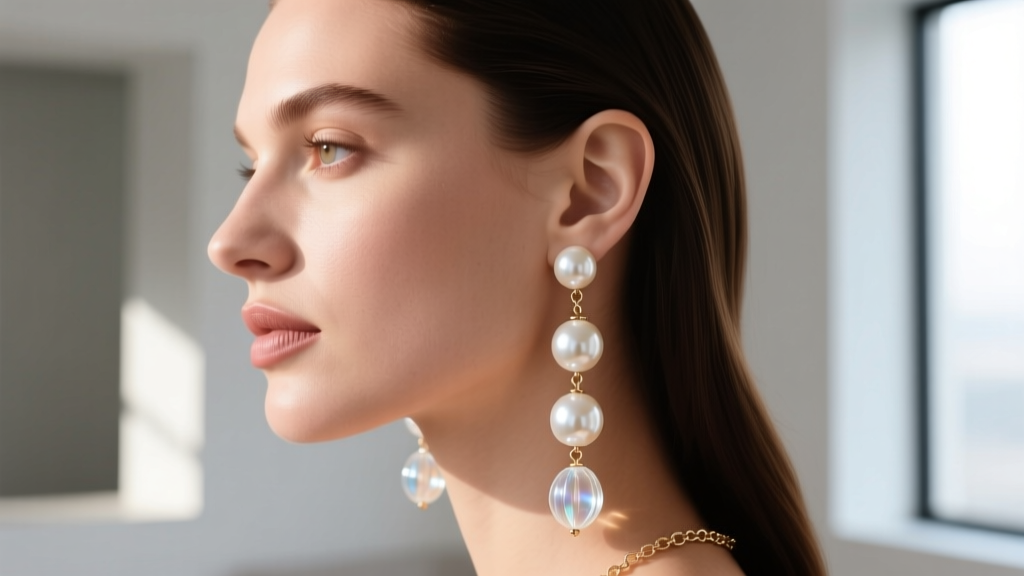
- Round Faces: Avoid large, perfectly round roman pearl studs, which will emphasize facial circularity. Instead, opt for roman pearl drop earrings or dangles that elongate the jawline and draw the eye downward.
- Angular/Square Faces: The soft, glowing luster of a large roman pearl stud (8mm to 10mm) is ideal. The flawless spherical shape softens sharp jawlines and adds a touch of organic curvature to angular features.
- Heart-Shaped Faces: Balance a wider forehead and narrow chin with roman pearl chandelier earrings or huggies that feature smaller, graduated glass pearls, adding volume near the lower half of the face.
Final Verdict: Are They Worth the Investment?
Roman pearl earrings occupy a unique space in the jewelry market. They are not an investment in the traditional sense—you will not see them appreciate in value like natural saltwater pearls or diamonds. However, as an investment in personal style, durability, and everyday luxury, they are exceptional. A well-crafted pair of 18k gold and roman glass pearl earrings will outlast a pair of thin-nacre cultured pearls, resisting chipping, dulling, and cosmetic damage. By focusing on post gauge, secure backing mechanisms, and coating integrity, you can secure a pair of heirloom-quality simulants that deliver flawless elegance for decades.


