Vermeer Woman With Pearl Earring Style: Ultimate Buying Guide
Discover how to buy and style the iconic Vermeer Woman With Pearl Earring look. Expert guide on pearl grades, sizing, and heavy-drop hardware.

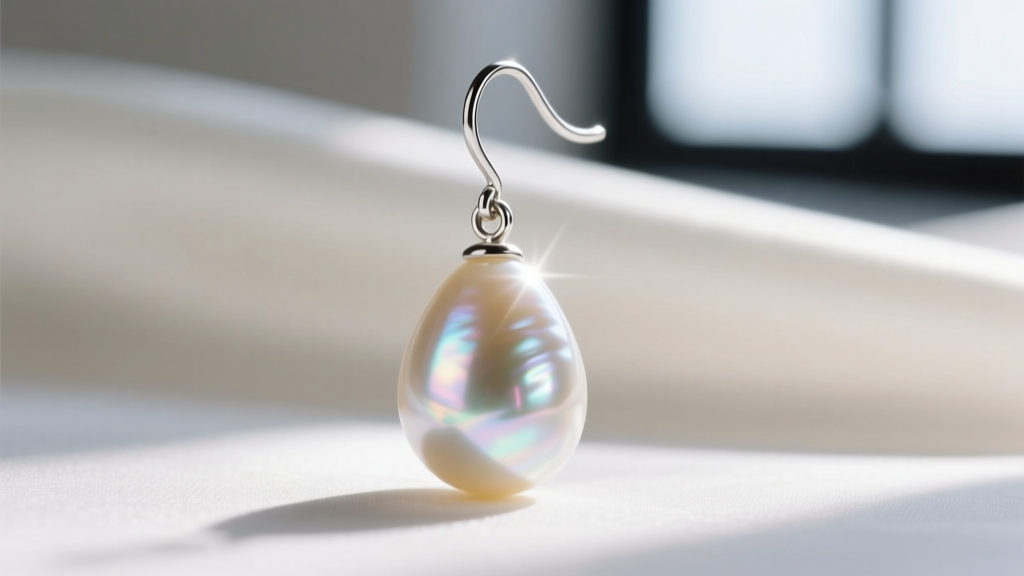
Johannes Vermeer’s 1665 masterpiece, Girl with a Pearl Earring, has captivated art historians and jewelry enthusiasts for centuries. The enigmatic subject’s gaze is undeniably magnetic, but it is the massive, luminous teardrop pearl resting against her jawline that anchors the composition. Today, the Vermeer Woman With Pearl Earring aesthetic remains a pinnacle of elegant, timeless jewelry styling. However, translating a 17th-century oil painting into a modern, wearable jewelry purchase requires a deep understanding of pearl grading, structural hardware, and facial proportion.
This comprehensive buying guide will walk you through the exact specifications needed to curate your own masterpiece, from selecting the right luster grade to engineering a backing system that prevents heavy drops from tearing your earlobe.
The Anatomy of the "Vermeer" Pearl Silhouette
To replicate the iconic look, we must first deconstruct the earring depicted in the painting. According to conservators at the Mauritshuis museum, the earring is not a simple round stud. It is an elongated, teardrop-shaped drop with an intensely concentrated highlight on the upper curve, suggesting a highly polished, spherical-to-baroque transition.
The scale of the pearl in the painting is impossibly large—estimated by gemologists to be at least 15mm to 18mm in diameter. In the 1600s, a natural saltwater pearl of this size and perfect teardrop symmetry would have been astronomically rare, leading many art historians to theorize that Vermeer actually painted a polished glass or tin drop. Regardless of its historical authenticity, achieving the Vermeer Woman With Pearl Earring silhouette today requires focusing on three visual pillars: elongated teardrop shape, high-contrast luster, and oversized scale.
Real vs. Simulated: Choosing Your Pearl Grade
When shopping for a statement drop, you are immediately confronted with a pricing dilemma. A natural or cultured saltwater pearl of 15mm+ is a luxury investment, while modern simulants offer the exact visual weight at a fraction of the cost. The Gemological Institute of America (GIA) categorizes pearl value based on luster, surface quality, and nacre thickness. Here is how the top contenders for the "Vermeer" look compare in the 2026 market.
| Pearl Type | Typical Size Range | Luster Quality | Est. Price (Per Pair) | Best For |
|---|---|---|---|---|
| White South Sea | 12mm - 18mm | Deep, satiny glow | $3,500 - $15,000+ | Heirloom collectors & luxury buyers |
| Edison Freshwater | 11mm - 15mm | Mirror-like, metallic | $150 - $600 | High-impact style on a mid-tier budget |
| Majorica (Simulated) | 12mm - 16mm | Flawless, glassy shine | $200 - $350 | Flawless teardrop shapes & daily wear |
| Baroque Drop (Saltwater) | 13mm - 17mm | Organic, varied | $800 - $2,500 | Artistic, asymmetrical interpretations |
Expert Insight: If you want the exact mirror-like reflection seen in Vermeer’s brushstrokes, high-grade Edison freshwater pearls or Majorica glass pearls actually mimic the painting's highlight better than the softer, satiny luster of a South Sea pearl. Edison pearls are nucleated with a round bead and coated in thick, metallic nacre, giving them a sharp, glass-like reflection that photographs beautifully.
Weight Distribution & Backing Mechanics
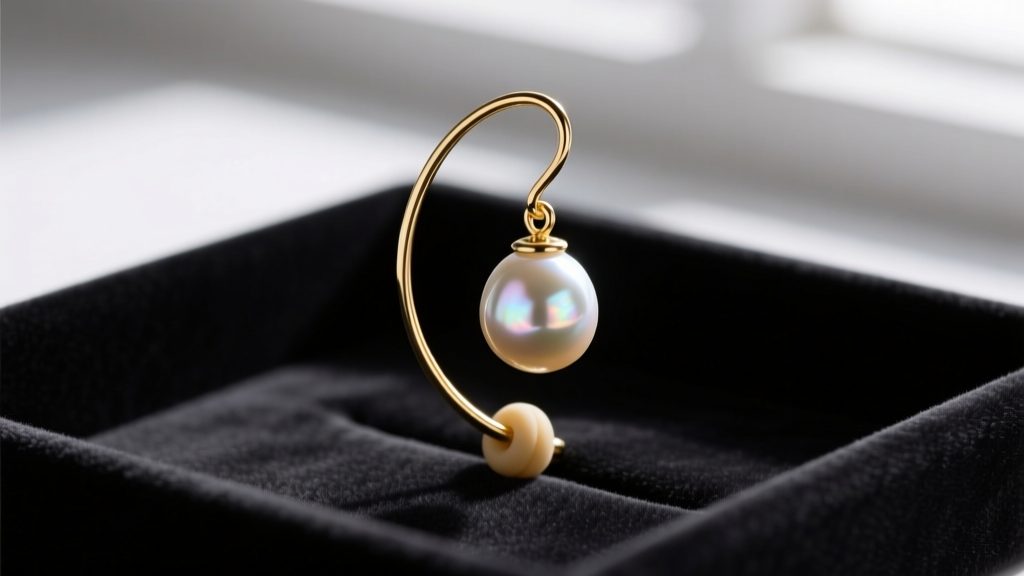
The most common failure point when buying large teardrop earrings is ignoring the physics of the hardware. A 14mm solid cultured pearl weighs approximately 3.5 to 5 grams. When suspended from the earlobe, this creates a pendulum effect. Standard friction posts and butterfly backs will inevitably fail, causing the earring to droop forward, hiding the pearl's profile and stretching the piercing over time.
The Hardware Hierarchy for Heavy Drops
- Omega Backs (Clip-On/Hybrid): The gold standard for heavy drops. An omega clip hugs the back of the earlobe, distributing the 5-gram weight across a wide surface area rather than a single piercing hole. Look for 14k or 18k gold omega clips with adjustable tension screws.
- Leverback Wires with Silicone O-Rings: If you prefer a wire that passes through the ear, a leverback is mandatory. The hinged closure prevents loss. However, you must pair it with a 3mm clear silicone o-ring stopper behind the lobe to prevent the heavy pearl from pulling the wire forward and drooping.
- French Wire with Epoxy Collars: Avoid standard push-backs entirely. If a piece only comes with a standard post, take it to a bench jeweler to have a flat-back epoxy collar or a custom soldered omega clip installed.
Sizing & Proportion: Getting the Scale Right
While Vermeer painted an exaggerated scale for dramatic chiaroscuro effect, real-world styling requires balancing the pearl against your anatomy. The teardrop shape naturally elongates the face, but an oversized drop can overwhelm delicate features.
The Proportion Framework
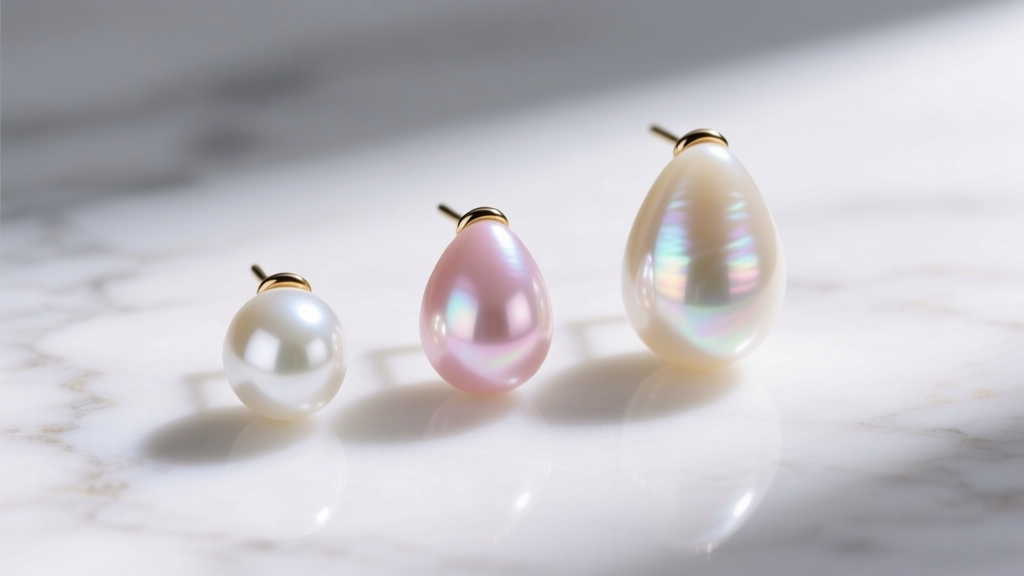
Use this sizing guide to match the teardrop silhouette to your specific facial structure and neck length:
- The 10mm - 12mm Drop (The Subtle Nod): Ideal for petite faces, shorter necks, or professional office environments. The pearl will rest just below the earlobe, catching the light without dominating your jawline.
- The 13mm - 15mm Drop (The Vermeer Standard): The sweet spot for replicating the painting. This size provides the necessary visual weight to create a striking silhouette in portraits and evening wear. Best suited for medium to long necks and strong, angular jawlines.
- The 16mm+ Drop (The Editorial Statement): Reserved for high-fashion, avant-garde styling. At this size, the pearl will brush against the upper neck. Ensure your piercing is fully healed and conditioned to handle the swing-weight before wearing 16mm+ drops for extended periods.
Styling the Teardrop: Necklines and Lighting
The magic of the Vermeer Woman With Pearl Earring aesthetic relies heavily on how light interacts with the pearl's surface. To maximize the "turn" (the sharp reflection of light on the pearl's curve), pair your earrings with necklines that act as a reflector.
"A pearl’s luster is only as good as the light it catches. When wearing large teardrop drops, opt for silk, satin, or velvet garments in deep jewel tones or stark whites. These fabrics bounce ambient light upward onto the jawline, artificially enhancing the pearl's nacre glow."
Avoid high, ruffled collars or busy, patterned scarves. The teardrop shape requires negative space to be appreciated. A simple V-neck, a structured blazer with a deep lapel, or an off-the-shoulder gown provides the dark, uncluttered canvas that Vermeer himself utilized to make the pearl pop.
Final Verdict: Curating Your Masterpiece
Achieving the iconic Vermeer Woman With Pearl Earring look is less about spending tens of thousands of dollars on rare saltwater gems, and more about understanding proportion, luster, and structural integrity. For the most authentic, wearable translation of the painting, seek out a 14mm Edison Freshwater teardrop pearl set on an 18k yellow gold leverback wire, secured with a silicone stopper. This combination delivers the mirror-like highlight, the dramatic scale, and the secure fit required to wear a masterpiece comfortably in the modern era. Always verify the return policy and request high-resolution, unedited video of the pearl's luster before purchasing online, ensuring the light catches the drop exactly as the Dutch masters intended.


