How Fast Does Earring Hole Close? Lobe vs Cartilage Guide
Discover how fast an earring hole closes based on piercing age, gauge size, and placement. Get step-by-step guides to maintain or safely close piercings.

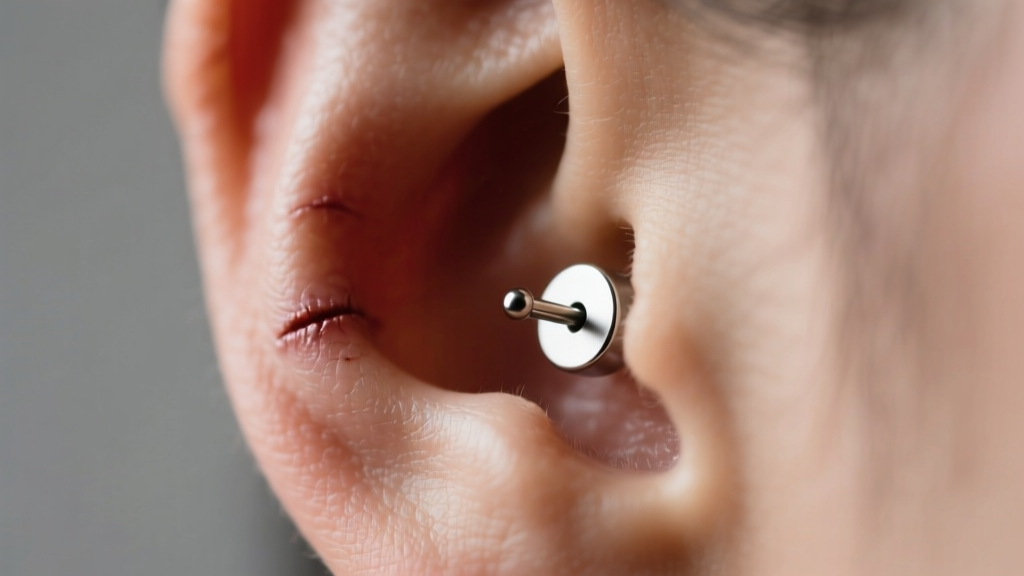
Whether you are taking a break from heavy statement earrings, switching to a new jewelry style, or simply wondering what happens if you forget to put your studs back in, understanding the biology of your piercings is crucial. The question of how fast does earring hole close does not have a single, universal answer. The timeline depends heavily on the age of the piercing, the anatomical placement (lobe versus cartilage), the gauge size, and your body's unique collagen production. In this comprehensive guide, we break down the exact science of piercing closure and provide step-by-step protocols for maintaining, closing, or safely re-opening your ear piercings.
The Anatomy of a Piercing: Understanding the Fistula
Before calculating closure times, you must understand what an earring hole actually is. When you pierce your ear, the body responds to the controlled trauma by forming a fistula—a tube of scar tissue lined with epithelial cells. According to the Association of Professional Piercers (APP), a fully mature fistula acts much like a sleeve, protecting the interior of the piercing channel from bacteria and friction.
The stability of this fistula dictates how fast does earring hole close. A brand-new piercing lacks this epithelial lining, meaning the raw wound will attempt to heal shut almost immediately upon jewelry removal. A decades-old lobe piercing, however, has a thick, leathery fistula that may never fully close, though it will inevitably shrink in diameter.
How Fast Does Earring Hole Close? The Ultimate Timeline Chart
Cartilage and earlobes behave entirely differently due to their vascular networks. Earlobes are highly vascularized, allowing for robust tissue regeneration and stable fistulas. Cartilage, on the other hand, is avascular (lacking direct blood vessels) and relies on surrounding tissues for nutrient delivery, making cartilage fistulas much more fragile and prone to rapid closure.
| Piercing Age & Type | Estimated Closure Time | Tissue Behavior & Notes |
|---|---|---|
| Fresh Lobe (Under 6 months) | 1 to 24 hours | The fistula is incomplete; the wound will seal rapidly to prevent infection. |
| Healed Lobe (1 to 5 years) | 3 days to 2 weeks | The hole will shrink significantly but may remain partially open for easy re-insertion. |
| Mature Lobe (5+ years) | May never fully close | The fistula is permanent but will contract. A small, visible divot usually remains. |
| Fresh Cartilage (Under 1 year) | Minutes to 12 hours | Cartilage swells and contracts rapidly. Jewelry removal is highly discouraged. |
| Healed Cartilage (1 to 5 years) | 24 hours to 1 week | The avascular tissue shrinks quickly, often trapping dead skin cells inside the channel. |
| Stretched Lobes (2G to 00G) | Shrinks, rarely closes | Heavy stretching breaks the elastic limit of the tissue. Surgical repair is often needed for full closure. |
Step-by-Step: How to Keep a Stubborn Piercing Open
Sometimes you need to remove metal jewelry for an MRI, surgery, or sports, but you want to ensure the hole does not close. Here is the professional protocol for retaining a piercing channel safely.
- Step 1: Select the Right Retainer Material. Never use silicone or acrylic retainers in unhealed or easily irritated piercings. Opt for PTFE (polytetrafluoroethylene) or borosilicate glass. Glass is biologically inert, completely non-porous, and can be sterilized in an autoclave.
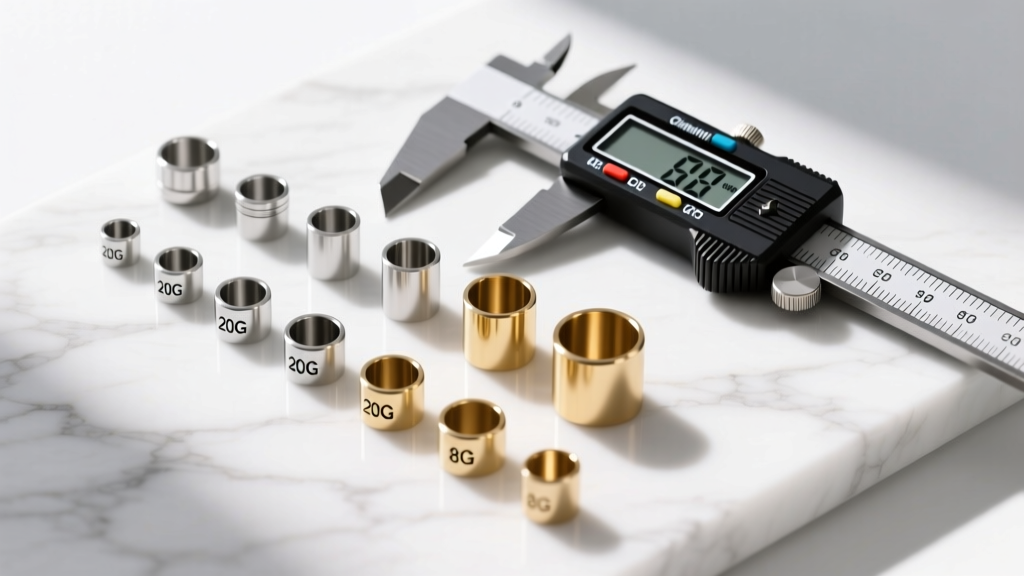
- Step 2: Match the Gauge Exactly. If your piercing is 16-gauge (1.2mm), use a 16-gauge glass retainer. Forcing a 14-gauge retainer into a 16-gauge hole will cause micro-tears, triggering an immune response that leads to hypertrophic scarring.
- Step 3: Secure the Ends. For glass retainers, use medical-grade silicone O-rings to hold the jewelry in place. Ensure the O-rings are not too tight against the skin, as this can restrict lymphatic drainage and cause localized swelling.
- Step 4: Maintain Hygiene. Even without metal in the ear, the fistula continues to shed dead skin cells. Flush the channel daily with a sterile 0.9% sodium chloride saline solution to prevent sebum buildup and odors.
How to Safely Let Your Piercing Close (Without Infection)
If you have decided to retire a piercing, simply ripping the jewelry out and ignoring it is a recipe for trapped bacteria and cysts. The Mayo Clinic emphasizes that proper aftercare is just as critical when closing a piercing as when getting one. Follow this step-by-step downsizing method to minimize scarring.
Phase 1: Downsizing the Gauge
If you are wearing a thick gauge (like 12G or 10G), do not jump straight to zero. Step down to a standard 18G or 20G stud for two weeks. This allows the outer layers of the fistula to begin contracting gradually, reducing the likelihood of a deep, indented scar.
Phase 2: Removal and Saline Flushing
Once you remove the jewelry entirely, the channel will begin to fill with lymph and dead skin. Spray the front and back of the hole with sterile saline twice a day for the first week. Gently wipe away any crusties with a non-woven gauze pad. Never use cotton swabs, as the fibers can become trapped inside the closing fistula.
Phase 3: Collagen Massage
After the first week, the hole should be sealed on the surface. Begin massaging the area daily with pure, cold-pressed jojoba oil or vitamin E oil. This breaks down dense collagen bundles, encouraging the tissue to heal flat rather than forming a raised bump or keloid.
Re-Inserting Jewelry: The Taper Method for Partially Closed Holes
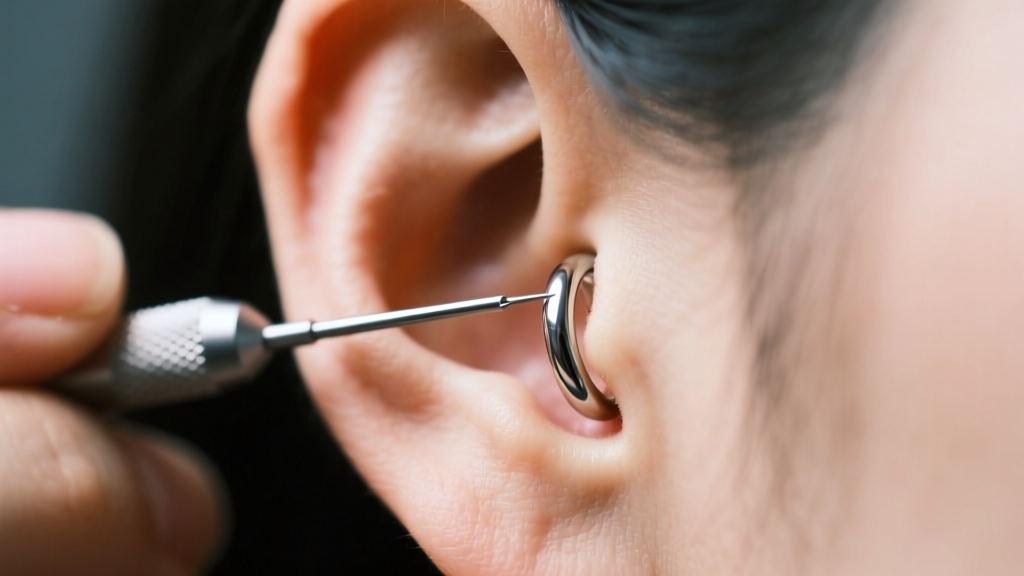
What happens if you leave your earrings out too long and the hole shrinks? Never force a blunt earring post through a partially closed fistula. This creates a false passage, tearing the tissue and introducing surface bacteria deep into the ear. Instead, use the professional taper method.
- Apply Heat: Take a warm shower or hold a warm, damp compress against your ear for five minutes. Heat increases blood flow and makes the collagen in the fistula more pliable and elastic.
- Lubricate: Apply a tiny drop of sterile water-based lubricant or jojoba oil to the tip of a sterile steel insertion taper. Avoid petroleum-based products, which can degrade certain jewelry materials and trap bacteria.
- Guide the Taper: Gently slide the thinnest end of the taper into the hole. Do not push hard. Let the gradual slope of the taper stretch the tissue slowly. If you feel sharp pain or resistance, stop immediately.
- Follow with Jewelry: Once the taper is through, immediately align your clean, implant-grade titanium (ASTM F136) jewelry with the base of the taper and push them through together in one fluid motion.
Expert Troubleshooting: Blowouts, Embeddings, and Scar Tissue
When dealing with closing or re-opening piercings, complications can arise. Here is how to identify and manage the most common issues.
Expert Insight: If a cartilage piercing swells severely after re-insertion, the jewelry post may be too short to accommodate the edema. Always switch to a longer labret post temporarily to prevent the jewelry from embedding into the tissue.
Embeddings: This occurs when swelling causes the skin to grow over the jewelry backing. If your earring back is swallowed by the lobe, do not attempt to dig it out with unsterilized needles. Visit a professional piercer or a dermatologist who can safely numb the area and extract the jewelry without causing excessive scar tissue.
Hypertrophic Scarring: If a small, fleshy bump forms at the angle of a closing or re-opened hole, it is likely a hypertrophic scar caused by friction or pressure. Switch to lightweight, flat-back titanium studs, avoid sleeping on that ear, and apply warm saline compresses to encourage the bump to flatten.
The Point of No Return: For stretched earlobes, the general consensus among body modification experts is that 2-gauge (6mm) is the threshold where a piercing will no longer close completely on its own. If you have stretched beyond 00-gauge (10mm) and wish to close the hole entirely, you will likely require a minor surgical lobuloplasty performed by a board-certified plastic surgeon.
Understanding how fast does earring hole close empowers you to make informed decisions about your body jewelry. Whether you are meticulously maintaining a delicate helix piercing or safely retiring a childhood lobe piercing, respecting the biology of the fistula ensures your ears remain healthy, beautiful, and ready for whatever jewelry you choose next.


