Earring Hole Repair Surgery: A Step-by-Step Recovery Guide
Discover the step-by-step process of earring hole repair surgery, from consultation and pricing to recovery timelines and safe repiercing protocols.


Whether caused by years of wearing heavy dangle earrings, accidental trauma, or the gradual stretching of gauges, a torn or elongated earlobe can be a source of frustration. Fortunately, modern dermatologic and plastic surgery techniques offer a permanent solution. Earring hole repair surgery (clinically known as lobuloplasty) is a highly effective, minimally invasive procedure designed to restore the structural integrity and aesthetic appearance of the earlobe. This comprehensive, step-by-step guide will walk you through the entire process, from your initial consultation to the exact protocols for safe repiercing.
Understanding the Need for Earring Hole Repair Surgery
The earlobe is composed of dense fibrofatty tissue without underlying cartilage. While this makes it highly pliable for piercing, it also means the tissue lacks the rigid structural support found in the upper ear. Over time, the continuous downward pull of heavy gold hoops or gemstone drops can cause the piercing tract to elongate, eventually splitting the lobe entirely. Similarly, accidental snags on clothing or hair can result in acute, traumatic lobe clefts.
Simply removing the jewelry will not fix a fully torn or heavily stretched lobe. Once a piercing hole is established, the skin inside the tract undergoes a process called epithelialization, where the skin folds inward to line the hole. Because the skin has essentially healed onto itself in a tubular formation, the two sides of the tear cannot naturally fuse back together. Earring hole repair surgery is required to excise this epithelialized tract and suture the raw, healthy tissue edges together to promote proper biological healing.
Step 1: Pre-Surgery Consultation and Cost Breakdown
Your journey begins with a consultation with a board-certified dermatologist, plastic surgeon, or facial plastic surgeon. According to the American Academy of Facial Plastic and Reconstructive Surgery, assessing the degree of tissue loss and the presence of scar tissue or keloids is critical before making the first incision.
During this visit, the surgeon will measure the cleft and determine the best closure technique. Pricing for lobuloplasty varies based on the complexity of the tear and geographic location. Below is a realistic breakdown of what you can expect to pay out-of-pocket, as this procedure is almost universally classified as cosmetic and rarely covered by insurance.
| Procedure Type | Complexity | Average Cost (Per Ear) |
|---|---|---|
| Standard Linear Closure | Low (Simple split lobe) | $350 - $500 |
| Z-Plasty or W-Plasty Closure | Medium (Prevents edge notching) | $500 - $750 |
| Gauged Lobe Reconstruction | High (Tissue rearrangement needed) | $750 - $1,200 |
Step 2: The Surgical Procedure Explained
Earring hole repair surgery is typically performed in-office and takes between 15 to 30 minutes per ear. The procedure begins with the administration of a local anesthetic, usually 1% Lidocaine with epinephrine. The epinephrine is crucial as it constricts local blood vessels, minimizing bleeding and keeping the surgical field clear.
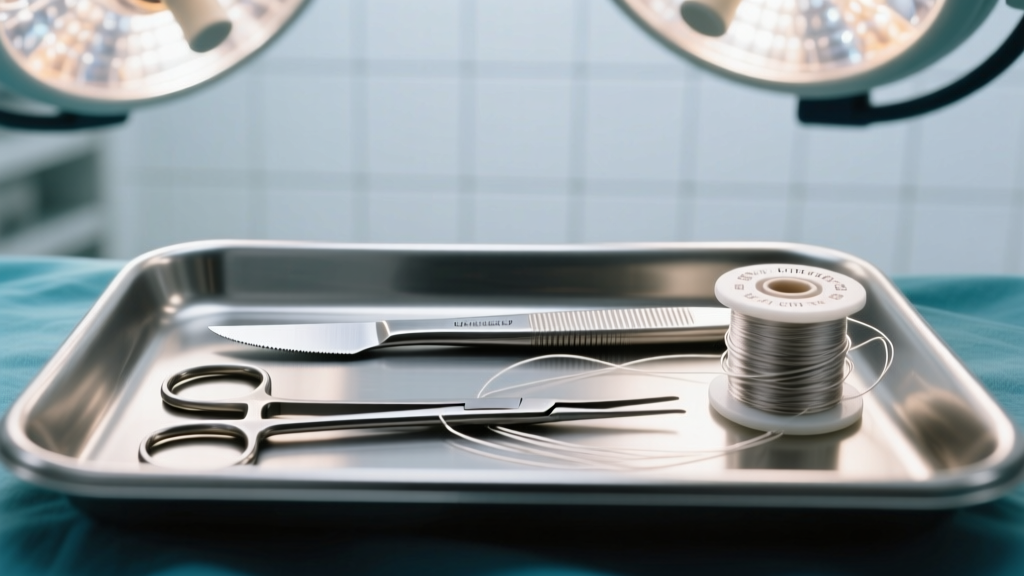
Using a surgical scalpel or a specialized biopsy punch, the surgeon meticulously excises the epithelialized skin lining the old piercing tract. If the tear is a simple split, a linear closure may suffice. However, top-tier surgeons often employ a Z-plasty or step-plasty technique. By creating small interlocking geometric flaps rather than a straight vertical line, the surgeon breaks up the tension of the scar line. This prevents the dreaded 'V-shaped notching' at the bottom edge of the earlobe once the tissue contracts during healing.
The wound is then closed using extremely fine sutures, typically 5-0 or 6-0 non-absorbable nylon or Prolene. These micro-sutures ensure minimal scarring and are usually removed in the clinic after 5 to 7 days.
Step 3: Post-Operative Recovery and Wound Care Protocol
Proper aftercare is the difference between an invisible scar and a raised, hypertrophic one. The American Academy of Dermatology emphasizes keeping surgical wounds moist and protected to optimize cellular migration and healing. Follow this strict day-by-day recovery framework:
- Days 1-3 (Acute Phase): Expect mild swelling and bruising. Apply a cold compress to the back of the ear for 10 minutes at a time. Keep the area completely dry. Do not wash your hair; use dry shampoo instead.
- Days 4-7 (Proliferation Phase): You may gently cleanse the suture line twice daily using a sterile saline wound wash or a dilute chlorhexidine solution. Avoid hydrogen peroxide or rubbing alcohol, as these are cytotoxic and will destroy newly forming, fragile tissue cells.
- Days 5-7 (Suture Removal): Return to the clinic for suture removal. Leaving non-absorbable sutures in longer than 7 days increases the risk of 'railroad track' scarring.
- Weeks 2-6 (Remodeling Phase): Begin applying a thin layer of silicone scar gel twice daily. Silicone creates a microclimate that regulates collagen production, keeping the scar flat and pale. Continue this for at least 8 weeks.
Step 4: Safe Repiercing Guidelines and Jewelry Selection
The most frequently asked question regarding earring hole repair surgery is when it is safe to wear earrings again. While the surface skin may look healed in two weeks, the deep fibrofatty tissue requires significantly longer to regain tensile strength. Attempting to pierce too early will result in the jewelry migrating or the lobe splitting open all over again.
Expert Rule of Thumb: Wait a minimum of 3 to 6 months before repiercing a surgically repaired earlobe. When you do pierce, the new hole must be placed slightly anterior or posterior to the original surgical scar to avoid piercing through weak, avascular scar tissue.
When you are cleared for repiercing, insist on using a single-use, hollow beveled needle (typically 16-gauge or 14-gauge) rather than a piercing gun. Piercing guns cause blunt force trauma and micro-fractures in the healing tissue. Furthermore, your initial jewelry choice is critical for preventing contact dermatitis and rejection.
| Material Grade | Biocompatibility | Suitability for Fresh Repiercing |
|---|---|---|
| Implant-Grade Titanium (ASTM F-136) | Exceptional (Nickel-free) | Highly Recommended |
| 14k or 18k Solid Gold (Nickel-free alloy) | Excellent | Highly Recommended |
| Surgical Stainless Steel (316L) | Poor (Contains 8-10% Nickel) | Avoid Completely |
| Sterling Silver (925) | Poor (Tarnishes, contains copper/alloys) | Avoid Completely |
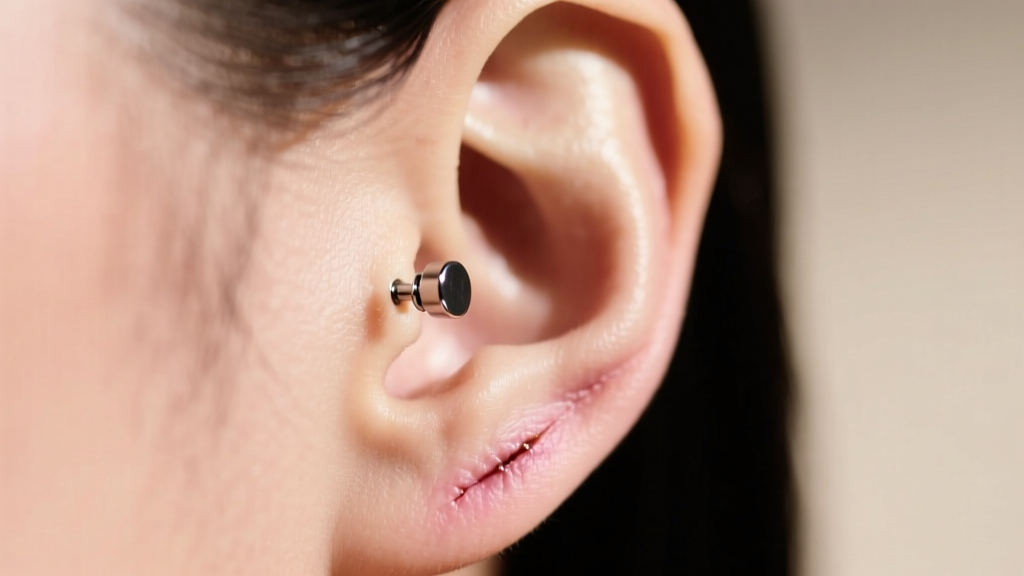
For the first 6 months post-repiercing, wear a simple, lightweight implant-grade titanium flat-back labret stud or a seamless continuous ring. Avoid heavy dangles, large hoops, or butterfly-back friction studs, which can harbor bacteria and exert uneven downward pressure on the newly reinforced tract.
Troubleshooting Common Complications
While earring hole repair surgery boasts a remarkably high success rate, complications can occasionally arise. Being aware of these potential failure modes allows for rapid intervention.
Epidermal Inclusion Cysts: If the surgeon fails to completely excise the epithelialized tract, the buried skin cells will continue to secrete keratin beneath the surface, forming a hard, painful cyst months after the surgery. This requires a secondary surgical excision.
Keloid Formation: Patients with a genetic predisposition to keloids may develop raised, overgrown scar tissue at the incision site. If you have a history of keloids, discuss prophylactic steroid injections or pressure earrings with your surgeon prior to the procedure. The Mayo Clinic notes that early intervention with intralesional corticosteroids is the most effective way to flatten emerging keloids.
Earlobe Notching: If a straight-line closure was used and the tissue contracted during healing, a small 'V' indent may appear at the bottom edge of the lobe. This is purely cosmetic but can be corrected with a minor revision surgery using a Z-plasty technique to redistribute the tension.
Final Thoughts on Lobe Restoration
Earring hole repair surgery is a precise, highly rewarding procedure that allows you to reclaim your earlobe anatomy and safely enjoy your jewelry collection once more. By selecting a skilled, board-certified surgeon, adhering strictly to the post-operative wound care protocol, and exercising patience during the 3-to-6-month waiting period before repiercing, you can achieve a seamless, natural-looking result that will support your favorite earrings for a lifetime.


