Earring Horn Guide: Materials, Shapes, and Styling Tips
Discover everything about earring horn styles, from organic water buffalo materials to horn motifs. Learn gauge sizes, care tips, and face-shape styling.

What Does "Earring Horn" Actually Mean?
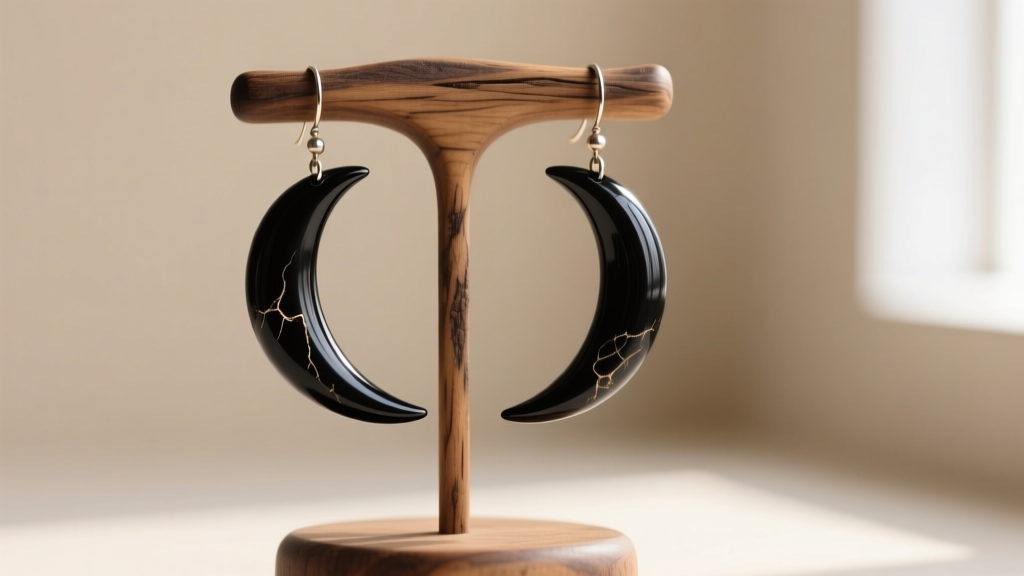
When diving into the world of organic and artisan jewelry, beginners often stumble upon the term earring horn. This phrase can be slightly confusing because it actually refers to two entirely different categories in jewelry design. First, it describes earrings crafted from actual horn material—most commonly ethically sourced water buffalo horn. Second, it refers to earrings featuring a horn motif, such as crescent moons, animal horns, or celestial shapes cast in metals or carved from stones. Understanding the distinction is crucial for making informed purchasing decisions, especially regarding piercing safety, material care, and styling.
In this beginner-friendly explainer, we will break down the science of organic horn materials, explore the symbolism behind horn-shaped motifs, and provide actionable advice on gauge sizing and maintenance to ensure your jewelry lasts a lifetime.
The Material: Understanding Organic Horn Jewelry
Organic gem materials—those derived from living organisms or biological processes—have been used in body adornment for millennia. According to the Gemological Institute of America (GIA), organic materials like horn, amber, and pearl require vastly different care than mined minerals. The most common material used for an earring horn is water buffalo horn (Bubalus bubalis), which is typically a byproduct of the agricultural industry in Southeast Asia, making it a sustainable and ethical choice when sourced from reputable artisans.
The Science of Keratin and Density
Horn is primarily composed of keratin, the exact same protein that makes up human hair and fingernails. This biological makeup gives horn several unique properties:
- Ultra-Lightweight: Horn has a density of approximately 1.3 g/cm³. Compare this to sterling silver (10.4 g/cm³) or titanium (4.5 g/cm³), and you will immediately notice that large, dramatic horn drop earrings will not weigh down your earlobes or cause stretching over time.
- Thermal Insulation: Unlike metal, which conducts heat and can feel freezing in winter or scorching in summer, horn is a natural thermal insulator. It remains comfortable against the skin regardless of the weather.
- Static Resistance: Horn does not build up static electricity, meaning it won't attract dust or cling to your hair.
Why Horn Posts Are Thicker Than Metal
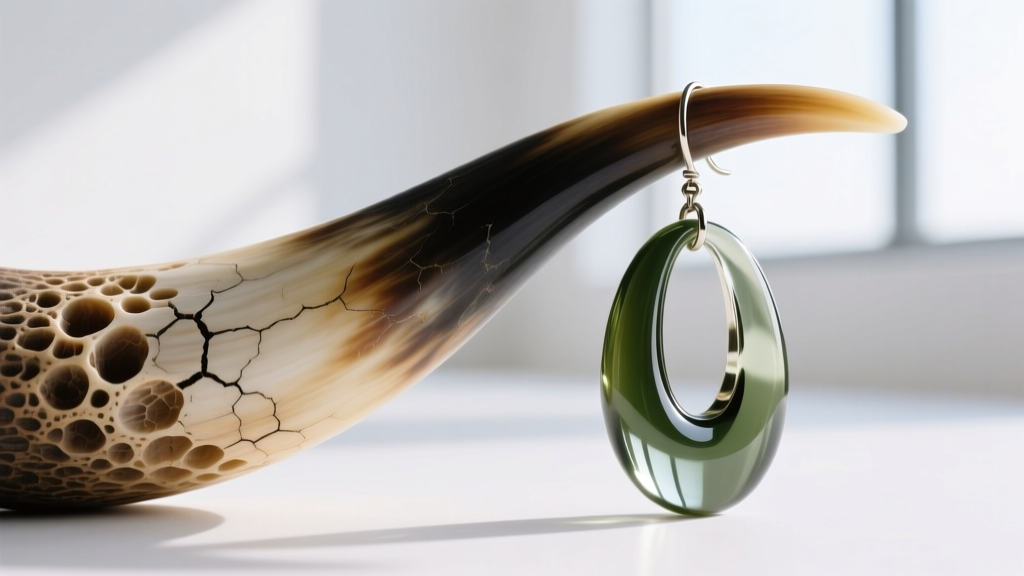
One of the most common beginner mistakes is expecting a carved horn earring to have a dainty, ultra-thin wire post like a standard 20-gauge metal stud. Because horn is a natural, slightly brittle material, carving a post thinner than 18-gauge (1.0mm) creates a massive failure point. A 20-gauge (0.8mm) horn post will almost certainly snap if you apply even mild lateral pressure while inserting it into your piercing. Therefore, reputable jewelers will use a minimum of 18-gauge, and often 16-gauge (1.2mm), for horn posts. Always check your piercing gauge before purchasing organic jewelry to ensure a comfortable fit without forcing the material.
Piercing Safety and Gauge Compatibility
Organic materials are inherently porous. While a high-quality horn earring is polished to a glass-like finish, microscopic pores remain. The Association of Professional Piercers (APP) strongly advises against wearing porous organic materials in fresh, unhealed piercings. Bacteria and bodily fluids can become trapped in these microscopic pores, leading to severe infections or contact dermatitis.
| Material Type | Safe for Fresh Piercings? | Minimum Recommended Gauge | Best Use Case |
|---|---|---|---|
| Water Buffalo Horn | No (Healed Only) | 18g (1.0mm) | Healed lobes, cartilage, stretched ears |
| Implant-Grade Titanium | Yes | 20g (0.8mm) | All piercings, including fresh |
| Synthetic Resin (Horn Lookalike) | No (Healed Only) | 20g (0.8mm) | Costume jewelry, healed lobes |
| Carved Bone | No (Healed Only) | 16g (1.2mm) | Stretched ears, tribal styling |
The Motif: Horn Shapes and Symbolism
If you are not looking for literal horn material, the "earring horn" keyword likely points toward the horn motif. Horn shapes carry deep historical and spiritual significance across various cultures:
- The Crescent / Celestial Horn: Often associated with lunar energy, intuition, and feminine power. Crescent horn earrings are a staple in bohemian and celestial jewelry collections.
- The Animal Horn (Viking / Taurus):strong> Representing strength, protection, and a connection to nature. Bull horn or ram horn motifs are popular in Norse-inspired jewelry and among those who follow astrological styling (specifically for Taurus, Capricorn, and Aries).
- The Cornucopia (Horn of Plenty): A classical symbol of abundance and nourishment, often translated into intricate, woven metal drop earrings.
Critical Care and Maintenance: Avoiding Failure Modes
Treating a horn earring like a piece of sterling silver or gold is the fastest way to ruin it. Horn is highly reactive to its environment. Here are the specific failure modes you must avoid, along with a proper care routine.
What Destroys Horn Jewelry
- Extreme Humidity and Water: Leaving horn earrings on your bathroom counter while taking hot showers exposes them to steam. The keratin will absorb the moisture, causing the earring to warp, delaminate, or develop a foul odor.
- Alcohol and Perfumes: Spraying hairspray or perfume directly onto horn will strip its natural oils, leaving the surface dull, chalky, and prone to cracking.
- Ultrasonic Cleaners: The high-frequency vibrations used to clean diamonds and metals will shatter or micro-fracture organic horn.
The Proper Cleaning and Oiling Routine
To maintain the luster and structural integrity of your horn earrings, follow this simple routine:
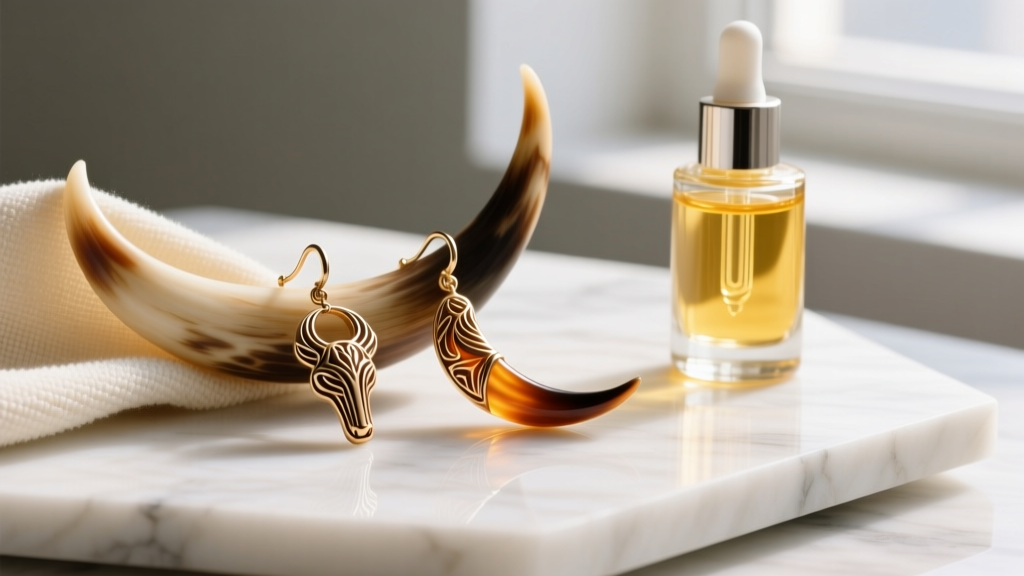
- Dry Wipe: After wearing, gently wipe the earrings with a clean, dry microfiber cloth to remove skin oils and environmental dust.
- Oil Conditioning (Monthly): Just like your hair, keratin needs moisture. Apply a single drop of pure, unrefined jojoba oil to a soft cloth and buff it into the horn. Jojoba oil closely mimics human sebum and will not go rancid like olive or coconut oil.
- Storage: Store horn jewelry in a breathable cotton pouch in a climate-controlled room. Avoid airtight plastic bags, which can trap ambient moisture and encourage mold growth.
Styling Horn Earrings for Your Face Shape
Because horn is so lightweight, it allows for oversized, dramatic silhouettes that would be painful in metal. Here is how to match the shape of your horn earrings to your facial structure:
- Round Faces: Opt for elongated, angular horn drops or sharp crescent shapes. The vertical lines will create the illusion of length and balance the softness of your jawline.
- Square Faces: Choose curved horn hoops or softly carved animal horn motifs with rounded edges. The organic curves of the horn will soften a strong, angular jaw.
- Heart-Shaped Faces: Teardrop or bottom-heavy carved horn dangles work beautifully, drawing the eye downward and adding visual weight to a narrower chin.
- Oval Faces: You have the versatility to pull off almost any earring horn style, from bold, wide geometric horn cuffs to delicate, minimalist horn studs.
Final Thoughts for Beginners
Whether you are drawn to the sustainable, featherlight properties of carved water buffalo horn or the bold symbolism of a metallic horn motif, this versatile category offers something for every jewelry box. By respecting the material's natural boundaries—specifically its gauge limitations and sensitivity to moisture—you can enjoy the earthy elegance of horn jewelry for years to come. Always prioritize ethical sourcing, ensure your piercings are fully healed before wearing organics, and embrace the unique, natural variations that make every single piece of horn jewelry entirely one-of-a-kind.


