Earring Infected? Step-by-Step Guide to Healing Piercings
Is your earring infected? Follow our expert step-by-step guide to safely treat lobe and cartilage piercing infections and prevent scarring.

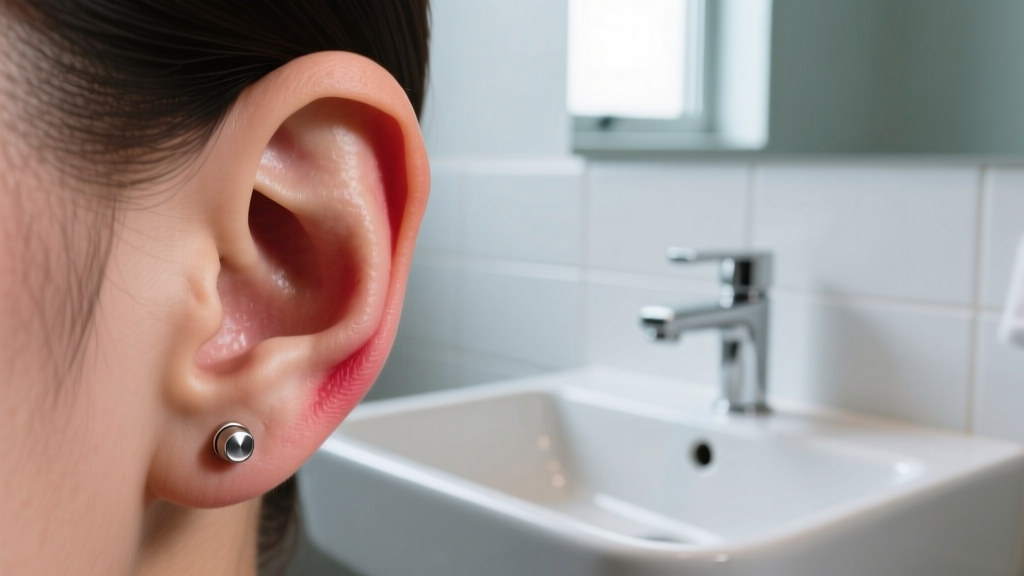
Waking up to a swollen, tender, and weeping piercing is a stressful experience for anyone. Whether you are dealing with a fresh lobe piercing or a years-old helix that has suddenly flared up, knowing how to respond quickly is critical to saving the piercing and protecting your health. In 2026, despite advances in jewelry metallurgy and aftercare science, piercing infections remain a common issue, often exacerbated by improper cleaning routines, low-quality metals, or friction from sleeping on the wrong pillow.
If you are searching for solutions because you suspect you have an earring infected site, panic is your worst enemy. Many symptoms that mimic severe bacterial infections are actually allergic contact dermatitis or normal localized inflammation. This comprehensive, step-by-step guide will help you accurately triage your symptoms, execute a clinical-grade cleaning protocol, and understand exactly when to seek medical intervention.
Is It Actually Infected? Decoding Piercing Symptoms
Before treating an earring infected piercing, you must confirm that an infection is actually present. The human body’s immune response to a foreign object (the jewelry) often produces symptoms that look alarming but are entirely normal. Conversely, a true bacterial infection—typically caused by Staphylococcus aureus or Pseudomonas aeruginosa—presents with distinct, escalating markers.
To differentiate between normal healing, a metal allergy, and a true bacterial infection, consult the diagnostic table below:
| Symptom | Normal Healing | Allergic Reaction (Nickel) | Bacterial Infection |
|---|---|---|---|
| Discharge | Clear or pale yellow lymph fluid; crusts when dry. | Clear, watery weeping; intense itching. | Thick, opaque pus (yellow, green, or brown); foul odor. |
| Heat | Slightly warm to the touch immediately after cleaning. | Warm, accompanied by a localized rash or hives. | Radiating, intense heat spreading beyond the immediate site. |
| Pain Level | Mild tenderness; bruises-like ache when bumped. | Burning, stinging, and persistent itching. | Throbbing, deep ache; severe pain when moving the jewelry. |
| Swelling | Localized directly around the puncture wound. | Puffy, widespread redness extending down the ear. | Hard, tight swelling; tissue may engulf the jewelry backing. |
According to the Association of Professional Piercers (APP), true infections are relatively rare in properly performed piercings. Most 'infections' reported by clients are actually irritation bumps or nickel allergies caused by wearing 'surgical steel' in a compromised wound.
Step 1: The 'Leave It In' Rule (Avoiding Abscesses)
The most common and dangerous mistake people make when dealing with an earring infected lobe or cartilage piercing is removing the jewelry. The instinct to 'take it out and let it breathe' is fundamentally flawed.
A piercing is essentially a fistula—a tunnel of tissue. If you remove the jewelry while an active infection is present, the surface holes of the fistula will rapidly close, trapping the bacteria and pus inside the tissue. This creates an abscess, a painful, walled-off pocket of infection that often requires surgical lancing and drainage by a medical professional. Leave the jewelry in place to act as a drain, allowing the infectious material to escape the wound channel.
Step 2: The Sterile Saline Compress Method
Ditch the harsh chemicals. Alcohol, hydrogen peroxide, and iodine will destroy the fragile, newly formed epithelial cells trying to heal your fistula. Instead, you need a sterile, isotonic saline solution.
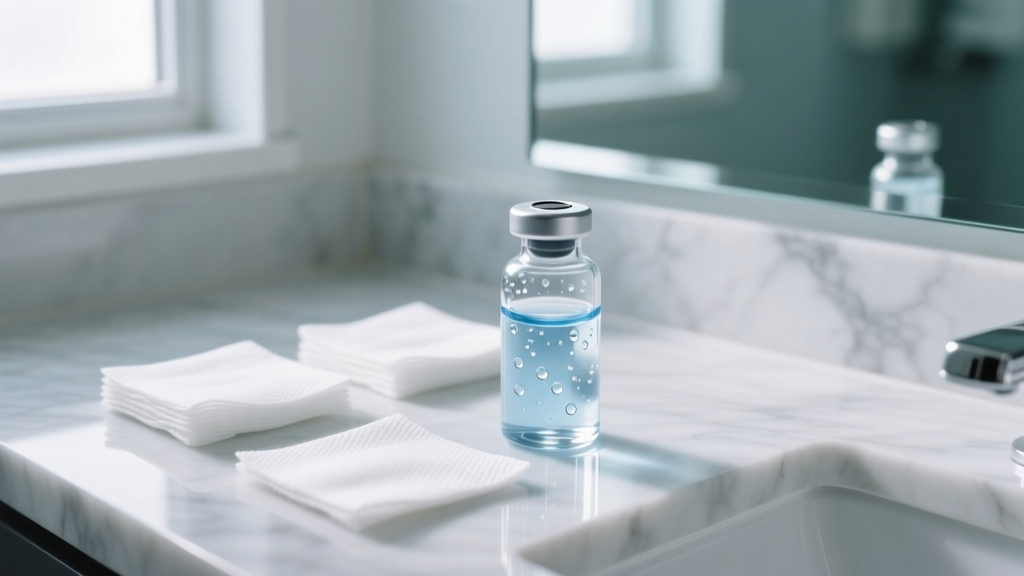
How to Execute a Proper Compress:
- Procure the Right Solution: Purchase a canned sterile wound wash containing only two ingredients: 0.9% sodium chloride and purified water. Ensure the can uses a sterile dispensing mechanism (like NeilMed Piercing Aftercare). Do not use contact lens saline, which contains preservatives.
- Prepare the Compress: Spray the sterile saline generously onto a piece of non-woven sterile gauze. Avoid using cotton balls or Q-tips, as they shed microscopic fibers that can become trapped in the wound and cause granulomas.
- Apply Heat and Moisture: Press the soaked gauze gently against the earring infected area for 5 to 10 minutes. The warmth increases local blood flow, bringing white blood cells to the area, while the saline softens and flushes away dried lymph and crusties.
- Dry Thoroughly: Moisture breeds bacteria. After the compress, gently pat the area dry with a fresh piece of non-woven gauze, or use a hairdryer on the 'cool' and 'low' setting to ensure the area is completely dry.
Step 3: Cartilage vs. Lobe Triage Protocols
Not all ear piercings carry the same level of risk. The anatomical location of your earring infected site dictates the urgency of your response.
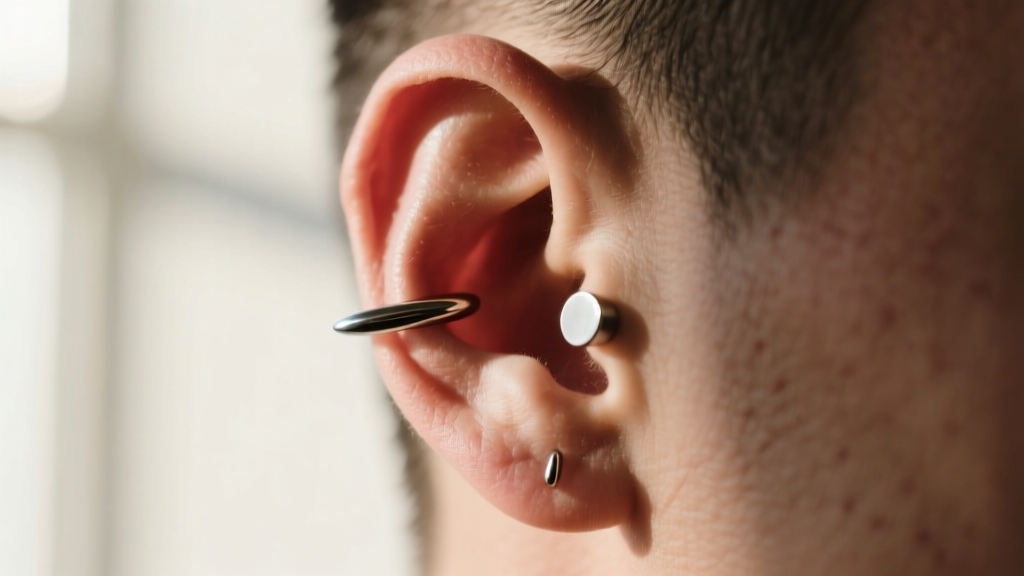
Lobe Piercings
The earlobe is highly vascular, meaning it has a robust blood supply. This allows the immune system to efficiently deliver white blood cells and systemic antibiotics to the area. Lobe infections, while painful, are generally forgiving and respond well to the saline compress method and topical care over a few days.
Cartilage Piercings (Helix, Conch, Tragus)
Cartilage is avascular—it lacks a direct blood supply and relies on the surrounding perichondrium (the tissue membrane covering the cartilage) for nutrients and immune defense. If bacteria breach a cartilage piercing, it can lead to perichondritis or chondritis. According to the Cleveland Clinic, untreated cartilage infections can rapidly lead to tissue death, necrosis, and permanent cosmetic deformity (commonly known as cauliflower ear). If your cartilage piercing is hot to the touch, oozing green pus, or causing a fever, bypass home remedies and visit an urgent care clinic immediately.
Step 4: Audit Your Jewelry Materials and Fit
You cannot heal an earring infected site if the jewelry itself is the source of the trauma. Two primary culprits sabotage healing: toxic metallurgy and improper post length.
The Metallurgy Audit
If your jewelry is labeled 'surgical steel' or '316L stainless steel,' it contains up to 14% nickel. When the skin barrier is broken, nickel ions leach into the tissue, triggering allergic contact dermatitis. The resulting redness, swelling, and weeping perfectly mimic a bacterial infection. To resolve this, you must visit a professional piercer to have the jewelry swapped for Implant-Grade Titanium (ASTM F136 or F67). This specific alloy is entirely nickel-free and biocompatible, meaning the body does not recognize it as a threat.
The Fit and Gauge Audit
Swelling requires space. A standard 16-gauge (1.2mm) flat-back labret for a fresh helix piercing is typically 8mm (5/16') long. If you attempt to downsize to a 6mm post too early while the tissue is inflamed, the swelling will engulf the backing. This causes pressure necrosis, where the jewelry literally cuts through the tissue due to a lack of blood flow. Ensure your post is long enough to accommodate the swelling, but not so long that it snags on hair and clothing, which introduces friction and bacteria.
Step 5: Medical Intervention and What to Avoid
If you have followed the sterile saline protocol for 48 hours and the symptoms are escalating, or if you develop systemic symptoms like a fever, chills, or red streaks radiating from the ear, you require medical intervention. A physician will likely prescribe a course of oral antibiotics, such as Cephalexin or Doxycycline, which target the specific strains of bacteria common in skin infections.
Warning: Never apply over-the-counter triple antibiotic ointments (like Neosporin) to a piercing. These ointments are petroleum-based and create an occlusive seal over the wound. This cuts off oxygen to the fistula, creating an ideal breeding ground for anaerobic bacteria, and traps the existing infection inside the tissue.
Furthermore, avoid internet 'hacks' like applying tea tree oil, aspirin pastes, or chamomile soaks to an actively infected piercing. Tea tree oil is highly caustic and can cause chemical burns on compromised tissue, worsening the inflammation and delaying the healing process. Stick to sterile saline, implant-grade titanium, and professional medical advice to ensure your piercing heals safely and beautifully.


