Earring Infection Symptoms: The True Cost of Cheap Metals
Discover how earring infection symptoms reveal the hidden costs of cheap metals. Learn to assess jewelry value, material grades, and safe budget options.

The Hidden Price Tag of Fast-Fashion Jewelry
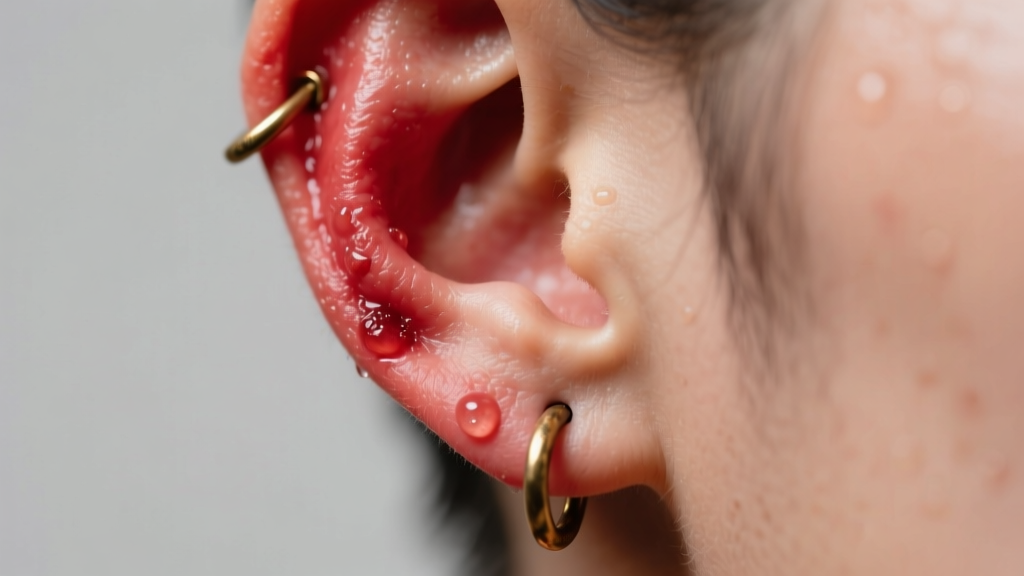
When browsing online marketplaces or fast-fashion retail racks, it is incredibly tempting to add a $4 pair of gold-plated hoops or a $6 set of alloy studs to your cart. The upfront financial cost is negligible, making these pieces feel like a budget-friendly win. However, as a jewelry value assessor, I look beyond the initial price tag to evaluate the total cost of ownership. In the realm of body jewelry, the true cost of cheap metals is frequently paid in physical pain, tissue damage, and medical bills. Understanding early earring infection symptoms is not just a matter of health and hygiene; it is a critical component of financial literacy in jewelry consumption. When your body rejects a low-grade alloy, the resulting medical interventions, lost time, and permanent scarring far outweigh the few dollars saved at the checkout counter.
The allure of budget jewelry relies on the assumption that all metals perform similarly against the skin. This is a dangerous fallacy. The human body is a highly reactive, warm, and moist environment. When you introduce porous, unpolished, or nickel-heavy metals into a fresh or healing fistula (the piercing channel), you create a breeding ground for bacteria and a catalyst for severe contact dermatitis. To build a genuinely valuable jewelry collection, we must reframe how we assess budget and value, starting with a clinical look at how your body signals that a metal is failing.
Decoding the Signals: Infection vs. Allergic Contact Dermatitis
One of the most common mistakes consumers make is misinterpreting earring infection symptoms. When an earlobe becomes red, swollen, and itchy, the immediate assumption is often a bacterial infection. However, in the vast majority of cases involving cheap jewelry, the culprit is actually allergic contact dermatitis triggered by nickel or copper exposure. According to the Mayo Clinic, nickel allergy is one of the most common causes of allergic contact dermatitis, affecting a significant percentage of the population. Distinguishing between a true bacterial infection and a metal allergy is vital, as the treatment protocols—and the financial costs—differ wildly.
| Clinical Sign | Bacterial Infection | Nickel/Metal Allergy | Mechanical Irritation |
|---|---|---|---|
| Onset Speed | Gradual (24-72 hours) | Rapid (Minutes to hours) | Immediate or delayed |
| Exudate (Discharge) | Thick, yellow/green, foul odor | Clear fluid, weeping, crusting | Minor spotting of blood |
| Pain Profile | Deep, throbbing, hot to touch | Surface burning, intense itching | Sharp, localized stinging |
| Systemic Signs | Possible fever, swollen lymph nodes | None (localized to contact area) | None |
| Primary Financial Cost | Urgent care + Antibiotics ($150+) | OTC Hydrocortisone ($10) | Warm saline compresses ($5) |
If you are experiencing deep, throbbing pain accompanied by purulent discharge, you are likely dealing with a bacterial infection. This is particularly dangerous in cartilage piercings, where perichondritis (infection of the tissue surrounding the cartilage) can lead to permanent structural deformity, commonly known as 'cauliflower ear.' A visit to an urgent care clinic for a cartilage infection can easily cost between $150 and $300 out-of-pocket, plus the cost of prescription fluoroquinolone antibiotics. Suddenly, that $5 pair of alloy cartilage hoops has cost you upwards of $300 and permanent aesthetic damage to your ear.
Material Grades: Where the Budget Actually Matters
To avoid the financial drain of treating earring infection symptoms, you must invest in biocompatible materials. The jewelry industry uses specific ASTM (American Society for Testing and Materials) standards to classify implant-grade metals. Fast-fashion brands rarely disclose their material compositions, often hiding behind vague terms like 'hypoallergenic' or 'surgical steel.' Here is the value assessment of common earring metals:
1. ASTM F-136 Implant-Grade Titanium (The Budget Champion)
Implant-grade titanium is the gold standard for initial piercings and sensitive ears. It contains zero nickel, is highly corrosion-resistant, and can be polished to a mirror finish that prevents bacterial adhesion. While a genuine titanium stud from a reputable body jewelry brand might cost between $15 and $35 per piece, this is a one-time investment that will last a lifetime without degrading. It offers the highest long-term value for sensitive skin.
2. ASTM F-138 Implant-Grade Steel (The Mid-Tier Option)
Often mistakenly called 'surgical steel,' this alloy does contain trace amounts of nickel. However, in implant-grade steel, the nickel is tightly bound within the alloy's crystalline structure, resulting in a nickel-release rate that falls well below the EU Nickel Directive threshold of 0.5 µg/cm²/week. It is generally safe for healed lobes but poses a risk for those with severe nickel allergies or unhealed cartilage.
3. Mystery Alloys and Brass Bases (The Financial Trap)
Earrings marketed as 'gold-plated' or 'silver-toned' under $15 are almost always constructed from a brass, copper, or zinc alloy base. These metals are highly porous and reactive. When the microscopic plating wears off (which happens within days of exposure to skin oils and friction), the reactive base metal is exposed directly to the fistula, guaranteeing a cycle of inflammation, micro-tears, and eventual infection.
Manufacturing Tolerances: The Invisible Cause of Infection
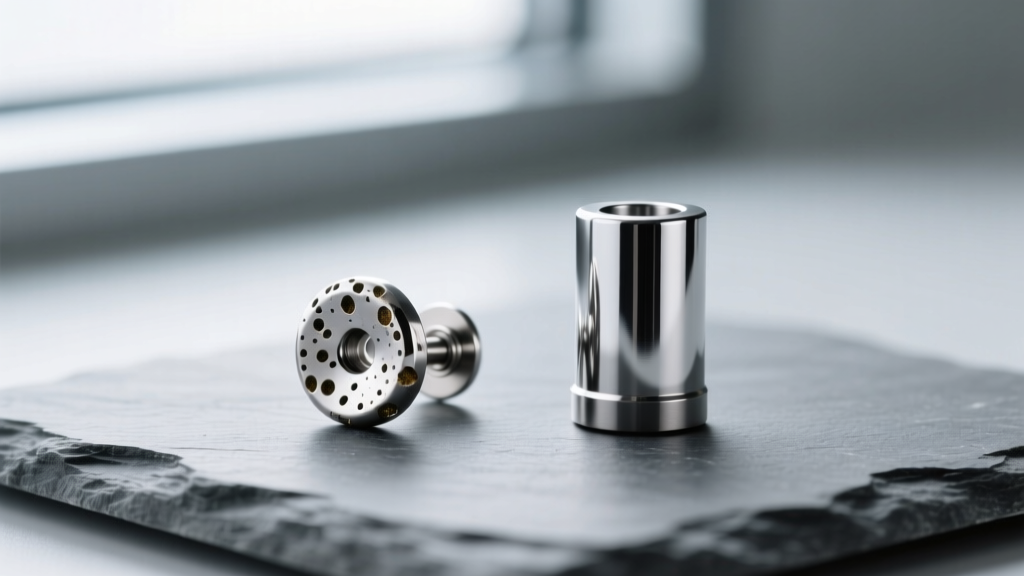
Material composition is only half the battle; manufacturing precision is the other. Cheap earrings are mass-produced using low-cost casting and machining methods that leave microscopic burrs, pits, and scratches on the earring post. When you push a rough, unpolished post through a piercing, it acts like a microscopic file, creating micro-tears in the delicate fistula tissue. These micro-tears are the exact entry points for Staphylococcus aureus and Pseudomonas aeruginosa, the primary bacteria responsible for earring infections.
Furthermore, budget earrings frequently utilize external threading (where the screw pattern is on the post itself). Dragging sharp external threads through a piercing channel causes severe mechanical trauma. High-value, professional jewelry utilizes internal threading (the screw pattern is on the decorative end, while the post is perfectly smooth) or threadless (press-fit) mechanisms. According to the Association of Professional Piercers (APP), internally threaded or threadless jewelry is essential for minimizing tissue trauma and preventing the mechanical irritation that often mimics or invites infection.
Gauge Sizes and the Friction Factor
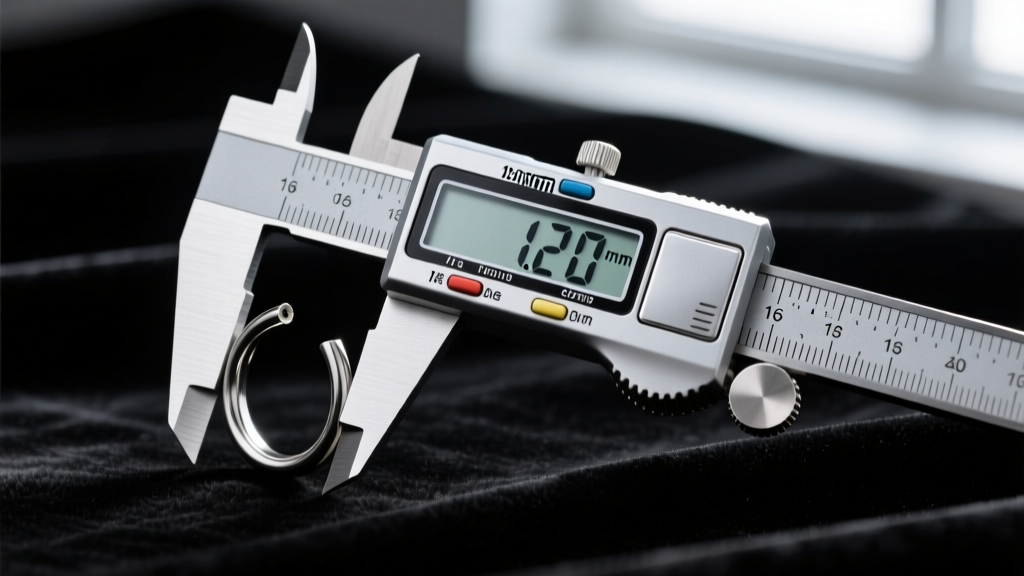
Another hidden cost of cheap jewelry is the lack of standardized gauge sizing. Standard earlobe piercings are typically done at 20-gauge (0.8mm) or 18-gauge (1.0mm), while cartilage piercings are usually 16-gauge (1.2mm) or 14-gauge (1.6mm). Budget manufacturers often produce posts that are slightly too thick or dangerously thin. A post that is too thick will force its way through the tissue, causing pressure necrosis. A post that is too thin will allow the jewelry to move excessively, creating friction that prevents the fistula from maturing, leaving it perpetually vulnerable to bacterial ingress.
The Value Assessment Framework: Building a Safe Budget Collection
How do you curate a beautiful, varied earring collection without going bankrupt, while entirely avoiding the medical costs associated with cheap metals? The key is strategic allocation of your jewelry budget. Use the following framework to assess value before making a purchase:
- Splurge on the Hardware (Posts and Hoops): Never compromise on the metal that actually passes through your skin. Allocate the majority of your budget to ASTM F-136 titanium or solid 14k/18k gold posts and continuous hoops. Brands like NeoMetal, BVLA, or even high-quality budget titanium studios offer excellent baseline hardware.
- Save on the Decor (Dangles and Drops): If you love elaborate, heavy dangle earrings or clip-ons that do not pass through the piercing channel, you can safely shop from budget-friendly fashion brands. Since the metal is only resting against the outer skin (or clipped to the lobe) and not sitting inside a warm, moist fistula, the risk of severe infection drops dramatically.
- Avoid 'Plated' for Daily Wear: Gold-plated or vermeil jewelry is acceptable for occasional, short-term wear (a few hours at an event). For daily wear, the friction of hair, clothing, and sleep will inevitably compromise the plating, exposing you to the base metal. For daily wear, solid metals are the only financially sound choice.
Preserving Your Investment: Harm Reduction and Aftercare
Even with the highest quality implant-grade titanium, improper aftercare can introduce bacteria and trigger earring infection symptoms. To protect your physical health and your financial investment in quality jewelry, abandon outdated and harmful cleaning practices. Never use rubbing alcohol, hydrogen peroxide, or harsh antibacterial soaps on your piercings. These chemicals destroy the delicate, newly formed epithelial cells lining the fistula, effectively resetting the healing process and leaving the tissue raw and susceptible to infection.
Instead, rely on sterile, 0.9% sodium chloride wound wash. Spraying the area twice a day and gently drying it with a non-woven gauze (avoiding cotton swabs, which leave behind micro-fibers that can cause granulomas) is the most cost-effective, medically sound method for maintaining piercing health. By pairing high-value, biocompatible metals with proper, low-cost sterile saline aftercare, you completely eliminate the hidden costs of cheap jewelry, ensuring your ears remain healthy, comfortable, and beautifully adorned for a lifetime.


