Earring Inspo: Best Metals for Sensitive Cartilage Piercings
Turn your favorite earring inspo into reality. Discover the best hypoallergenic metal grades, gauge sizes, and hardware for sensitive cartilage piercings.

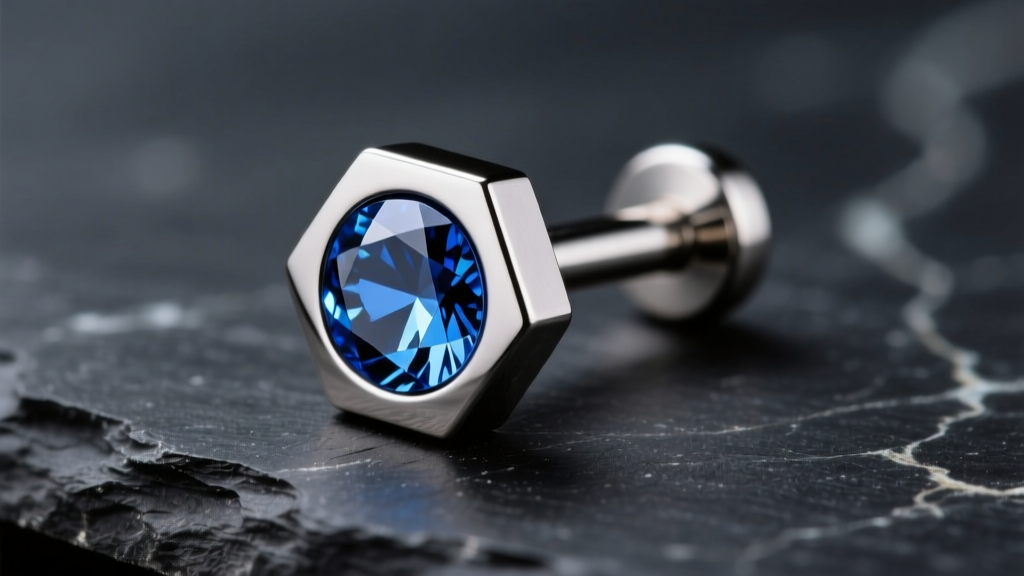
The Gap Between Visual Earring Inspo and Biological Reality
Scrolling through social media for earring inspo is a highly visual experience. You see curated ear projects featuring intricate constellations, delicate chains, and bold structural hoops. However, translating that visual earring inspo into a reality that your body will actually tolerate requires looking past the aesthetic and examining the metallurgy. Cartilage piercings—such as the helix, conch, flat, and daith—are notoriously unforgiving. They lack the robust blood supply of the earlobe, meaning they heal slower, are more prone to hypertrophic scarring, and react violently to subpar materials.
In 2026, the jewelry market is flooded with misleading terms like "hypoallergenic" and "surgical steel," which often mask high nickel content and porous finishes. To build a curated ear that lasts a lifetime without causing contact dermatitis or rejection, you must become fluent in metal grades, hardware mechanics, and gauge specifications. This guide bridges the gap between high-end aesthetic inspiration and medical-grade material science.
Decoding Metal Grades: What Your Cartilage Actually Needs
When sourcing pieces to match your earring inspo, the metal composition is the single most critical factor. The Association of Professional Piercers (APP) strictly recommends specific materials for fresh and sensitive piercings based on their biocompatibility and surface finish.
Implant-Grade Titanium (ASTM F136)
This is the undisputed gold standard for sensitive cartilage. Unlike commercial-grade titanium, ASTM F136 implant-grade titanium (specifically Ti6Al4V ELI) contains zero nickel. It is highly biocompatible, lightweight, and can be polished to a mirror finish that prevents bacterial adhesion. Furthermore, titanium is anodizable—meaning piercers can use electrical voltage to alter the oxide layer on the surface, creating vibrant colors without using toxic paints or platings that could flake off inside your fistula.
Niobium (Un-alloyed)
Niobium is a soft, highly malleable, and completely nickel-free elemental metal. Because it is not alloyed with other metals, it carries virtually no risk of allergic reaction. It is slightly heavier than titanium, making it an excellent choice for seamless rings and clickers where a bit of weight helps the jewelry hang perfectly in a daith or rook piercing. Like titanium, niobium can be anodized to achieve deep blacks and rich jewel tones.
Solid Gold (14k and 18k Nickel-Free)
Gold is a classic choice for elevating your earring inspo, but purity matters. 24k gold is too soft and will easily scratch, creating microscopic grooves that harbor bacteria. Conversely, 10k gold contains too much alloyed filler metal, often including nickel or zinc. The sweet spot is 14k or 18k solid gold, provided it is explicitly alloyed for biocompatibility (often using palladium or silver instead of nickel). Always verify that the gold is solid, not plated; gold plating over brass or steel will eventually wear through, exposing the cartilage to reactive base metals.
The "Surgical Steel" Trap (316L and 316LVM)
Despite the reassuring name, surgical steel is an umbrella term that usually refers to 316L or 316LVM stainless steel. These alloys contain between 8% and 12% nickel. While the nickel is theoretically bound within the steel matrix, the polishing process and the acidic environment of human sweat can cause nickel ions to leach out. For a healed, non-sensitive lobe, this might be fine. For a sensitive cartilage piercing, 316L is a primary culprit behind chronic irritation bumps and allergic sensitization.
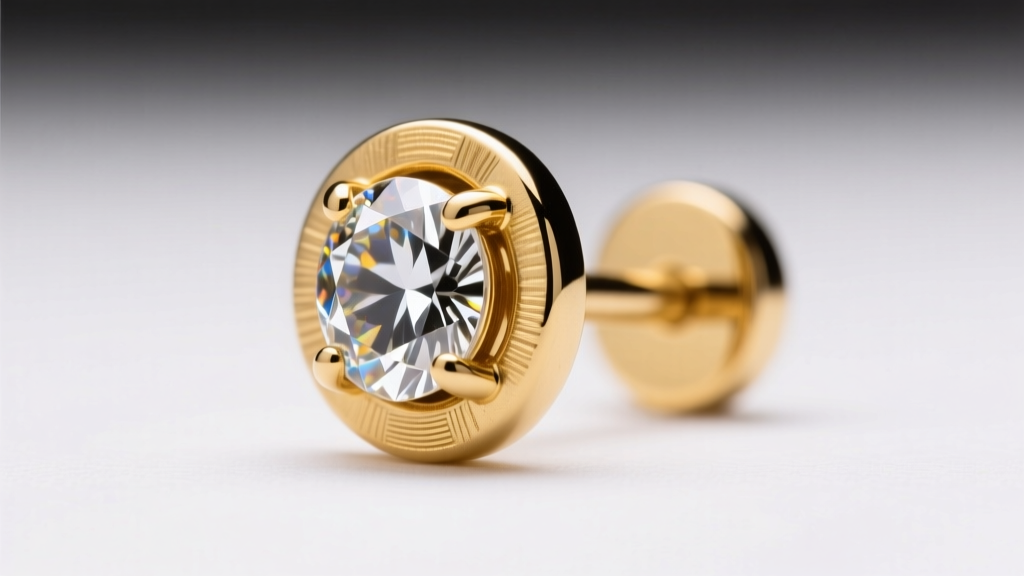
Material Comparison Matrix
Use this quick-reference table when shopping for your next cartilage upgrade to ensure the metal matches your biological needs.
| Material | Standard / Grade | Nickel Content | Best Application | Avg. Price Range (16G) |
|---|---|---|---|---|
| Titanium | ASTM F136 (Implant) | 0% | Flat backs, labrets, fresh piercings | $35 - $80 |
| Niobium | Un-alloyed (Pure) | 0% | Seamless hoops, clickers, daiths | $25 - $60 |
| Solid Gold | 14k / 18k (Palladium alloy) | 0% (if nickel-free) | Threadless ends, decorative studs | $90 - $350+ |
| Platinum | 950 Platinum | 0% | Heirloom pieces, extreme sensitivity | $250 - $600+ |
| Steel | 316L / 316LVM | 8% - 12% | Healed lobes only (avoid for cartilage) | $10 - $30 |
Hardware Mechanics: Threadless vs. Internally Threaded
Your earring inspo might feature a stunning gemstone cluster, but how that end attaches to the post is just as vital as the metal itself. Externally threaded jewelry—where the screw pattern is on the post that passes through the piercing—acts like a cheese grater on the delicate fistula tissue during insertion and removal. It should be entirely avoided.
The Threadless (Push-Pin) Revolution
For modern cartilage curation, threadless jewelry is the superior choice. A threadless system uses a straight or slightly bent pin on the decorative end that pushes into a hollow post. The tension between the bent pin and the inner wall of the post holds the jewelry securely in place. This allows for a completely smooth post insertion, and the ends are highly interchangeable, allowing you to swap your earring inspo daily without removing the base post from your piercing.
Internally Threaded Hardware
If you prefer a screw-together mechanism, ensure the jewelry is internally threaded. This means the post is smooth, and the threading is located on the inside of the decorative end or backing. High-end brands like BVLA and Industrial Strength precision-machine their threads to ensure they glide through the tissue without snagging.
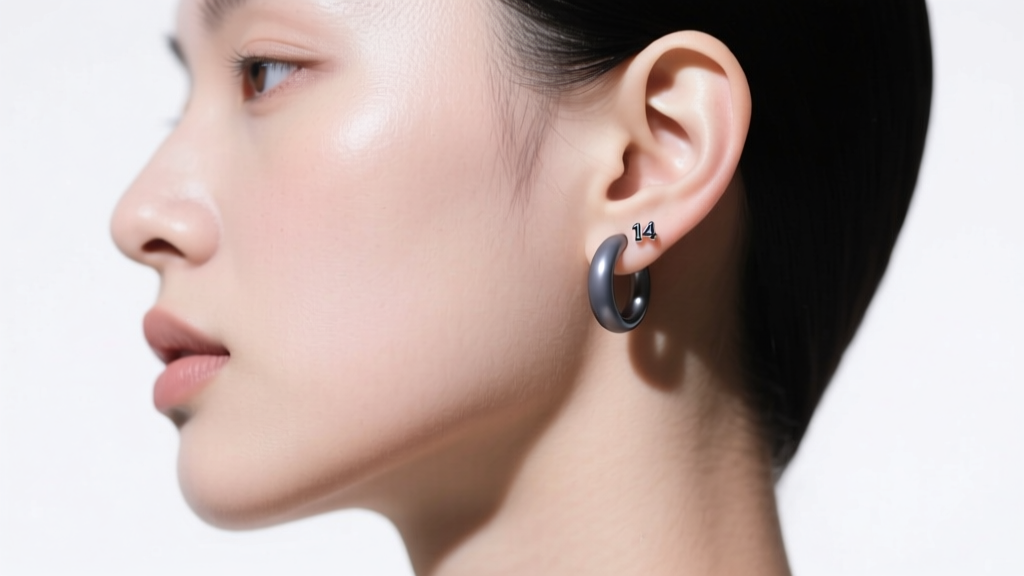
Matching Earring Inspo to Specific Piercing Locations
Different cartilage zones require different structural approaches. A piece that looks perfect in a lobe might cause migration or pressure necrosis in a flat or conch piercing.
Helix and Flat Piercings: The Flat-Back Labret
For the outer helix and the flat of the ear, the flat-back labret is the undisputed champion. The flat disc rests flush against the back of the ear, preventing the "butterfly clutch" pressure that causes irritation bumps. For most adults, a 16-gauge (1.2mm) post in lengths ranging from 5/16" (8mm) for healed piercings to 1/4" (6mm) for snug fits is standard. Always measure your post length; a post that is too long will catch on hair and masks, while one that is too short will strangle the tissue during swelling.
Daith and Rook Piercings: Clickers and Captive Beads
The daith and rook are folded ridges of cartilage that require curved or circular jewelry. Seamless rings and hinged clickers are ideal here. Because these piercings experience a lot of friction from earbuds and phone receivers, opting for a slightly thicker 14-gauge (1.6mm) hoop can provide better stability and reduce the "cheese-cutter effect" (where thin wire slowly migrates through the tissue). Niobium clickers with a secure hinge mechanism are highly recommended for these zones.
Conch Piercings: Statement Studs and Hoops
The conch offers a large, flat canvas perfect for bold earring inspo. If opting for a stud, a large-threadless end with a secure 14k gold or titanium backing is ideal. If you prefer a conch hoop, you must account for the depth of your conch bowl; a hoop with too small a diameter will pull upward on the piercing angle, causing chronic rejection. Custom-bent titanium or niobium C-rings often provide the best anatomical fit.
"The most common cause of chronic cartilage irritation isn't sleeping on the piercing or using the wrong aftercare—it's wearing jewelry with an improper fit, incorrect gauge, or substandard surface finish. Upgrading to properly fitted, implant-grade hardware solves 90% of stubborn irritation bumps." — Guidelines from the Association of Professional Piercers
Sourcing Your Inspo: Brands That Meet Medical Standards
To bring your earring inspo to life safely, bypass fast-fashion retailers and mall kiosks. Invest in body jewelry companies that adhere to ASTM International standards and utilize APP-compliant polishing techniques. Brands like Maria Tash, BVLA, Anatometal, and LeRoi offer unparalleled craftsmanship, utilizing conflict-free gemstones and nickel-free precious metals. While a single threadless end from these brands may cost between $80 and $300, the precision engineering, lifetime warranty on the metal, and absolute biocompatibility make them a permanent, safe addition to your curated ear.
Ultimately, true earring inspo isn't just about how a piece looks in a photograph; it's about how it interacts with your unique anatomy. By prioritizing implant-grade materials, precision threading, and anatomical sizing, you can build a breathtaking, irritation-free ear curation that stands the test of time.


