The Ultimate Earring Jackets Pearl Guide for Beginners
Master the art of earring jackets pearl styling. Learn about gauge sizes, fully-drilled vs. glued pearls, and how to prevent lobe droop in 2026.

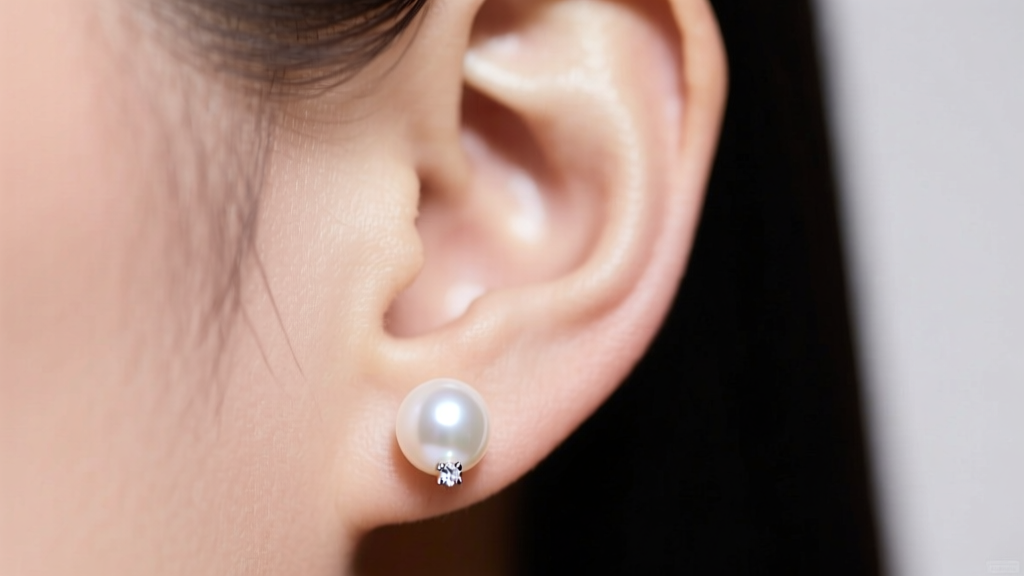
What Are Pearl Earring Jackets?
If you are looking to elevate your everyday jewelry rotation without committing to multiple ear piercings, the earring jacket is your ultimate secret weapon. Unlike traditional stud earrings that sit flush against the front of the earlobe, an earring jacket is a decorative embellishment that threads onto the post of your primary stud and rests behind or wraps around the bottom of the earlobe. When paired with classic gems, they create the illusion of a complex, multi-piece ear curation.
For beginners, navigating the world of pearl earring jackets can feel overwhelming. You are not just choosing a pearl; you are dealing with structural mechanics, post thicknesses, and weight distribution. This comprehensive guide will break down everything you need to know about selecting, fitting, and styling pearl earring jackets with absolute confidence.
The Anatomy of a Jacket: Glue vs. Fully-Drilled Pearls
Before you purchase your first piece, you must understand how the pearl attaches to the metal jacket finding. This single detail dictates the longevity of your jewelry and is the most common failure point for beginners.
The Glued Half-Drill Method (Proceed with Caution)
Many budget-friendly pearl jackets use half-drilled pearls that are glued into a metal cup or onto a flat metal backing using jeweler's epoxy. While this allows for a seamless look with no visible post hole on the back of the pearl, it is highly susceptible to failure. The natural oils from your skin, acidic sweat, and everyday cosmetics like perfume or hairspray will gradually break down the cyanoacrylate or epoxy bonds. It is incredibly common for glued pearls to simply pop off and get lost after a few months of daily wear.
The Fully-Drilled Method (The Expert Choice)
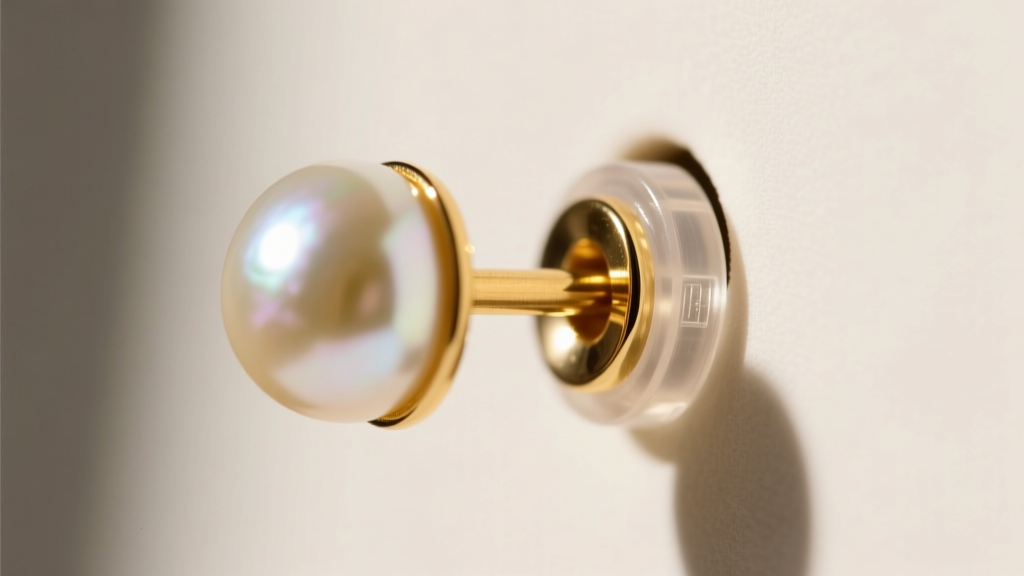
High-quality pearl jackets feature fully drilled pearls that slide directly onto your earring post, just like a bead. The pearl is secured in place by the friction back of the earring itself. This mechanical connection completely eliminates the risk of glue degradation. When shopping, always inspect the product photos or ask the jeweler if the pearls are fully drilled. It is the hallmark of a durable, well-constructed piece.
Choosing Your Pearl: Types and Pricing Tiers
Not all pearls are created equal. The type of pearl you choose for your jacket will impact the luster, the shape, and the overall weight on your earlobe. According to the Gemological Institute of America (GIA), pearl value is determined by size, shape, color, luster, surface quality, and nacre thickness. Here is how the top three varieties perform specifically as earring jackets.
| Pearl Type | Average Size for Jackets | Luster & Shape | Price Range (Per Pair) | Best For |
|---|---|---|---|---|
| Freshwater | 6mm - 8mm | Moderate luster; often button, oval, or asymmetrical shapes. | $25 - $90 | Everyday wear, budget-conscious beginners, casual styling. |
| Akoya | 7mm - 9mm | Mirror-like high luster; perfectly round. | $120 - $350 | Office wear, formal events, classic elegance. |
| South Sea | 10mm - 14mm+ | Satin luster; very large and heavy. | $400 - $1,200+ | Statement pieces, evening wear (requires lobe support). |
Pro Tip: For beginners, an 8mm Akoya pearl jacket offers the best balance of brilliant luster, manageable weight, and timeless versatility.
Gauge Sizing and Preventing the "Droop" Effect
The most frequent complaint among first-time jacket wearers is the "droop"—when the weight of the pearl pulls the earlobe downward, causing the jacket to point awkwardly toward the floor rather than framing the face. Solving this requires understanding gauge sizes and friction backs.
Matching Post Gauges to Pearl Drill Holes
Standard earring posts are typically 20-gauge (0.81mm)18-gauge (1.02mm). If you are buying a pearl jacket separately from your stud, you must ensure the pearl's drill hole is wide enough to accommodate your post. A standard pearl drill hole is usually 0.9mm. If you try to force a thick 18-gauge post through a tight 0.8mm hole, you risk cracking the delicate nacre. Always verify the drill hole diameter with the seller before purchasing standalone jackets.
Defeating Gravity: Lobe Support Hacks
If your Akoya or South Sea pearl jacket is heavy, standard metal butterfly backs will not provide enough surface area to keep the earring upright. Upgrade your hardware using these two methods:
- Silicone Friction Discs: Replace metal backs with wide, clear silicone discs. The high-friction rubber grips the post tightly and distributes the weight across a wider area of the back of your earlobe.
- Adhesive Lobe Patches: Products like BlingWraps or generic earring support patches are small, invisible adhesive stickers placed on the back of the earlobe. They provide a firm, reinforced surface for the earring back to push against, completely eliminating the droop.
Step-by-Step: How to Put On Pearl Earring Jackets
Putting on a jacket earring requires a slightly different technique than a standard stud. Follow this sequence to ensure a secure fit without dropping your pearl down the bathroom sink drain.
- Prepare your workspace: Always put your earrings on over a soft surface, like a towel or a carpeted floor, just in case the pearl slips off the post.
- Insert the primary stud: Push your front-facing stud (e.g., a small diamond or gold ball) through your piercing from the front.
- Thread the jacket: Take your pearl jacket and slide it onto the protruding post from the back. Ensure the decorative curve is facing the correct direction (usually hugging the bottom curve of the earlobe).
- Secure the back: Push your silicone or metal friction back onto the post. You should feel it click past the small notch or groove near the end of the post. If it does not click past the notch, the jacket will slide off.
Expert Insight: Never apply pressure directly to the pearl itself when pushing the friction back on. Hold the metal finding of the jacket steady with one hand while pushing the back with the other to avoid stressing the pearl's drill hole.

Styling Frameworks: Matching Jackets to Face Shapes
Pearl earring jackets are incredibly versatile, but choosing the right silhouette can beautifully complement your natural facial structure.
- Round Faces: Avoid wide, circular halo jackets that add horizontal volume. Instead, opt for elongated drop pearl jackets or linear designs that hang slightly below the lobe to create a lengthening illusion.
- Square Faces: Soften strong jawlines with curved, sweeping pearl jackets. A classic crescent moon or circular halo jacket wraps around the lobe and adds soft, organic curves to your profile.
- Oval Faces: You have the most versatility. Symmetrical pearl halos, geometric art-deco jackets, and classic bottom-hugging curves will all look perfectly balanced.
- Heart-Shaped Faces: Choose jackets that are wider at the bottom than at the top. Teardrop-shaped pearl arrangements or bottom-heavy cluster jackets help balance a narrower chin.
Care and Maintenance to Prevent Pearl Degradation
Pearls are organic gemstones, ranking only 2.5 to 3.0 on the Mohs scale of hardness. They require specific care to maintain their luster, especially when mounted in complex jacket findings where dirt can accumulate. The GIA recommends strict protocols for pearl maintenance to prevent irreversible damage to the nacre.
The "Last On, First Off" Rule
Pearls are highly porous and will absorb chemicals from your environment. Always put your pearl earring jackets on after applying makeup, perfume, and hairspray. When you return home, take them off immediately before changing clothes or washing your face.
Cleaning Protocol
Never use ultrasonic cleaners, steam cleaners, or harsh chemical jewelry dips on pearl jackets. The high-frequency vibrations can shatter the pearl, and the chemicals will strip the nacre, leaving the pearl dull and chalky. Instead, after every few wears, gently wipe the pearls with a clean, slightly damp microfiber cloth. Use a soft-bristled makeup brush to gently sweep away dust from the metal crevices of the jacket finding. Store them flat in a soft pouch, away from harder gemstones like diamonds that can easily scratch the pearl surface.
By understanding the mechanics of fully-drilled pearls, selecting the correct gauge, and utilizing silicone supports, you can wear pearl earring jackets with the same confidence as a seasoned jewelry collector. They are an investment in versatility, allowing you to transform a simple daytime stud into a breathtaking evening statement piece in mere seconds.


