Earring Keloid Prevention: Cleaning and Care Guide
Learn how to prevent an earring keloid with expert cleaning routines, hypoallergenic metal grades, and mechanical care tips for sensitive piercings.

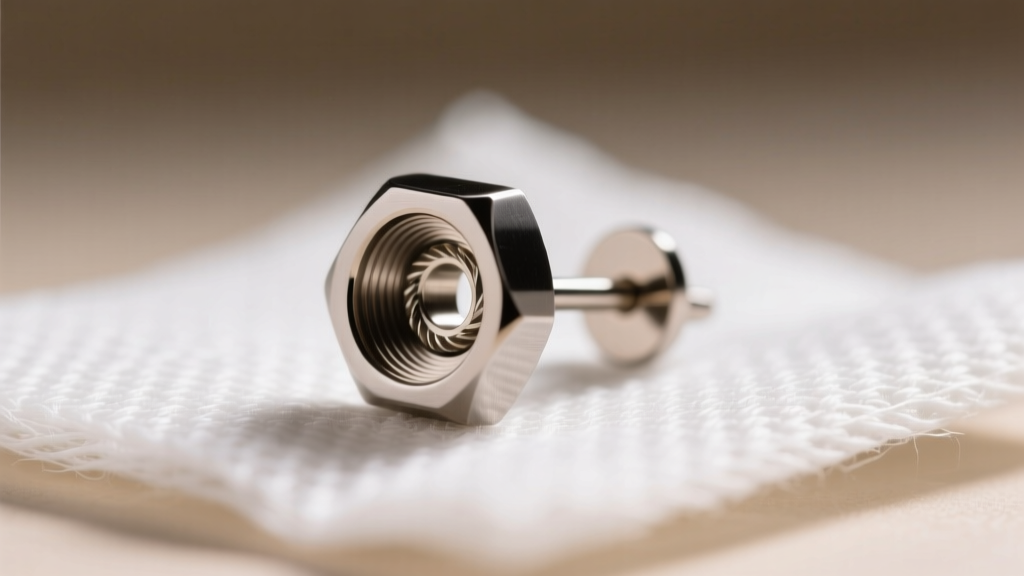
Understanding the Mechanics of an Earring Keloid
An earring keloid is not a standard infection or a simple hypertrophic scar; it is a benign fibroproliferative tumor resulting from an abnormal wound healing response. When the skin or cartilage is pierced, the body initiates a cascade of cellular events to close the wound. In individuals genetically predisposed to keloids, fibroblasts (the cells responsible for producing collagen) fail to receive the signal to stop multiplying once the wound is closed. This leads to an overproduction of Type I and Type III collagen, spilling beyond the original boundaries of the piercing site.
While genetics play the foundational role in your susceptibility, environmental triggers—specifically prolonged inflammation, contact dermatitis, and mechanical micro-tearing—are the primary catalysts that awaken this fibrotic response. As a domain expert in jewelry materials and piercing aftercare, I cannot stress this enough: preventing an earring keloid requires a meticulous, multi-tiered approach to the metals you wear, the mechanical design of your jewelry, and your daily cleaning protocols. Vague advice like "keep it clean" is insufficient. You need clinical precision.
The Material Matrix: Eliminating Allergic Triggers
The most common precursor to keloid formation in piercings is chronic contact dermatitis caused by nickel exposure. When your immune system reacts to nickel ions leaching from your earrings, it creates localized swelling, itching, and micro-fissures in the fistula (the piercing channel). This constant state of inflammation tricks the body into remaining in the proliferative phase of healing, drastically increasing the risk of an earring keloid.
To mitigate this, you must abandon the marketing term "surgical steel" and demand specific metallurgical certifications. According to the Association of Professional Piercers, only specific grades of metal are safe for long-term wear in sensitive or healing tissue.
| Metal Grade | Composition & Certification | Keloid Risk Profile |
|---|---|---|
| Implant-Grade Titanium | ASTM F136 (Ti-6Al-4V ELI). Nickel-free, highly polished. | Lowest Risk. The gold standard for keloid-prone individuals. |
| Niobium | Elemental metal (Nb). Hypoallergenic, easily anodized. | Very Low Risk. Excellent for cartilage rings and hoops. |
| 14k/18k Solid Gold | Alloyed with silver/copper. Must be nickel-free and high polish. | Low Risk, provided it is not white gold (which often contains nickel). |
| Surgical Steel (316L) | ASTM F138. Contains 8-12% nickel bound in the alloy. | High Risk. Nickel leaching causes chronic inflammation. |
Mechanical Irritation: Gauge Sizing and Threading
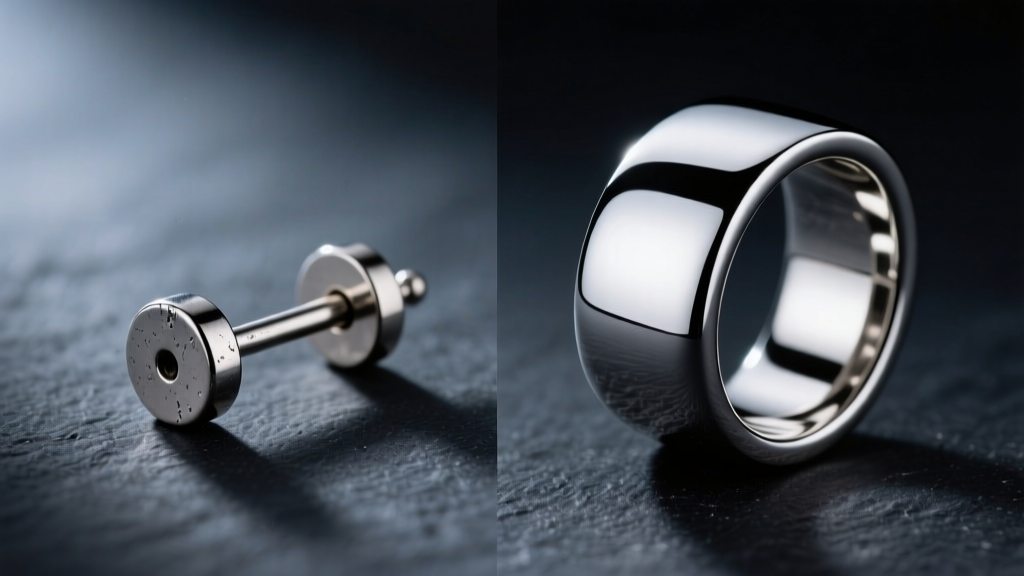
Even if your earrings are made of flawless implant-grade titanium, poor mechanical design will physically traumatize the fistula, triggering the exact same collagen overproduction that causes an earring keloid. We must evaluate two critical factors: gauge thickness and threading type.
The "Cheese-Cutter" Effect
Standard fashion earrings are often manufactured at 20-gauge (0.81mm) or 22-gauge (0.64mm) thicknesses. When worn in the cartilage (such as the helix or tragus) or even the lower lobe, these thin wires act like a cheese wire under the weight of the jewelry or the tension of a snagged hoop. This mechanical tension slowly slices through the tissue, causing chronic micro-tearing. The body attempts to heal these continuous tears by laying down dense scar tissue. For cartilage piercings, a minimum of 16-gauge (1.2mm) or 14-gauge (1.6mm) is mandatory to distribute pressure evenly and prevent migration and subsequent keloid scarring.
Threadless and Internally Threaded vs. Externally Threaded
Externally threaded earrings (where the screw pattern is on the post that passes through the skin) are a primary culprit in fistula trauma. Every time you insert or remove the earring, those sharp metal threads scrape the delicate epithelial lining of the piercing channel. To prevent an earring keloid, exclusively use internally threaded jewelry (where the screw is on the decorative end, and the post is perfectly smooth) or threadless (push-pin) jewelry, which relies on tension rather than screws and glides through the tissue without abrasion.
Daily Cleaning Protocols to Prevent Fibrotic Triggers
The goal of your cleaning routine is to remove crusties, dead cells, and environmental debris without destroying the fragile new cells attempting to line the fistula. Cytotoxic solutions prolong inflammation, and prolonged inflammation breeds keloids.
What to Use: Isotonic Saline
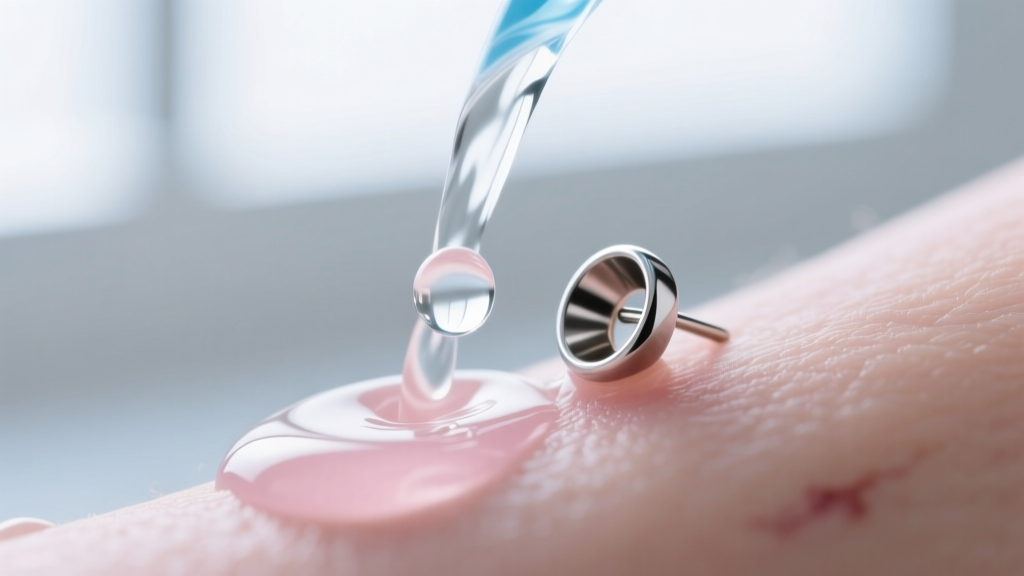
Your only daily cleansing agent should be a sterile, 0.9% isotonic sodium chloride solution with absolutely no additives, preservatives, or fragrances. Products like NeilMed Wound Wash or H2Ocean Piercing Aftercare are formulated to match the natural salinity of your body's tears and blood, meaning they will not dehydrate the healing cells. Spray the solution directly onto the earring site twice daily, allowing it to soak for 30 seconds before gently patting dry with a non-woven gauze pad. Avoid cotton balls or swabs, as they shed microscopic fibers that can become trapped in the fistula and cause granulomas or keloids.
What to Avoid: The Cytotoxic Trap
According to dermatological guidelines from the Mayo Clinic, minimizing tissue irritation is paramount in scar prevention. Never use the following on your piercings:
- Rubbing Alcohol & Hydrogen Peroxide: These agents are highly cytotoxic. They kill bacteria, but they also destroy your body's new fibroblasts and epithelial cells, resetting the healing clock and inviting keloid formation.
- Tea Tree Oil & Essential Oils: Highly concentrated and notoriously allergenic. Undiluted tea tree oil causes severe contact dermatitis in a significant portion of the population, leading to the exact swelling and itching you are trying to avoid.
- Antibiotic Ointments (Neosporin): These petroleum-based ointments block oxygen flow to the wound, creating an anaerobic environment that traps bacteria and prevents the fistula from draining naturally.
Managing an Existing Earring Keloid: Care and Downsizing
If you have already developed an earring keloid, your care strategy must shift from prevention to active management and stabilization. Do not remove the earring immediately without a plan; if the piercing closes, the keloid will trap the infection or debris inside, potentially requiring surgical excision.
Pressure Therapy and Glass Retainers
For lobe keloids, specialized magnetic pressure earrings are clinically proven to flatten the scar tissue over time by restricting the blood supply to the overactive fibroblasts. However, these must be worn 12 to 20 hours a day for several months. If the keloid is in the cartilage, pressure therapy is difficult to apply. Instead, consult a professional piercer or dermatologist about swapping your metal jewelry for a custom-fitted, borosilicate glass retainer. Glass is entirely biologically inert, non-porous, and eliminates any risk of metallic contact dermatitis while keeping the channel open for topical treatments.
Topical Silicone and Corticosteroid Injections
The American Academy of Dermatology recommends medical-grade silicone gel sheets or topical silicone ointments as a first-line, non-invasive defense against keloid expansion. Silicone creates a hydrated, occlusive barrier that signals the fibroblasts to down-regulate collagen production. For aggressive, raised keloids that do not respond to topical silicone or pressure therapy, intralesional corticosteroid injections (such as Kenalog) administered by a board-certified dermatologist remain the most effective method to dissolve the excess collagen and flatten the tissue.
Summary of Proactive Earring Care
Preventing an earring keloid is an exercise in minimizing variables. By restricting your jewelry to ASTM F136 implant-grade titanium, ensuring your posts are 16-gauge or thicker and internally threaded, and adhering to a strict 0.9% isotonic saline cleaning regimen, you strip away the environmental triggers that cause fibrotic overgrowth. Treat your piercings with clinical respect, and your body will reward you with clean, healthy tissue rather than chronic scarring.


