Earring Magic Ken Doll: The Ultimate Men's Hoop Earring Guide
Discover how the 1993 Earring Magic Ken doll changed men's jewelry. Explore our 2026 guide to men's hoop earrings, gauges, materials, and styling.

The Cultural Reset: How a Toy Redefined Men's Jewelry
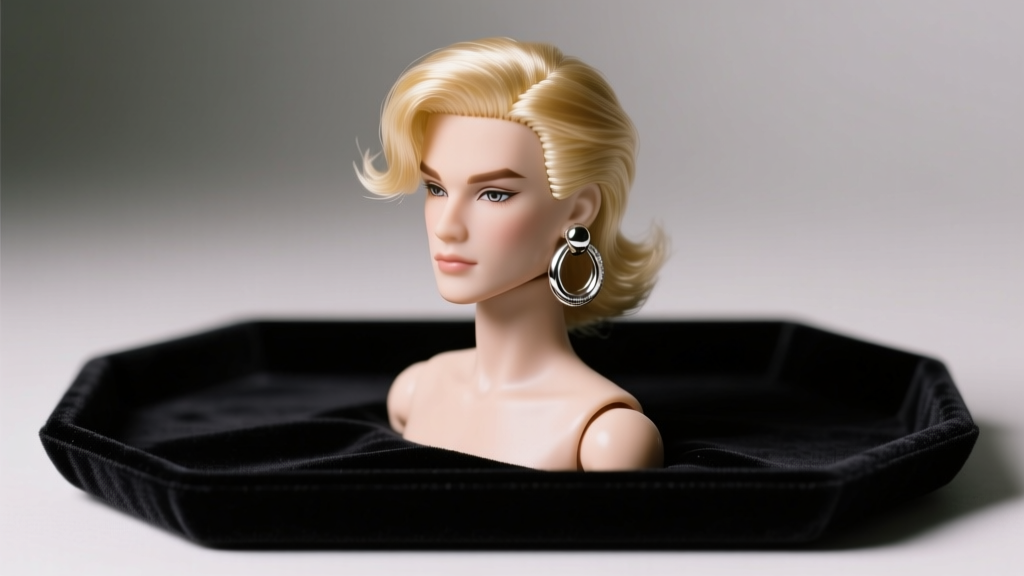
When Mattel released the earring magic ken doll in 1993, it was ostensibly a bid to capture the era's grunge and club-kid aesthetics. Dressed in a mesh tank top and sporting a faux-leather necklace, it was the accessory dangling from his left ear that sparked a cultural conversation: a simple, silver-toned hoop earring. While pop culture historians often focus on the doll's controversial neckwear, the earring magic ken doll phenomenon quietly normalized the idea of men wearing hoops, paving the way for the mainstream acceptance of male ear adornment.
Fast forward to 2026, and men's hoop earrings have evolved far beyond the cheap, easily tarnished base metals of the early 90s toy aisle. Today, selecting the right hoop involves understanding metallurgical grades, anatomical gauge sizing, and facial proportions. Whether you are a first-time piercee looking for a subtle huggie or a seasoned collector seeking a statement piece, this guide breaks down the exact specifications you need to know to buy, wear, and maintain men's hoop earrings with confidence.
The Anatomy of a Men's Hoop: Gauges and Diameters
The most common mistake beginners make when shopping for hoops is ignoring the wire thickness (gauge) and the overall width (diameter). A hoop that is too thin can cause tissue damage, while one that is too wide can snag on clothing.
Understanding Gauge Thickness
Gauge refers to the thickness of the wire that passes through your piercing. The standard lobe piercing is typically done at 20G (0.81mm) or 18G (1.02mm). However, for men's hoops, experts generally recommend stepping up to a thicker wire.
- 20-Gauge (0.81mm): Often found in fashion jewelry. We advise against this for daily wear hoops, as the thin wire can trigger the 'cheese cutter effect'—a phenomenon where the weight of the hoop slowly migrates through the earlobe tissue over time.
- 18-Gauge (1.02mm): The sweet spot for most men. It provides enough structural integrity to prevent migration while remaining light enough for freshly healed lobes.
- 16-Gauge (1.29mm): Ideal for heavier, statement hoops or cartilage piercings (like the helix or tragus). It offers maximum durability and a bold, masculine aesthetic.
Diameter and Proportion
Diameter dictates how the earring sits on your ear. The classic look sported by the earring magic ken doll translates to roughly a 15mm to 20mm diameter in real-world measurements.
- 10mm - 12mm (Huggies): Snug against the earlobe. Perfect for professional environments or minimalist styling.
- 15mm - 20mm (Standard Hoops): The traditional hoop. Offers a noticeable profile without interfering with collared shirts or headphones.
- 25mm+ (Statement/Dangle): Bold and expressive. Best suited for casual wear, creative industries, or streetwear aesthetics.
Material Grades: What to Actually Buy in 2026
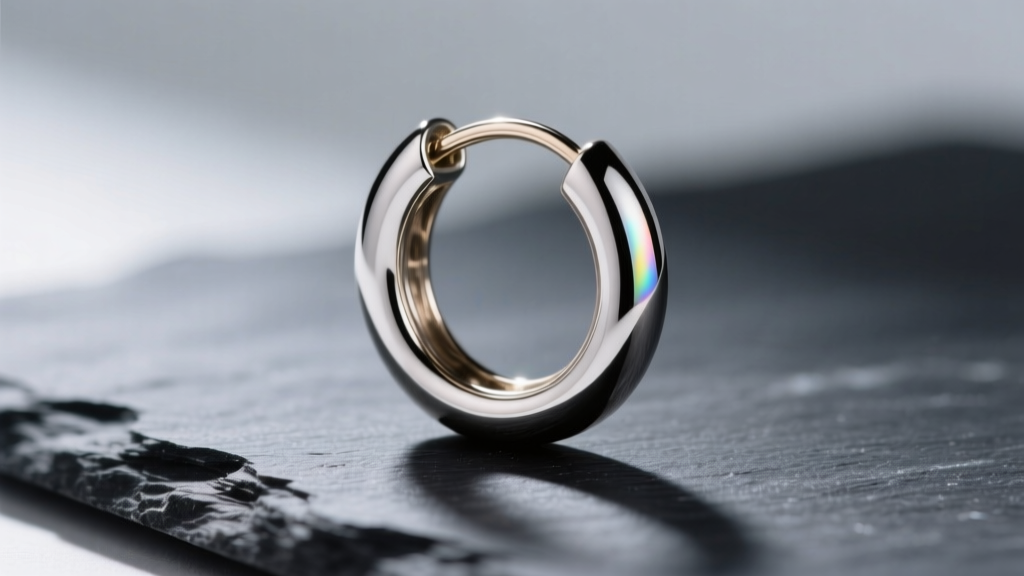
Not all metals are created equal, especially when they sit inside a healed or healing fistula (the piercing channel). According to the Association of Professional Piercers, the internal threading and surface polish of the metal are just as critical as the material itself. Below is a breakdown of the most common metals used in modern men's hoops.
| Material | Nickel-Free? | Best For | Average Price Range |
|---|---|---|---|
| ASTM F136 Implant-Grade Titanium | Yes | Sensitive ears, fresh piercings, daily wear | $30 - $80 |
| 316L Surgical Stainless Steel | No (Trace) | Healed piercings, budget-conscious buyers | $15 - $40 |
| Solid 14k / 18k Gold | Yes (Usually) | Luxury, longevity, heirloom pieces | $150 - $600+ |
| Gold Vermeil / Plated | Varies | Occasional wear, trend-hopping | $25 - $90 |
Expert Insight: Avoid 'surgical steel' if you have known nickel allergies. The term 'surgical' is largely a marketing buzzword and does not guarantee biocompatibility. Always look for the specific designation ASTM F136 when buying titanium, as this ensures the metal meets medical implant standards. Furthermore, ensure the hoop features a mirror finish. A high polish prevents microscopic bacteria traps that can cause irritation bumps in the earlobe.
Styling Hoops for Different Face Shapes
While the earring magic ken doll had a fixed, molded jawline, real men need to consider how circular jewelry interacts with their natural facial geometry. Hoops draw the eye downward and outward, which can either balance or exaggerate your face shape.
Square and Angular Jawlines
If you have a strong, square jaw, sharp angles are already a dominant feature. To soften the face and create visual harmony, opt for perfectly round, medium-diameter hoops (15mm - 20mm). Avoid geometric or squared-off hoops, which will over-emphasize the angularity of your jaw.
Round and Oval Faces
For rounder faces, the goal is to add subtle structure and elongation. Slightly elongated oval hoops or thicker, heavier 16-gauge circular hoops can add a necessary touch of edge and definition. Huggies (10mm) might get lost against a fuller cheek, so aim for a 15mm drop to frame the face effectively.
Heart and Diamond Shapes
Men with wider foreheads and narrower chins should avoid overly large, heavy statement hoops (25mm+), as these will draw attention to the lower half of the face and exaggerate the narrow chin. Stick to snug huggies or classic 12mm continuous hoops to maintain balance.
Piercing Aftercare and Upgrading Your Jewelry
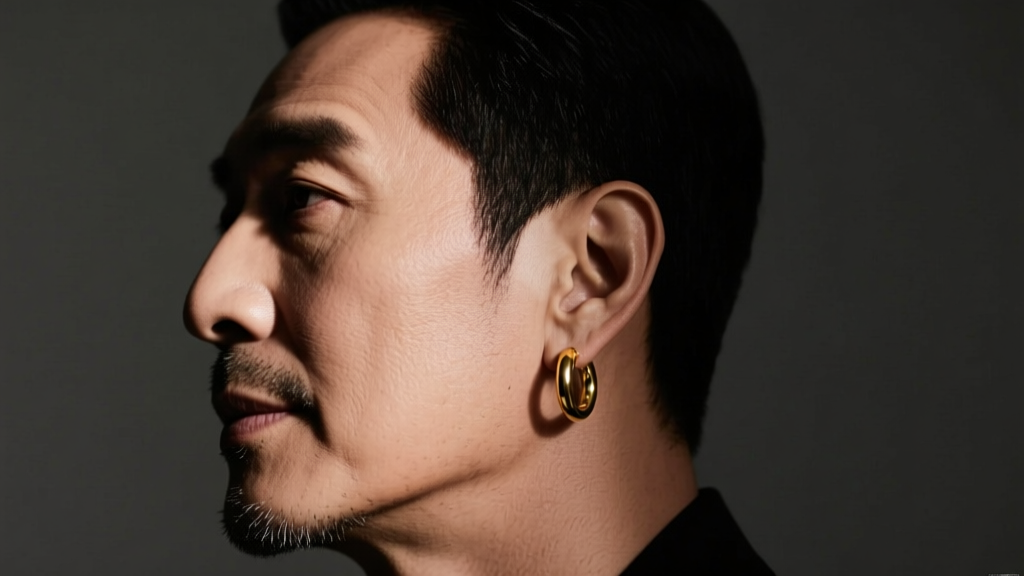
If you are transitioning from a starter stud to your first hoop, timing and aftercare are critical. The American Academy of Dermatology notes that earlobes typically take 6 to 8 weeks to heal initially, but the fistula remains fragile for up to six months. Introducing a hoop too early can cause the jewelry to move and rotate, introducing bacteria and delaying the healing process.
When to Make the Switch
Wait a minimum of 12 weeks before swapping a flat-back labret stud for a hoop. When you do make the switch, opt for a hinged segment ring or a clicker rather than a continuous hoop or captive bead ring. Hinged rings are significantly easier to insert yourself without bending the wire or traumatizing the delicate tissue of the piercing channel.
Daily Maintenance
- Cleaning: Spray the front and back of the hoop once daily with sterile 0.9% sodium chloride wound wash. Avoid harsh chemicals like rubbing alcohol or hydrogen peroxide, which destroy healing cells.
- Sleeping: Never sleep in large hoops. The pressure can bend the metal and cause the earring to press unevenly into the ear, leading to migration or 'cheese cutting.' If you must sleep with jewelry in, use a 10mm titanium huggie that sits flush against the lobe.
- Polishing: For solid gold or titanium, a quick wipe with a microfiber cloth once a week will remove sebum and dead skin buildup that naturally accumulates in the inner curve of the hoop.
Final Thoughts
The legacy of the earring magic ken doll is a testament to how pop culture can shift the boundaries of men's fashion. What started as a controversial toy accessory has blossomed into a staple of modern men's grooming and style. By prioritizing implant-grade materials, respecting your anatomy's gauge requirements, and choosing a diameter that complements your facial structure, you can wear the classic hoop with modern sophistication and comfort.


