Earring Piercing Care: Troubleshooting Stalled and Irritated Piercings
Master advanced earring piercing care with expert troubleshooting for stalled healing, irritation bumps, and material upgrades for lobe and cartilage.

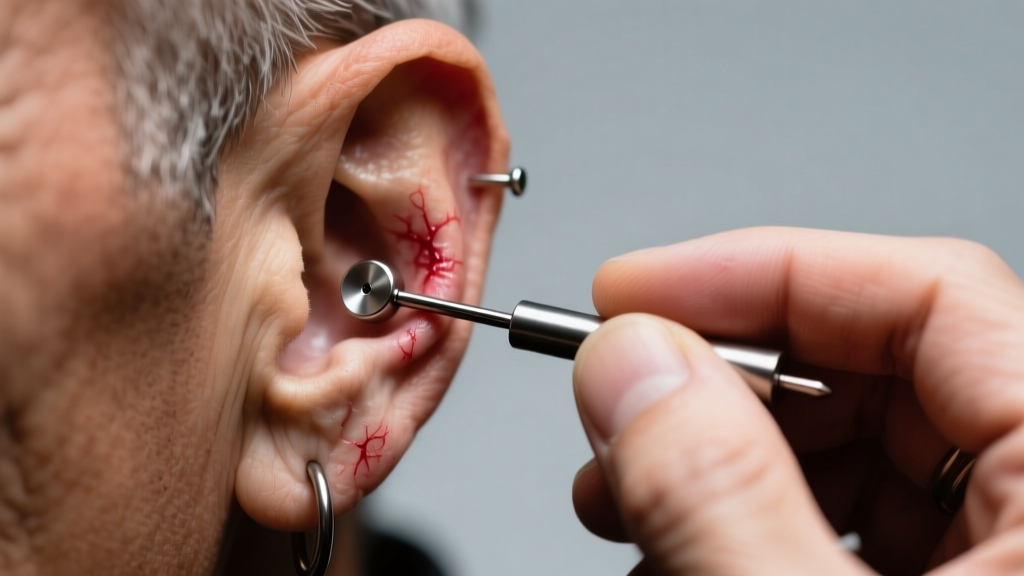
There are few things more frustrating in the world of body modification than a piercing that simply refuses to heal. You have followed the basic instructions, yet months later, you are still dealing with crusting, redness, or the dreaded irritation bump. Proper earring piercing care goes far beyond a quick spray of saline; it requires a deep understanding of tissue biology, metallurgy, and mechanical stress. As we move through 2026, professional piercers and dermatologists have refined their protocols for troubleshooting stubborn piercings, moving away from outdated home remedies toward evidence-based interventions.
This guide serves as your ultimate troubleshooting manual. We will diagnose why your lobe or cartilage piercing has stalled its healing process and provide actionable, highly specific solutions to get your fistula (the tube of healed tissue) back on track.
The Anatomy of a Stalled Piercing: Why Holes Stop Healing
A piercing is essentially a controlled puncture wound. The body heals this wound by forming a fistula, a protective tube of epithelial tissue. When a piercing stalls, it means the body is trapped in the inflammatory phase of wound healing and cannot transition to the proliferative phase. This is rarely a mystery; it is almost always caused by one of three specific failure modes: metallurgical incompatibility (contact dermatitis), mechanical micro-trauma, or chemical disruption of fibroblasts (the cells responsible for building new tissue).
Before altering your aftercare routine, you must identify which of these three variables is disrupting your earring piercing care protocol. Guessing and throwing random ointments at the problem will only exacerbate the inflammation.
Material Upgrades: Eliminating Metallurgical Failure Modes
The most common culprit for a perpetually weeping, itchy, or stalled piercing is an undiagnosed nickel allergy or sensitivity to alloy impurities. Many commercial jewelry brands market their products as "surgical steel," but this is an unregulated marketing term. Most 316L stainless steel contains 8% to 12% nickel, which can leach into the healing wound when exposed to the saline environment of human lymph and blood.
If your piercing is stalling, your first troubleshooting step is to upgrade your jewelry to mirror-polished, implant-grade materials. According to the Association of Professional Piercers (APP), only specific materials are biocompatible enough for fresh or troubled piercings.
| Material Grade | Nickel Content | Surface Finish | Best Use Case |
|---|---|---|---|
| ASTM F136 Titanium | 0% (Nickel-Free) | Mirror Polish | Severe allergies, stalled cartilage, fresh piercings |
| Niobium (99.9% Pure) | 0% (Nickel-Free) | Anodized/Polished | Hypersensitive skin, custom-fit seamless rings |
| 14k/18k Solid Gold | Varies (Must be alloyed for body safety) | High Polish | Fully healed holes, luxury upgrades (avoid in fresh wounds) |
| 316L Surgical Steel | 8% - 12% | Variable | Fully healed, non-sensitive lobes only (Avoid for troubleshooting) |
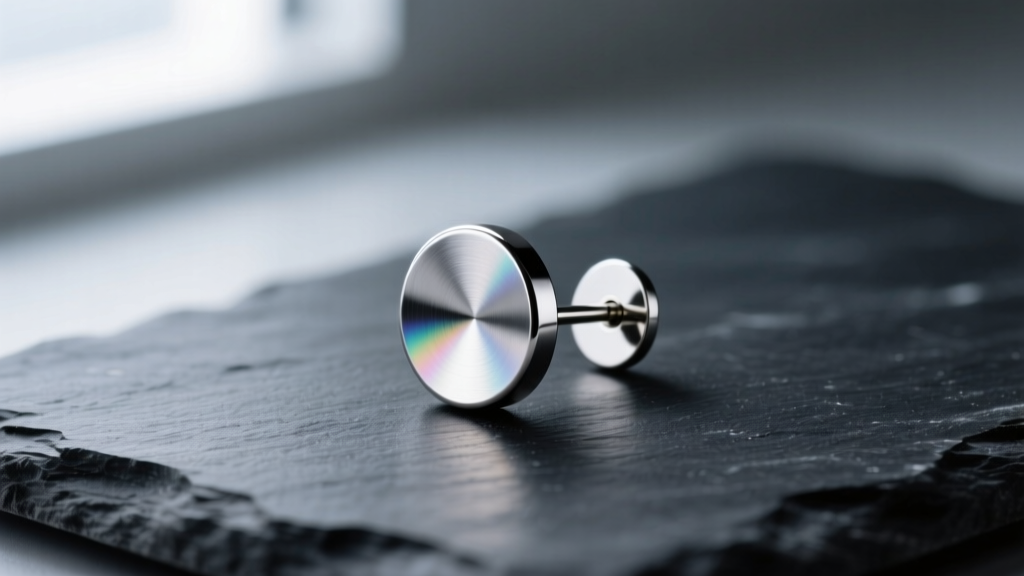
Notice the emphasis on "mirror polish." Microscopic scratches on cheaper jewelry harbor bacteria and cause friction against the delicate fistula wall. Always request internally threaded or threadless (push-pin) jewelry from your piercer; externally threaded posts act like a cheese grater on healing tissue when inserted.
Mechanical Irritation: Hidden Culprits in Earring Piercing Care
Even with perfect titanium jewelry, a piercing will not heal if it is subjected to daily mechanical trauma. The fistula is fragile; twisting, turning, or sleeping on the jewelry causes micro-tears that reset the healing clock to day one.
- Post Length Downgrading: If you were pierced with a 10mm or 12mm post to accommodate initial swelling, leaving that long post in after the swelling subsides (usually around weeks 3-4) creates a lever effect. Every time you brush your hair, the long post snags and drives the opposite end into the back of your ear. Visit your piercer to downsize to a 6mm or 8mm flat-back labret as soon as the initial swelling drops.
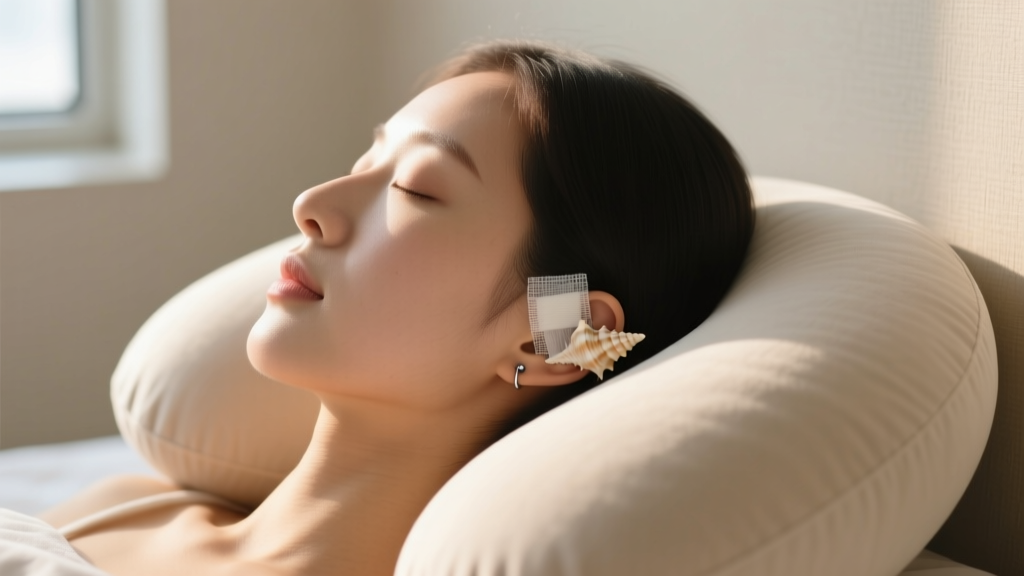
- Sleeping Pressure: Sleeping directly on a healing helix or conch piercing restricts localized blood flow and forces the jewelry at an awkward angle, leading to migration and irritation bumps. Use a U-shaped travel pillow, positioning your ear in the center hole to eliminate contact pressure entirely.
- The "No-Twist" Rule: Rotating your jewelry does not "break up scar tissue." It tears the newly formed epithelial cells lining the fistula and introduces external bacteria into the wound channel. Leave the jewelry completely stationary.
Chemical Traps: What to Stop Putting on Your Ears
A pervasive myth in earring piercing care is that harsher chemicals yield cleaner wounds. The American Academy of Dermatology (AAD) explicitly warns against using rubbing alcohol, hydrogen peroxide, and antibiotic ointments like Neosporin on healing piercings.
Alcohol and peroxide are cytotoxic; they do not just kill bacteria, they obliterate the fibroblasts your body needs to rebuild tissue. Similarly, heavy ointments trap moisture and block oxygen, creating an anaerobic environment where harmful bacteria thrive. The only topical solution required is sterile 0.9% sodium chloride saline spray (with no added preservatives or botanical extracts). Spray it once or twice daily, let it sit for 30 seconds, and gently pat dry with non-woven gauze. Moisture trapping from wet hair or failing to dry the piercing after a shower is a leading cause of localized dermatitis.
Triage: Irritation Bumps (Granulomas) vs. True Infections
When a bump appears next to your earring, panic often sets in. However, true infections are remarkably rare in ear piercings compared to mechanical irritation bumps (granulomas or hypertrophic scarring).
Identifying an Irritation Bump
Irritation bumps are typically flesh-colored, pink, or slightly red. They may weep clear or whitish lymph fluid and are localized strictly to the entry or exit point of the jewelry. They are the body's overzealous immune response to friction, moisture, or poor jewelry angles. Solution: Correct the mechanical angle with a professional piercer, switch to a flat-back titanium labret, and apply warm, sterile saline compresses to encourage lymphatic drainage.
Identifying a True Infection
A true bacterial infection (often Staphylococcus or Streptococcus) presents with systemic and radiating symptoms. The ear will be hot to the touch, swollen far beyond the immediate piercing site, and may produce thick, foul-smelling green or dark yellow pus. You may experience a fever or swollen lymph nodes in your neck. Solution: Do not remove the jewelry (which can trap the abscess under the skin) and seek immediate medical attention from a physician for prescription oral antibiotics.
Cartilage vs. Lobe: Tailored Troubleshooting Protocols
Troubleshooting requires an understanding of vascular anatomy. Standard earlobes are highly vascular, meaning they receive a robust supply of oxygen and white blood cells, allowing them to heal in 6 to 8 weeks. Cartilage (helix, conch, tragus, daith) is avascular; it relies on surrounding tissue for nutrient delivery, making healing a grueling 6 to 12-month process.
When troubleshooting a stalled cartilage piercing, patience and strict adherence to flat-back titanium are non-negotiable. Rings (even seamless titanium ones) move too much and introduce bacteria from the outside environment into the healing channel during the first six months. For lobe piercings that stall, the issue is almost always related to heavy earrings pulling on the tissue or sleeping on standard butterfly-back posts that trap dead skin and moisture against the exit wound.
When to Seek Professional Intervention
If you have upgraded to ASTM F136 titanium, downsized your post length, eliminated chemical irritants, and slept with a travel pillow for three weeks with zero improvement, your piercing may have been done at an incorrect angle. A piercing placed at a steep angle will experience constant surface tension, forcing the body to reject it or form a permanent callous. Consult an APP-certified professional piercer to evaluate the angle. In some cases, the most effective earring piercing care is allowing the hole to close completely and starting fresh with proper anatomical placement.


