Trashy Earrings Buying Guide: Maximalist Trends 2026
Master the maximalist aesthetic. Our 2026 buying guide to trashy earrings covers safe materials, gauge sizes, and weight distribution for bold styles.

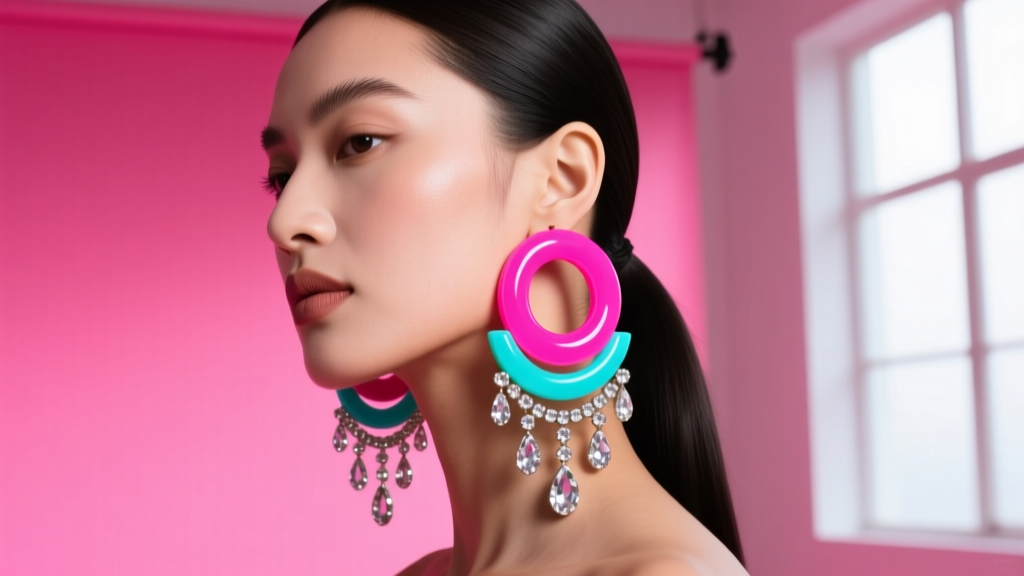
The fashion cycle of 2026 has fully embraced the unapologetic, the loud, and the intentionally provocative. Often colloquially dubbed the 'trashy-chic,' 'bimbo-core,' or 'mob-wife' aesthetic, this maximalist movement celebrates irony, camp, and oversized silhouettes. However, there is a massive difference between rocking 'trashy earrings' as a deliberate stylistic choice and wearing literal trash that destroys your earlobes and triggers severe contact dermatitis.
As a senior style analyst at Jewel Style Radar, I see too many consumers sacrifice their ear health for a trendy Y2K revival look. This comprehensive buying guide will teach you how to source bold, campy, and maximalist earrings that deliver the exact aesthetic you want, while utilizing structural engineering and safe metallurgy to protect your piercings.
Decoding the Aesthetic: Camp, Maximalism, and Irony
When we discuss 'trashy' earrings in a high-fashion context, we are referring to a specific visual language. This includes oversized neon acrylic hoops, heavy rhinestone chandelier drops, provocative novelty charms (think flip phones, dice, or cherry motifs), and mismatched, chaotic layering. The goal is to look effortless, slightly rebellious, and highly stylized.
The danger arises when shoppers equate this 'cheap-chic' aesthetic with purchasing low-quality, mass-produced fast-fashion jewelry. True style mastery lies in finding pieces that mimic the loud, playful energy of cheap novelty jewelry while being constructed with the same rigor as fine jewelry. You want the look of a chaotic 2004 red carpet, not the medical reality of an infected, torn earlobe.
The Metallurgy of Loud Jewelry: Avoiding Contact Dermatitis
The biggest failure mode in maximalist earrings is the use of Zamak (zinc alloy) or cheap brass bases with microscopic flash plating. These base metals are highly porous and almost always contain high levels of nickel to add hardness. When the plating wears off within days, the nickel leaches into your piercing, causing allergic contact dermatitis—a red, itchy, weeping reaction that can permanently sensitize your skin to metals.
According to the American Academy of Dermatology, nickel allergy is one of the most common causes of allergic contact dermatitis, affecting nearly 20% of the population. To safely wear heavy, statement-making earrings, you must scrutinize the post (the part that actually goes through your ear).
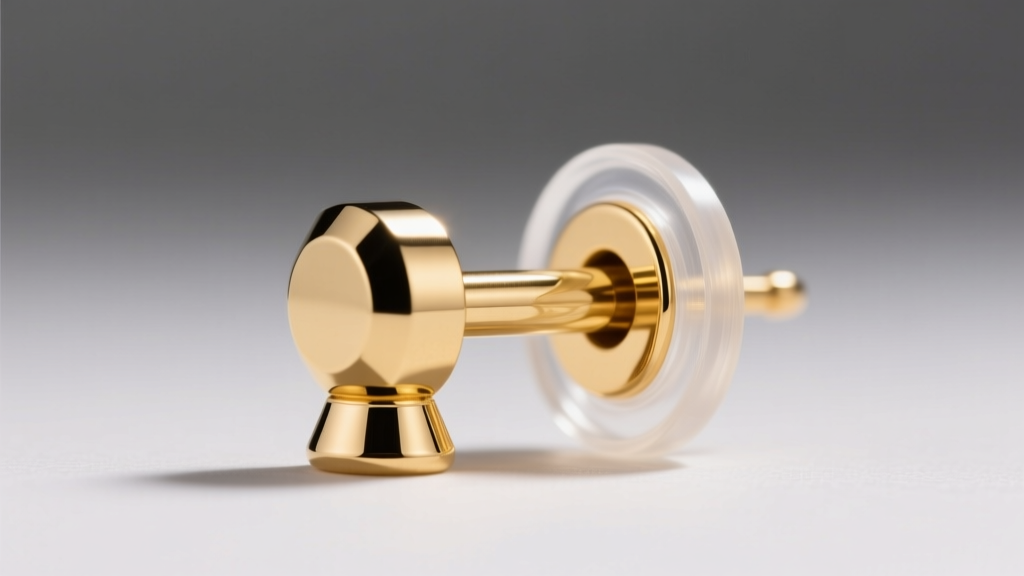
The Golden Rule of Earring Posts
- ASTM F136 Implant-Grade Titanium: The absolute gold standard for earring posts. It is completely nickel-free, lightweight, and biocompatible. Many high-end independent brands now laser-weld titanium posts onto acrylic or resin statement fronts.
- 14k or 18k Solid Gold: Excellent for sensitive ears, though heavier than titanium. Ensure it is solid, not gold-plated or gold-filled, at the post junction.
- 316L Surgical Steel: Acceptable for healed lobes, but be aware that it contains trace amounts of nickel. Avoid if you have a known allergy.
- PVD Coating over Steel: Physical Vapor Deposition (PVD) creates a highly durable, biocompatible titanium nitride layer over a steel base. This is common in mid-tier maximalist brands and is generally safe for healed piercings.
Structural Engineering: Weight Distribution and Gauge Sizing
Maximalist earrings are inherently heavy. A standard small gold stud weighs roughly 0.5 grams. A pair of thick, 3-inch acrylic hoops with rhinestone encrustations can easily weigh 15 to 25 grams per ear.
When heavy jewelry is hung on a standard, thin earring post, it creates a 'cheese-cutter' effect. The downward shear stress concentrates on a tiny surface area of your earlobe tissue, slowly stretching and eventually tearing the piercing downward. To combat this, you must pay strict attention to the gauge (thickness) of the earring post.
The Association of Professional Piercers notes that standard ear piercings are typically done at 18G or 16G, but standard fashion earrings often use flimsy 20G (0.8mm) or 22G (0.6mm) wire to save on metal costs. For heavy, oversized statement pieces, a thicker post is non-negotiable to distribute the weight across a wider area of tissue.
Weight vs. Gauge Recommendation Chart
| Earring Weight (Per Ear) | Minimum Post Gauge | Post Thickness (mm) | Recommended Backing |
|---|---|---|---|
| Under 5 grams | 20G - 18G | 0.8mm - 1.0mm | Standard Butterfly Clutch |
| 5 to 12 grams | 18G - 16G | 1.0mm - 1.2mm | Silicone O-Ring or Jumbo Clutch |
| 12 to 20 grams | 16G - 14G | 1.2mm - 1.6mm | Screw-Back or French Wire w/ Stopper |
| Over 20 grams | 14G or thicker | 1.6mm+ | Custom Leverback or Ear Jacket Support |
Securing the Statement: Backings and Clutches
A heavy rhinestone chandelier earring will inevitably pull on your lobe, causing the standard 'butterfly' friction back to slide down the post. Once the backing slips, the earring hangs at an awkward angle, putting asymmetrical stress on the piercing hole and increasing the risk of loss.
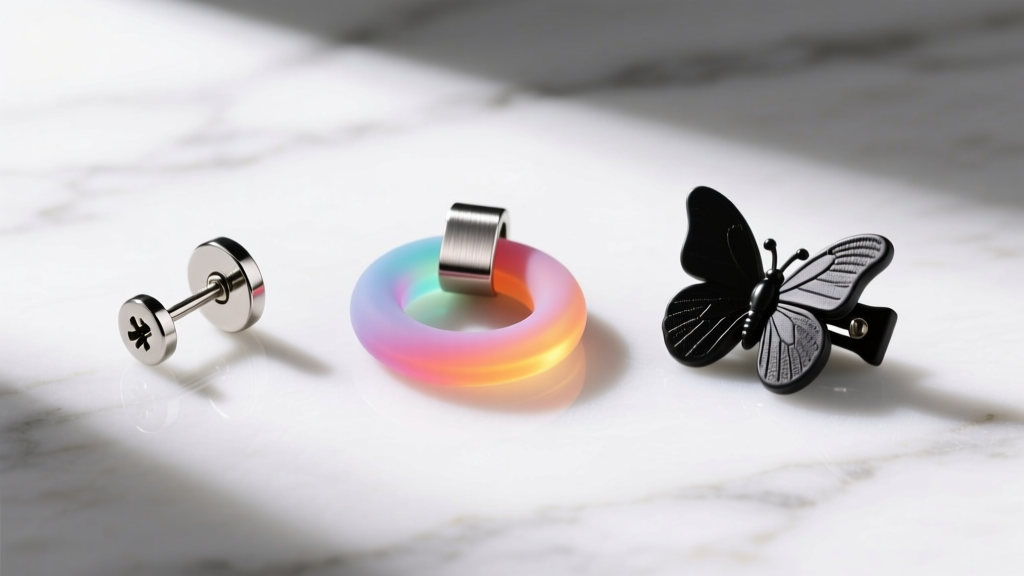
When shopping for bold, heavy earrings, inspect the backing mechanism before purchasing:
- Silicone O-Rings: These provide incredible grip and distribute pressure evenly against the back of the earlobe. They are a must-have for heavy acrylic hoops.
- Threaded Screw-Backs: The most secure option for heavy drops. The backing threads onto a screw-like post, making it impossible for the earring to slip off accidentally. Look for brands that offer titanium screw-backs to avoid cross-threading.
- Jumbo Friction Clutches: If a brand uses traditional butterfly backs for heavy earrings, they should at least be the 'jumbo' size (often 10mm wide) with deep grooves to grip the post tightly.
2026 Price Tiers and Where to Shop
Navigating the market for campy, maximalist earrings requires knowing which price tiers offer actual structural integrity versus those selling literal garbage.
Fast Fashion (Under $15)
Verdict: Avoid. These are almost exclusively made of Zamak or brass with flash plating. The posts are usually 22G wire that will bend under the weight of the earring front, and the nickel content will trigger allergic reactions within 48 hours.
Mid-Tier Independent & Vintage (25 - $75)
Verdict: The Sweet Spot. Look for independent designers on platforms like Etsy or specialized maximalist brands. At this price point, you can find 316L stainless steel bases with PVD gold coating, high-grade cast acrylics, and laser-welded titanium posts. Vintage 1980s and 1990s costume jewelry also falls here; while the posts may not be titanium, the structural casting and heavy glass rhinestones offer superior quality to modern fast fashion.
Luxury Camp & Designer (80 - $300+)
Verdict: Investment Pieces. Brands in this tier elevate the 'trashy' aesthetic into high art. Expect 14k gold vermeil over solid brass, ethically sourced Swarovski or Preciosa crystals, and hand-carved bio-resins. These pieces are designed to be worn for years without the metal degrading or the stones clouding.
Final Thoughts on the Maximalist Mindset
Embracing loud, ironic, and 'trashy-chic' earrings is one of the most fun, expressive ways to participate in 2026 fashion. By shifting your focus from the mere visual impact to the underlying material science and structural engineering, you can build a maximalist jewelry collection that turns heads without destroying your earlobes. Always prioritize the post material, respect the weight-to-gauge ratio, and never compromise on your skin's health for a fleeting trend.


