Who Painted The Girl With The Pearl Earring? Style & Pearl Stud Guide
Discover who painted the girl with the pearl earring, and explore our expert style guide on sizing, gauge requirements, and trending pearl drops.

The Masterpiece and the Mystery
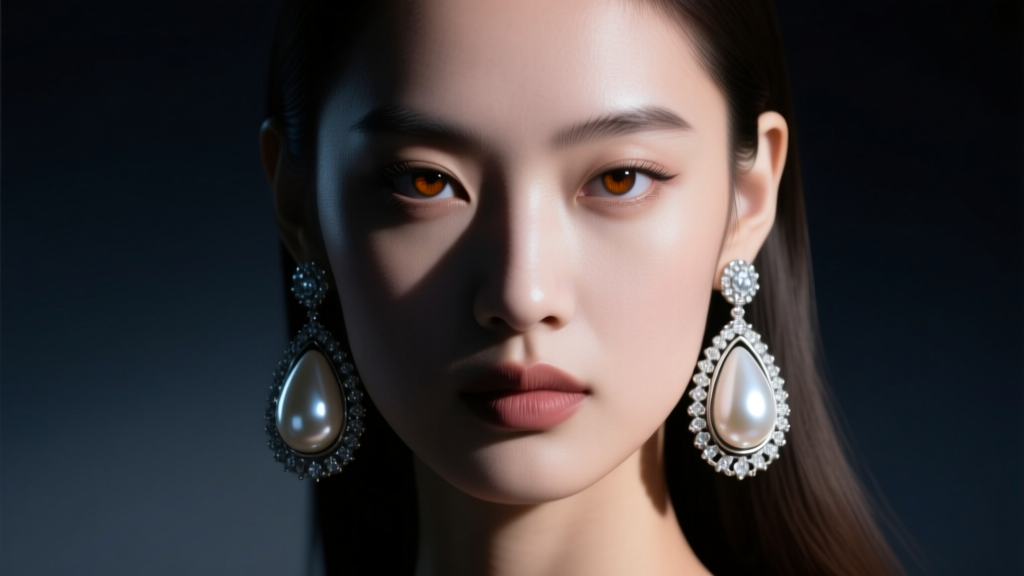
If you have ever found yourself asking who painted the girl with the pearl earring, the answer lies in the Dutch Golden Age. The iconic oil painting was created by Johannes Vermeer around 1665. Housed in the Mauritshuis museum in The Hague, the artwork is technically a tronie—a study of facial expression and exotic dress rather than a formal portrait of a specific individual. Yet, the true focal point of the masterpiece is not the girl's enigmatic gaze, but the massive, luminous teardrop pearl earring that anchors the composition.
From a modern jewelry styling perspective, Vermeer’s painting is a masterclass in visual weight and focal points. The earring draws the eye, balances the turban, and creates a striking contrast against the dark background. Today, the 'Vermeer Pearl' remains a benchmark for statement earring styling. However, translating a 17th-century painted illusion into a wearable, physically viable piece of modern jewelry requires a deep understanding of gemology, structural engineering, and facial aesthetics.
The Gemological Reality of the Vermeer Pearl
Art historians and gemologists have long debated the true nature of the earring depicted in the painting. The pearl is rendered with just a few masterful brushstrokes of white and soft grey, creating an illusion of a highly polished, spherical or teardrop-shaped gem measuring an estimated 18 to 22 millimeters in diameter.
In the 17th century, a natural saltwater pearl of that size, possessing a perfect teardrop shape and high luster, would have been an object of unimaginable wealth, likely belonging to royalty or the highest echelons of the Dutch East India Company. Because Vermeer was not a wealthy man and often used props, experts at the Mauritshuis Museum suggest the earring was likely an imitation. It was probably crafted from glass or carved resin, coated with essence d'orient—a pearlescent substance derived from fish scales that was commonly used in the 1600s to mimic the iridescent nacre of real pearls.
Assessing Nacre Thickness and Luster
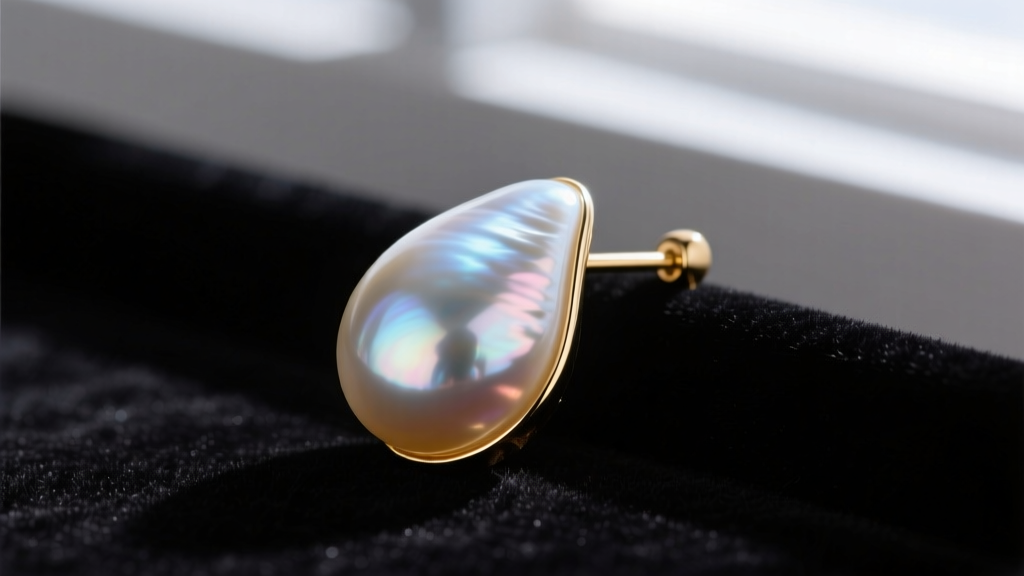
When shopping for a modern equivalent of the Vermeer pearl, understanding nacre is critical. Nacre is the crystalline substance secreted by oysters that gives a pearl its luster. According to the Gemological Institute of America (GIA), high-quality saltwater pearls should have a nacre thickness of at least 0.8mm. If you are investing in a large teardrop pearl, look for 'mirror-like' luster, where you can clearly see the reflection of a light source on the surface. Chalky or dull pearls indicate thin nacre or poor cultivation conditions, which drastically reduces both the aesthetic appeal and the structural integrity of the gem.
Engineering the Drop: Gauge Sizes and Weight Distribution
Wearing a massive pearl drop like the one in Vermeer's painting presents a significant biomechanical challenge for the human earlobe. The physics of a heavy, dangling earring can cause severe lobe stretching, tearing, or discomfort if the jewelry is not properly engineered.
The Problem with Standard Post Gauges
Most commercial stud and drop earrings are manufactured with a 20-gauge (0.81mm) or 18-gauge (1.02mm) post. A genuine 18mm South Sea teardrop pearl can weigh anywhere from 10 to 15 grams. When suspended on a thin 20-gauge wire, the dynamic load of walking, turning your head, or even speaking creates a lever effect. Over time, this will bend the precious metal post and permanently stretch the piercing fistula.
- 16-Gauge (1.29mm): The minimum recommended thickness for heavy pearl drops exceeding 8 grams. Provides structural rigidity.
- 14-Gauge (1.63mm): Ideal for ultra-heavy statement pieces, though it requires a slightly stretched or naturally larger piercing.
- Hollow Tubing: Some high-end jewelers use 14k gold hollow tubing for the post, which maintains a thick 14-gauge exterior diameter while reducing the overall metal weight.
The Role of the Clutch and Backing
To support a Vermeer-sized pearl, a standard butterfly friction back is entirely insufficient. The small surface area will dig into the back of the earlobe, causing pain and failing to support the front-heavy drop. Instead, look for earrings featuring omega-backs, lever-backs, or jumbo silicone disc clutches (measuring at least 10mm in diameter). These designs distribute the weight across a wider surface area of the earlobe, providing the necessary counterbalance to keep the pearl facing forward rather than drooping downward.
Pearl Type Comparison Matrix
When sourcing a large teardrop pearl, you must navigate the trade-offs between size, weight, luster, and price. Below is a comparative breakdown of the most common pearl types used for statement drop earrings.
| Pearl Type | Typical Size Range | Average Weight (per pearl) | Luster Quality | Price Range (Single Drop) |
|---|---|---|---|---|
| South Sea (Saltwater) | 10mm - 20mm | 8g - 15g | Exceptional, satiny | $800 - $5,000+ |
| Tahitian (Saltwater) | 9mm - 16mm | 6g - 12g | High, metallic overtones | $400 - $3,000 |
| Freshwater Baroque | 12mm - 25mm | 5g - 10g | Variable, often high | $50 - $400 |
| Akoya (Saltwater) | 6mm - 9.5mm | 2g - 5g | Sharp, mirror-like | $200 - $1,200 |
| Glass/Resin Imitation | 15mm - 30mm | 3g - 8g | Painted/Coated | $15 - $80 |
Note: For a true 'Vermeer' aesthetic on a budget, high-grade baroque freshwater pearls offer the best combination of large volume, organic teardrop shaping, and reasonable weight.
Styling Statement Drops by Face Shape
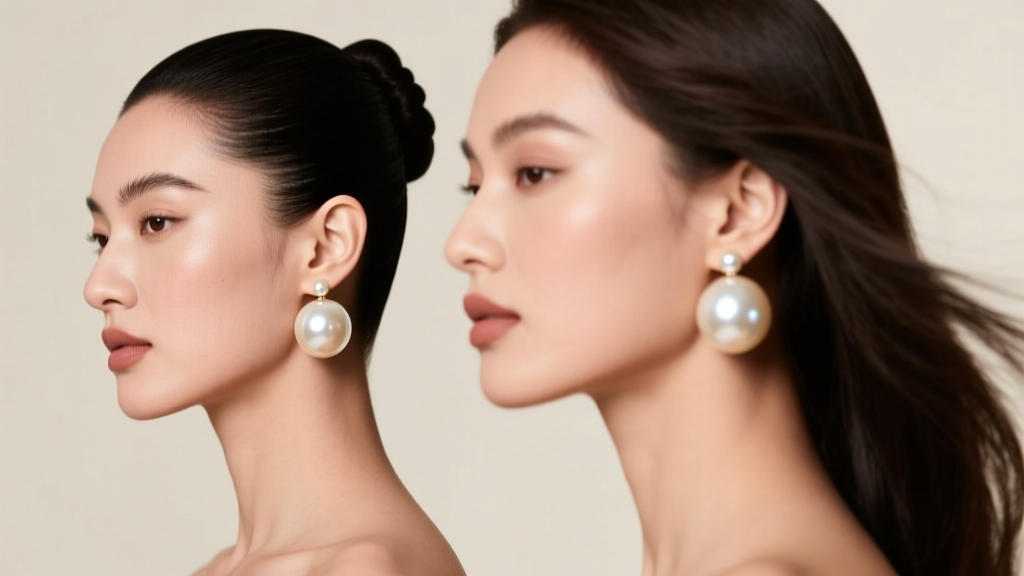
The genius of Vermeer’s composition is how the elongated teardrop shape complements the soft, rounded contours of the subject's face. When integrating oversized pearl drops into your modern wardrobe, facial geometry should dictate your exact millimeter sizing and silhouette.
Round and Square Faces
If you have a round or square jawline, the goal is to create vertical elongation. A long, narrow teardrop pearl (measuring at least 20mm in length but no more than 12mm in width) draws the eye downward, visually lengthening the neck and softening angular or wide cheekbones. Avoid perfectly spherical, oversized studs, as they will emphasize the width of the face.
Oval and Heart-Shaped Faces
Oval faces possess balanced proportions and can carry the weight of massive, perfectly spherical South Sea pearls or wide, chunky baroque drops. For heart-shaped faces—characterized by a broader forehead and a narrow, pointed chin—opt for a teardrop that is wider at the bottom. This adds visual volume to the lower half of the face, balancing the narrower chin.
2026 Trend Forecast: The Neo-Baroque Aesthetic
As we move through 2026, the jewelry industry is experiencing a 'Neo-Baroque' renaissance, heavily inspired by classical art but executed with modern, subversive styling. The pristine, perfectly matched spherical pearls of the early 2000s have been entirely eclipsed by organic, asymmetrical designs.
Today’s trendsetters are embracing the single statement drop—a direct homage to the way light catches just one side of the face in Dutch Golden Age paintings. Stylists are pairing a single, massive 22mm baroque freshwater pearl on one ear with a curated, micro-huggie constellation on the other. Furthermore, mixing metals is paramount; setting a creamy white pearl in oxidized sterling silver or brushed 18k yellow gold creates a moody, chiaroscuro effect that feels distinctly contemporary.
'The modern interpretation of the Vermeer pearl isn't about perfect symmetry; it is about capturing the raw, organic interaction of light and nacre. We are seeing a massive shift toward heavily textured, imperfect baroque drops set in minimalist, architectural gold wire.' — Senior Trend Forecaster, Jewel Style Radar
Whether you are investing in a heavy South Sea gem requiring a 16-gauge structural post, or opting for a lightweight, essence-coated glass replica, the legacy of Vermeer's masterpiece continues to dictate the pinnacle of statement earring styling. Understanding the weight, gauge, and geometry of your pearls ensures that your jewelry remains as captivating and enduring as a 17th-century masterpiece.


