Judith Ripka Blue Topaz Earrings: A Gemological & Design Deep Dive
An expert gemological and technical analysis of Judith Ripka blue topaz earrings, covering stone treatments, metal alloys, and setting architecture.

The Gemological Profile: Swiss vs. London Blue Topaz
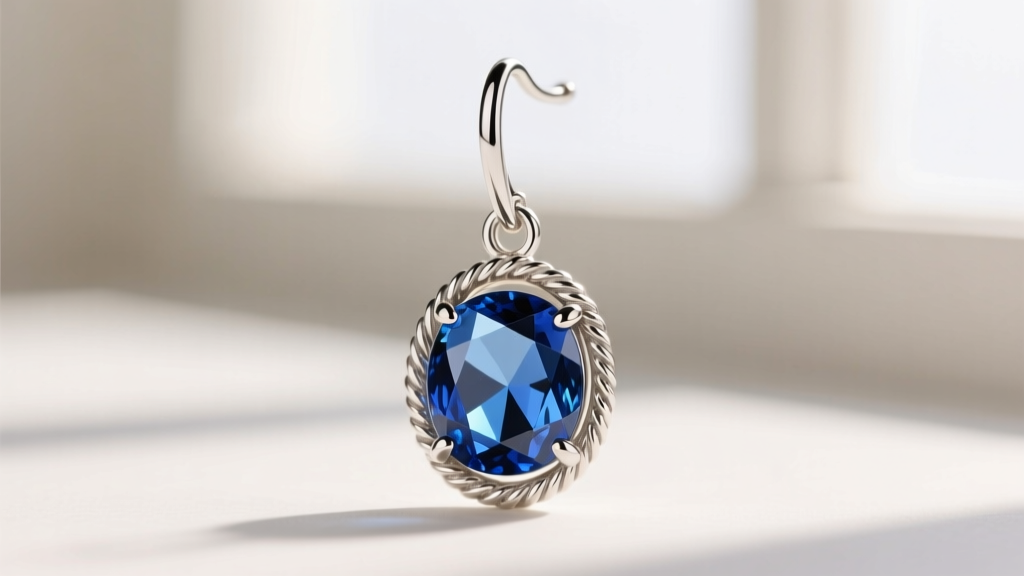
When evaluating Judith Ripka blue topaz earrings, understanding the gemological origins and treatments of the center stones is paramount. Naturally occurring blue topaz is exceedingly rare and typically presents as a very pale, almost grayish hue. The vibrant blues synonymous with the Judith Ripka brand are the result of sophisticated laboratory enhancement. According to the Gemological Institute of America (GIA), colorless topaz is subjected to electron beam or gamma irradiation, followed by carefully controlled heat treatment, to alter its crystal lattice and produce stable blue color centers.
In Ripka’s extensive catalog, you will primarily encounter two distinct grades of treated blue topaz:
- Swiss Blue Topaz: Characterized by a vivid, bright, medium-light blue. This variety requires less intense irradiation and is frequently utilized in Ripka’s everyday sterling silver studs and lighter, daytime-appropriate drop earrings.
- London Blue Topaz: A deep, inky, grayish-blue that requires a more complex treatment cycle involving electron beam irradiation and extended heat processing. London blue is the hallmark of Ripka’s statement pieces, offering a dramatic contrast against her signature oxidized silver and matte gold textures.
While topaz ranks at an 8 on the Mohs hardness scale—making it highly resistant to scratching—it possesses perfect basal cleavage. This means that a single, sharp impact parallel to the base of the crystal can cause the stone to split cleanly. This gemological vulnerability heavily dictates the setting architecture used in fine jewelry design.
Metallurgy and Signature Textures: Sterling vs. Vermeil
Judith Ripka’s aesthetic is defined by her mastery of metal textures, specifically the interplay between high-polish and matte, brushed finishes, often accented with dark oxidation. The majority of her blue topaz earrings are crafted in either 925 sterling silver or 18k gold vermeil.
Under the Federal Trade Commission Jewelry Guides, gold vermeil must consist of a sterling silver base coated with a minimum of 2.5 microns of gold (typically 14k or 18k). Ripka’s vintage and contemporary vermeil pieces often exceed this minimum thickness to ensure the longevity of her intricate rope and bead motifs. However, the high-relief nature of her signature rope textures means that friction points are inevitable. When evaluating pre-owned or vintage Ripka earrings, expect to see natural patina and wear on the raised ridges of the vermeil, which many collectors argue adds to the antique, old-world charm of the pieces.
The oxidation process applied to her sterling silver pieces is not merely decorative; it serves to create depth, making the intricate milgrain and rope details pop while providing a dark, moody backdrop that amplifies the depth of London blue topaz stones.
Setting Architecture and Cleavage Mitigation
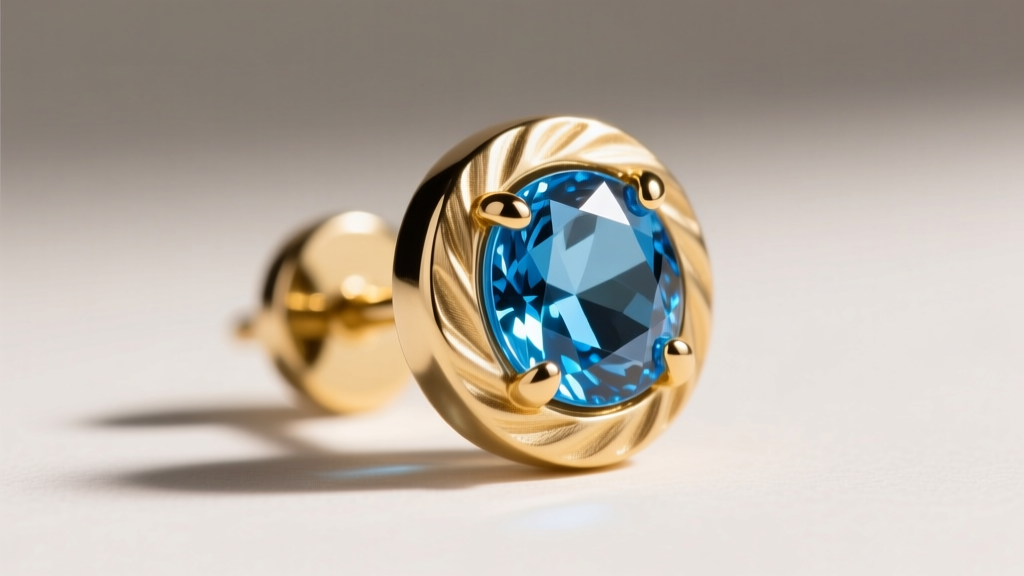
Because of topaz’s perfect cleavage, prong settings leave the girdle (the outer edge of the gemstone) highly vulnerable to chipping. Judith Ripka mitigates this structural risk through specific setting architectures:
The Oxidized Bezel and Semi-Bezel
Ripka frequently employs thick, textured bezel walls. By wrapping the metal entirely or partially around the girdle of the topaz, the setting absorbs the kinetic energy of incidental impacts, protecting the stone’s cleavage planes. The use of a dark oxidized interior within the bezel cup also acts as an optical enhancer, bouncing light back through the pavilion of the stone and masking any windowing (light leakage) that might occur in deeper-cut commercial stones.
Prong Settings with Deep Seats
When prongs are used—often to maximize light entry in larger carat drops—they are typically fashioned from heavy-gauge metal with deep seats. The prongs are burnished tightly over the crown, ensuring the stone cannot shift and strike the metal interior during wear.
| Attribute | Swiss Blue Topaz | London Blue Topaz |
|---|---|---|
| Color Saturation | Vivid, bright medium blue | Deep, inky grayish-blue |
| Treatment Process | Gamma/Electron irradiation | Electron beam + extended heat |
| Ripka Design Usage | Everyday studs, lighter accents | Statement drops, evening wear |
| Market Rarity | Highly abundant | Slightly less common in large carats |
Earring Mechanics and Weight Distribution
Topaz is a relatively dense gemstone (Specific Gravity of 3.53). A pair of 15mm x 10mm pear-cut London blue topaz drops can easily exceed 8 carats Total Gem Weight (TGW). Supporting this weight requires specialized earring mechanics to prevent the earrings from drooping or tearing the earlobe.
- Omega Clip-Backs: Frequently used on Ripka’s larger button and cluster earrings. The omega mechanism provides a broad, padded surface area that grips the earlobe securely without the need for a piercing, distributing the heavy carat weight evenly across the lower lobe.
- Leverbacks with French Wires: For drop earrings, Ripka utilizes heavy-gauge leverbacks. The hinged closure ensures the earring cannot be lost, while the curvature of the French wire hooks securely behind the ear's cartilage, providing a counterbalance to the heavy topaz drops.
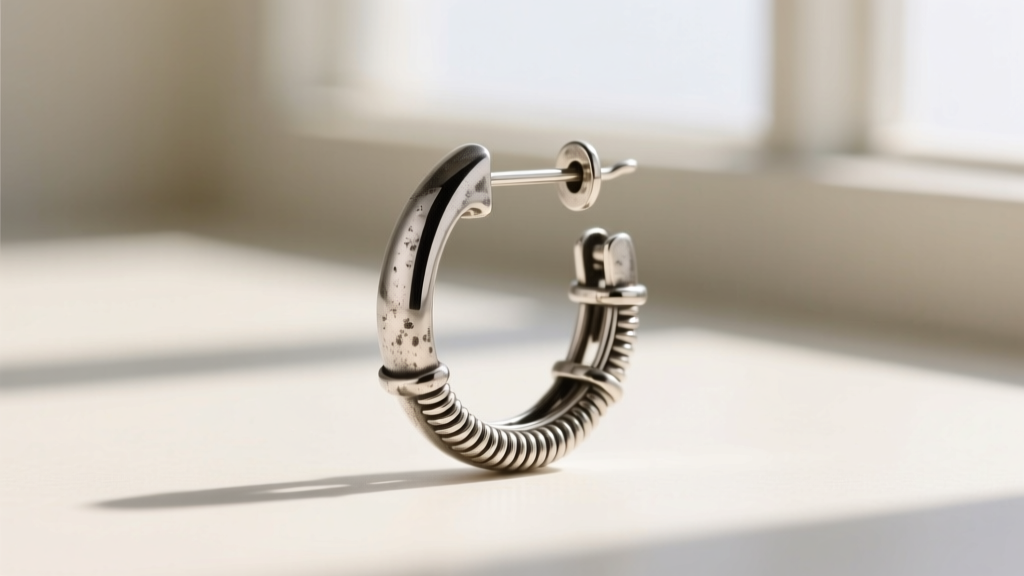
- La Pousette (Push-Pull) Backs: On high-end stud variations, you may find La Pousette backs, which use a mechanical spring-loaded clutch to grip the post, offering vastly superior security to standard friction butterfly backs.
Authentication, Hallmarks, and 2026 Market Valuation
As we navigate the secondary jewelry market in 2026, the demand for vintage and discontinued Judith Ripka pieces has surged, driven by a renewed appreciation for bold, textured 1980s and 1990s power jewelry. Authenticating Judith Ripka blue topaz earrings requires a meticulous inspection of the hallmarks.
Authentic pieces will typically bear the "JR" maker's mark, alongside the metal purity stamp (e.g., "925" for sterling silver). Many pieces also feature a copyright symbol (©) and, depending on the era and manufacturing origin, may include "Italy" or "China". It is critical to note that the "JR" stamp should be crisp and cleanly struck; blurred or shallow stamping is a primary indicator of a cast counterfeit.
"The perfect basal cleavage of topaz demands that jewelers prioritize girdle protection. Judith Ripka's frequent use of oxidized bezel walls is as much a structural necessity as it is an aesthetic signature." — Master Gemologist Appraiser
In the current market, sterling silver Ripka studs with Swiss blue topaz generally trade between $150 and $350, depending on carat weight and condition. However, substantial 18k gold vermeil or solid 18k gold drop earrings featuring large, high-clarity London blue topaz can command $600 to $1,200+ on specialized vintage platforms, particularly if the original textured finish remains intact without excessive polishing.
Advanced Care Protocols for Treated Stones
Maintaining the brilliance of Judith Ripka blue topaz earrings requires an understanding of both the gemstone's treatment and the metal's texture. The American Gem Trade Association (AGTA) notes that while irradiated blue topaz is completely stable under normal lighting conditions, extreme thermal shock can be detrimental.
What to Avoid
- Ultrasonic Cleaners: Never place topaz in an ultrasonic cleaner. The high-frequency vibrations can exploit microscopic internal stress fractures, causing the stone to shatter along its cleavage planes. Furthermore, ultrasonics can strip the intentional oxidation from Ripka’s sterling silver designs, ruining the contrast.
- Steam Cleaners: The sudden burst of intense heat can cause thermal shock, leading to fracturing.
- Harsh Chemicals: Chlorine and abrasive polishing cloths will degrade the 18k gold vermeil layer and strip the patina from oxidized silver.
The Correct Cleaning Method
To clean your earrings, prepare a lukewarm solution of distilled water and a few drops of mild, phosphate-free dish soap. Use an extra-soft baby toothbrush to gently agitate the dirt trapped within the intricate rope and bead motifs. Rinse under a gentle stream of lukewarm water, and pat dry immediately with a lint-free microfiber cloth. Store the earrings in a dedicated, fabric-lined compartment to prevent the topaz from scratching adjacent softer gemstones, or the metal from being scratched by diamonds or sapphires.


