What Is the Post of an Earring? The Sensitive Ear Gifting Guide
Learn what the post of an earring is and how to choose hypoallergenic, secure posts for every gifting occasion, from new piercings to anniversaries.

The Anatomy of an Earring: What Is the Post?
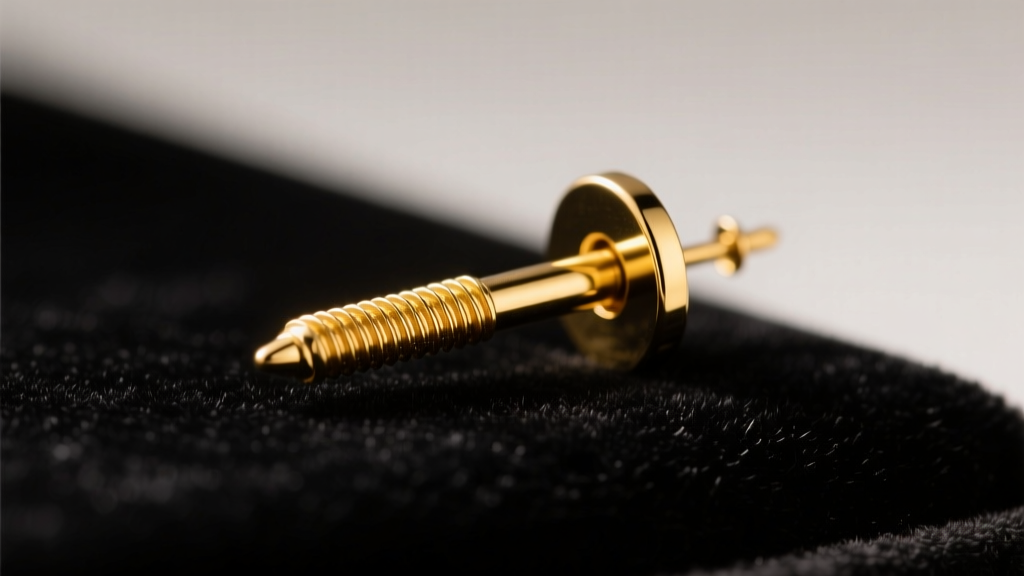
Gifting earrings is a timeless gesture, whether you are celebrating a milestone anniversary, a graduation, or a teenager's first piercing. However, the success of your gift hinges on a tiny, often overlooked component. If you have ever asked yourself, what is the post of an earring, you are not alone. The post is the straight, cylindrical wire component of a stud, drop, or dangle earring that passes directly through the ear piercing. It is the bridge between the decorative front and the securing backing.
While the gemstone or metalwork catches the eye, the post dictates the wearer's comfort, allergic response, and the jewelry's security. A beautiful pair of diamond studs is a poor gift if the post causes contact dermatitis or if the backing slips off in the shower. Understanding post anatomy, gauge thickness, and material grades is the hallmark of an expert jewelry shopper.
Why the Post Material is Crucial for Gifting
The skin inside a piercing fistula (the healed tube of tissue) is highly permeable and sensitive. When gifting earrings, especially for those with sensitive ears, you must navigate the complexities of metal alloys. According to the Association of Professional Piercers (APP), the initial quality of the metal post directly impacts tissue health and long-term wearability.
Many commercial jewelry brands use the term "surgical steel," which is largely a marketing misnomer. Surgical steel (often 316L stainless steel) contains up to 10% nickel. While the nickel is bound in the alloy, exposure to sweat and skin oils can cause nickel ions to leach out, triggering allergic contact dermatitis in up to 20% of the population. For a foolproof gift, you must look beyond standard fashion metals.
The Hypoallergenic Gifting Standard: Material Grades
| Material Grade | Nickel Content | Avg. Price Range (Studs) | Best Gifting Occasion |
|---|---|---|---|
| Implant-Grade Titanium (ASTM F136) | 0% (Nickel-Free) | $40 - $120 | New piercings, teens, hyper-sensitive ears |
| Niobium | 0% (Nickel-Free) | $30 - $90 | Everyday wear, colorful anodized gifts |
| 14k Solid Gold (Nickel-Free Alloy) | Trace / None | $150 - $400 | Birthdays, Mother's Day, graduations |
| 18k Solid Gold | Trace / None | $300 - $1,000+ | Anniversaries, Valentine's Day, milestones |
| Platinum (950) | 0% (Nickel-Free) | $800 - $2,500+ | Weddings, major life milestones |
Expert Note: When buying gold, verify with the jeweler that the alloy is mixed with palladium or silver, not nickel, to ensure it meets the European Nickel Directive standards for prolonged skin contact.
Sizing the Post: Gauge and Length Cheat Sheet
Knowing what the post of an earring is made of is only half the battle; the physical dimensions must also match the recipient's anatomy. A post that is too thin can cause the "cheese-cutter effect," where the wire slowly migrates through the tissue. A post that is too short will pinch the earlobe, causing swelling and discomfort.
Understanding Gauge (Thickness)
- 20-Gauge (0.81mm): The standard for commercial, lightweight fashion studs and drop earrings. Best for fully healed, older lobe piercings.
- 18-Gauge (1.02mm): A slightly thicker, more durable post. Ideal for high-end diamond studs and everyday huggies. Provides excellent structural integrity without stretching the hole.
- 16-Gauge (1.29mm): The gold standard for cartilage piercings (helix, tragus, conch) and modern flat-back labret studs. Highly recommended for new piercing gifts.
- 14-Gauge (1.63mm): Typically reserved for body jewelry or heavy, oversized statement pieces that require extra support.
Understanding Post Length
Standard friction posts are usually 10mm to 11mm long, designed to accommodate the earlobe plus the butterfly backing. However, modern jewelry design favors flat-back labret posts, which come in precise lengths:
- 5mm - 6mm: Ideal for thin earlobes or snug cartilage piercings.
- 7mm - 8mm: The universal standard for average earlobes and most helix piercings.
- 9mm - 10mm+: Necessary for thick earlobes, daith piercings, or newly pierced tissue that requires room for swelling.
Occasion-Matched Gifting Guide by Post & Backing Type
The backing mechanism attached to the post is just as critical as the post itself. Matching the post and backing style to the occasion ensures your gift is both practical and deeply considered.
First Piercings & Graduations: The Flat-Back Labret
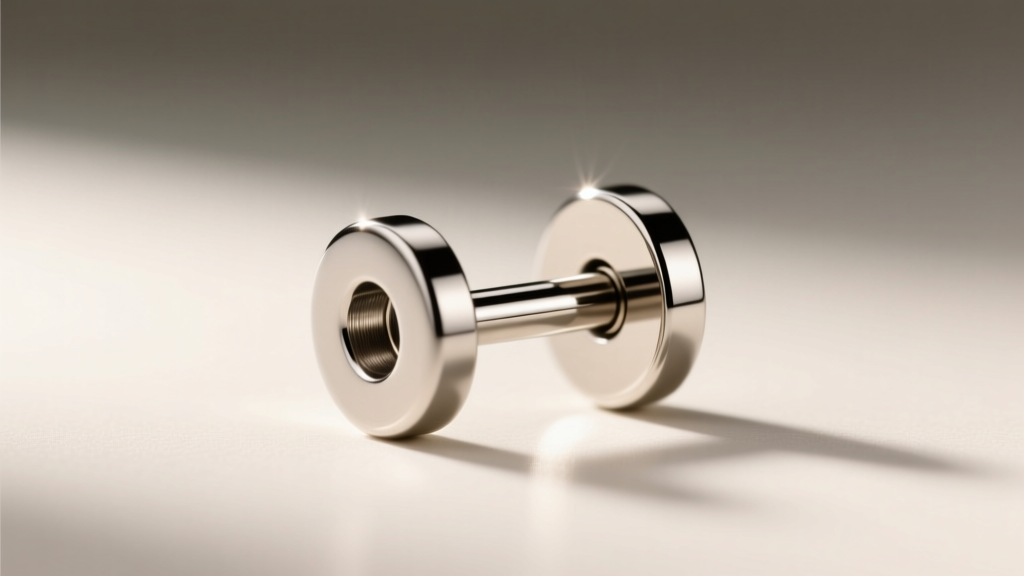
If you are gifting jewelry for a newly pierced ear or a young adult's graduation, opt for implant-grade titanium flat-back labrets. The post is a straight, 16-gauge or 18-gauge wire that screws or push-fits into a flat disc backing.
Why it works: The flat disc sits flush against the back of the ear, meaning it will not poke the recipient while they sleep or get tangled in hair. It is the ultimate comfort-first gift for active lifestyles. Look for brands like BVLA or Maria Tash for premium, threadless titanium options.
Anniversaries & Milestones: Screw-Back & La Pousette Posts
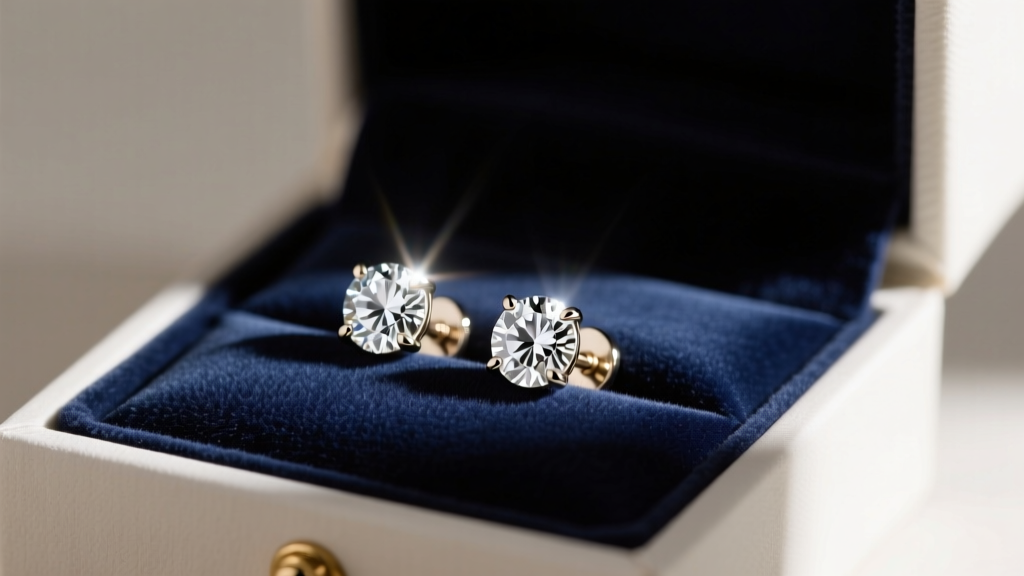
When gifting high-carat diamond or sapphire studs for an anniversary, security is paramount. Standard friction backs (butterfly clutches) rely on tension and can easily slip off, risking the loss of a thousands-dollar investment.
Why it works: Seek out earrings with screw-back posts, where the backing threads securely onto the post. For an ultra-luxurious touch, look for La Pousette backings—a patented mechanism that clicks securely into a grooved post and requires a specific pinching motion to release. The Gemological Institute of America (GIA) frequently notes that secure settings and mountings are vital for protecting valuable gemstones.
Everyday Wear & Mother's Day: Leverbacks & Huggies
For gifts intended for continuous, all-day wear, drop earrings with leverback posts or continuous huggie hoops are exceptional choices. A leverback features a hinged wire post that passes through the ear and snaps securely into a catch on the back of the earring.
Why it works: They are incredibly easy to put on and take off, making them perfect for busy mothers or professionals who need to remove their jewelry quickly for workouts or medical scans. Ensure the post wire is at least 18-gauge to prevent bending over time.
Final Checklist Before You Checkout
Before finalizing your earring purchase, run through this expert checklist to guarantee your gift is a success:
- Verify the Metal: Does the product description explicitly state "Implant-Grade Titanium (ASTM F136)," "Niobium," or "Nickel-Free 14k/18k Gold"? If it just says "metal" or "surgical steel," proceed with caution.
- Check the Post Thickness: Is it appropriate for the piercing? (18G for standard lobes, 16G for cartilage).
- Assess the Backing: Does the value of the earring justify a screw-back or La Pousette locking mechanism?
- Consider the Length: If buying flat-backs, do you know the recipient's lobe thickness? (When in doubt, 7mm or 8mm is the safest bet for lobes).
The Jeweler's Rule of Thumb: A beautiful gemstone will be forgotten if the post causes an allergic flare-up. Always prioritize the biocompatibility of the post material over the sheer size of the stone when gifting to someone with a history of metal sensitivities.
Understanding what the post of an earring is—and the vital role it plays in comfort and security—transforms you from a casual shopper into an informed curator of fine jewelry. By selecting the right gauge, hypoallergenic material, and secure backing, your gift will be worn comfortably and cherished for a lifetime.