Mastering the Earring Sexy Aesthetic: A Step-by-Step Guide
Learn how to curate the earring sexy aesthetic with our step-by-step guide. Master sultry ear stacks, gauge sizing, and face-shape mapping.

What Defines the "Earring Sexy" Aesthetic?
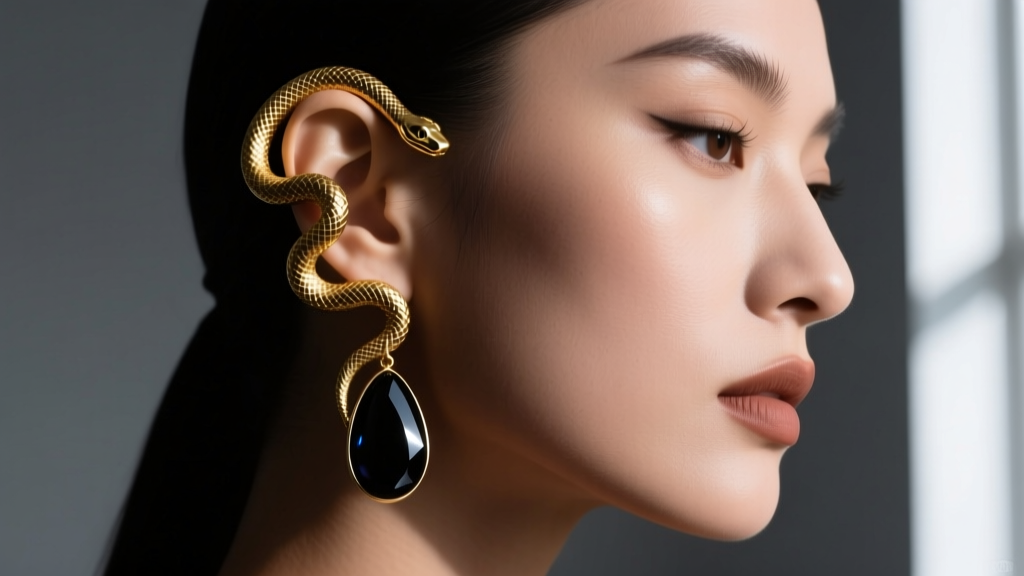
The "earring sexy" aesthetic is not about wearing the largest or most expensive jewelry; it is a masterclass in visual allure, strategic placement, and intentional movement. In 2026, this style has evolved away from cluttered, heavy ear stacks toward curated negative space. The goal is to draw the eye along the jawline, highlight the neck, and create a sultry, confident silhouette. Whether you are preparing for a date night or elevating your everyday wardrobe, achieving this look requires a deep understanding of piercing anatomy, metal grades, and spatial balance.
This step-by-step guide will walk you through the exact technical specifications and styling frameworks needed to build an earring sexy stack that is both visually captivating and anatomically safe.
Step 1: Map Your Piercing Anatomy and Gauge
Before selecting jewelry, you must understand the structural limitations of your piercings. The most common mistake enthusiasts make is ignoring gauge sizes, which leads to discomfort, tearing, and the dreaded "cheese-cutter effect."
Standard Lobe vs. Cartilage Gauges
- Standard Lobes (20g - 18g): Most traditional earlobe piercings are done at 20-gauge (0.81mm) or 18-gauge (1.02mm). Statement drop earrings and heavy hoops designed for the earring sexy look typically utilize 18g wires to support the weight of the piece without snapping.
- Cartilage / Helix / Conch (16g - 14g): Professional cartilage piercings are almost universally performed at 16-gauge (1.29mm) or 14-gauge (1.63mm).
Avoiding the Cheese-Cutter Effect
If you attempt to wear a delicate 20-gauge gold wire in a healed 16-gauge helix piercing, the reduced surface area increases the pressure per square millimeter on your fistula (the piercing channel). Over time, this causes the jewelry to slowly slice through the tissue, leading to migration and rejection. Always match your jewelry post thickness to your original piercing gauge.
Pro Tip: For cartilage piercings, always opt for internally threaded or threadless (push-pin) jewelry. Externally threaded posts have microscopic grooves that will tear the delicate cartilage lining upon insertion, causing immediate swelling and ruining the sleek aesthetic.
Step 2: Select Sultry, Skin-Safe Materials
The earring sexy vibe relies on a flawless, high-end finish. Tarnished metals or green skin instantly ruin the illusion. Furthermore, the skin on the neck and behind the ear is highly susceptible to contact dermatitis. According to the American Academy of Dermatology, nickel allergies are the leading cause of jewelry-induced skin reactions.
The Material Hierarchy
- Implant-Grade Titanium (ASTM F-136): The gold standard for the hidden posts (the part that goes inside your body). It is completely nickel-free, lightweight, and highly polished. Use this for all cartilage flat-backs.
- Solid 14k or 18k Gold: Essential for the visible decorative ends, ear cuffs, and lobe drops. 14k gold offers a slightly warmer, more durable finish ideal for everyday sultry stacks, while 18k provides a richer, deeper yellow hue for high-contrast evening looks.
- Niobium (ASTM F-67): An excellent alternative for ear cuffs that wrap tightly around the cartilage rim, as it can be safely anodized to dark, sultry colors like gunmetal or deep violet without using allergenic plating.
Avoid vermeil, gold-plated brass, or surgical steel (which contains trace nickel). For a comprehensive breakdown of safe body jewelry materials, refer to the guidelines published by the Association of Professional Piercers (APP).
Step 3: Build the 3-Zone Sultry Stack
The secret to the earring sexy aesthetic is the "Rule of Three Zones." This framework balances visual weight, ensuring your ear looks intentionally styled rather than randomly cluttered. The pricing below reflects high-quality, nickel-free fine jewelry.
| Zone | Anatomy Placement | Jewelry Type | Gauge / Fit | Est. Price Range |
|---|---|---|---|---|
| Zone 1: The Anchor | Standard Lobe | Textured Hoop or Onyx Drop | 18g / 20g Wire | $150 - $400 |
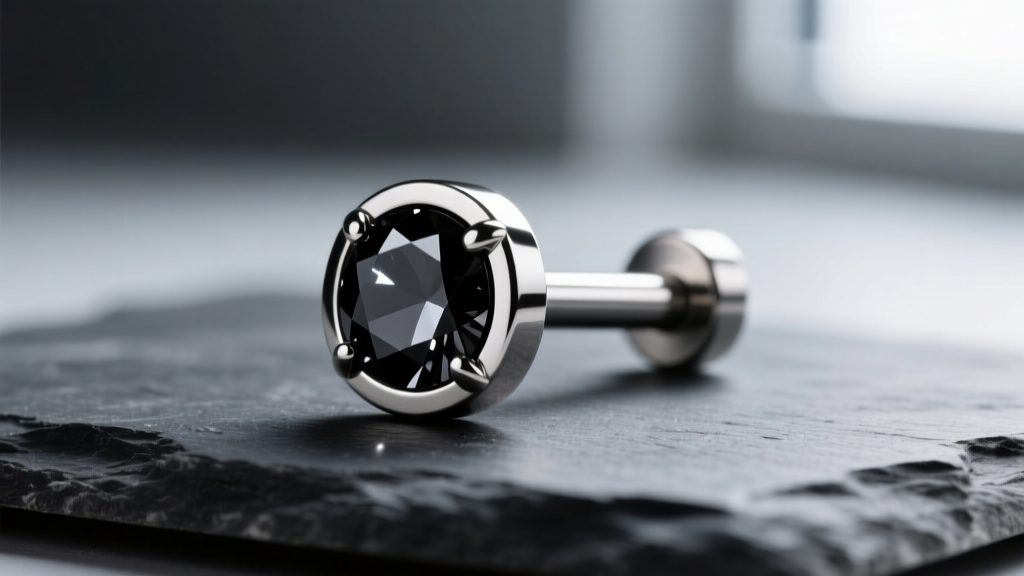
| Zone 2: The Bridge | Flat / Conch / Mid-Helix | Bezel-Set Black Diamond Flat-Back | 16g / 14g Post | $120 - $350 |
| Zone 3: The Whisper | Upper Helix / Rim | Serpentine Ear Cuff or Tiny Star | 18g Cuff / 16g Post | $60 - $200 |
Execution: Pair a heavy, light-catching lobe drop (Zone 1) with a skin-flush black diamond stud (Zone 2). The dark stone absorbs light, creating a moody contrast, while the lobe drop provides kinetic movement. Finish with a delicate gold ear cuff wrapping the upper helix (Zone 3) to draw the eye upward, elongating the entire side profile.
Step 4: Match Drop Lengths to Face Shapes
Movement is the core of the earring sexy aesthetic, but the wrong drop length can clash with your natural bone structure. Use this mapping guide to select the perfect lobe anchor:

- Round Faces: Opt for long, angular drop earrings (2.5 to 3.5 inches) featuring geometric onyx or sharp gold chains. The vertical lines create an optical illusion that elongates the jawline and slims the cheeks.
- Square / Angular Faces: Choose curved, sultry hoops (15mm to 20mm diameter) or teardrop-shaped gems. The soft curves balance a strong jawline and add a romantic, fluid movement to your profile.
- Heart-Shaped Faces: Chandelier earrings or bottom-heavy drops that widen at the base help balance a narrower chin, drawing attention to the neck and collarbone.
- Oval Faces: You have the most versatility. A sleek, 14k gold snake-chain ear crawler paired with a simple diamond stud maximizes the natural symmetry of your face.
Troubleshooting: Weight, Snagging, and Migration
Even the most beautifully curated earring sexy stack will fail if it causes physical discomfort. Here is how to troubleshoot common issues:
Lobe Stretching from Heavy Drops
Statement drops made of solid 18k gold or heavy gemstones can pull on the lobe, causing the piercing hole to stretch or angle downward. The Fix: Use silicone ear patches (like the brand Lobe Wonder) behind the ear. These adhesive patches distribute the weight of the earring across a wider surface area of the skin, keeping the drop perfectly upright and preventing long-term lobe sagging.
Cartilage Snagging on Hair
Claw-set gems in the helix or conch will inevitably tangle in long hair, which can lead to accidental tearing. The Fix: For the mid-ear bridge (Zone 2), exclusively use bezel-set stones. A bezel setting encases the gemstone in a smooth rim of metal, eliminating the tiny prongs that catch on hair fibers and sweaters.
Ear Cuff Slippage
Non-pierced ear cuffs are great for the upper helix, but they often slide down the ear rim throughout the night. The Fix: Look for cuffs with an adjustable tension screw or a contoured "C" shape designed specifically for the upper cartilage ridge, rather than generic slip-on hoops. Gently squeezing the cuff with nylon-jaw jewelry pliers can customize the grip to your exact ear thickness.
Final Thoughts on the Earring Sexy Look
Mastering the earring sexy aesthetic is about embracing the power of subtlety, high-quality materials, and anatomical precision. By respecting your gauge sizes, investing in ASTM-certified metals, and utilizing the 3-Zone framework, you can curate a sultry, head-turning ear stack that feels as incredible as it looks. Remember, true allure lies in the details—the glint of a bezel-set black diamond, the sway of a gold chain against the collarbone, and the confidence that comes from wearing jewelry crafted to the highest standards.


