Are Earring Infections Dangerous? Lobe vs Cartilage Risks
Are earring infections dangerous? Learn the critical differences between lobe and cartilage infections, warning signs, and exact troubleshooting steps.

The Short Answer: Are Earring Infections Dangerous?
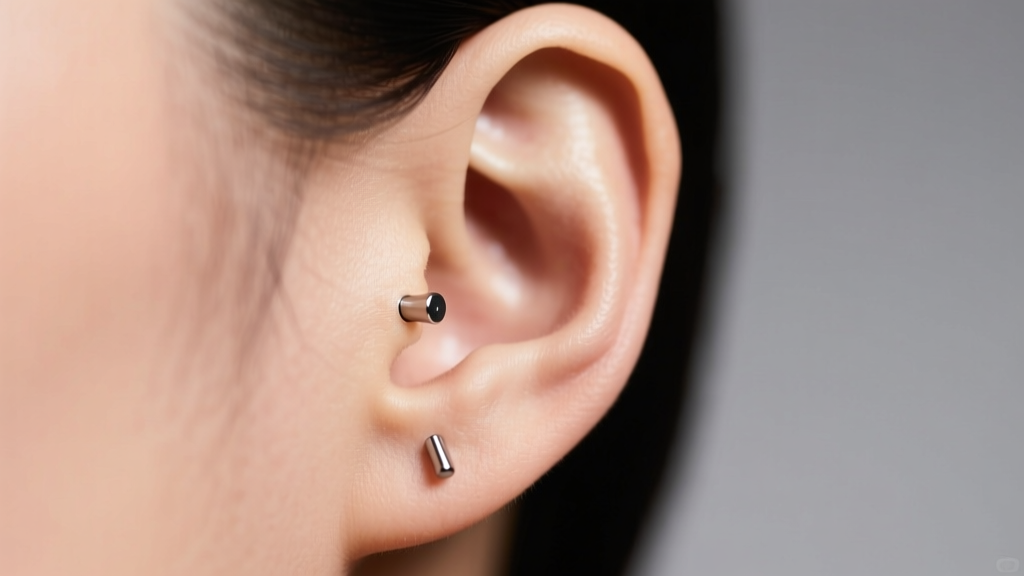
When dealing with a swollen, painful, or weeping piercing, the most common question people ask is: are earring infections dangerous? The short answer is that it depends entirely on the anatomical location of the piercing and the specific pathogen involved. While a localized bacterial infection in the earlobe is generally easy to treat and rarely poses a severe threat to your overall health, an infection in the upper ear cartilage can rapidly escalate into a medical emergency if left unaddressed.
As of 2026, modern dermatological and professional piercing standards emphasize that early intervention and proper material selection are your best defenses. To troubleshoot your symptoms effectively, you must first understand the vast anatomical differences between your earlobes and your cartilage, as well as the difference between a true infection, an irritation bump, and a contact allergy.
Lobe vs. Cartilage: Understanding the Anatomical Risk
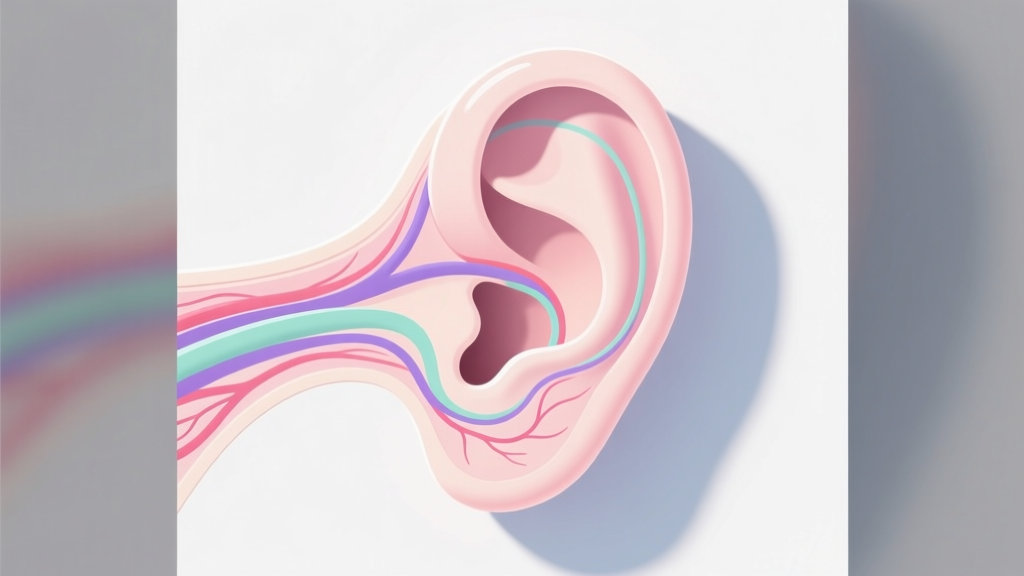
The primary reason cartilage infections are significantly more dangerous than lobe infections comes down to vascularity (blood supply). The earlobe is highly vascularized, meaning it has a robust network of blood vessels. This allows your body's immune system to quickly deliver white blood cells to fight off bacteria, and it allows systemic antibiotics to reach the site effectively.
Cartilage, on the other hand, is avascular. It receives its nutrients and oxygen through the perichondrium (the thin layer of tissue surrounding the cartilage) via diffusion. If bacteria invade the cartilage space, your immune system struggles to reach the area. Furthermore, the most common pathogen responsible for cartilage infections is Pseudomonas aeruginosa, a notoriously aggressive bacteria that can rapidly destroy cartilage tissue, leading to permanent deformity known as 'cauliflower ear'.
| Feature | Earlobe Piercings | Cartilage Piercings (Helix, Conch, Daith) |
|---|---|---|
| Vascularity | High (Excellent blood flow) | Low (Avascular, relies on diffusion) |
| Common Pathogens | Staphylococcus aureus, Streptococcus | Pseudomonas aeruginosa, Staphylococcus |
| Healing Time | 6 to 8 weeks | 6 to 12+ months |
| Danger Level | Low (Localized abscess risk) | High (Perichondritis, necrosis risk) |
| Standard Treatment | Topical care, warm compresses | Oral/IV antibiotics (e.g., Ciprofloxacin) |
Troubleshooting: Is It an Infection, Irritation, or Allergy?
Before panicking, you must accurately identify what is happening to your ear. According to the American Academy of Dermatology, true infections are actually less common than severe irritation or allergic contact dermatitis. Here is how to differentiate the three:
1. True Bacterial Infection
- Symptoms: The area is hot to the touch, throbbing, and producing thick, opaque pus (yellow, green, or foul-smelling). Redness spreads outward from the piercing site.
- Onset: Can happen at any time, but most common in the first few weeks or after trauma to the jewelry.
- Action: Requires medical evaluation, especially for cartilage.
2. Irritation Bump (Hypertrophic Scarring)
- Symptoms: A small, localized, flesh-colored or pink bump directly adjacent to the piercing hole. It may secrete clear or slightly white lymph fluid (not pus). It is rarely hot or throbbing.
- Causes: Sleeping on the piercing, wearing jewelry that is too long (which snags and moves), or using harsh chemicals like alcohol or hydrogen peroxide.
- Action: Downsize the jewelry, switch to a flat-back labret, and use sterile saline.
3. Allergic Contact Dermatitis (Nickel Allergy)
- Symptoms: Intense itching, flaky or crusty skin, redness, and clear weeping fluid. The skin may look eczematous.
- Causes: Wearing 'surgical steel' or cheap alloys that contain nickel. Up to 20% of the population has a nickel allergy.
- Action: Immediately swap to implant-grade titanium (ASTM F136) or solid 14k/18k gold.
Material Grades and Gauge Sizes: Preventing the Problem
Many localized infections are actually the body's immune response to microscopic corrosion and heavy metal leaching. To prevent chronic inflammation that mimics or invites infection, you must adhere to strict material and sizing standards.
The Gold Standard: Implant-Grade Titanium
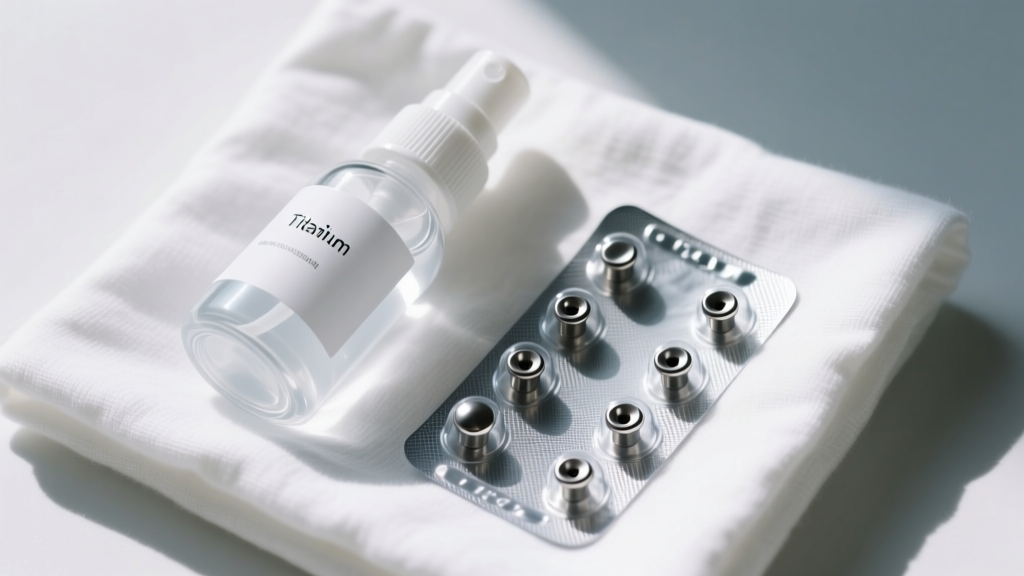
Forget 'surgical steel.' The term is unregulated and often contains 8-12% nickel. The Mayo Clinic and professional piercers universally recommend ASTM F136 Implant-Grade Titanium. This specific alloy is biocompatible, entirely nickel-free, and highly polished to prevent bacterial biofilm from adhering to the metal's surface.
Gauge Sizing Matters for Drainage
The thickness of your jewelry (gauge) plays a critical role in how your body handles trauma and potential infection.
- Cartilage (16g or 14g): Thicker jewelry (1.2mm or 1.6mm) prevents the 'cheese-cutter effect,' where thin jewelry migrates through the tissue. More importantly, a thicker gauge creates a wider fistula (piercing channel), allowing for better drainage of lymph and exudate, preventing trapped fluids that breed bacteria.
- Lobes (18g or 20g): Standard lobe piercings can safely accommodate thinner jewelry (1.0mm or 0.8mm) due to the soft, pliable nature of the tissue and high vascularity.
Step-by-Step Troubleshooting Protocol for Suspected Infections
If you suspect a mild infection or severe irritation, follow this clinical troubleshooting protocol. Note: If you have cartilage involvement with spreading redness, skip to the emergency section below.
- Do NOT Remove the Jewelry: This is the most critical mistake people make. If you remove the earring from an infected piercing, the surface holes can heal over rapidly, trapping the infection inside and forming a painful abscess that requires surgical lancing. Leave the jewelry in to act as a drain.
- Switch to Sterile Saline: Discard all homemade sea salt soaks, rubbing alcohol, hydrogen peroxide, and tea tree oil. These are cytotoxic—they kill the fibroblasts (healing cells) your body needs to repair the fistula. Use only a sterile, pressurized 0.9% sodium chloride wound wash (e.g., NeilMed or Piercing Aftercare brands) twice daily.
- Apply a Warm Compress: For lobe piercings, apply a clean, warm (not hot) compress for 5-10 minutes to encourage blood flow and help the fistula drain naturally.
- Avoid Ointments: Never apply Neosporin, Bacitracin, or Vaseline to a piercing. These petroleum-based ointments block oxygen to the wound and trap anaerobic bacteria inside the piercing channel.
- Evaluate Your Pillowcase: Switch to a silk or satin pillowcase and wash it every two days. Cotton creates friction and harbors bacteria and laundry detergent residue that aggravates the piercing.
When to Seek Emergency Medical Care
While most lobe issues can be managed at home, cartilage infections require immediate medical intervention. According to research published in the National Center for Biotechnology Information (NCBI) regarding perichondritis, cartilage necrosis can begin within 24 to 48 hours of an aggressive Pseudomonas infection.
Red Flag Symptoms: Seek immediate urgent care or emergency room treatment if you experience a fever, chills, nausea, red streaks radiating from the ear down your neck, or if the cartilage itself feels soft, squishy, or misshapen.
In these cases, a doctor will likely prescribe a course of oral fluoroquinolone antibiotics (such as Ciprofloxacin) which are specifically effective against Pseudomonas aeruginosa. Over-the-counter antibiotic creams will not penetrate the cartilage and are entirely ineffective for upper-ear infections.
Final Thoughts on Ear Piercing Safety
So, are earring infections dangerous? They certainly can be if you ignore the anatomical reality of your cartilage or attempt to treat a severe bacterial invasion with DIY internet remedies. By prioritizing ASTM F136 titanium, respecting the healing timeline, and knowing exactly when to transition from at-home saline care to professional medical treatment, you can keep your ears healthy, safe, and beautifully styled for life.


