Nova H1 Audio Earrings: A 2026 Budget & Value Assessment
Are the Nova H1 audio earrings worth the luxury price tag? We break down materials, tech specs, and cost-per-wear for a true value assessment.

The Intersection of Fine Jewelry and Wearable Tech
As we navigate the wearable technology landscape in 2026, the line between luxury accessories and consumer electronics has completely dissolved. The Nova H1 audio earrings represent the pinnacle of this convergence, attempting to solve a persistent modern dilemma: how to consume digital audio without sacrificing aesthetic elegance or resorting to bulky, visible earbuds. Retailing at a premium price point (typically hovering around $395 USD for the standard collection), these 'hearables' demand a serious financial commitment.
But from a strict budget and value assessment perspective, does the Nova H1 justify its cost? To answer this, we must look past the marketing gloss and evaluate the piece as two distinct entities: a fine jewelry item and a consumer electronic device. By deconstructing the material grades, acoustic engineering, and long-term failure modes, we can determine if the Nova H1 is a sound investment or a depreciating novelty.
Deconstructing the Price Tag: What Are You Actually Paying For?
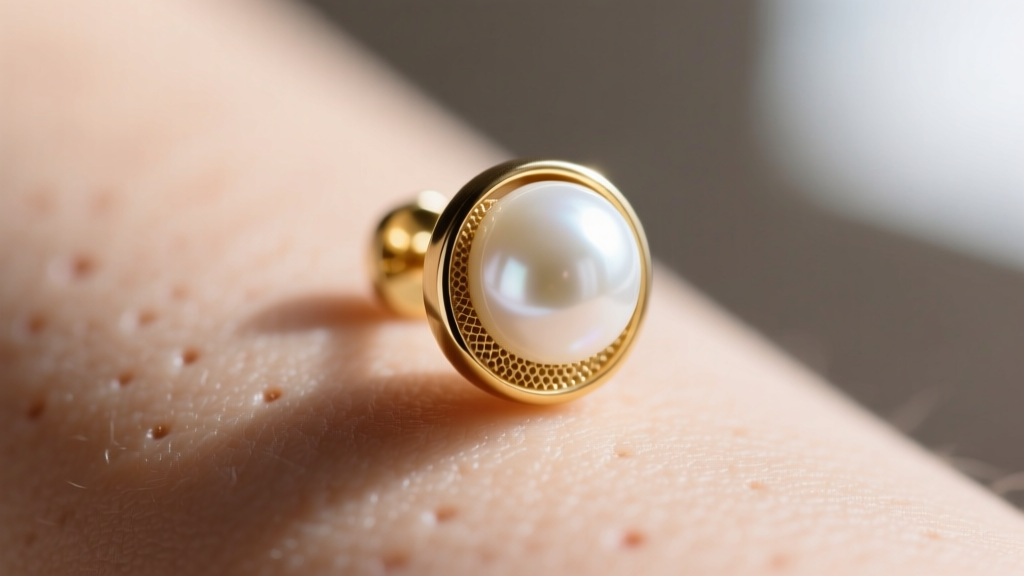
When you purchase the Nova H1 audio earrings, you are effectively buying two products fused into one. Let us break down the intrinsic value of the jewelry components first. The earrings feature an 8mm to 9mm freshwater pearl set in a casing made of 14k gold vermeil over 925 sterling silver (or rhodium-plated sterling silver for the silver option). According to the Gemological Institute of America (GIA), freshwater pearls offer excellent durability and a thick nacre layer, though they typically lack the sharp, mirror-like luster and distinct rose overtones of saltwater Akoya pearls. If you were to purchase a comparable pair of high-quality freshwater pearl studs in 14k gold vermeil from a traditional jeweler, the retail value would sit between $60 and $90.
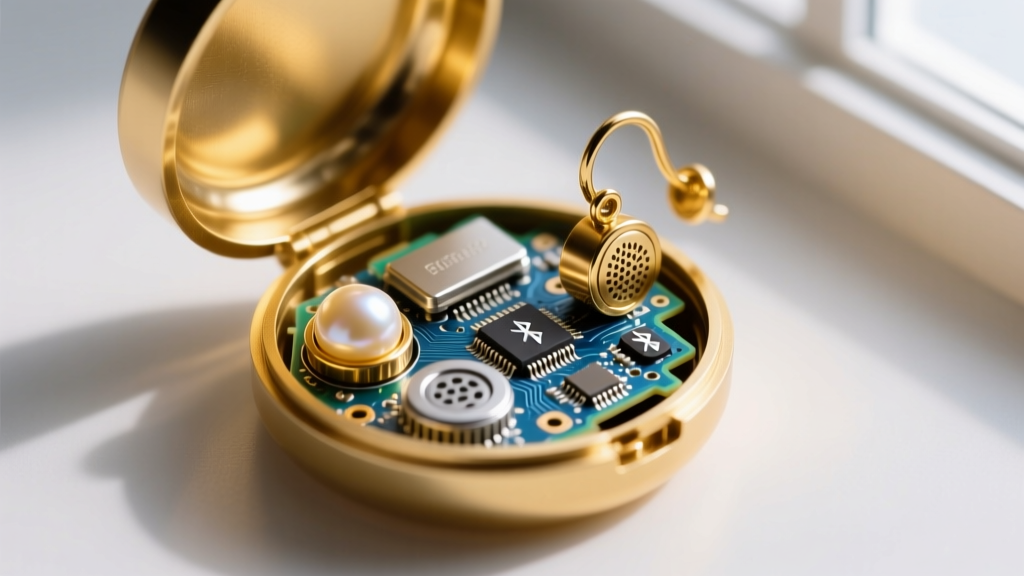
The remaining $300+ of the price tag is allocated to the miniaturized technology. Nova Audio has engineered a custom directional speaker system that sits just outside the ear canal, utilizing acoustic chambers hidden within the pearl's backing to project sound. The tech specs include Bluetooth 5.3, touch-capacitive sensors for media control, and an IPX4 water-resistance rating. You are paying a massive premium for the R&D required to shrink a lithium-ion battery, a Bluetooth antenna, and a directional speaker into a sub-15-gram form factor that mimics a classic jewelry silhouette.
Nova H1 Audio Earrings vs. Traditional Alternatives: A Value Matrix
To truly assess the budget impact, we must compare the Nova H1 against the traditional alternative: buying high-end pearl earrings and premium wireless earbuds separately. The table below illustrates the financial and functional trade-offs.
| Metric | Nova H1 Audio Earrings | Mikimoto Akoya Studs + Premium Earbuds | Budget Audio Clip-Ons |
|---|---|---|---|
| Initial Cost | $395 | $450 - $600+ | $120 - $150 |
| Pearl Quality | AAA Freshwater (Good luster) | Hanadama Akoya (Mirror luster) | Synthetic/Glass (No intrinsic value) |
| Metal Base | 14k Gold Vermeil (2.5 microns) | 18k Solid Gold | Plated Brass/Alloy |
| Audio Fidelity | Open-ear (Lacks deep bass) | Active Noise Cancellation (Rich bass) | Open-ear (Tinny, high leakage) |
| Lifespan | 2-4 Years (Battery degradation) | Lifetime (Jewelry) / 4 Yrs (Earbuds) | 1-2 Years (Poor build quality) |
The Compromise of Open-Ear Acoustics
From an audio-value perspective, the Nova H1 cannot compete with dedicated in-ear monitors. Because the speakers rest outside the concha bowl, low-frequency bass response is inherently limited. You are paying for discretion, not audiophile-grade sound. However, for podcast listeners, remote workers taking calls, and those who suffer from ear canal fatigue, the open-ear design provides immense functional value that traditional earbuds cannot match.
Hidden Costs and Tech Failure Modes
The most critical flaw in assessing tech-jewelry through a traditional budget lens is ignoring the 'e-waste' factor. Fine jewelry is an heirloom; consumer electronics are ephemeral. The Nova H1 audio earrings contain micro-lithium-ion batteries. These batteries have a finite number of charge cycles (typically 300 to 500 full cycles). If you wear and charge them daily, you will notice significant battery degradation within 18 to 24 months. Unlike a standard pearl stud that you can pass down to your daughter, the Nova H1 will eventually become a standard, non-functional earring once the battery swells or dies, as the casing is sealed to maintain its IPX4 sweat resistance.
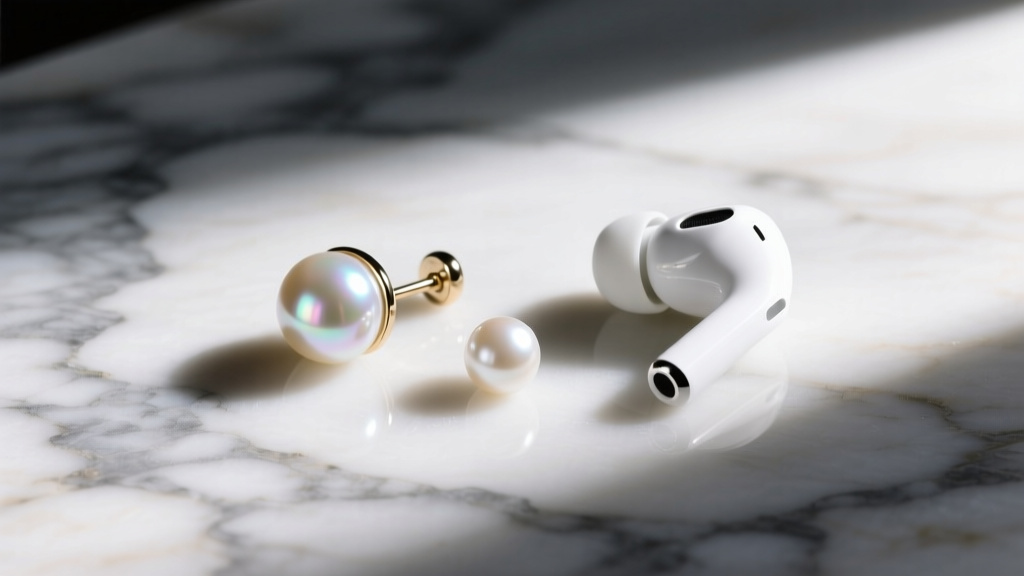
Furthermore, consider the replacement cost of loss or damage. If you lose a single Apple AirPod, a replacement costs roughly $89. If you lose a single Nova H1 earring, you are forced to contact Nova Audio Official support to purchase a single replacement unit, which often costs upwards of $195—more than the price of an entirely new pair of budget audio earrings. For active individuals or those prone to misplacing small items, this represents a severe financial risk.
Cost-Per-Wear and Longevity Assessment
To determine if the Nova H1 is a smart budget allocation, we apply the Cost-Per-Wear (CPW) framework. If you wear the earrings 5 days a week for 2 years (the estimated peak battery lifespan), that equals roughly 520 wears. At $395, your CPW is approximately $0.75 per wear. Compare this to a $40 pair of fast-fashion audio clip-ons that break after 3 months (120 wears), resulting in a CPW of $0.33. While the budget option wins on pure mathematics, the Nova H1 offers a vastly superior aesthetic experience, allowing you to wear them in professional boardrooms or formal dinners where plastic earbuds would be inappropriate.
To maximize your investment, strict maintenance is required. The 14k gold vermeil casing features a 2.5-micron gold layer over sterling silver. While this meets the legal threshold for 'vermeil,' exposure to the acidic pH of human sweat, combined with the friction of taking the earrings in and out of their magnetic charging case, will eventually cause the gold to wear off at the posts and clasps. Wiping the metal components with a dry microfiber cloth after every use and storing them in an anti-tarnish pouch when not charging will extend the jewelry's visual lifespan significantly.
Final Verdict: Who Should Buy the Nova H1?
The Nova H1 audio earrings are not a budget-friendly purchase, nor are they a traditional fine jewelry investment. They are a luxury lifestyle tool. They offer exceptional value for: corporate professionals who spend hours on conference calls and want to maintain a polished, earbud-free appearance; individuals with sensitive ear canals who cannot tolerate silicone ear tips; and tech-forward fashion enthusiasts who view wearable technology as an extension of their personal style.
They offer poor value for: audiophiles seeking rich bass and active noise cancellation; individuals looking for an heirloom jewelry piece to retain financial value; and those on a strict budget who would be better served by purchasing a $50 pair of beautiful freshwater pearl studs and a $120 pair of high-quality open-ear sports headphones. Ultimately, the Nova H1 commands a premium for the magic of its miniaturization—a magic you must decide is worth the $395 entry fee.


