Why Is My Earring Hole Black? Safe Jewelry Buying Guide
Discover why your earring hole turns black and how to prevent it. Our buying guide covers safe metals, ASTM grades, and hypoallergenic tips.

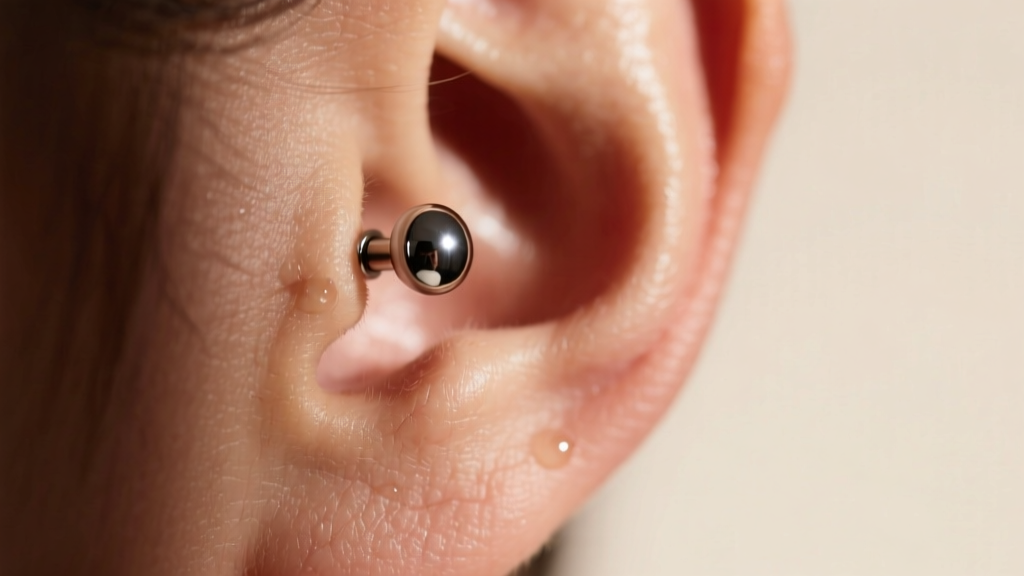
If you have ever looked closely in the mirror and noticed your earring hole black or surrounded by a dark, bruised-looking ring, you are certainly not alone. The dreaded 'earring hole black' phenomenon is one of the most common complaints among jewelry wearers, particularly those with sensitive skin or older, unhealed piercings. While it can look alarming—often mimicking a severe infection or localized necrosis—the reality is usually rooted in basic metallurgy, skin chemistry, and improper jewelry materials.
As a senior style guide and trend radar for jewelstyleradar, I frequently evaluate how different metals interact with the human body over time. In this comprehensive buying guide, we will break down exactly why piercing channels turn dark, which metals are actively harming your skin, and what specific material grades you must look for when purchasing your next pair of earrings to ensure lifelong comfort and aesthetic purity.
The Science Behind the 'Black Earring Hole' Phenomenon
To buy the right jewelry, you first must understand the enemy. A darkened piercing channel is rarely a single issue; it is typically the result of one of three distinct biological or chemical reactions:
1. Oxidation and Tarnish Transfer
When you wear sterling silver or low-grade copper alloys, the metals react with sulfur compounds in your sweat and sebum. This creates silver sulfide or copper oxide—a black, powdery residue. Because the piercing channel is a warm, moist environment, this tarnish builds up and physically stains the outermost layer of the epidermis, creating a permanent-looking gray or black ring.
2. Post-Inflammatory Hyperpigmentation (PIH)
If your jewelry contains nickel, your immune system may trigger a localized allergic contact dermatitis. According to the American Academy of Dermatology, chronic inflammation from nickel allergies causes melanocytes to overproduce pigment as a defense mechanism. The resulting dark spot is not dirt; it is melanin trapped in the skin.
3. Trapped Keratin and Micro-Tears
Rough, poorly polished earring posts create microscopic tears in the fistula (the piercing tunnel). The body responds by producing excess keratin and dead skin cells to heal the micro-trauma. This debris oxidizes and turns black when exposed to air and trapped moisture.
Metals to Avoid: The Culprits of Oxidation and Hyperpigmentation
Before we discuss what to buy, you must know what to throw away. The 'mystery metal' earrings sold in fast-fashion boutiques and mall kiosks are the primary drivers of the earring hole black effect. Below is a breakdown of common commercial metals and their failure modes.
| Metal Type | Tarnish Risk | Allergy Risk | Common Failure Mode |
|---|---|---|---|
| Sterling Silver (925) | High | Moderate | Silver sulfide buildup causing permanent gray skin staining (localized argyria). |
| Surgical Steel (316L) | Low | High | Contains 8-10% nickel; leaches into the fistula causing PIH and chronic weeping. |
| Brass / Bronze | Extreme | Moderate | Copper oxidation turns skin green/black; highly porous surface traps bacteria. |
| Gold-Plated Base Metal | High | Extreme | Plating wears off in the friction zone of the fistula, exposing reactive brass cores. |
The Association of Professional Piercers (APP) explicitly warns against wearing sterling silver or surgical steel in any piercing that is not 100% healed, and even then, the friction of daily wear makes them poor choices for long-term fistula health.
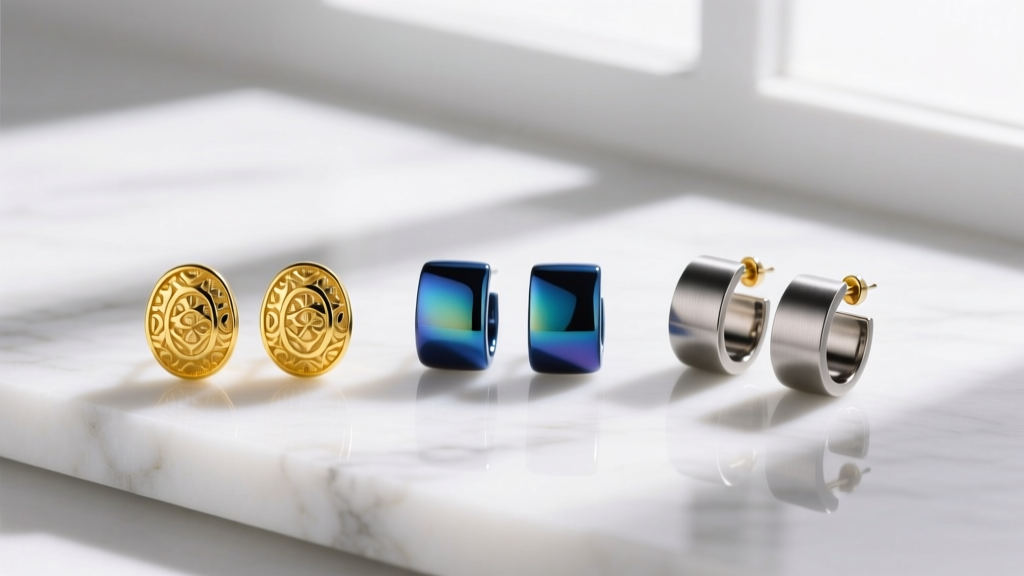
The Buying Guide: What to Look For in Safe, Non-Tarnishing Earrings
To completely eliminate the black earring hole effect, you must invest in biocompatible, inert metals. When shopping, ignore marketing buzzwords like 'hypoallergenic' (which is legally unregulated) and look for specific metallurgical standards.
Implant-Grade Titanium (ASTM F-136)
This is the gold standard for sensitive ears. ASTM F-136 specifies a titanium alloy (Ti-6Al-4V ELI) that is entirely nickel-free and biologically inert. It does not oxidize, tarnish, or react with sebum. When buying, look for brands that explicitly state 'ASTM F-136' or 'Implant-Grade.' Commercially pure titanium (Grade 4) is also acceptable, but F-136 offers superior tensile strength for delicate threading.
Niobium
Niobium is a highly inert, elemental metal that is completely nickel-free. Unlike titanium, it cannot be anodized to different colors without the use of surface coatings, making it exceptionally safe. It is slightly heavier than titanium but possesses a naturally smooth surface that resists keratin buildup. It is an excellent choice for seamless hoops and clickers.
Solid 14k or 18k Gold (Nickel-Free Alloyed)
Gold is safe, but only if alloyed correctly. White gold is traditionally alloyed with nickel to achieve its silver color, which will trigger the hyperpigmentation mentioned earlier. When buying white gold earrings, you must verify that the piece is alloyed with palladium. Yellow and rose gold (14k or 18k) are generally safe, provided they do not contain zinc or copper in high enough quantities to cause galvanic reactions in highly acidic sweat profiles.
Earring Backs and Finishes: Hidden Triggers for Darkening
The metal is only half the battle; the physical construction of the earring dictates how much debris gets trapped in the piercing channel.
Mirror Polish vs. Matte Finishes
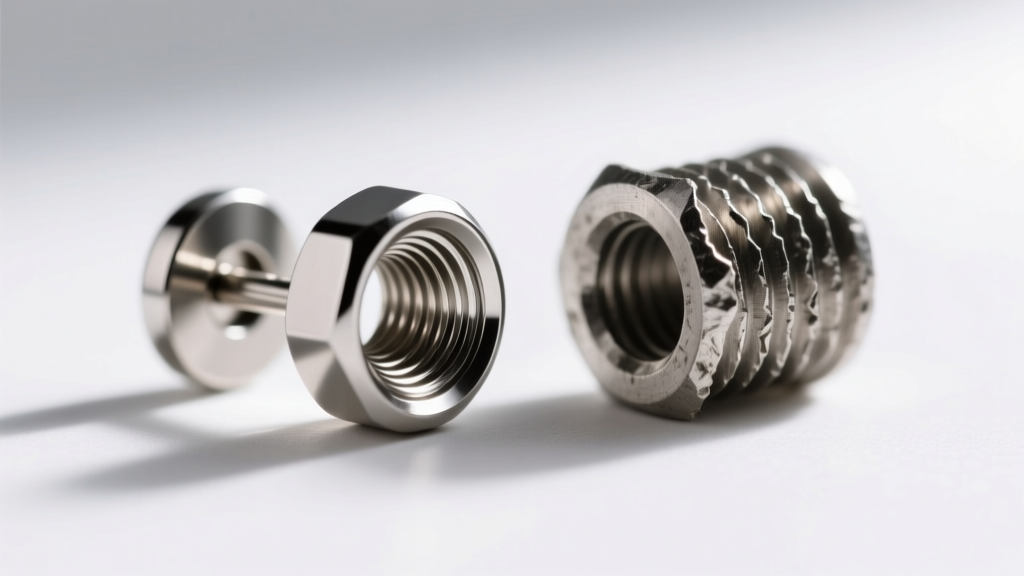
Always opt for a mirror polish. Matte or brushed finishes have microscopic peaks and valleys (a higher surface roughness average, or Ra value). These microscopic grooves act like a cheese grater on the delicate fistula tissue, scraping away cells that then oxidize and turn black inside the hole. A mirror-polished post glides through the tissue without causing micro-trauma.
Threadless and Internally Threaded Posts
Externally threaded earrings (where the screw is on the post) are a primary cause of fistula damage. Every time you insert or remove the earring, the sharp metal threads scrape the inside of the hole, creating scar tissue and trapping dead skin. Always purchase internally threaded (the screw is on the backing) or threadless push-pin earrings to maintain a perfectly smooth post surface.
How to Clear Up a Darkened Piercing Channel
If you already have a black earring hole, switching your jewelry is step one, but you must also actively remediate the tissue. Follow this protocol:
- Remove all reactive metals immediately: Swap to an ASTM F-136 titanium labret stud or threadless push-pin.
- Saline Soaks: Use a sterile 0.9% sodium chloride wound wash twice daily to flush out trapped oxidized sebum and keratin.
- Avoid Harsh Chemicals: Never use rubbing alcohol, hydrogen peroxide, or tea tree oil inside the fistula. These destroy the cellular matrix and worsen post-inflammatory hyperpigmentation.
- Gentle Exfoliation: Once the piercing is completely free of irritation, gently massage the lobe with a warm, damp washcloth to encourage cellular turnover and fade the melanin deposits.
'The fistula is a living tube of tissue. Treating it with harsh chemicals or rough, oxidizing metals is akin to rubbing sandpaper on an open wound. Biocompatibility is not a luxury; it is a medical necessity for long-term piercing health.' — Board-Certified Dermatologist & Piercing Safety Advocate
Final Checklist for Your Next Earring Purchase
Before you click 'checkout' on your next pair of studs, hoops, or huggies, run the product through this strict E-E-A-T buying checklist:
- Does the product description explicitly state ASTM F-136 Titanium, Niobium, or Palladium-Alloyed 14k/18k Gold?
- Is the post internally threaded or threadless?
- Does the metal feature a mirror polish finish?
- Is the brand transparent about their metallurgical sourcing, avoiding vague terms like 'surgical steel' or 'hypoallergenic alloy'?
- Is the earring back designed to allow airflow, preventing the warm, moist environment that accelerates sebum oxidation?
By prioritizing biocompatible materials and precision engineering, you will not only banish the earring hole black effect forever but also elevate your daily jewelry experience from a source of irritation to one of effortless, enduring style.


