The Ultimate Earring Silver Guide: 925 Sterling vs Argentium
Compare earring silver types including 925 sterling, Argentium, and fine silver. Learn about tarnish resistance, durability, and hypoallergenic properties.

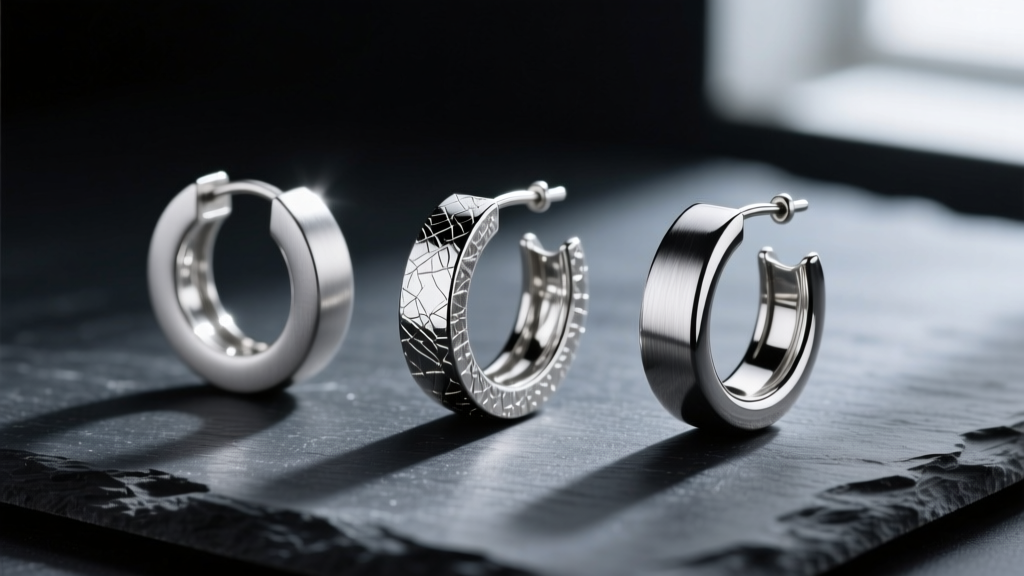
The Metallurgy of Earring Silver: Why Purity Matters
When shopping for fine jewelry, the term "earring silver" is frequently used as a catch-all phrase, but from a metallurgical standpoint, it represents a complex spectrum of alloys. Pure silver (Ag) is a noble metal with exceptional thermal and electrical conductivity, but it possesses a Vickers hardness (HV) of roughly 25. In practical terms, this means pure silver is far too malleable for structural jewelry components. An earring post crafted from pure silver would bend under the slight pressure of daily wear, and the friction backs would quickly lose their grip.
To engineer silver into a durable material suitable for body jewelry, metallurgists must introduce alloying elements. The specific metals chosen for this alloying process dictate the earring's tensile strength, tarnish resistance, and biocompatibility. Understanding these material properties is critical, especially when selecting jewelry for fresh piercings, cartilage placements, or sensitive ear lobes. In this comprehensive guide, we break down the exact material grades, failure modes, and performance metrics of the most common silver alloys used in modern earring manufacturing.
925 Sterling Silver: The Industry Standard
Sterling silver is the undisputed workhorse of the jewelry industry. By definition, 925 sterling silver consists of 92.5% pure silver and 7.5% secondary metals, almost universally copper. The addition of copper increases the Vickers hardness to approximately 65-70 HV, providing the necessary structural integrity for standard 20-gauge (0.81mm) and 18-gauge (1.02mm) earring posts and wires.
Failure Modes and Oxidation
While copper provides essential strength, it is also the primary vulnerability of sterling silver. Copper is highly reactive to sulfur compounds in the atmosphere and the natural oils present in human skin. This reaction forms silver sulfide, manifesting as the black tarnish commonly seen on neglected jewelry. Furthermore, the 7.5% copper content is a frequent culprit behind contact dermatitis. Many consumers who believe they are "allergic to silver" are actually experiencing a localized immune response to the copper or nickel sometimes used in lower-grade sterling alloys.
To combat this, many manufacturers apply a microscopic layer of rhodium plating over the sterling silver. While this creates a bright, white-gold-like finish and temporarily halts tarnish, the plating eventually wears away on high-friction areas like earring posts and clutch backs, exposing the reactive copper beneath.
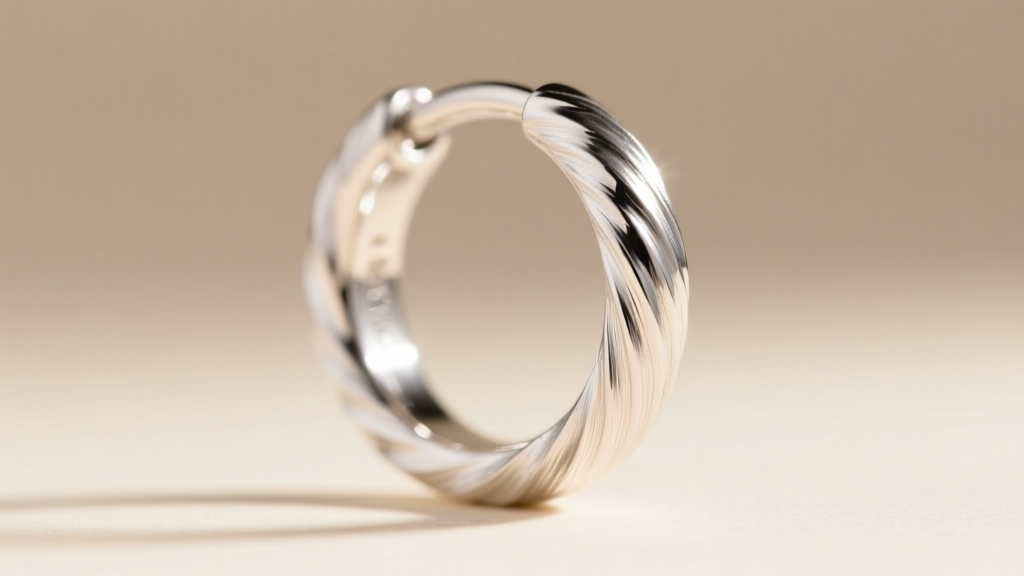
Argentium Silver: The Tarnish-Resistant Upgrade
Developed in the 1990s by Peter Johns at Middlesex University, Argentium silver represents a massive leap forward in jewelry metallurgy. Argentium replaces a portion of the traditional copper content with the metalloid germanium. The most common grades are Argentium 935 (93.5% silver) and Argentium 960 (96% silver).
The inclusion of germanium fundamentally alters how the metal interacts with oxygen. When exposed to air, the germanium migrates to the surface and forms a transparent, self-healing layer of germanium dioxide. This layer effectively blocks sulfur and oxygen from reaching the underlying silver, granting Argentium an extraordinary resistance to tarnish. According to Rio Grande, a leading jewelry supply manufacturer, Argentium can remain untarnished for years under conditions that would blacken standard sterling silver in weeks.
Why Argentium Wins for Cartilage Piercings
For cartilage piercings—such as helixes, tragus, or conch placements—biocompatibility is paramount. Cartilage is avascular, meaning it lacks direct blood supply and heals much slower than lobe tissue. The hypoallergenic nature of Argentium, combined with its lack of nickel and reduced copper content, makes it an superior choice for long-term wear in healing or sensitive cartilage piercings. Additionally, Argentium features a property called "fusion welding," allowing jewelers to create seamless hoops without the use of solder joints, which are common failure points where 16-gauge (1.2mm) hoops tend to snap under stress.
Fine 999 Silver: Best for Lobe Studs Only
Fine silver is 99.9% pure silver. Because it lacks the copper found in sterling, it is entirely hypoallergenic and highly resistant to tarnish. It possesses a brilliant, bright white luster that many collectors prefer over the slightly grayish tint of sterling.
However, its extreme softness (25 HV) severely limits its application in earring design. Fine silver should never be used for ear wires, French hooks, or structural hoops, as it will warp and stretch out of shape within days of wear. Its primary use in earring manufacturing is for bezel settings. Jewelers favor fine silver bezel wire because its malleability allows it to be easily pushed and burnished over the girdle of a gemstone, securing it tightly without the need for excessive force that might fracture the stone.
Material Comparison Chart: Silver Alloys vs. White Gold
To contextualize the performance of different earring silver grades, it is helpful to compare them against 14k white gold, a common alternative for premium ear jewelry. The table below outlines the critical metallurgical differences that impact durability, maintenance, and pricing.
| Material Grade | Composition | Vickers Hardness (HV) | Tarnish Resistance | Avg. Price Range (Studs) | Best Earring Application |
|---|---|---|---|---|---|
| Fine 999 Silver | 99.9% Ag | 25 HV | Excellent | $20 - $50 | Bezel settings, soft lobe studs |
| 925 Sterling Silver | 92.5% Ag, 7.5% Cu | 65 - 70 HV | Poor (Requires Rhodium) | $15 - $40 | Standard posts, cast dangles |
| Argentium 935 | 93.5% Ag, Cu, Ge | 80 - 95 HV (Heat Treated) | Exceptional | $45 - $90 | Seamless cartilage hoops, ear cuffs |
| 14k White Gold | 58.5% Au, Ni/Zn/Cu | 120 - 140 HV | Moderate (Requires Rhodium) | $80 - $250+ | High-stress threads, diamond settings |
As noted by The Silver Institute, the inherent properties of silver make it an incredibly versatile precious metal, but the specific alloy dictates its functional lifespan in body jewelry. While 14k white gold offers superior hardness for securing expensive diamonds in prong settings, Argentium silver provides the best balance of hypoallergenic safety, structural integrity, and low maintenance for everyday silver earrings.
Silver Plated vs. Solid Silver: Spotting the Fakes
A significant portion of the market is flooded with "silver" earrings that contain zero precious metal in their core structure. Silver-plated earrings consist of a base metal—usually brass, copper, or nickel silver—coated with a microscopic layer of pure silver via electroplating.
- Flash Plating: A layer less than 0.5 microns thick. It will wear off within weeks of daily wear, exposing the base metal and potentially causing severe allergic reactions or green skin discoloration.
- Heavy Plating (Vermeil): By FTC guidelines, gold vermeil requires a 2.5-micron layer, but silver vermeil standards are looser. High-quality silver plating should be at least 2 to 3 microns thick over a solid brass or copper base.
To verify solid earring silver, look for the "925" or "STER" hallmark stamped on the post or the back of the clutch. Be highly suspicious of earrings that lack hallmarks, exhibit a yellowish tint in high-friction areas, or are attracted to a neodymium magnet (silver is diamagnetic and will not stick to a magnet).
Care and Maintenance for Silver Earrings
Proper maintenance extends the life of your earring silver and prevents the degradation of the metal's surface. Avoid commercial "silver dip" liquid cleaners at all costs. These solutions contain thiourea and strong acids that strip the metal's natural patina, leave behind microscopic crystalline residues that accelerate future tarnishing, and can permanently cloud porous gemstones like turquoise or opals.
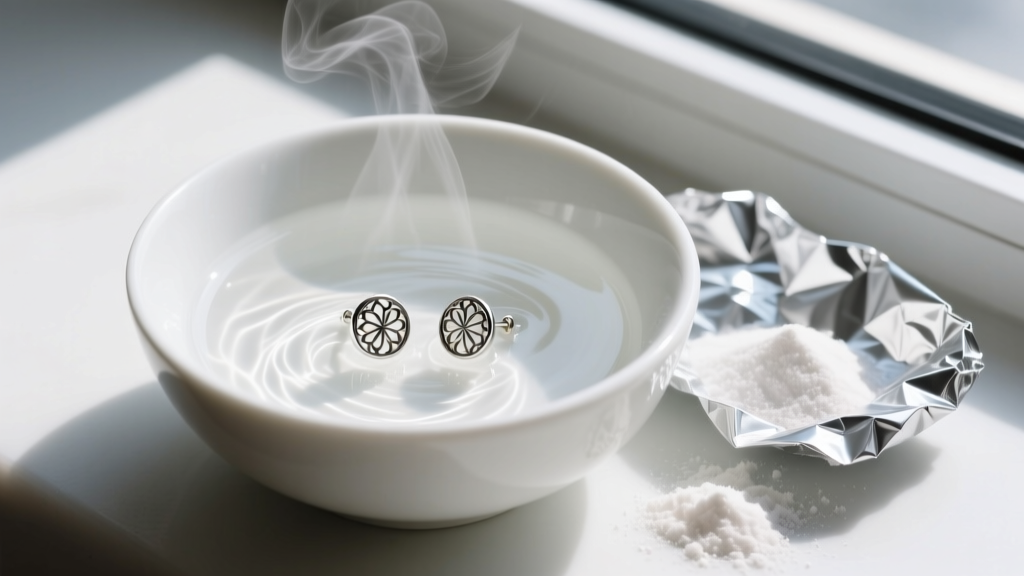
Instead, utilize an electrochemical reduction bath for solid sterling and Argentium pieces. Line a glass bowl with aluminum foil (shiny side up), add one tablespoon of baking soda and a pinch of table salt, and pour in boiling water. Submerge your silver earrings so they make physical contact with the foil. The chemical reaction transfers the silver sulfide (tarnish) from the earring to the aluminum foil, leaving the silver perfectly clean without removing any base metal. For everyday maintenance, simply wipe your earrings with a microfiber cloth after wearing them to remove skin oils and sebum before storing them in an airtight, anti-tarnish ziplock bag.
Final Verdict: Which Earring Silver Should You Buy?
The ideal earring silver depends entirely on your piercing type and maintenance preferences. If you are purchasing standard lobe studs on a budget and don't mind occasional polishing, traditional 925 sterling silver remains a reliable, cost-effective choice. However, if you are shopping for cartilage hoops, ear cuffs, or jewelry for highly sensitive skin, the slight premium for Argentium silver is a worthwhile investment. Its superior hardness, fusion-welding capabilities, and germanium-induced tarnish resistance make it the ultimate modern material for long-term, comfortable body jewelry.


