2026 Earring Stock Analysis: Trending Styles & Findings
Discover the 2026 earring stock trends shaping jewelry design. Explore gauge specifications, material grades, and curated styles for modern collections.

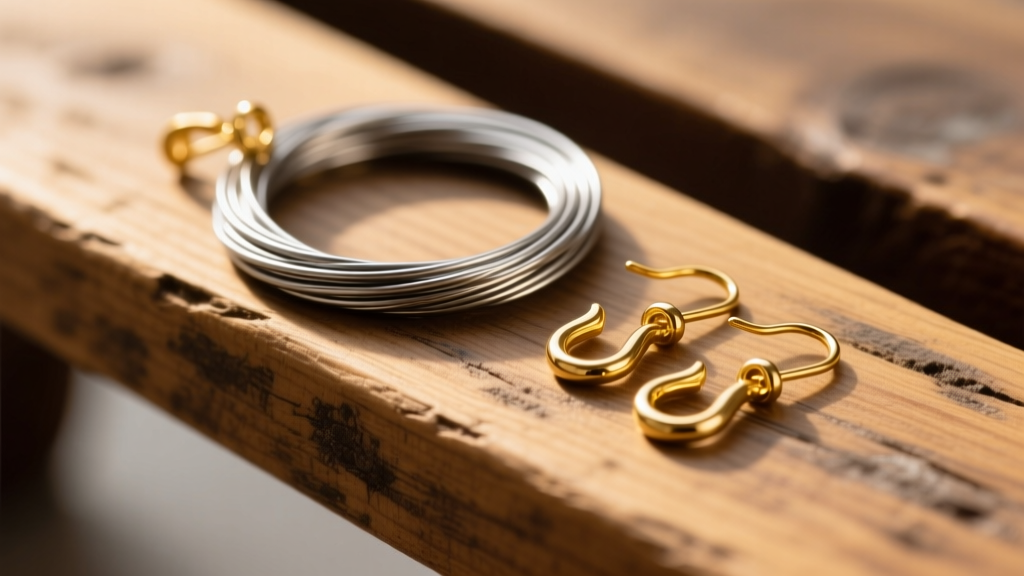
In the jewelry industry, the term earring stock carries a dual meaning. For manufacturers and independent jewelers, it refers to the raw foundational findings—the posts, hooks, wires, and clutches that form the anatomy of an earring. For boutique owners and serious collectors, it denotes the curated inventory of styles ready for retail or personal wear. As we navigate 2026, the intersection of these two definitions has never been more critical. The modern consumer is highly educated on metallurgy, biomechanics, and piercing health, forcing a massive shift in both the raw materials used for earring stock and the aesthetic styles dominating the market.
This analysis breaks down the current state of earring stock, from the tensile strength of specific wire gauges to the dominant retail silhouettes defining the 2026 ear stack.
The Metallurgy of Modern Earring Stock
The era of relying on brass or nickel-silver earring stock plated with a thin micron-layer of gold is rapidly ending. Driven by a surge in contact dermatitis awareness and demand for 'healing-friendly' jewelry, the baseline for premium earring stock has shifted to implant-grade materials and high-karat alloys.
ASTM F136 Titanium & Niobium
According to ASTM International, F136 is the standard specification for wrought titanium-6aluminum-4vanadium ELI (extra low interstitial) alloy used in surgical implants. In 2026, utilizing ASTM F136 titanium for earring posts and flat-back labrets is no longer a niche selling point; it is the baseline expectation for any cartilage or fresh-piercing stock. Niobium (unalloyed, highly reactive metal) is also seeing a 40% increase in usage for seamless hoop stock due to its ability to be anodized into vibrant colors without the use of toxic dyes or platings.
Solid Gold Alloys: 14k vs. 18k
While 18k gold remains the pinnacle of luxury earring stock, its lower tensile strength makes it a poor choice for thin, high-stress findings like French hooks or continuous hoop wires. Consequently, 14k gold (specifically nickel-free, palladium-white, or copper-rich rose alloys) dominates the structural stock market. It offers the necessary rigidity to support heavy gemstone drops without warping, a crucial factor in this year's trend toward architectural, gravity-defying silhouettes.
Gauge Specifications & Structural Integrity
One of the most common failure modes in earring design is selecting the wrong wire gauge for the intended load. A 22-gauge (0.64mm) wire may look delicate and elegant, but it will easily bend under the dynamic movement of a 10-gram drop earring, leading to lost jewelry and damaged fistulas. Below is the 2026 industry standard matrix for earring stock gauges mapped to specific piercing placements and style categories.
| Gauge Size | Millimeter (mm) | Primary Application | Max Recommended Drop Weight | 2026 Trending Style |
|---|---|---|---|---|
| 22g | 0.64mm | Standard Lobe (Lightweight) | 3.5 grams | Micro-bezel diamond studs |
| 20g | 0.81mm | Standard Lobe & Helix | 8.0 grams | Classic French hooks, Huggies |
| 18g | 1.02mm | Cartilage, Daith, Rook | 14.0 grams | Architectural drops, Clickers |
| 16g | 1.29mm | Conch, Tragus, Industrial | 20.0+ grams | Flat-back labrets, Chain links |
| 14g | 1.63mm | Industrial, Heavy Lobes | N/A (Structural) | Statement barbells, Ear scaffolds |
Note: When sourcing earring stock for heavy drops, always utilize a soldered jump ring or a reinforced loop rather than a simple bent wire loop, which will pull apart under kinetic stress.
Dominant Style Trends Shaping Retail Inventory
When building a boutique's earring stock or advising private clients on capsule collections, understanding the macro-trends of 2026 is vital. The market has bifurcated into two distinct aesthetic camps: hyper-minimalist structuralism and maximalist kinetic movement.
The Architectural Drop
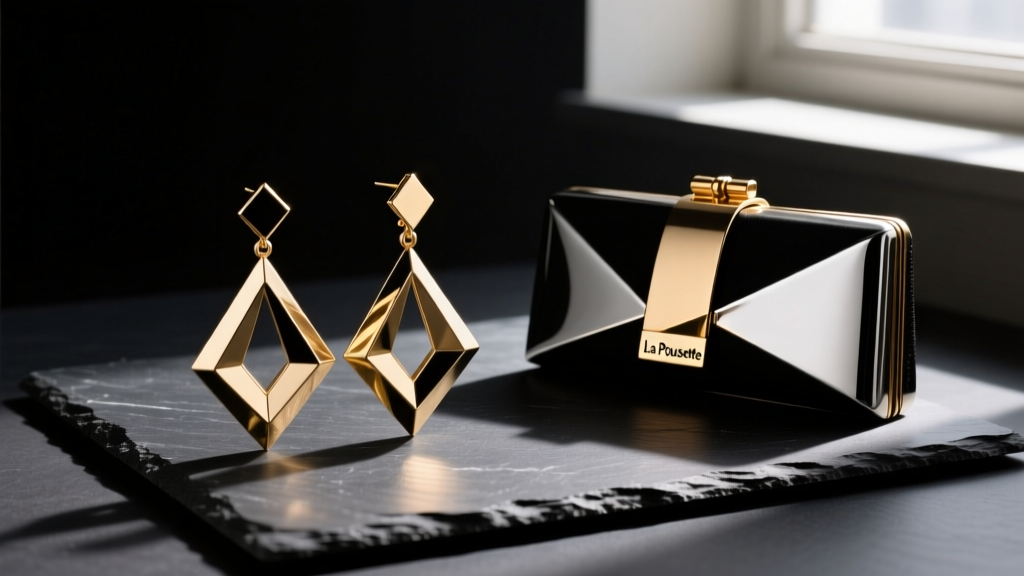
Moving away from the delicate, bohemian chandelier earrings of the early 2020s, the 2026 architectural drop relies on rigid, geometric lines and negative space. These pieces often feature asymmetric brushed gold planes, tension-set baguette diamonds, and matte-finished titanium accents. Because these designs are front-heavy, the earring stock used for the post must be a minimum of 18-gauge, often paired with a specialized jumbo clutch or a La Pousette locking back to prevent the earring from drooping forward on the lobe. Retail pricing for these statement pieces typically ranges from $450 to $1,800, demanding high-quality, rigid stock to justify the investment.
The Micro-Huggie & Cartilage Stack
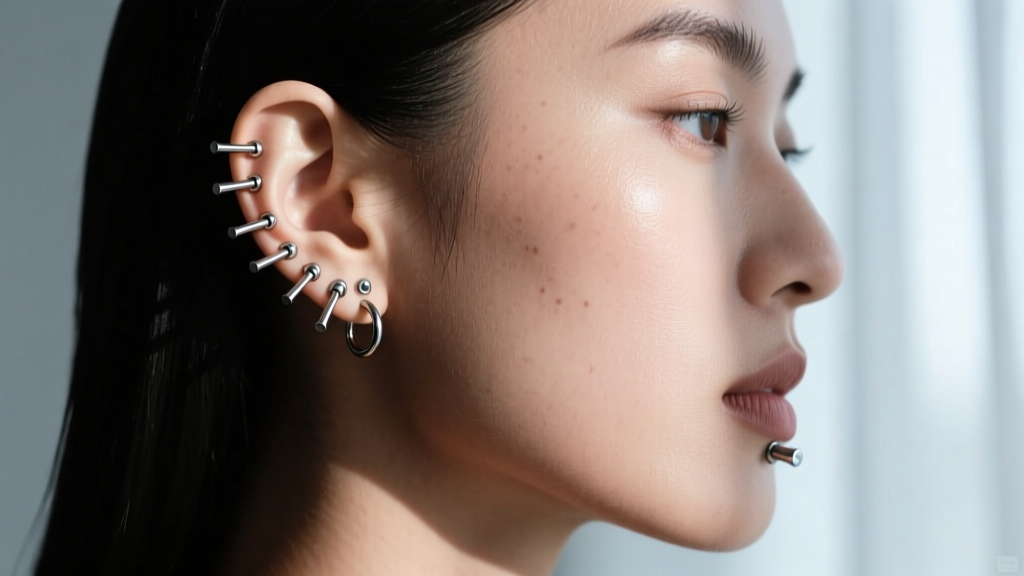
The 'curated ear' trend has matured from a chaotic mix of charms into a disciplined study of proportions. The micro-huggie (measuring between 8mm and 12mm in inner diameter) is the undisputed anchor of the 2026 ear stack. Sourcing stock for micro-huggies requires extreme precision; the wire must be thick enough (usually 18g or 16g) to maintain a perfect circle, yet the hinge and clasp mechanisms must be micro-engineered to remain invisible. Seamless continuous hoops crafted from Niobium or 14k gold are currently outperforming hinged styles in the premium market due to their lack of visible seams and superior comfort in helix and tragus piercings.
The Unsung Hero: Upgrading Earring Backs & Clutches
An earring is only as secure as its backing. In 2026, the industry is finally phasing out the standard 'butterfly' friction clutch for premium inventory. The friction grooves on traditional earring stock posts harbor bacteria and degrade over time, leading to loose earring backs and lost diamonds.
- La Pousette (Push-Pull) Clutches: Utilizing a mechanical spring-loaded button system, these are the gold standard for high-value lobe drops. They require specialized earring stock posts with precise grooved notches.
- Silicone O-Rings & Discs: For 20-gauge and 18-gauge wire hooks, high-durometer medical-grade silicone O-rings provide a secure, invisible lock that won't tarnish or pull hair.
- Internally Threaded Flat-Backs: For cartilage stock, external threading (where the screw is on the post) is considered obsolete and harmful to the fistula. Premium 2026 stock features internal threading or threadless (push-pin) tension systems, allowing the smooth post to glide through the piercing without micro-tearing the tissue.
Strategic Curation for Boutiques and Collectors
Whether you are a jewelry buyer stocking a flagship store or a collector refining your personal vault, the strategy for 2026 requires a focus on versatility and biocompatibility. According to market analyses featured in the Gemological Institute of America (GIA) reports, consumers are increasingly asking about the origin and grade of the metals touching their skin, not just the gemstones.
A well-balanced earring stock inventory in 2026 should allocate 40% to everyday titanium and 14k gold micro-huggies and flat-backs, 35% to structural architectural drops for evening wear, and 25% to specialized, anodized niobium pieces for the growing demographic of consumers seeking hypoallergenic, colorful alternatives to traditional precious metals. By prioritizing the structural integrity of the foundational findings alongside the visual design, brands can eliminate the pain points of heavy, drooping, or irritating earrings, securing long-term loyalty in a highly competitive market.


