The Ultimate Earring Stoppers Buying Guide for Secure Studs
Discover the best earring stoppers for your studs and drops. Compare friction backs, screw backs, and silicone grips for ultimate security.

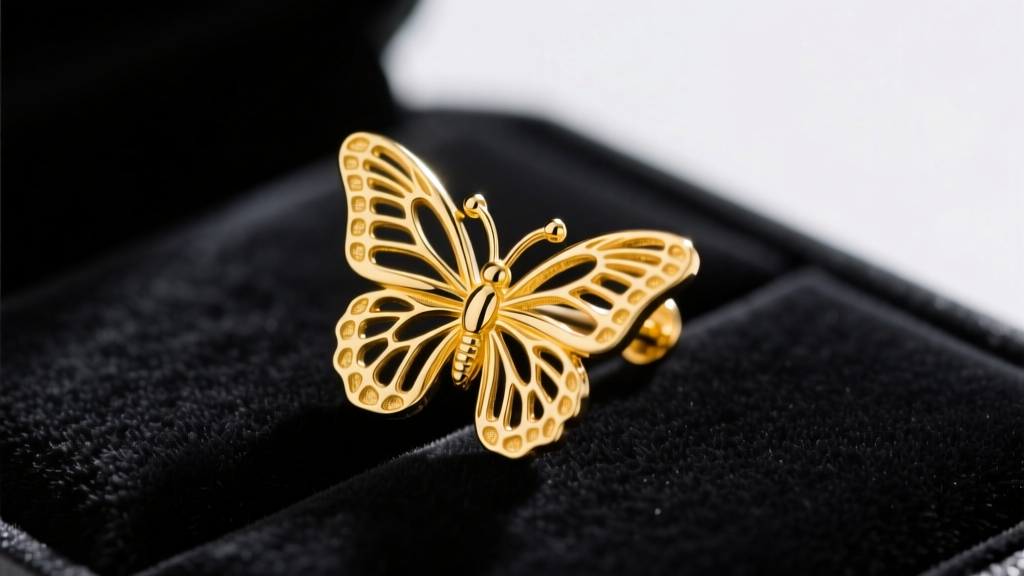
Losing a beloved diamond stud or a sentimental heirloom earring is a devastating experience, yet it happens far more often than it should. In 2026, while earring designs have become increasingly intricate and valuable, the mechanisms keeping them attached to our ears remain an afterthought for many consumers. The culprit behind nearly 90% of lost earrings is not a broken post or a faulty clasp, but a failing earring stopper. Also known as earring backs, ear nuts, or friction backs, these tiny components bear the entire mechanical load of your jewelry.
Whether you are securing a pair of heavy 2-carat lab-grown diamond studs, lightweight everyday hoops, or sensitive cartilage piercings, choosing the correct earring stoppers is a critical decision. This comprehensive buying guide breaks down the engineering, material grades, and real-world failure modes of every stopper type on the market, ensuring your jewelry stays exactly where it belongs.
The Hidden Physics of Earring Security
To understand what to look for when buying earring stoppers, you must first understand the anatomy of an earring post. Standard earring posts are typically manufactured in three gauge sizes: 20-gauge (0.81mm) for lightweight fashion studs, 18-gauge (1.02mm) for standard diamond and gemstone studs, and 16-gauge (1.29mm) for heavier drops or cartilage pieces. The stopper must match this gauge precisely. A loose fit allows the earring to pivot and droop, while a tight fit can strip the metal or damage the post.
Security relies on either friction (tension against the post), threading (mechanical screwing), or locking (spring-loaded catches). Each method interacts differently with the natural oils, movement, and environmental factors your ears encounter daily. Let us evaluate the four primary types of earring stoppers available to consumers today.
The 4 Main Types of Earring Stoppers Evaluated
1. Butterfly / Friction Backs
The butterfly back, or push back, is the most ubiquitous earring stopper in the world. It features a flat base with two rolled metal scrolls that create outward tension. As you push the back onto the post, the scrolls compress and grip a small notch near the end of the earring wire.
- Pros: Inexpensive, universally available, easy to put on and take off with one hand.
- Cons: Susceptible to metal fatigue. Over time, the scrolls lose their tension, leading to a loose fit. They also trap sebum and dead skin cells in the rolled crevices.
- Best For: Lightweight, everyday fashion studs and budget-friendly jewelry.
- Price Range: $5 - $15 per pair (precious metals).
2. Screw Backs
Screw backs require the earring post itself to be threaded. The stopper screws onto the post like a nut on a bolt, creating a physical barrier that prevents the earring from sliding off.
- Pros: Exceptional security against pulling or snagging. Ideal for active lifestyles and sleepers.
- Cons: High risk of cross-threading. If forced at the wrong angle, the threads will strip, ruining both the stopper and the earring post. They are also difficult to manipulate for those with limited dexterity or long acrylic nails.
- Best For: High-value diamond studs, children's earrings, and sleep-in jewelry.
- Price Range: $15 - $40 per pair.
3. Silicone & Rubber Grips
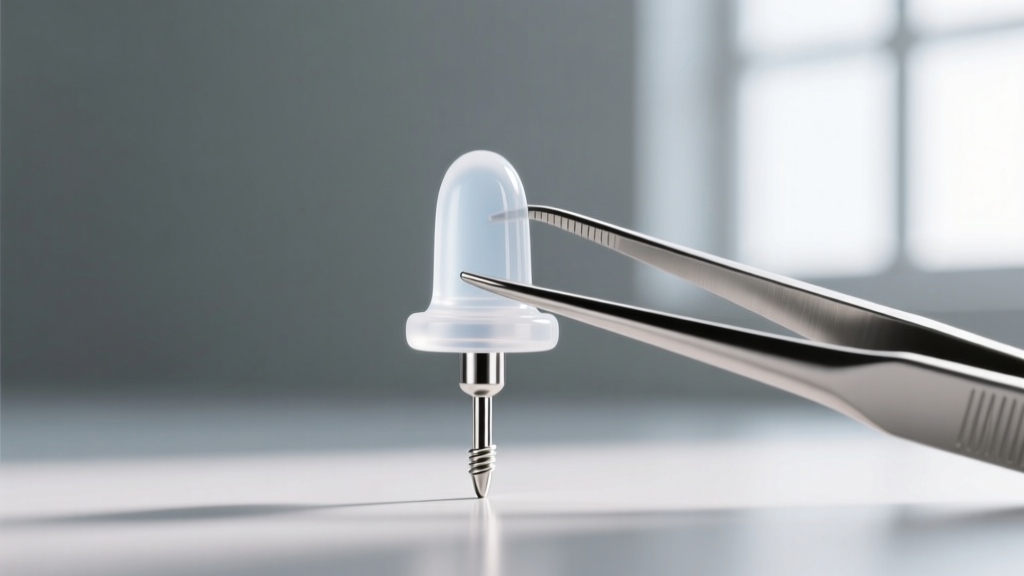
Silicone stoppers are soft, flexible sleeves that slide over the post, relying on a high coefficient of friction to stay in place. They often feature a wide, flat disc to prevent the earring from drooping.
- Pros: Extremely comfortable, hypoallergenic, provides excellent support for heavy or front-heavy earrings, virtually invisible on the ear.
- Cons: Degrades rapidly when exposed to skin oils, alcohol-based cleaners, and UV light. They can become brittle, tear, and eventually fuse to the post if not cleaned regularly.
- Best For: Heavy statement earrings, temporary relief for stretched earlobes, and sensitive skin.
- Price Range: $2 - $8 per multi-pack.
4. La Pousette / Push-Pull Click Backs
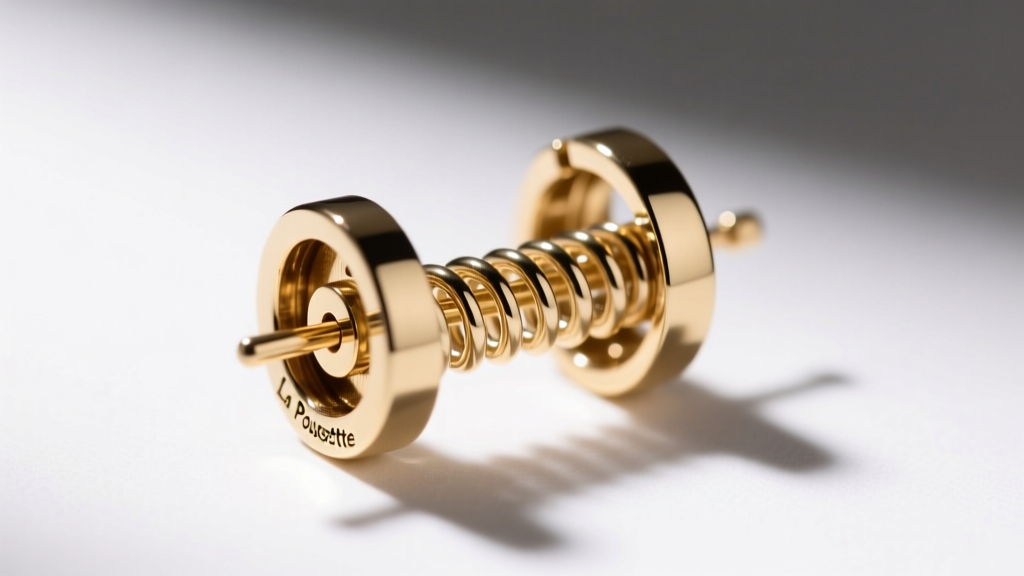
The La Pousette back is the luxury standard for high-end jewelry. It utilizes a precision-engineered, dual-spring mechanical locking mechanism. You push it onto the post until it clicks, and to remove it, you must pinch two small side tabs simultaneously to retract the internal locking pins.
- Pros: Unmatched security without the risk of cross-threading. Maintains tension indefinitely due to the internal spring mechanism. Easy to clean.
- Cons: Expensive. The internal springs can fail if exposed to ultrasonic cleaners or harsh chemicals. Requires two hands to remove.
- Best For: Investment-grade diamond studs, heirloom pieces, and high-end bridal jewelry.
- Price Range: $50 - $120+ per pair.
Material Grades & Hypoallergenic Requirements
The material of your earring stoppers is just as critical as the earring itself, especially since the back rests directly against the highly sensitive skin behind the earlobe. According to the Association of Professional Piercers, nickel allergies affect a significant portion of the population, making cheap, plated base metals a primary cause of contact dermatitis.
When shopping for metal earring stoppers, look for these specific material grades:
- Implant-Grade Titanium (ASTM F136): The absolute gold standard for sensitive ears and fresh piercings. It is entirely nickel-free, lightweight, and highly resistant to corrosion.
- 14k or 18k Solid Gold: Excellent for luxury pieces. Ensure the gold is nickel-free (especially in white gold, which is often alloyed with nickel unless specifically stated as palladium-based).
- 316L Surgical Steel: A step down from titanium but generally safe for healed piercings. It contains trace amounts of nickel, which may trigger reactions in highly sensitive individuals.
- Medical-Grade Silicone: Inert and hypoallergenic, but must be replaced frequently to prevent bacterial buildup.
Earring Stoppers Comparison Chart
| Stopper Type | Security Level | Comfort | Best Gauge Match | Expected Lifespan |
|---|---|---|---|---|
| Butterfly / Friction | Medium | Medium | 20G - 18G | 1 - 3 Years |
| Screw Back | High | Medium | 18G - 16G | 5+ Years |
| Silicone Grip | Medium-High | Very High | 20G - 16G | 3 - 6 Months |
| La Pousette (Click) | Very High | High | 18G - 16G | 10+ Years |
Real-World Troubleshooting & Maintenance
Even the best earring stoppers require maintenance. Here is how to troubleshoot the most common issues jewelers see in their workshops:
Issue: The Earring Keeps Drooping Forward
The Cause: This occurs when the earring's center of gravity is too far forward, or the stopper is too small to provide adequate support. Friction backs offer minimal surface area against the ear.
The Fix: Swap your metal backs for wide-disc silicone stoppers or upgrade to La Pousette backs, which feature a broader, flatter base that distributes the weight of the earring more evenly across the back of the earlobe.
Issue: The Stopper is Stuck or Won't Come Off
The Cause: Sebum, dead skin, and lotion can build up inside the metal scrolls of a butterfly back, effectively gluing it to the post. In screw backs, this debris cross-threads the mechanism.
The Fix: Do not use pliers, as you will bend the post. Soak the earlobe in warm water with a drop of mild dish soap for five minutes to soften the debris. Use a pair of clean, rubber-tipped tweezers to grip the stopper while holding the earring front steady. The Gemological Institute of America (GIA) recommends regular gentle cleaning with warm soapy water to prevent this exact buildup.
Issue: My Silicone Backs Keep Sliding Off
The Cause: Silicone degrades when exposed to the natural oils of your skin and the alcohols found in hand sanitizers or perfumes. Once the internal channel stretches, it loses its grip.
The Fix: Silicone stoppers are consumable items. Replace them every 3 to 6 months. Never use rubbing alcohol to clean them; instead, wash them with mild soap and water, and ensure your earlobe is completely dry before inserting the earring.
Final Verdict: Matching the Stopper to the Earring
There is no single "best" earring stopper; the right choice depends entirely on the value, weight, and purpose of the earring. For everyday, lightweight fashion jewelry, standard 18k gold or titanium butterfly backs remain a reliable and cost-effective choice. If you are investing in heavy, high-carat diamond studs or heirloom pieces, the premium cost of La Pousette push-pull click backs is a mandatory insurance policy against loss. For those with heavy statement pieces or stretched lobes, medical-grade silicone grips offer the comfort and support that rigid metals cannot provide.
By understanding the gauge sizes, material grades, and mechanical limitations of your earring stoppers, you can wear your favorite pieces with absolute confidence, knowing they are secured by engineering, not just luck.


