Earring Stuck Inside Ear? How Material Properties Cause It
Discover why your earring is stuck inside your ear. Learn how metal reactivity, porosity, and threading cause swelling, plus safe removal tips.

The Hidden Culprit: Material Reactivity and Tissue Engorgement
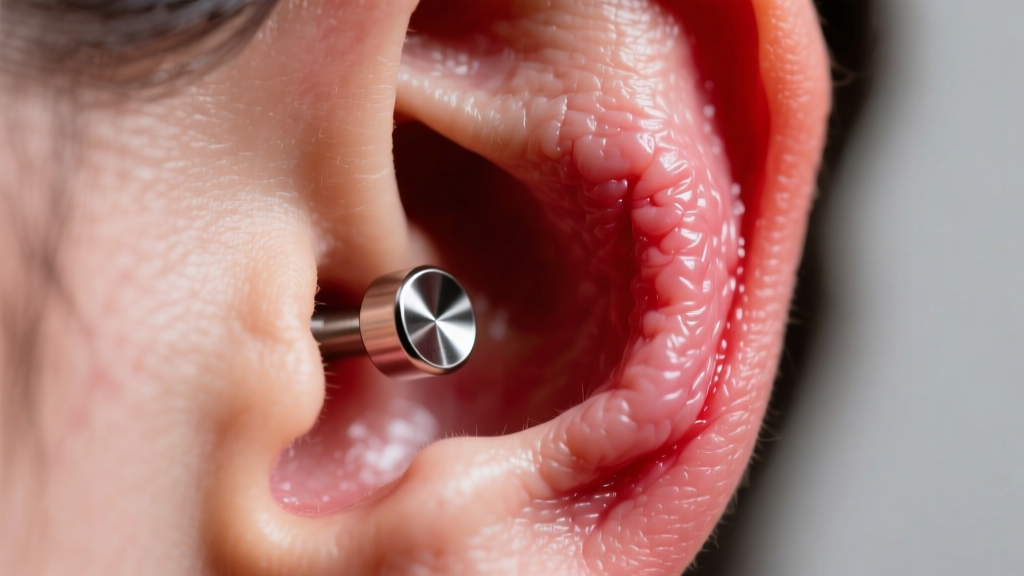
When you realize you have an earring stuck inside ear tissue, the immediate reaction is often panic. You pull, you twist, and the jewelry only seems to embed itself deeper. While many assume this is purely a mechanical issue—like a clasp failing or a backing getting wedged—the true root cause is almost always rooted in material science and metallurgy. The phenomenon of an earring stuck inside ear canals or lobes is frequently a biological response to the physical and chemical properties of the jewelry you are wearing.
Human tissue is highly reactive to foreign objects, particularly metals that leach ions. When a reactive metal is introduced to the micro-environment of a piercing fistula (the healed tunnel of tissue), the body’s immune system can trigger localized inflammation. This inflammation causes the tissue to engorge, effectively shrinking the diameter of the fistula. If you are wearing a standard 18-gauge (1.0mm) post in a lobe that swells to accommodate a 20-gauge (0.8mm) space, the jewelry becomes physically trapped by your own biology.
316L Surgical Steel vs. Implant-Grade Titanium
The most common culprit for swelling-induced entrapment is 316L or 316LVM surgical steel. Despite the word "surgical," this alloy contains between 10% and 14% nickel. According to the Mayo Clinic, nickel allergy is one of the most common causes of allergic contact dermatitis. When sweat and sebum interact with the steel post, microscopic amounts of nickel salts leach into the tissue. The resulting histamine response causes rapid swelling, trapping the earring's decorative end or backing against the skin.
Conversely, ASTM F136 Implant-Grade Titanium contains zero nickel and is highly biocompatible. Its surface oxide layer prevents ion leaching, making it the gold standard recommended by the Association of Professional Piercers (APP) for both fresh and troubled piercings. If you frequently find your jewelry embedding, upgrading to mirror-polished titanium is the most effective preventative measure.
Friction, Porosity, and Organic Materials
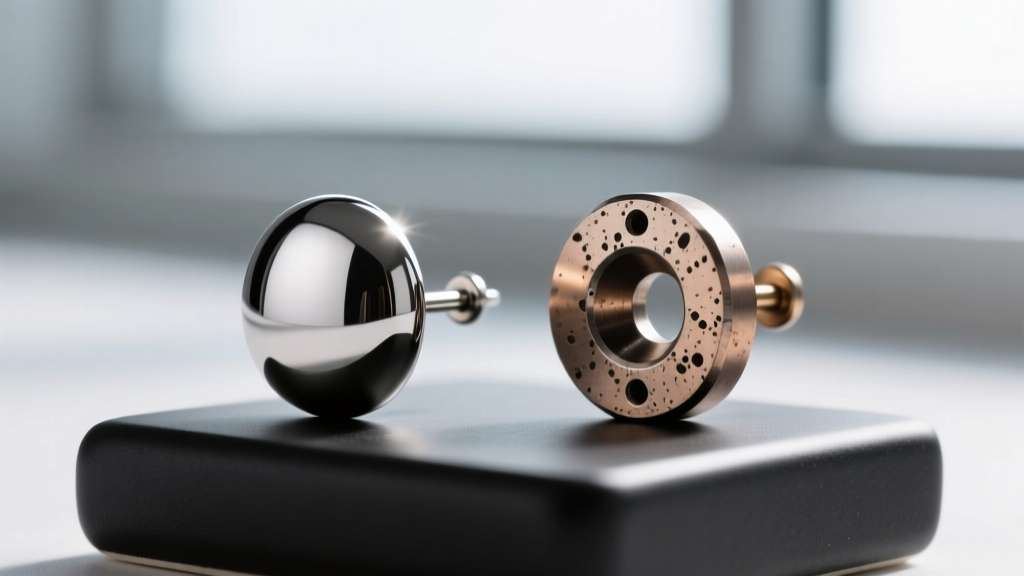
Metals aren't the only offenders. If your earring stuck inside ear tissue is made of organic materials, wood, or certain synthetics, the mechanics of entrapment shift from chemical reactivity to physical friction and moisture absorption.
- Wood and Bone: Organic materials are inherently porous. Even when sealed, microscopic fluctuations in humidity and body heat can cause wood to expand. Furthermore, the porous surface creates micro-friction against the delicate mucosal lining of the fistula, making it incredibly difficult to slide the jewelry out without tearing the tissue.
- Acrylic and PMMA: Acrylic ear plugs and tapers are notorious for harboring bacteria in micro-scratches. This leads to low-grade, chronic infections that keep the fistula in a perpetual state of mild swelling. Additionally, acrylic creates a high-friction drag against dry skin, acting almost like a suction cup inside the piercing channel.
- Silicone: While flexible, silicone tunnels can fold and expand behind the ear lobe. If the tissue swells even slightly, the silicone grips the skin with immense friction, making removal without lubrication nearly impossible.
Threading Mechanics: The Physical Cheese Grater
For screw-together earrings, the threading design is a massive factor in why jewelry gets stuck. Cheap, mass-produced earrings often feature external threading, where the screw pattern is cut directly into the post that passes through your ear.
Pushing an externally threaded post through a fistula acts like a cheese grater, causing micro-tears in the tissue. The body responds to this trauma with scar tissue and swelling, which can lock the backing onto the post. High-end jewelry brands like BVLA and NeoMetal utilize internal threading (where the screw is on the decorative end, and the post is smooth) or threadless push-pin mechanisms. Threadless jewelry relies on the tension of a slightly bent pin inside a hollow post, eliminating threads entirely and ensuring a smooth, snag-free removal every time.
Material Failure Mode Comparison
| Material | Porosity | Nickel Risk | Primary Cause of Entrapment |
|---|---|---|---|
| 316L Surgical Steel | Non-Porous | High (10-14%) | Allergic contact dermatitis causing fistula engorgement |
| ASTM F136 Titanium | Non-Porous | None | Rare; usually mechanical (bent post or tight O-ring) |
| Acrylic (PMMA) | Micro-Porous | None | High surface friction and bacteria-induced swelling |
| Organic Wood | Highly Porous | None | Moisture absorption leading to physical expansion |
| Borosilicate Glass | Non-Porous | None | Friction from lack of lubrication; tissue drag |
Step-by-Step Removal Guide Based on Material
When you have an earring stuck inside ear tissue, brute force will result in tearing, bleeding, and potential embedding that requires surgical removal. Follow these material-specific protocols to safely free your jewelry.
1. For Reactive Metals (Steel, Low-Karat Gold)
If the tissue is red, hot, and swollen due to a metal allergy, your goal is to reduce the inflammation first. Apply a sterile ice pack wrapped in a clean paper towel to the ear for 5-minute intervals to constrict the blood vessels and reduce engorgement. Once the swelling subsides slightly, apply a drop of sterile jojoba oil or vitamin E oil to the post to reduce friction, and gently unscrew the backing. Never use soap or harsh chemicals, which will further irritate the allergic response.
2. For Acrylic, Wood, or Silicone
Because these materials rely on friction and moisture to stay trapped, ice will not help and may actually cause the tissue to tighten around the porous surface. Instead, use a warm, sterile saline compress for 10 minutes to soften the tissue and relax the fistula. Generously coat the jewelry and the surrounding skin with a water-based lubricant or pure emu oil. Gently massage the earlobe to work the lubricant into the channel, then apply slow, steady outward pressure. Do not twist acrylic or wood, as this can cause the material to snap inside the ear.
3. For Threadless or Internally Threaded High-End Metals
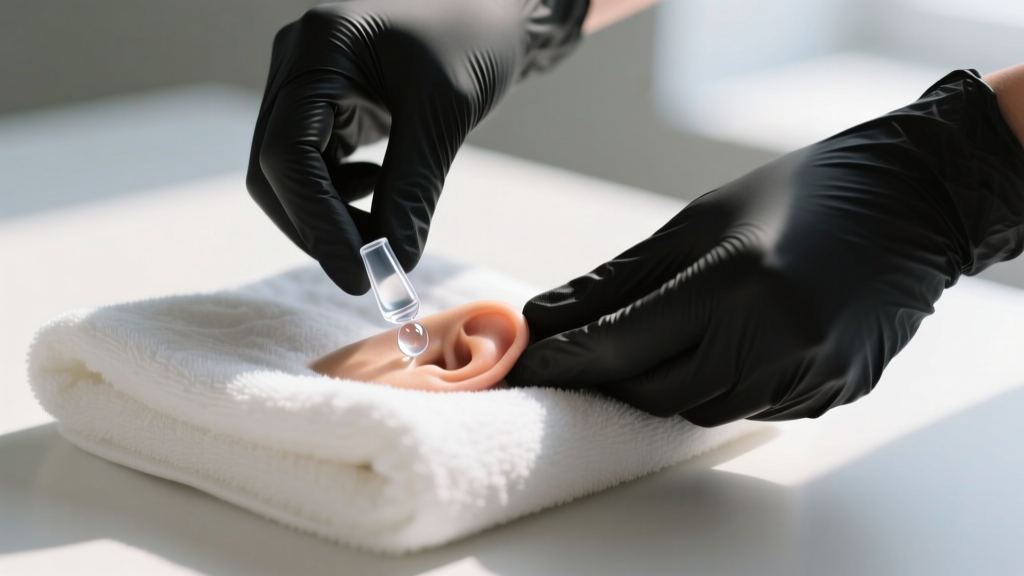
If a premium titanium or 14k gold piece is stuck, it is rarely due to swelling and more likely due to dried sebum or lymph acting as a biological glue. Soak the area in a warm saline solution to dissolve the buildup. For threadless push-pin ends, grip the decorative front and the flat back disc firmly, and pull them straight apart with a slight bending motion. If it refuses to budge, the pin may have been bent too sharply during installation; visit a professional piercer who can use specialized hemostats to release the tension without damaging the fistula.
Preventative Upgrades for Problem Piercings
If you are prone to swelling and frequently deal with embedded jewelry, it is time to audit your jewelry box. Discard any mystery metals, plated jewelry, or externally threaded posts. Invest in solid, implant-grade materials from reputable manufacturers. Brands like Industrial Strength Body Jewelry and Anatometal offer ASTM F136 titanium posts with mirror finishes that glide through tissue without resistance. For cartilage piercings, which are notoriously prone to swelling and angle-shifting, always opt for flat-back labret studs with threadless ends to ensure the jewelry sits flush and never embeds into the back of the ear.


