Earring Swollen Piercing: Expert Care & Cleaning Tips
Dealing with an earring swollen lobe? Discover expert cleaning routines, safe material grades like ASTM F-136 titanium, and gauge downsizing tips.

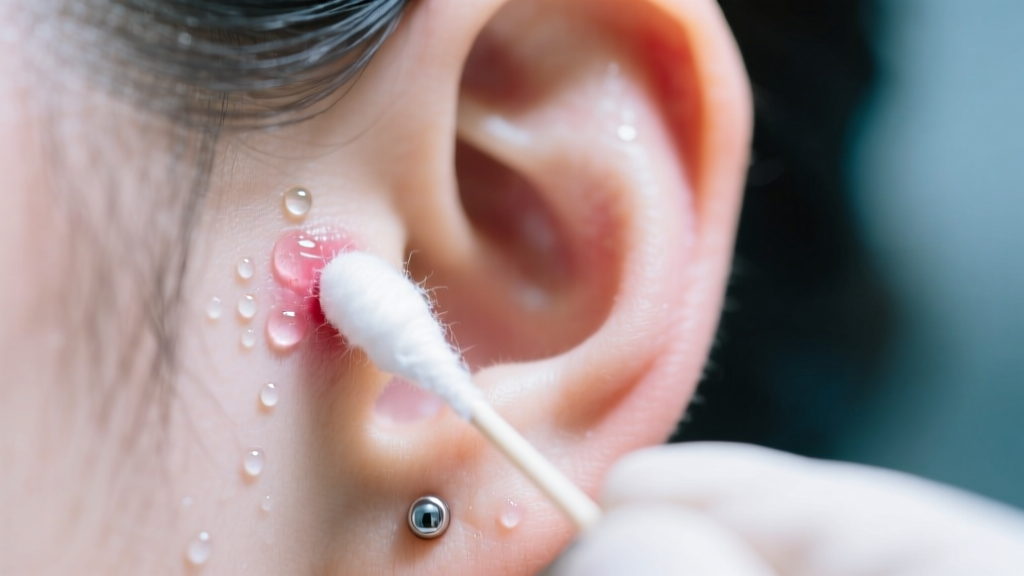
Understanding the Earring Swollen Phenomenon
Waking up to an earring swollen lobe is a stressful experience that affects both new piercing enthusiasts and seasoned jewelry collectors. Whether you are dealing with a fresh piercing that has flared up overnight or a decades-old lobe piercing that suddenly became angry, swelling is your body's localized inflammatory response to a perceived threat. This threat typically falls into one of three categories: allergic contact dermatitis, mechanical trauma, or chemical irritation. To effectively treat an earring swollen piercing, you must first identify the root cause rather than simply masking the symptoms with over-the-counter ointments that can actually trap bacteria and worsen the fistula (the healed tube of skin).
Allergic Contact Dermatitis: The Nickel Culprit
According to the American Academy of Dermatology, nickel allergy is the most common cause of contact dermatitis in jewelry wearers. Many commercial earrings labeled as "surgical steel" or "hypoallergenic" still contain trace amounts of nickel. When your skin's moisture barrier is compromised, nickel ions leach into the tissue, triggering an immune response that manifests as severe swelling, itching, and weeping clear lymph fluid. If your earring swollen symptoms are accompanied by an intense itch, a nickel allergy is the primary suspect.
Mechanical Trauma and Embedding
Sleeping on a fresh piercing, snagging your earring on a towel, or wearing a post that is too short for your natural tissue fluctuations can cause mechanical swelling. When a lobe swells but the jewelry post remains a rigid 6mm or 8mm, the jewelry can begin to embed into the tissue. This creates a dangerous cycle where the swelling causes embedding, and the embedding causes further trauma and swelling.
Immediate Triage: What to Do When Swelling Strikes
The most common mistake people make when dealing with an earring swollen piercing is immediately removing the jewelry. If the piercing is less than a year old, removing the jewelry can cause the surface of the fistula to close rapidly, trapping any developing infection inside the lobe and potentially forming an abscess. Instead of removing the jewelry, you need to accommodate the swelling.
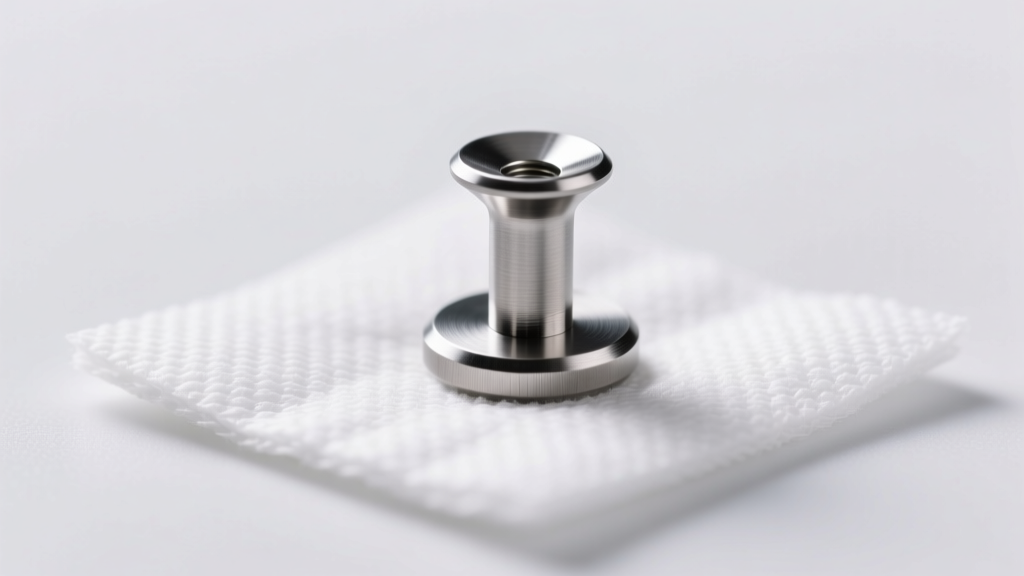
- Assess the Post Length: If you are wearing a standard butterfly-back earring or a short labret stud, visit a professional piercer immediately to have it swapped for a longer post. A 10mm or 12mm ASTM F-136 titanium labret stud will provide the necessary clearance for the swelling to subside without the jewelry biting into the skin.
- Apply a Cold Compress: Wrap a clean ice pack in a sterile paper towel and apply it to the back of the earlobe for 5 to 10 minutes. Never apply ice directly to the skin, as extreme cold can damage the delicate healing cells in the fistula.
- Elevate Your Head: When sleeping, use an extra pillow to keep your head elevated above your heart. This utilizes gravity to drain excess interstitial fluid away from the earlobe, reducing morning swelling.
The Gold Standard Cleaning Protocol
When your piercing is irritated, your instinct might be to aggressively clean it. However, the Association of Professional Piercers (APP) strongly advocates for the LITHA method (Leave It The Hell Alone) combined with a gentle, sterile saline rinse. Over-cleaning destroys the delicate new cells your body is producing to repair the fistula.
The Sterile Saline Routine
You must use a sterile wound wash saline solution with only two ingredients: 0.9% Sodium Chloride (NaCl) and purified water. Look for cans that feature a sterile nozzle, which prevents bacteria from entering the liquid. Spray the front and back of the swollen lobe twice a day—once in the morning and once before bed. Allow the saline to sit for 30 seconds to soften any dried lymph crusties, then gently pat the area completely dry with a non-woven sterile gauze pad. Avoid cotton swabs or cotton balls, as they leave behind microscopic fibers that can become embedded in the swollen tissue and cause further irritation bumps.
The Hall of Shame: What to Avoid
To prevent exacerbating an earring swollen lobe, banish the following products from your aftercare routine:
- Rubbing Alcohol & Hydrogen Peroxide: These harsh astringents cause cellular apoptosis, literally killing the healthy cells trying to heal your piercing while drying out the skin.
- Tea Tree Oil: Highly concentrated and caustic, tea tree oil can cause chemical burns on the sensitive mucosal tissue of a piercing fistula.
- Antibiotic Ointments (Neosporin, Bacitracin): These petroleum-based ointments block oxygen flow to the wound and create a sticky trap for dead skin cells and bacteria.
- DIY Sea Salt Soaks: It is nearly impossible to achieve the exact 0.9% isotonic ratio at home. A solution that is too salty will draw moisture out of the cells, leading to hypertrophic scarring and prolonged swelling.
Material and Gauge Upgrades to Prevent Recurrence
Once the acute swelling has been managed, you must evaluate the jewelry itself. The material and the gauge (thickness) of your earrings play a massive role in long-term lobe health.
| Material Grade | Nickel Content | Biocompatibility | Avg. Price Range |
|---|---|---|---|
| ASTM F-136 Implant-Grade Titanium | 0% (Nickel-Free) | Exceptional (MRI Safe) | $35 - $85 |
| 14k or 18k Solid Gold (Nickel-Free Alloy) | 0% (If properly alloyed) | Excellent | $80 - $250+ |
| Niobium | 0% (Highly Hypoallergenic) | Excellent | $30 - $70 |
| 316L Surgical Stainless Steel | 8% - 12% | Poor for Sensitive Skin | $10 - $25 |
| Sterling Silver (925) | Variable (Often contains copper/nickel) | Poor (Tarnishes, causes argyria) | $15 - $40 |
For anyone prone to an earring swollen reaction, ASTM F-136 implant-grade titanium is the undisputed champion. It is the same material used in medical joint replacements and pacemakers, featuring a mirror-polished surface that resists bacterial adhesion and contains zero nickel.
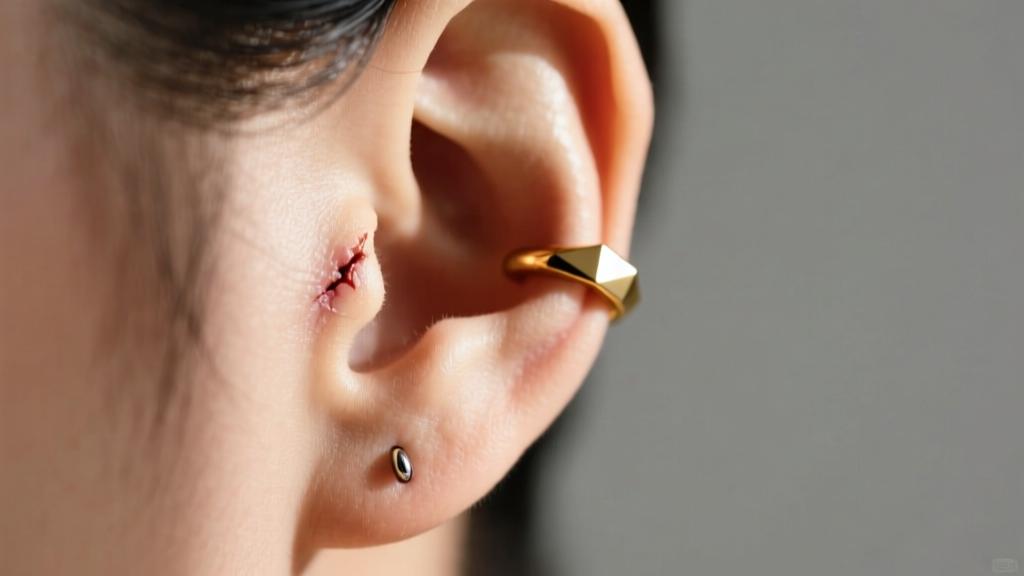
The Importance of Gauge Sizing
Standard commercial earrings are often manufactured at 22-gauge or 20-gauge (0.6mm to 0.8mm thick). When a lobe becomes swollen or weakened, wearing a very thin wire creates a "cheese-cutter effect," where the thin metal slowly migrates downward through the tissue due to the weight of the earring. To provide structural support to a compromised lobe, professional piercers recommend upsizing the jewelry thickness to 16-gauge (1.2mm) or even 14-gauge (1.6mm). The thicker post distributes the weight of the jewelry over a wider surface area inside the fistula, reducing mechanical stress and preventing the piercing from stretching or tearing.
Differentiating Irritation from Infection
It is vital to know when your earring swollen lobe requires medical intervention rather than just a change in aftercare. True infections in earlobes are surprisingly rare compared to irritation bumps, but they are serious when they do occur.
Irritation: Localized swelling, clear or pale white lymph fluid (crusties), mild tenderness, and itching. The redness is usually confined to the immediate perimeter of the piercing hole. This is treated with the LITHA method and saline.
Infection: The lobe is hot to the touch, throbbing with a deep ache, and exuding thick, foul-smelling yellow or green pus. Red streaks may radiate outward from the piercing site, and you may develop a systemic fever. This requires immediate evaluation by a medical doctor for prescription oral antibiotics.
Long-Term Maintenance for Healthy Earlobes
Preventing an earring swollen scenario in the future requires a proactive approach to jewelry hygiene. Even fully healed piercings require maintenance. Once a week, remove your daily wear earrings and wash them with a mild, fragrance-free liquid soap and warm water to dissolve sebum, dead skin cells, and hair product residue that accumulate on the posts. Always dry your earlobes thoroughly after showering; trapped moisture behind the earlobe creates an ideal breeding ground for yeast and bacteria. By combining high-quality, implant-grade materials with a gentle, consistent cleaning routine, you can ensure your earlobes remain healthy, comfortable, and ready to showcase your favorite jewelry styles for decades to come.


