A Beginner's Guide to Sterling Silver Leverback Earrings
Discover how sterling silver leverback earrings combine secure fit with timeless elegance. Learn about .925 grades, gauge sizes, and care tips.

Understanding the Leverback Mechanism
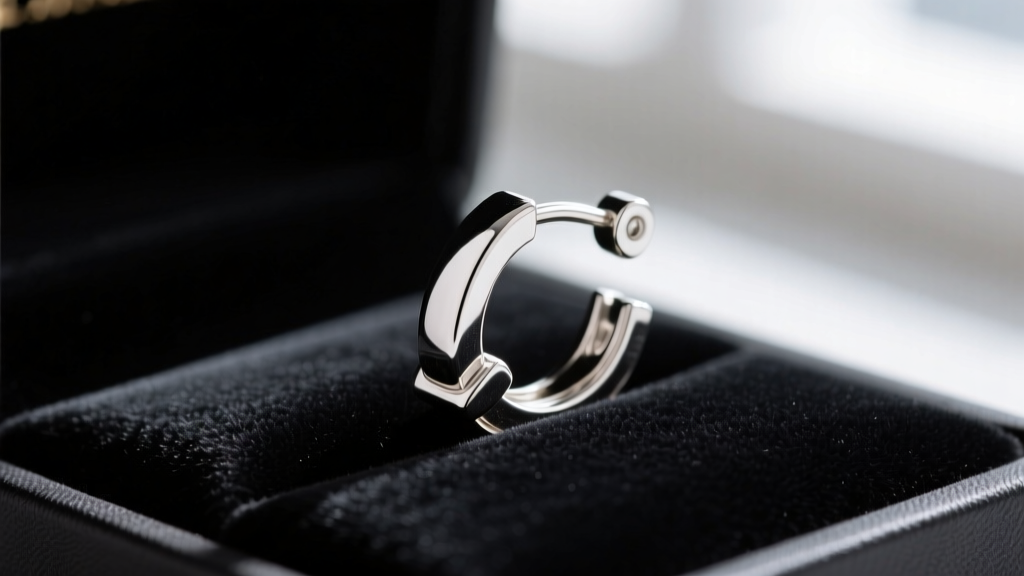
When building a reliable, everyday jewelry collection, the closure mechanism is just as important as the gemstone or metal finish. For dangle and drop earrings, the leverback is widely considered the gold standard for security and ease of use. Unlike fishhook wires that rely on gravity and friction to stay in the ear, a leverback features a hinged, U-shaped wire that passes through the piercing and snaps securely into a catch on the opposite side of the earring.
This design creates a closed loop, making it nearly impossible for the earring to slip out during sleep, exercise, or while changing clothes. For beginners transitioning from basic studs to more elaborate drop styles, understanding how this hardware functions is the first step toward curating a high-quality collection.
Standard Gauge Sizes and Fit
The wire thickness, or gauge, dictates both the structural integrity of the earring and its compatibility with your piercing. Most sterling silver leverback earrings are crafted in 20-gauge (0.81mm) or 22-gauge (0.64mm) wire.
- 20-Gauge (0.81mm): The industry standard for leverbacks. It provides excellent durability and resists bending, making it ideal for heavier drops or gemstone-set designs.
- 22-Gauge (0.64mm): Slightly thinner and more delicate. While comfortable for sensitive or tight piercings, it is more prone to warping if the clasp is forced open.
If you have recently stretched your lobes or have older piercings that have slightly shrunk, a 22-gauge wire might be necessary for initial comfort, though 20-gauge remains the most versatile choice for standard lobe piercings.
The Science of .925 Sterling Silver
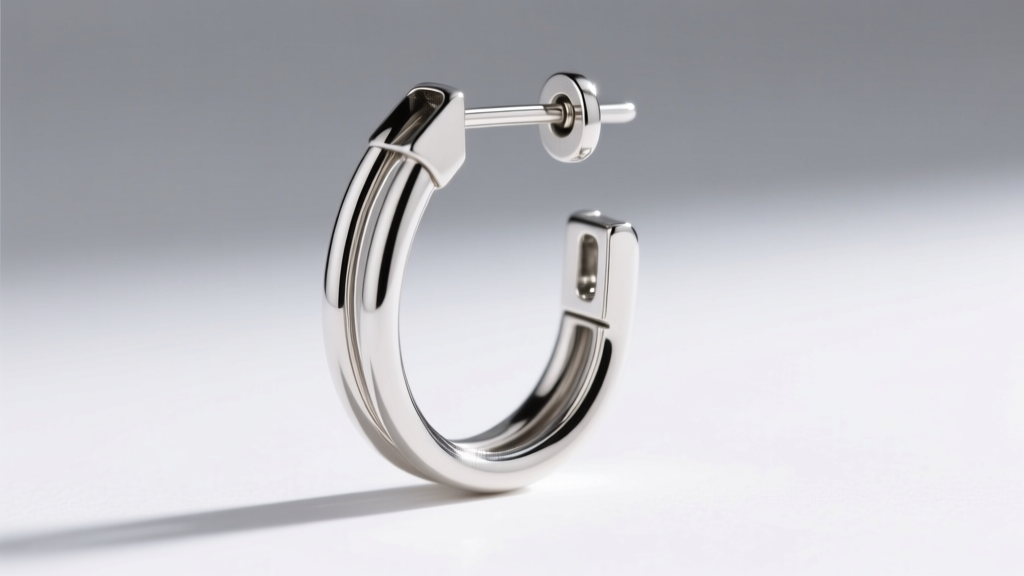
The term "sterling silver" is not just a marketing buzzword; it is a strictly regulated metallurgical standard. According to the Gemological Institute of America (GIA), sterling silver must contain exactly 92.5% pure silver and 7.5% alloy metals, usually copper. This specific ratio is stamped as .925.
Pure silver (99.9%) is far too malleable for functional jewelry hardware. A leverback crafted from pure silver would bend out of shape the first time you attempted to snap the clasp shut. The addition of copper provides the necessary tensile strength and "memory" required for the hinge and snap mechanism to function repeatedly without fatigue.
Hypoallergenic Properties and Nickel Sensitivities
One of the primary reasons beginners seek out sterling silver is its reputation for being hypoallergenic. However, it is crucial to verify that the alloy used in the 7.5% mixture is strictly copper or zinc, and never nickel. Nickel is the most common contact allergen in jewelry. High-quality .925 sterling silver leverbacks from reputable jewelers are entirely nickel-free, making them safe for the vast majority of sensitive ears.
The Rhodium Plating Factor
Many modern sterling silver leverbacks are flashed with a microscopically thin layer of rhodium (a platinum group metal). Rhodium plating serves two purposes: it provides a bright, white-gold-like reflectivity, and it acts as a physical barrier against tarnishing. While rhodium-plated leverbacks require less daily maintenance, the plating will eventually wear off at the friction points (like the clasp catch), revealing the warm, natural tone of the .925 silver beneath.
Leverbacks vs. Other Dangle Closures
To truly appreciate the leverback, it helps to compare it against other common earring findings. Below is a structural and functional breakdown of the most popular dangle earring closures.
| Closure Type | Security Level | ease of Use | Best Use Case |
|---|---|---|---|
| Leverback | High (Closed Loop) | Very Easy | Everyday drops, active lifestyles, heavier gems |
| Fishhook (Ear Wire) | Low (Open Loop) | Easy | Lightweight boho styles, budget-friendly fashion |
| French Wire | Medium (Requires stopper) | Moderate | High-end fine jewelry, formal evening wear |
| Hinged Hoop | High (Closed Loop) | Moderate | Continuous hoops, cartilage/helix piercings |
While fishhooks are cheaper to manufacture and therefore common in fast fashion, the leverback offers superior peace of mind. Losing a beloved gemstone drop because a fishhook caught on a sweater is a common frustration that leverbacks entirely eliminate.
Troubleshooting: When the 'Click' Fails
The most common failure mode of a leverback earring is the loss of tension. Over time, repeatedly opening the clasp can cause the U-shaped wire to widen slightly. When this happens, the wire no longer presses firmly into the catch, resulting in a failure to "click" shut. Fortunately, this is easily fixable at home without specialized tools.
How to Restore Clasp Tension
- Inspect the Hinge: Ensure there is no debris or lint trapped in the hinge pin or the catch cup.
- Apply Gentle Pressure: Hold the main body of the earring firmly in one hand. With your other hand, gently squeeze the sides of the U-shaped leverback wire inward, just a fraction of a millimeter.
- Test the Snap: Close the clasp. If it still feels loose, repeat the squeezing process.
- Avoid Over-Bending: Never bend the wire backward or outward, as .925 silver can snap if subjected to severe reverse stress at the hinge point.
If the catch cup itself is bent, use a pair of nylon-jaw jewelry pliers to gently realign it. Avoid steel pliers, which will mar the polished silver finish.
Preventing Tarnish and Maintaining Shine
Sterling silver is notorious for tarnishing, a chemical reaction where the copper alloy reacts with sulfur compounds in the air to form silver sulfide—a dark, dull coating on the metal's surface. Because leverbacks sit close to the neck and hair, they are frequently exposed to sulfur-heavy environments, including hair products, perfumes, and even natural body oils.
Proactive Storage Solutions
The Jewelers of America organization emphasizes that proper storage is the most effective way to halt the tarnishing process. When you are not wearing your leverback earrings, store them in an airtight polyethylene ziplock bag. For maximum protection, drop a 3M Anti-Tarnish Strip into the bag. These strips absorb airborne sulfur compounds before they can reach your silver, keeping the leverback mechanism clean and functional for months.
Safe Cleaning Protocols
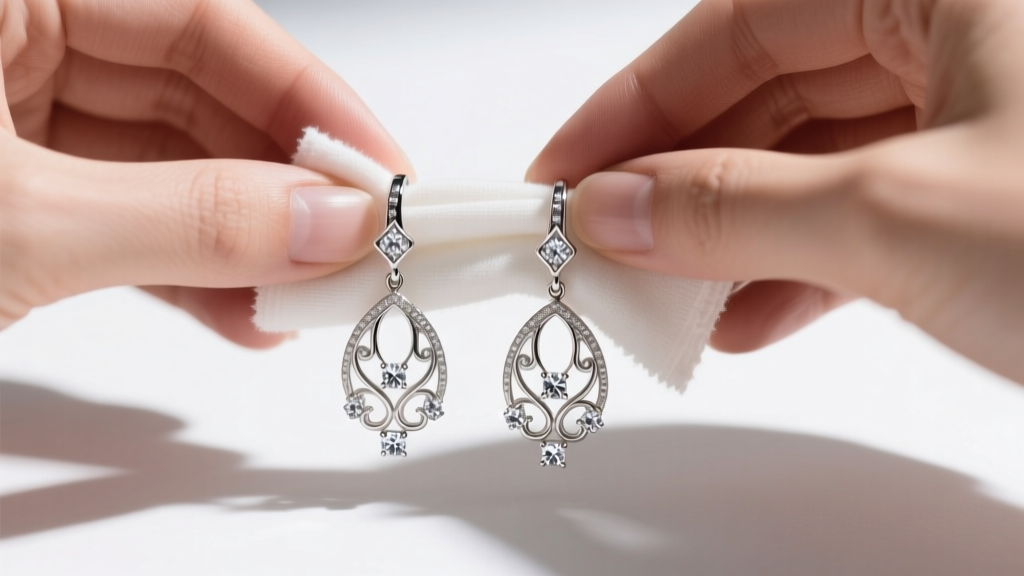
When your leverbacks do lose their luster, avoid harsh liquid silver dips. These chemical baths can strip the rhodium plating and leave a chalky white residue trapped inside the tiny hinge mechanism, causing the clasp to stiffen. Instead, use a dedicated silver polishing cloth impregnated with micro-abrasives. Gently rub the wire and the catch cup, taking care not to pull aggressively on the hinge pin.
Buying Guide: Hallmarks and Pricing Expectations
When shopping for sterling silver leverback earrings, always look for the quality stamp. Legitimate pieces will be stamped with "925", "Sterling", or "Ster" on the back of the main earring body or the inside of the clasp. If a piece is marketed as "Tibetan Silver" or "Silver-Plated," it does not contain the requisite 92.5% pure silver and will likely cause the leverback hinge to break or corrode quickly.
Understanding the Price Range
The cost of sterling silver leverbacks varies wildly based on the complexity of the casting and the presence of gemstones.
- Basic Polished Drops ($25 - $45): Simple, unadorned teardrop or geometric shapes. Excellent for everyday office wear.
- Gemstone-Set Leverbacks ($50 - $120): Featuring semi-precious stones like amethyst, topaz, or cubic zirconia. The price reflects the stone setting labor rather than the silver weight.
- Designer or Artisan Pieces ($150 - $300+): Intricate filigree work, heavy gram weights, or alternative alloys like Argentium Silver (a patented, highly tarnish-resistant silver alloy that replaces some copper with germanium).
For a beginner, investing in a $40-$60 pair of rhodium-plated .925 sterling silver leverbacks with a classic cubic zirconia or white topaz drop offers the best balance of longevity, security, and timeless style. By understanding the mechanics of the clasp and the chemistry of the metal, you ensure that your earrings remain a secure and brilliant part of your wardrobe for years to come.


