How to Craft Jiji Earrings Dandadan Crossover Cosplay Jewelry
Learn how to craft and style anime cosplay jewelry. This step-by-step guide covers Jiji and Dandadan motifs, safe materials, gauge sizes, and weight limits.

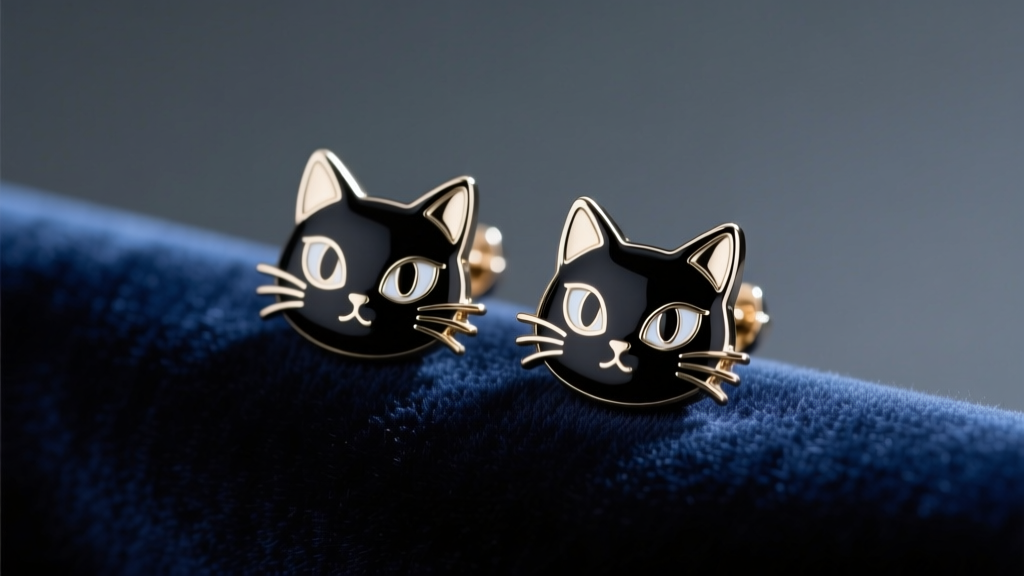
The Rise of Anime Crossover Jewelry in 2026
The intersection of anime fandom and high-quality body jewelry has evolved far beyond cheap plastic props. As we navigate the 2026 convention season, cosplayers and collectors are demanding pieces that are both screen-accurate and safe for prolonged wear. When scouring TikTok or Etsy for niche cosplay accessories, you might encounter highly specific search trends like jiji earrings dandadan crossover styles, where the nostalgic, cute Studio Ghibli black cat motifs meet the gritty, occult-meets-streetwear aesthetics of MAPPA's hit series Dandadan. This fusion creates a unique styling challenge: balancing delicate, whimsical shapes with edgy, dark hardware.
Whether you are assembling a Momo Ayase-inspired streetwear look or adding subtle Ghibli nods to your daily rotation, crafting your own anime-inspired earrings requires a deep understanding of metallurgy, weight distribution, and hypoallergenic standards. This step-by-step guide will walk you through designing, sourcing, and assembling convention-safe cosplay earrings that won't tear your lobes or trigger contact dermatitis during a 12-hour expo day.
Step 1: Sourcing Convention-Safe Hardware
The most critical failure point in cosplay jewelry is the metal post. Many mass-produced anime merchandise vendors use generic "surgical steel," which is a largely unregulated marketing term that often contains high levels of nickel. According to the Association of Professional Piercers (APP), nickel exposure is the leading cause of allergic contact dermatitis in body jewelry. When your ears are sweating under convention center lights, nickel leaching can cause severe swelling, making it impossible to remove the earrings without medical intervention.
The Titanium Standard
For any earring that will be worn for more than four hours, you must source Implant-Grade Titanium (ASTM F136) or Niobium. Titanium F136 is completely nickel-free, highly polished to a mirror finish to prevent bacterial harboring, and lightweight. You can purchase blank titanium stud posts with flat pads (for gluing charms) or threaded ends (for screwing in custom 3D-printed charms) from specialized body jewelry wholesalers.
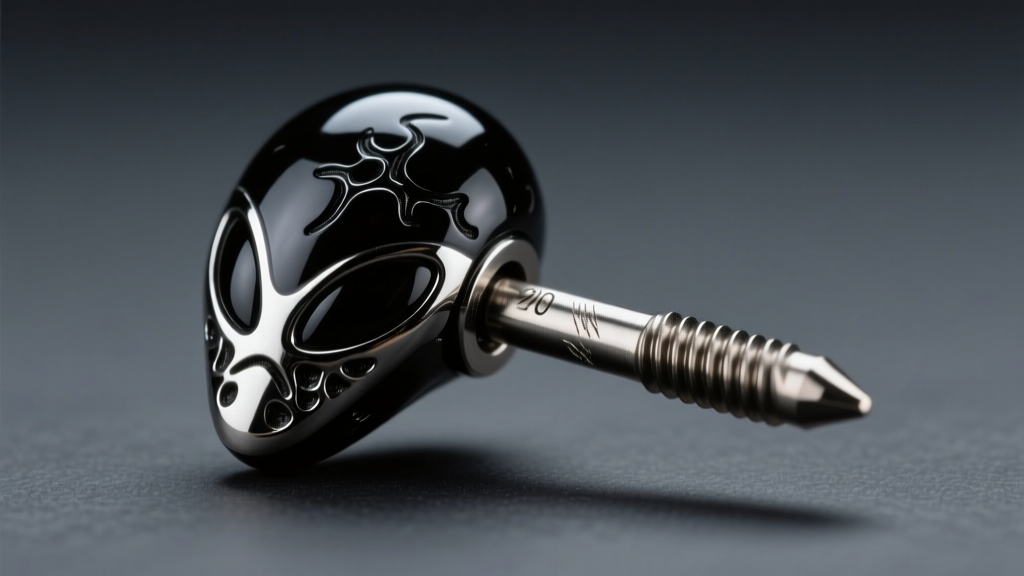
Tools Required for Assembly
- ASTM F136 Titanium flat-pad stud posts (20G or 18G)
- Silicone earring backs (specifically designed with wide support discs)
- Two-part jeweler's epoxy or high-grade UV resin
- Isopropyl alcohol (99%) for surface degreasing
- Micro-tweezers and precision silicone spatulas
Step 2: Weight Distribution and Gauge Selection
Anime motifs often feature exaggerated proportions—think massive yokai teeth, oversized cat silhouettes, or heavy metallic alien symbols. If you attach a 30-gram resin charm to a flimsy 22-gauge wire, gravity will pull the earring downward, stretching the piercing fistula and eventually causing a lobe tear. You must match the gauge (thickness) of the post to the weight of the charm.
| Gauge Size | Diameter (mm) | Max Safe Weight (12-Hr Wear) | Best Anime Motif Application |
|---|---|---|---|
| 20G | 0.81mm | 8 - 10 grams | Small Jiji cat studs, subtle Dandadan occult symbols |
| 18G | 1.02mm | 12 - 15 grams | Medium dangles, layered resin charms, ear cuffs |
| 16G | 1.29mm | 18 - 22 grams | Heavy cartilage pieces, oversized yokai drops |
Pro-Tip: If your design exceeds the safe weight limit for your piercing gauge, do not force it. Instead, convert the heavy charm into a clip-on or use a specialized ear cuff that grips the outer helix cartilage, distributing the weight across a broader surface area rather than a single puncture point.
Step 3: Step-by-Step Resin Casting and Assembly
Creating the crossover aesthetic—pairing the cute, rounded edges of a black cat with the sharp, chaotic geometry of Dandadan alien lore—requires precision casting. UV resin is the preferred medium for 2026 crafters due to its rapid curing time and optical clarity, but it requires specific handling to avoid yellowing and adhesive failure.
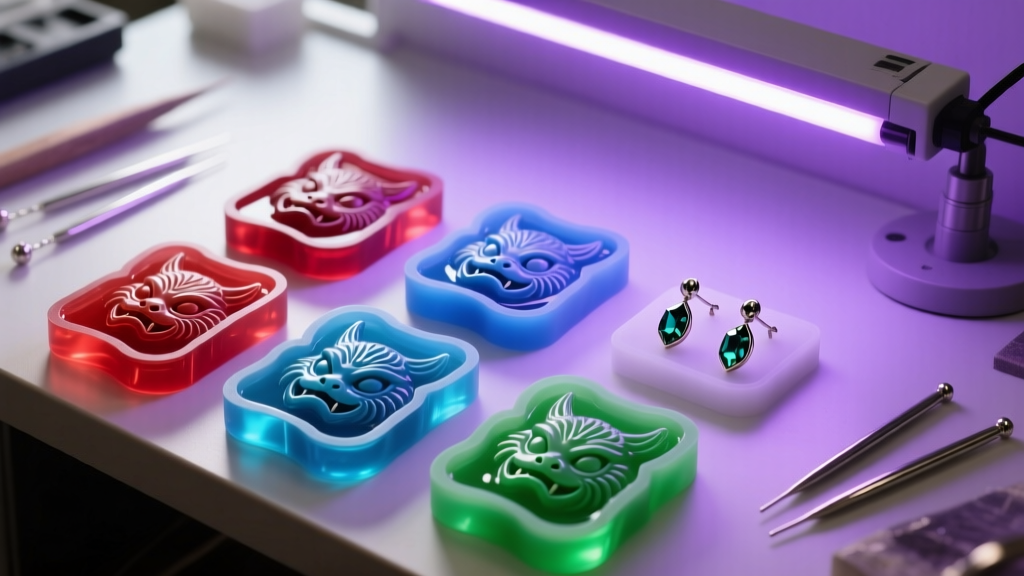
Casting the Charms
- Prep the Mold: Use high-shore silicone molds to ensure a glass-like finish on your resin charms. Wipe the mold cavity with a lint-free cloth and 99% isopropyl alcohol.
- Pour and Cure: Mix your UV resin with a HALS (Hindered Amine Light Stabilizer) additive. This is crucial for anime jewelry, as convention photography involves intense camera flashes and UV exposure that will turn cheap resin yellow within weeks. Cure under a 405nm UV lamp for 60-90 seconds per layer.
- Sand and Polish: Once demolded, wet-sand the edges from 400 to 2000 grit to remove any sharp flash that could snag on cosplay wigs or clothing.
Bonding Metal to Resin
Never use cyanoacrylate (Super Glue) or E6000 for permanent jewelry assembly. Cyanoacrylate becomes brittle and shatters under impact, while E6000 off-gasses and can chemically melt certain resins. Instead, use a two-part jeweler's epoxy. Roughen the flat titanium pad with 400-grit sandpaper, clean both surfaces with alcohol, apply a micro-drop of mixed epoxy, and clamp the charm in place for 24 hours. As noted by experts at Interweave Jewelry Making, proper surface abrasion is the secret to a permanent mechanical bond between non-porous metals and cast resins.
Troubleshooting Common Cosplay Earring Failures
Even with perfect materials, the physical environment of an anime convention presents unique hazards. Here is how to troubleshoot the most common issues on the con floor:
Issue: Lobe Soreness and Stretching
The Cause: Standard metal butterfly backs dig into the back of the earlobe, creating a pressure point that restricts blood flow and causes the heavy earring to pull forward. The Fix: Swap standard backs for silicone support discs (like BlingBlox). These wide, flat discs distribute the weight of a 15-gram Dandadan-inspired dangle across a 12mm surface area, completely eliminating lobe fatigue.
Issue: Resin Clouding or Scratching
The Cause: Tossing earrings into a tackle box with metal zippers, safety pins, and wig combs. The Fix: Store resin anime jewelry in individual microfiber pouches. If micro-scratches occur, you can buff them out using a jeweler's rouge and a soft Dremel wheel on a low-speed setting.
Issue: Allergic Reactions Despite Titanium
The Cause: While the post is titanium, the earring back or the jump ring connecting a dangle might be made of cheap brass or nickel-plated zinc. The Fix: Audit every single component. Ensure jump rings are stainless steel (316L) or titanium, and use only medical-grade silicone or anodized aluminum backs.
Pricing and Sourcing Breakdown
If you are not crafting your own pieces, understanding the market value of high-quality anime jewelry will help you avoid overpriced drop-shipped plastic. Here is what you should expect to pay in 2026:
- Mass-Produced Merch ($10 - $25): Usually stamped alloy with painted enamel. Fun for a single photoshoot, but highly likely to cause allergic reactions and tarnish quickly.
- Indie Artisan / Etsy ($35 - $75): Hand-poured resin on surgical steel. Better designs, but you must message the seller to confirm the exact metal grade before purchasing for sensitive ears.
- Custom Commissions ($90 - $180+): Commissioning a jeweler to cast your specific jiji earrings dandadan crossover concept in solid titanium or 14k gold with vitreous enamel. This is an investment piece meant for lifelong wear and high-end cosplay accuracy.
By prioritizing implant-grade materials, respecting the physics of weight distribution, and mastering modern resin techniques, you can elevate your anime cosplay from a temporary costume to a lasting, wearable art collection.


