Using Earring Tape for Sports: Piercing Care & Cleaning Guide
Learn how to safely use earring tape for sports, prevent sweat buildup, and clean adhesive residue to keep your lobe and cartilage piercings healthy.

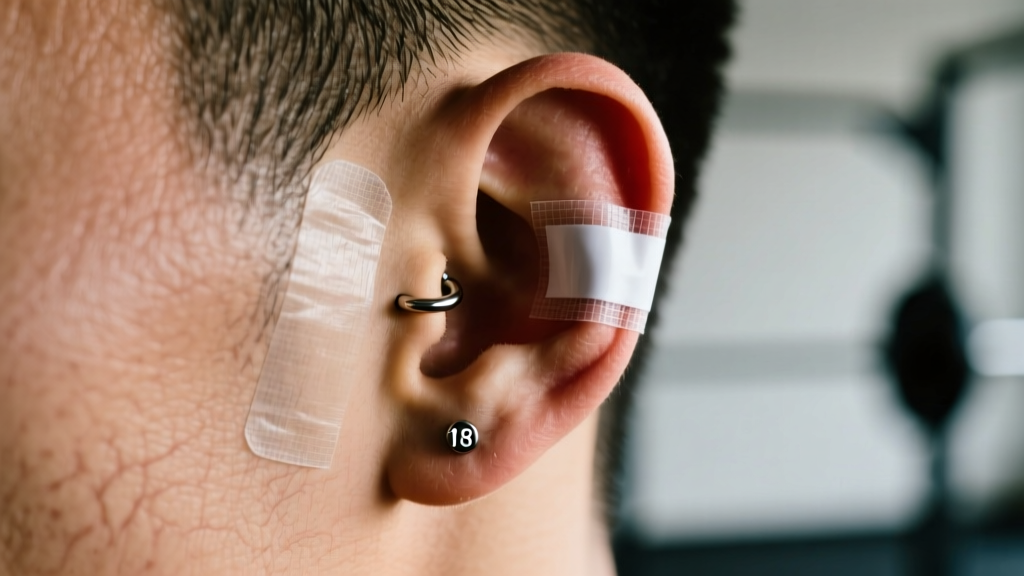
High school and collegiate athletes frequently face strict jewelry bans on the field and court. According to the National Federation of State High School Associations (NFHS), hard jewelry and protruding earrings are generally prohibited in contact sports like soccer, basketball, and wrestling to prevent lacerations and degloving injuries. For athletes with healing piercings that cannot be removed without the fistula closing, using earring tape for sports becomes a mandatory compromise. However, taping a piercing creates an occlusive micro-environment that traps sweat, dead skin cells, and bacteria, drastically altering your standard care and maintenance routine. This guide details exactly how to select, apply, and clean up after earring tape to protect your lobe and cartilage piercings.
The Reality of Athletic Piercing Rules and Earring Tape
When a referee demands a piercing be covered, athletes often resort to whatever tape is in the first-aid kit. This is a critical mistake. Standard athletic tape is designed for rigid joint support, not for delicate, healing fistulas. The primary goal of using earring tape for sports is twofold: compliance with athletic regulations and physical protection of the jewelry. However, covering a healing 16-gauge or 14-gauge cartilage piercing with an impermeable barrier during a high-exertion game introduces severe aftercare challenges. The Association of Professional Piercers (APP) emphasizes that healing piercings require a balance of cleanliness and airflow. Taping inherently disrupts this balance, making your post-game cleaning protocol the most vital step in your maintenance routine.
Choosing the Right Tape: Materials and Adhesive Grades
Not all tapes are safe for healing tissue. The adhesive chemistry and the backing material dictate whether your piercing will thrive or develop contact dermatitis. Here is a breakdown of the most common options:
- Zinc Oxide Athletic Tape: This cotton-based tape uses an aggressive rubber-based adhesive. While it stays on through heavy sweating, it restricts airflow, causes severe moisture maceration, and leaves a thick, stubborn residue. It is highly discouraged for healing piercings.
- Polyurethane Transparent Tape: Often sold as waterproof wound barriers, this tape is breathable and utilizes gentle acrylate adhesives. It provides a solid barrier against dirt and turf without completely suffocating the skin. Pricing typically ranges from $10 to $15 per roll.
- Silicone Gel Tape: The gold standard for sensitive skin and fresh cartilage piercings. Medical-grade silicone tape is hypoallergenic, stretches with the ear's movement, and leaves virtually zero residue upon removal. Expect to pay between $15 and $25 for a high-quality roll.
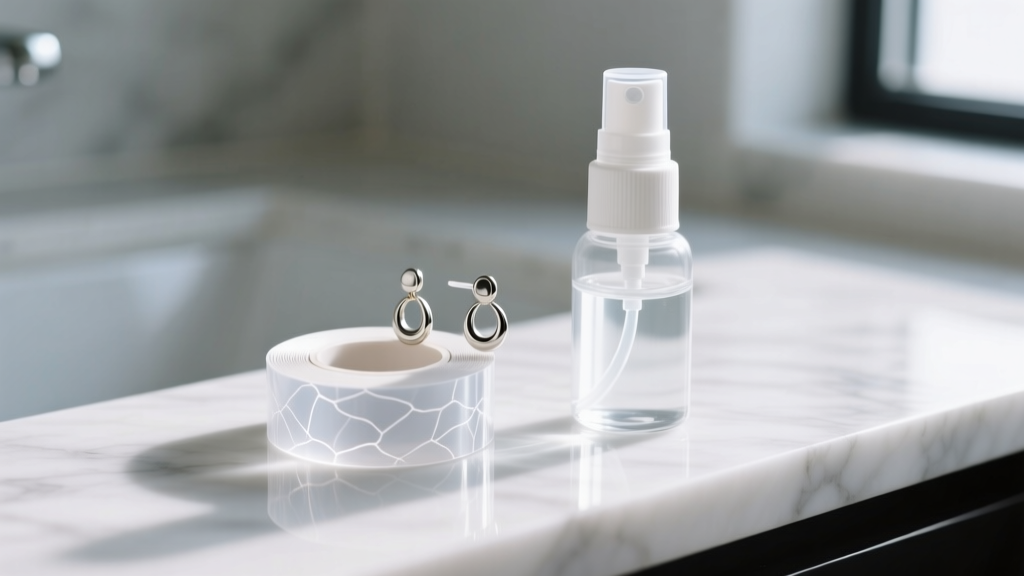
Step-by-Step Application for Lobe and Cartilage Piercings
Proper application prevents the tape from peeling mid-game and reduces the amount of adhesive that comes into direct contact with the piercing hole.
Lobe Studs vs. Cartilage Hoops
For standard 20-gauge to 18-gauge lobe studs, use a 1/2-inch circular punch or small scissors to create a clean, rounded patch of silicone or polyurethane tape. Sharp corners catch on jerseys and hair, leading to premature peeling. For 16-gauge or 14-gauge cartilage hoops or flat-back labrets, you must use a slightly larger piece of tape. Ensure the tape adheres entirely to the surrounding skin, creating a seal at least 1/4-inch away from the actual puncture site. Never stretch the skin taut while applying the tape; when the skin relaxes, the tension will pull on the jewelry and irritate the fistula.
Post-Game Piercing Care: Removing Tape and Adhesive Residue
This is where most athletes fail, leading to hypertrophic scarring and prolonged healing times. Ripping tape off a 4-week-old cartilage piercing causes micro-tears in the fragile epithelial tissue. Furthermore, removing the tape leaves behind a sticky adhesive residue that attracts dirt and blocks the piercing channel.
Never use rubbing alcohol, hydrogen peroxide, or acetone to remove tape adhesive from a healing fistula. These harsh solvents destroy the delicate epithelial cells lining the piercing channel, delaying healing and increasing infection risk.
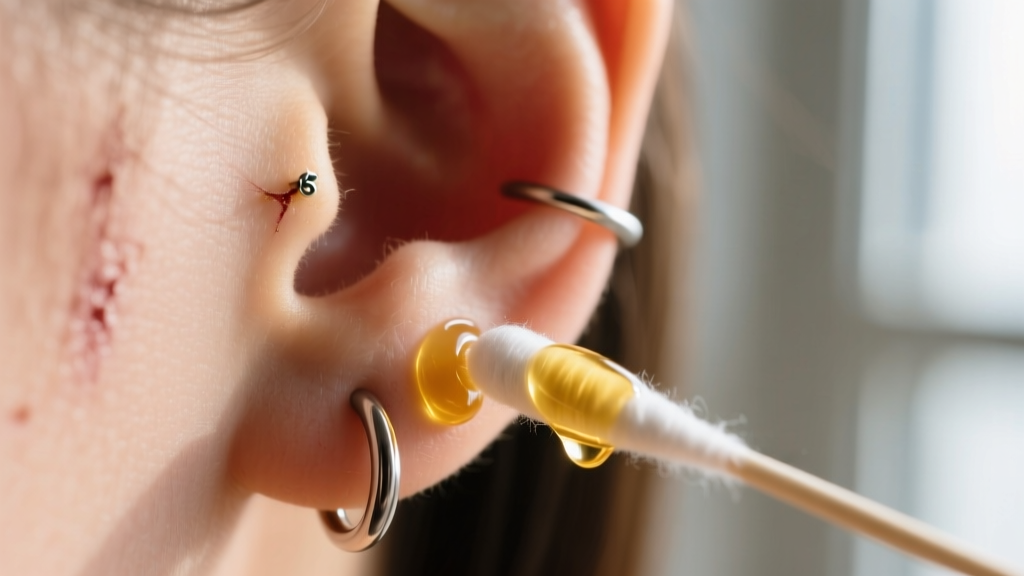
The Oil Breakdown Method: To safely remove earring tape for sports, apply 100% pure emu oil or organic jojoba oil to the edges of the tape. Allow it to sit for 60 to 90 seconds. The lipids in the oil naturally break down the acrylate and silicone adhesives without harming the skin. Gently roll the tape off from the outside edge moving inward toward the jewelry. Once removed, use a sterile, lint-free cotton swab dipped in more oil to gently wipe away any remaining stickiness. Follow this immediately with a generous spray of 0.9% sterile sodium chloride saline to flush the piercing channel.
Infection Prevention: Managing Sweat and Bacteria Trapped Under Tape
Sweat contains urea, lactic acid, and salts, all of which can irritate an open wound. When you tape a piercing, you create an occlusive dressing. If the tape is left on for more than two to three hours post-game, the trapped moisture causes maceration—the softening and breaking down of the skin's outer layer. This compromised skin barrier is highly susceptible to Pseudomonas aeruginosa and Staphylococcus aureus infections. The golden rule of sports piercing care is immediate removal. The moment you are off the field and in the locker room, the tape must come off, and the area must be cleansed with sterile saline and allowed to air dry completely.
Comparison Chart: Earring Tape vs. Alternative Sports Solutions
While earring tape for sports is the most common quick fix, it is not the only option. Below is a comparison of taping versus alternative methods for maintaining piercings during athletic seasons.
| Solution | NFHS Compliance | Healing Safety | Residue Risk | Avg. Cost |
|---|---|---|---|---|
| Silicone Earring Tape | High (Universally Accepted) | Excellent | None | $15 - $25 |
| Zinc Oxide Tape | High | Poor (Maceration Risk) | Severe | $4 - $8 |
| Glass Retainers | Varies by Referee | Excellent | None | $10 - $20 |
| PTFE / Bioplast Jewelry | Low (Often Banned) | Moderate | None | $8 - $15 |
When to Ditch the Tape: Signs of Piercing Distress
Even with the best medical-grade silicone tape, some individuals will develop Allergic Contact Dermatitis (ACD) from the adhesive backing. According to the American Academy of Dermatology, repeated exposure to certain adhesives can trigger localized immune responses. If you notice intense itching, erythema (redness) extending beyond the border of the tape, or a clear, weeping fluid that is distinct from normal healing lymph, you must stop taping immediately. In these cases, consult your professional piercer about switching to an ASTM F-136 implant-grade titanium flat-back labret with a low-profile glass retainer top, which may satisfy athletic referees without the need for occlusive tape.


