Earrings DBZ Collector Guide: Budget & Value in 2026
Assess the true value of Dragon Ball Z replica jewelry. Compare materials, gauge sizes, and pricing tiers for earrings DBZ fans love.

The 2026 Market for Anime Replica Jewelry
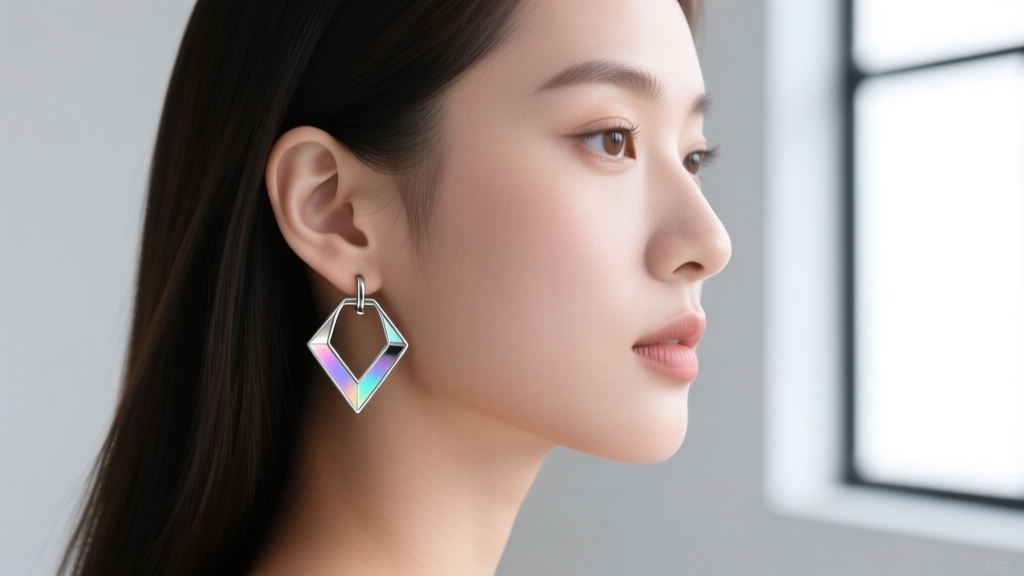
The intersection of anime fandom and fine jewelry has evolved dramatically over the last decade. What once consisted of flimsy, mass-produced plastic trinkets sold at convention booths has matured into a highly specialized collector’s market. If you are actively searching for earrings DBZ replicas that hold long-term value, you must look past the character branding and assess the actual metallurgical quality. The secondary market for anime jewelry is currently flooded with pieces that look identical in thumbnail photos but offer vastly different lifespans and wearability in person.
When evaluating the specific niche of earrings DBZ fans covet—ranging from Supreme Kai’s iconic Potara hoops to Bulma’s signature teal drops—the price variance is staggering. You can find Potara replicas for $6 on wholesale marketplaces, while licensed, premium-cast sterling silver versions routinely command $120 or more. But does a higher price tag always guarantee better value? Not necessarily. True value in replica jewelry is determined by the intersection of material grade, structural gauge, weight distribution, and licensing authenticity. In this comprehensive budget and value assessment, we break down exactly what you are paying for in the Dragon Ball Z jewelry market.
Material Tiers: What Are You Actually Paying For?
The single biggest factor dictating the price and longevity of anime replica earrings is the base metal. Manufacturers typically segment their offerings into three distinct tiers, each with specific pros, cons, and failure modes.
Tier 1: Zinc Alloy (Zamak) & Acrylic (The $5–$15 Range)
The vast majority of budget anime merchandise is cast from Zamak, a zinc-based alloy. While Zamak allows for highly detailed, three-dimensional casting (perfect for intricate Shenron or Frieza force scouter designs), it is inherently heavy and highly reactive. According to the Mayo Clinic, zinc alloys frequently contain nickel impurities that can trigger contact dermatitis in sensitive wearers. Furthermore, Zamak is brittle; if a Tier 1 Dragon Ball star dangle earring is dropped on a hard surface, the post or the loop is likely to snap rather than bend.
Tier 2: 316L Surgical Steel & Enamel (The $20–$45 Range)
This is the sweet spot for daily wear. 316L surgical steel is hypoallergenic, highly resistant to tarnish, and possesses the tensile strength required to support heavier anime-themed dangles without bending. Brands like Hot Topic and BoxLunch often utilize surgical steel posts paired with brass or copper bases for the enameled character crests. The value here is excellent: you get skin-safe posts and durable enamel work that will not chip easily during daily commutes or convention wear.
Tier 3: Sterling Silver & Gold Vermeil (The $60–$150+ Range)
For serious collectors, Tier 3 represents the pinnacle of anime jewelry. These pieces are often produced by specialized boutique jewelers or high-end licensed partners. A pair of 14k gold vermeil Potara earrings on a sterling silver base offers the exact visual warmth of the anime’s art style while providing heirloom-level durability. The value proposition here shifts from mere cosplay utility to wearable, subtle fandom that can be integrated into professional or formal wardrobes.
Potara Earrings: Sizing, Gauges, and Lobe Health
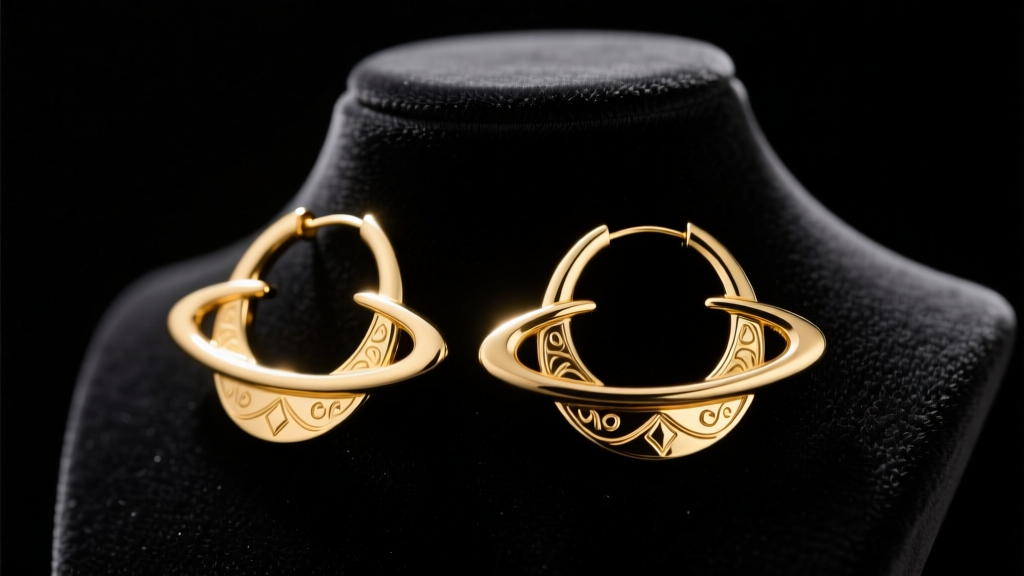
No discussion of DBZ jewelry is complete without analyzing the Potara earring. Worn by the Supreme Kais, these are essentially medium-sized, thick golden hoops. However, translating anime proportions into real-world physics presents a unique challenge for jewelry makers and wearers alike.
In the anime, the Potara hoops appear to be roughly 25mm to 30mm in diameter with a visual thickness of about 3mm. If a manufacturer casts a 25mm hoop out of solid brass or zinc alloy at 3mm thick, the resulting earring can weigh upwards of 12 to 15 grams per ear. For context, a standard comfortable hoop weighs between 2 and 4 grams. Wearing 15-gram earrings for an extended convention weekend will cause severe lobe fatigue, stretching, and the dreaded ‘Potara Snap,’ where the sheer weight of the hoop pulls the earring post downward, prying the butterfly back off and losing the earring.
The Gauge and Weight Solution
To achieve the anime-accurate look without destroying your earlobes, value-conscious buyers must look for hollow tubing or flattened wire designs. Below is a comparative breakdown of what to look for when assessing Potara replica value.
| Specification | Budget Cast (Low Value) | Premium Hollow (High Value) |
|---|---|---|
| Material | Solid Zinc Alloy / Brass | 316L Steel Tubing / 14k Gold Fill |
| Wire Gauge | 20g (0.81mm) - Flimsy | 16g (1.29mm) or 14g (1.6mm) - Sturdy |
| Visual Thickness | 3mm Solid | 2.5mm Hollow (Looks identical) |
| Weight (per earring) | 12 - 15 grams | 2.5 - 3.5 grams |
| Closure Type | Friction Butterfly Back | Hinged Lever-back or Silicone O-Ring |
When shopping, always check the product specifications for the wire gauge. A 20-gauge hoop will warp and bend out of its perfect circular shape within a week of use. Insist on 16-gauge or 14-gauge wire for structural integrity.
Value Assessment: Licensed vs. Fan-Made Custom Pieces
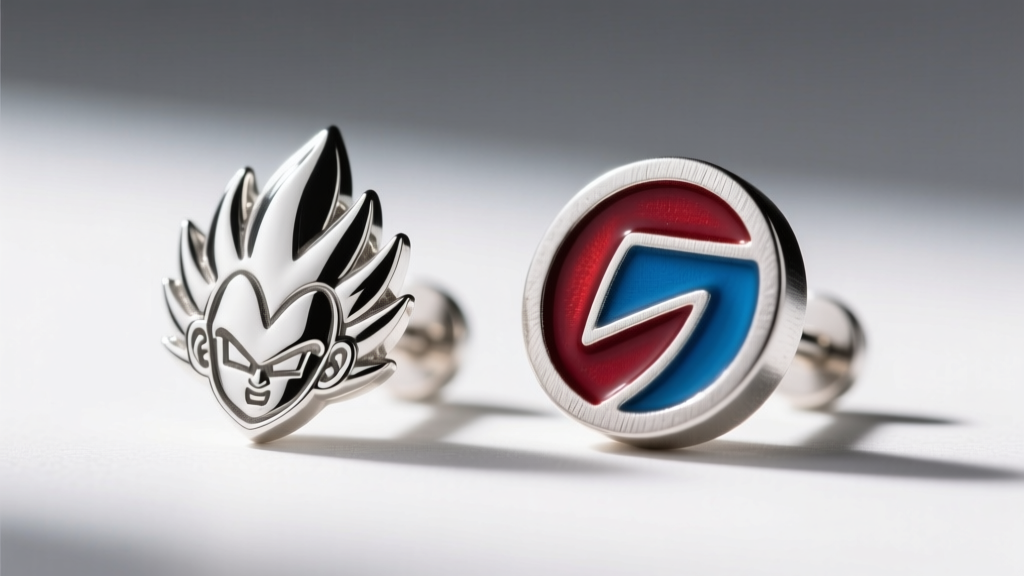
The debate between officially licensed merchandise and fan-made custom jewelry is central to the budget assessment of anime accessories. Platforms like MyFigureCollection track the secondary market values of licensed goods, showing that officially stamped pieces from recognized licensors (like Toei Animation) hold a 20% to 30% premium in resale value compared to unlicensed equivalents.
However, licensed merchandise is often constrained by mass-production budgets. A $30 licensed pair of Capsule Corp studs might use cheap alloy bases with painted details rather than true fired enamel. Conversely, a skilled independent metalsmith on Etsy might charge $45 for an unlicensed, hand-fabricated pair featuring genuine vitreous enamel and surgical steel posts. From a pure wearability and material value perspective, the independent custom piece often outperforms the licensed mass-market item. You are paying for the metal and the craftsmanship, rather than the licensing fee.
Common Failure Modes in Anime Replica Jewelry
To truly assess value, you must anticipate how a piece of jewelry will fail over time. Here are the most common structural and aesthetic failure modes in DBZ-themed earrings:
- Enamel Bleed and Chipping: On intricate designs like the Saiyan crest or the Four-Star Dragon Ball, cheap manufacturing results in enamel that bleeds over the stamped metal boundary lines. Furthermore, soft resin paints (often mislabeled as enamel) will chip and yellow when exposed to UV light and skin oils. True value requires hard-fired vitreous enamel or high-grade epoxy resin sealed with a clear coat.
- The Dangle Lever Effect: Earrings featuring hanging elements, such as a miniature Nyoibo (Power Pole) or a dangling scout lens, act as levers. Every time you turn your head, the kinetic energy transfers to the earring post. If the post is soldered poorly or uses a weak friction back, the earring will inevitably fall out. High-value dangles utilize reinforced solder joints and secure latch-back closures.
- Plating Flaking: Gold-plated brass replicas of Vegeta’s royal armor accents look stunning on day one. However, thin flash-plating (less than 0.5 microns) will wear away within a month of daily wear, exposing the reactive brass underneath. Look for ‘gold vermeil’ (a minimum of 2.5 microns of gold over sterling silver) or PVD (Physical Vapor Deposition) coated titanium for lasting color.
Final Verdict: Where to Spend and Where to Save
Navigating the budget landscape of anime jewelry requires a strategic approach. Where to save: If you are buying simple, small studs (like a 6mm Dragon Ball or a minimalist Capsule Corp logo), Tier 2 surgical steel with enamel ($15–$25) offers the best bang for your buck. The structural demands on a small stud are minimal, so paying for precious metals is unnecessary.
Where to spend: Never compromise on budget for large hoops (Potaras) or heavy dangles. The physics of heavy jewelry demand high-tensile materials like 316L steel or titanium, and secure locking clasps. Spending $60+ on a properly engineered, lightweight, hollow-tube Potara replica will save you the heartbreak of losing a heavy, cheaply cast earring on the convention floor. Ultimately, the truest value in the earrings DBZ market belongs to pieces that respect both the source material’s aesthetic and the anatomical realities of the human earlobe.


