The Earrings Draw: Budget Guide to High-Impact Styles
Assess the true value of high-impact jewelry. Our budget guide explores the earrings draw, comparing material costs, weight limits, and pricing.

The Psychology and Physics of the Earrings Draw
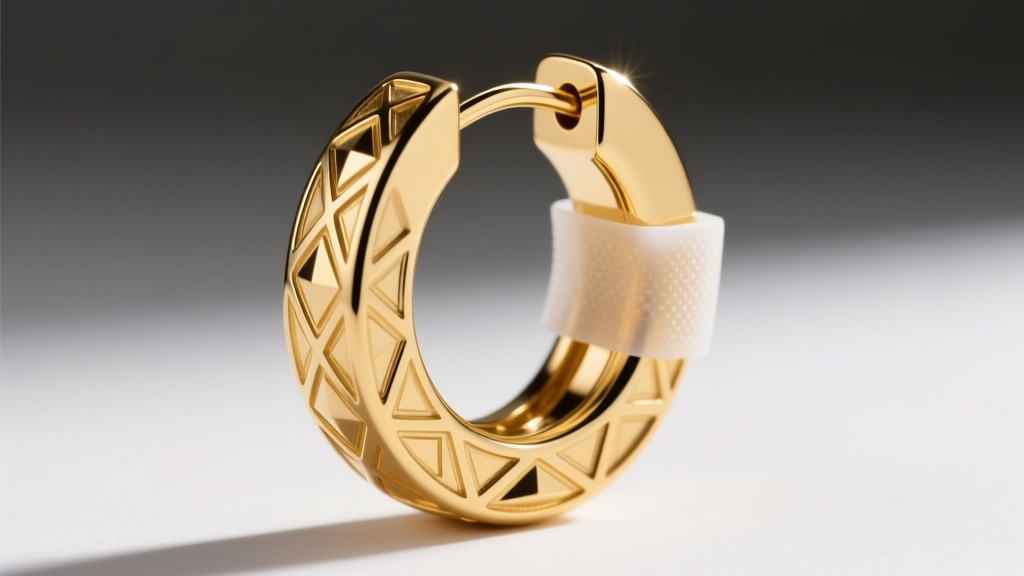
When stylists and jewelers refer to the "earrings draw," they are describing the visual gravity and focal attraction a piece of jewelry commands. High-draw earrings—such as oversized textured hoops, kinetic chandelier drops, and high-contrast gemstone dangles—are designed to pull the eye immediately to the face and neck. In 2026, the trend landscape heavily favors these high-impact statement pieces, moving away from subtle, barely-there studs in favor of bold architectural shapes and dynamic movement. However, achieving a massive visual draw on a budget requires navigating a minefield of metallurgical shortcuts, structural vulnerabilities, and physical limitations.
The fundamental challenge of high-draw earrings is the direct correlation between visual size and physical weight. A standard earlobe piercing is typically performed at 20-gauge (0.81mm) or 18-gauge (1.02mm). When you suspend a large, solid metal object from such a thin column of tissue, you invite the "cheese-cutter effect." Over time, the sheer downward force of heavy earrings causes the piercing channel to migrate and stretch, eventually leading to acquired earlobe clefts. According to the American Academy of Dermatology, chronic traction from heavy jewelry is a leading cause of earlobe tearing, requiring surgical repair. Therefore, assessing the true value of high-draw earrings means evaluating not just the price tag, but the engineering that mitigates physical trauma while maximizing visual impact.
Material Value Assessment: Sizing Up the Statement
To achieve a large silhouette without the crippling weight and cost of solid precious metals, jewelers rely on specific manufacturing techniques. Understanding these methods is the cornerstone of budget assessment for statement earrings. If you are paying premium prices for a 2-inch solid gold hoop, you are likely overpaying for a piece that is physically unwearable for more than an hour.
The Electroforming Advantage: Hollow Gold
Electroforming is the secret behind high-end, lightweight statement hoops. This process involves coating a wax or resin mandrel with a conductive paint and then submerging it in an electrolyte bath. Gold is deposited atom by atom onto the mandrel. Once the desired thickness (usually around 0.2mm to 0.3mm) is achieved, the mandrel is melted or dissolved away, leaving a hollow, pure gold shell. An electroformed 14k gold 50mm hoop might weigh a mere 4 grams, compared to 18+ grams for a solid cast equivalent. This maintains the maximum earrings draw while eliminating lobe strain. The primary failure mode of hollow gold is denting; they cannot be easily hammered back into shape if crushed, so they must be stored carefully.
Vermeil vs. Flash Plating: The Base Metal Trap
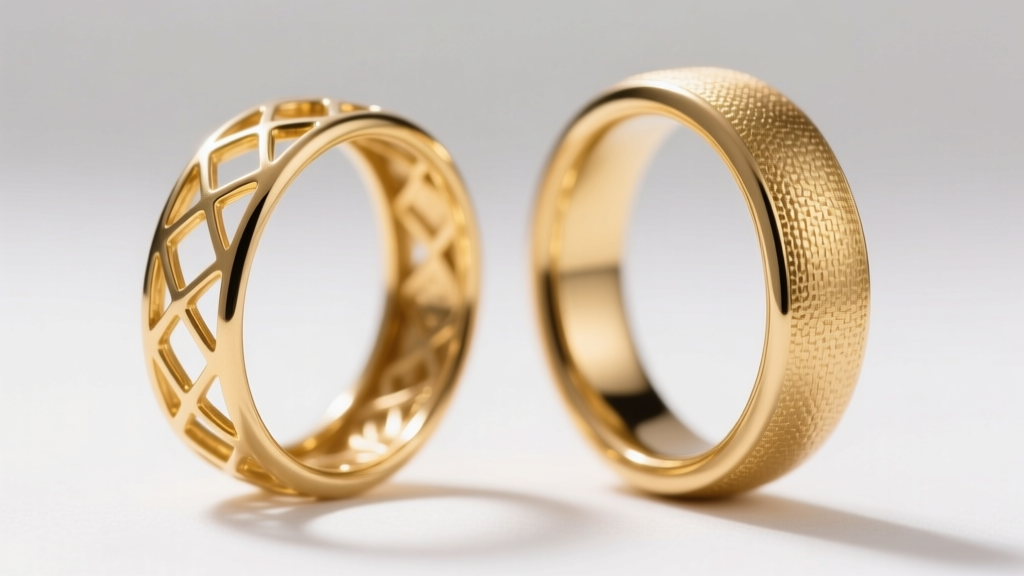
For budget-conscious buyers, gold-plated earrings offer the visual draw of precious metal at a fraction of the cost. However, the value proposition depends entirely on the plating thickness and base metal. "Flash plating" involves a microscopic layer of gold (often less than 0.5 microns) over brass or copper. These pieces tarnish quickly, cause contact dermatitis, and lose their draw within weeks. True Gold Vermeil, regulated by the FTC, requires a sterling silver base and a minimum of 2.5 microns of 10k or higher gold. Vermeil offers excellent medium-term value, provided the wearer removes them before showering or swimming.
Budget & Value Comparison Chart: 2-Inch Statement Hoops
| Material & Method | Avg. Weight (per pair) | Estimated Price Range | Longevity & Failure Modes |
|---|---|---|---|
| Solid 14k Gold (Cast) | 36g - 44g | $1,200 - $1,800 | Lifetime, but high risk of lobe stretching and tearing. |
| 14k Gold (Electroformed Hollow) | 8g - 12g | $350 - $600 | High. Prone to permanent denting if crushed or slept in. |
| Gold Vermeil (Sterling Base) | 24g - 30g | $90 - $180 | Medium (1-3 years). Plating eventually wears, requiring re-dipping. |
| Brass with Flash Plating | 28g - 35g | $25 - $50 | Low. High risk of allergic reactions and rapid tarnishing. |
Gemstone Draw: Light Return Over Carat Weight
When the earrings draw relies on sparkle rather than sheer metal volume, budget allocation must shift from carat weight to cut quality. A poorly cut 2-carat natural diamond will appear dull and lifeless, lacking the optical draw of a precision-cut 1-carat stone. The Gemological Institute of America (GIA) emphasizes that cut is the most critical factor in a gemstone's ability to return white light (brilliance), disperse spectral colors (fire), and create dynamic sparkle (scintillation).
For pure visual impact on a strict budget, lab-grown moissanite and high-grade cubic zirconia (like the Hearts and Arrows cut) offer superior light return compared to mid-tier natural diamonds. Moissanite possesses a higher refractive index (2.65) than diamond (2.42), resulting in intense "fire" that creates an undeniable visual draw across a crowded room. By opting for precision-cut lab alternatives set in solid 14k gold or vermeil, you maximize the optical draw while keeping the overall investment under $300.
Hardware: Protecting Your Investment
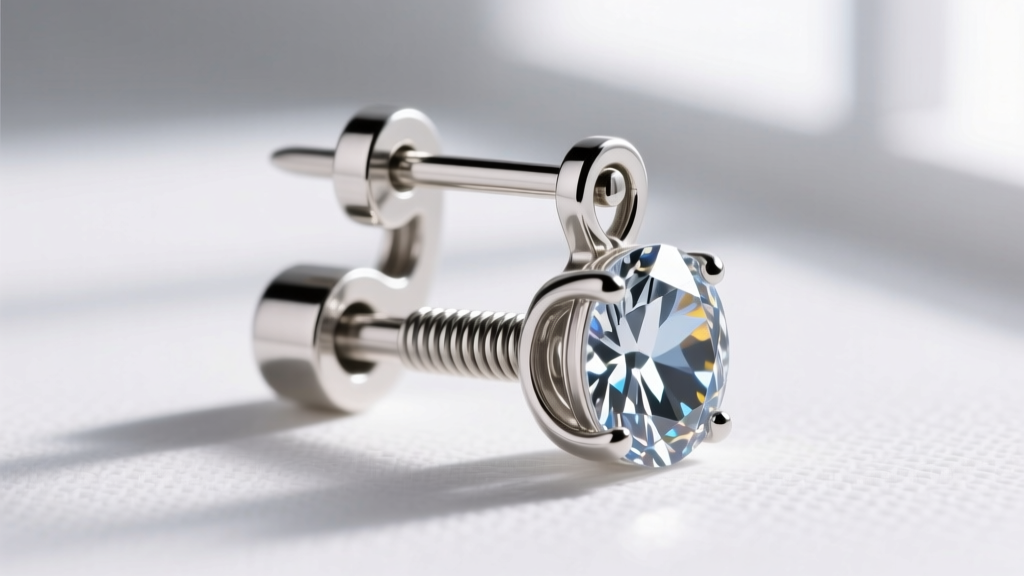
The most overlooked aspect of earring value is the securing mechanism. A $500 pair of high-draw gemstone drops secured by a cheap, worn-out friction back is a lost investment waiting to happen. Heavy statement pieces require specialized hardware to distribute weight and prevent accidental loss.
- La Pousette Backs: These feature a spring-loaded mechanism with two small wings that snap securely into a machined groove on the earring post. They provide a mechanical lock that friction backs cannot match, making them essential for heavy drops.
- Screw-Backs: Threaded posts that require the backing to be screwed on. They offer excellent security but can be tedious to put on and may strip over time if cross-threaded.
- Silicone Support Patches: For earrings that rely on standard friction backs, adhesive silicone discs (like LobeWonder) are mandatory. They sit between the earlobe and the earring back, distributing the shear force across a wider surface area and preventing the post from slicing through the tissue.
The 2026 Value Matrix: Where to Spend and Save
To master the earrings draw without bankrupting your jewelry budget, adopt a strategic allocation matrix. Spend your money on the structural integrity of the post and the securing mechanism—always opt for 18-gauge or 16-gauge posts for heavy pieces, and insist on La Pousette or locking backs. Save your money on the visual volume by choosing electroformed hollow gold over solid cast gold, and prioritize precision-cut lab-grown stones over heavy, poorly cut natural gems. By understanding the physics of weight, the chemistry of plating, and the optics of gemstone cuts, you can curate a high-impact, high-draw earring collection that commands attention and respects your financial boundaries.


